


 Deutsch
 English
 Español
 Français
 Nederlands
 Português


 Share
Share




The closure of the Strait of Hormuz in February 2026 has triggered the largest oil supply disruption in history, with over 9 million barrels per day shut in and Brent crude projected to peak at $115 per barrel. Beyond energy markets, the crisis is cascading into a global food emergency as fertilizer prices surge 46% and an estimated 45 million additional people face acute hunger. This article analyzes the multi-dimensional systemic risks — from energy-driven inflation and supply chain fragmentation to the threat of sovereign debt distress in developing economies — and assesses whether the world is entering a new era of geopolitically driven commodity shocks.
Background: The February 2026 Conflict and Strait Closure
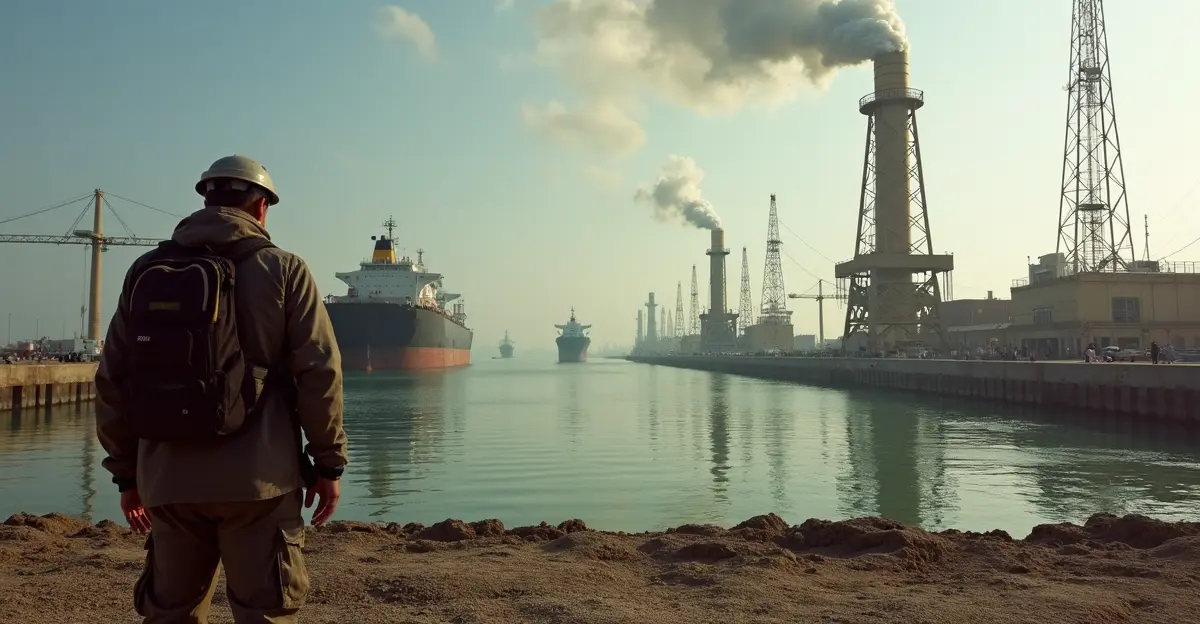
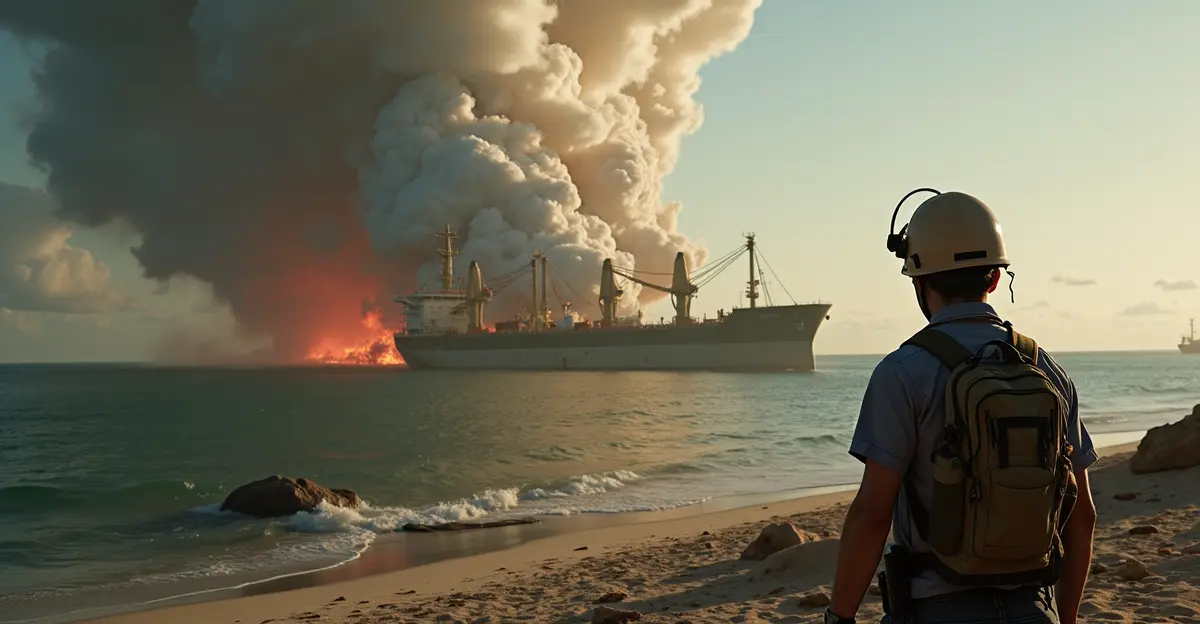
On February 28, 2026, the United States and Israel launched coordinated airstrikes against Iran under Operation Epic Fury, killing Supreme Leader Ali Khamenei and dozens of senior officials. Iran retaliated with hundreds of missiles and drones targeting Israel, U.S. military bases, and Gulf state allies. The Iranian Revolutionary Guard Corps immediately warned against passage through the Strait of Hormuz, boarded merchant vessels, and laid naval mines. Within days, tanker traffic through the strait — which normally carries about 25% of the world's seaborne oil and 20% of its liquefied natural gas — collapsed by over 70%, soon approaching zero. The 2026 Iran war thus became the most consequential geopolitical energy event since the 1970s.
A fragile ceasefire was agreed on April 7-8, but the strait remains effectively closed. Iran has imposed tolls exceeding $1 million per vessel, while the U.S. Navy has blockaded Iranian ports since April 13. As of May 2026, commercial shipping remains paralyzed, with over 2,000 vessels and 20,000 mariners stranded in the Persian Gulf.
Energy Markets: The Largest Supply Shock in History
Production Shut-ins and Price Surge
The U.S. Energy Information Administration (EIA) reported that production shut-ins across Iraq, Saudi Arabia, Kuwait, UAE, Qatar, and Bahrain reached 7.5 million barrels per day (b/d) in March 2026, rising to 9.1 million b/d in April. This represents roughly 9% of global oil supply — three to five times larger than the disruptions caused by the 1973 Yom Kippur War or the 1990 Gulf War. Brent crude, which had traded around $75 per barrel in early February, surged past $100 on March 8 for the first time in four years, peaking at $126 per barrel in late March. The EIA's April 2026 Short-Term Energy Outlook projects Brent will average $115 per barrel in Q2 2026 before easing to $88 in Q4, with a full-year average of $96 — a 22% increase from pre-crisis forecasts.
Global Economic Drag
The Dallas Federal Reserve estimates that a one-quarter closure reduces annualized global real GDP growth by 2.9 percentage points. If the disruption extends to two quarters, oil prices could reach $132 per barrel, keeping global growth negative throughout 2026. The IMF's April 2026 World Economic Outlook projects global growth slowing to 3.1% in 2026, with headline inflation rising modestly but concentrated in emerging markets. The EIA has slashed its global oil demand growth forecast from 1.2 million b/d to just 0.6 million b/d, reflecting the economic drag from high prices. Record inventory draws of 5.1 million b/d are expected in Q2 2026.
Food Crisis: Fertilizer Blockade Threatens Global Harvests
Fertilizer Price Surge
Approximately one-third of global seaborne fertilizer passes through the Strait of Hormuz, with Persian Gulf nations exporting nearly half of the world's urea and 30% of its ammonia. Since the closure, urea prices have jumped from around $450 per metric ton to over $700 — a 46% surge. Ammonia prices have risen 20%, and sulphur — a key raw material for fertilizer production, of which the Middle East supplies 45% of global trade — is also severely disrupted. The global fertilizer crisis 2026 compounds existing pressures from China's export restrictions and high energy costs.
Hunger Warning
The United Nations warns that up to 45 million additional people could be pushed into acute hunger if fertilizer shipments do not resume soon. Jorge Moreira da Silva, head of a UN task force, told AFP that with planting seasons ending in weeks in some African nations, time is running out. The FAO notes that while global food stocks provide a temporary buffer, farmers facing higher costs and limited fertilizer access may reduce yields, driving up food prices later in 2026. Import-dependent countries in Asia and Africa — including Sudan, Tanzania, Somalia, and Bangladesh — are most vulnerable. Bangladesh has already shut universities to conserve power, while South Korea imposed price caps for the first time in 30 years.
Financial Stability: Sovereign Debt and Inflation Risks
Debt Distress in Developing Economies
The oil price shock is creating a new wave of sovereign debt stress. Net petroleum importers such as Ukraine, Sri Lanka, Pakistan, and Egypt have seen bond spreads spike sharply, increasing borrowing costs. According to analysis from Boston University's Global Development Policy Center, twelve countries — including Egypt, Ghana, Kenya, and Mongolia — face a "double challenge" of rising spreads and above-median external debt payments in 2026. Some, like Uzbekistan and Egypt, face a "triple stress" as high fuel subsidies add government spending pressures. The developing country debt crisis 2026 could trigger a cascade of defaults without coordinated international action.
Inflation and Supply Chain Fragmentation
Energy-driven inflation is rippling through global supply chains. Retail gasoline in the U.S. is projected to peak near $4.30 per gallon in April 2026, with diesel above $5.80 per gallon. Freight rates for oil tankers have risen over 90%, and bunker fuel prices have nearly doubled. Economists at Evercore ISI estimate that tariffs, energy costs, and supply chain disruptions together could contribute roughly 50 basis points to underlying inflation by year-end. The crisis is accelerating supply chain fragmentation as companies reroute trade away from chokepoints, adding 10-14 days per voyage via the Cape of Good Hope and driving up costs.
Expert Perspectives
"This is the single most consequential global economic event of 2026," said William Lee, author of this analysis. "The simultaneous shock to energy, food, and financial systems creates a polycrisis that no single institution can address alone." The IMF has signaled willingness to revive its Food Shock Window for emergency lending, while the G20 is under pressure to accelerate debt restructuring for vulnerable nations. However, geopolitical divisions — particularly between the U.S., Iran, and Gulf states — continue to block a coordinated humanitarian corridor for fertilizer shipments.
FAQ
What caused the Strait of Hormuz closure in 2026?
The closure began on February 28, 2026, when the U.S. and Israel launched airstrikes against Iran (Operation Epic Fury), killing Supreme Leader Khamenei. Iran retaliated by blocking the strait to commercial shipping, boarding vessels, and laying mines.
How much oil supply has been disrupted?
Production shut-ins reached 9.1 million barrels per day in April 2026, representing roughly 9% of global supply — the largest disruption in history.
What is the impact on food security?
Fertilizer prices have surged 46%, and the UN warns that 45 million additional people could face acute hunger if shipments do not resume. The crisis threatens planting seasons in Africa and Asia.
How are developing economies affected?
Net oil importers face rising bond spreads and debt service costs, with twelve countries at high risk of debt distress. The IMF and G20 are exploring emergency lending and restructuring mechanisms.
When will the Strait reopen?
Despite a fragile April ceasefire, the strait remains effectively closed as of May 2026. Iran demands tolls over $1 million per vessel, while the U.S. maintains a naval blockade. Analysts expect disruptions to persist through at least late 2026.
Conclusion: A New Era of Commodity Shocks?
The Strait of Hormuz crisis of 2026 has exposed the fragility of a global economy dependent on a single maritime chokepoint for its energy and fertilizer supplies. With Brent crude projected to average $96 per barrel for the year, fertilizer prices up 46%, and 45 million more people facing hunger, the world is confronting a polycrisis that tests the limits of international cooperation. Whether this marks a temporary spike or a permanent shift toward geopolitically driven commodity volatility depends on how quickly the strait reopens — and whether the global community can build resilience against future shocks. The future of global trade security hangs in the balance.




Follow Discussion