


 Deutsch
 English
 Español
 Français
 Nederlands
 Português


 Share
Share




The near-total closure of the Strait of Hormuz following the February 2026 Iran conflict has triggered the largest oil supply disruption in history, removing roughly 20% of global oil supply from the market. With ship transits collapsing from approximately 130 per day in February to just 6 per day in March — a 95% drop — Brent crude surged past $126 per barrel, and the Dallas Federal Reserve models show a potential 2.9 percentage point hit to global GDP growth in Q2 2026 alone. This article analyzes the cascading effects on energy markets, supply chain inflation, developing-nation debt risk, and the strategic realignment of global energy security architecture.
Context: The Strait of Hormuz Crisis
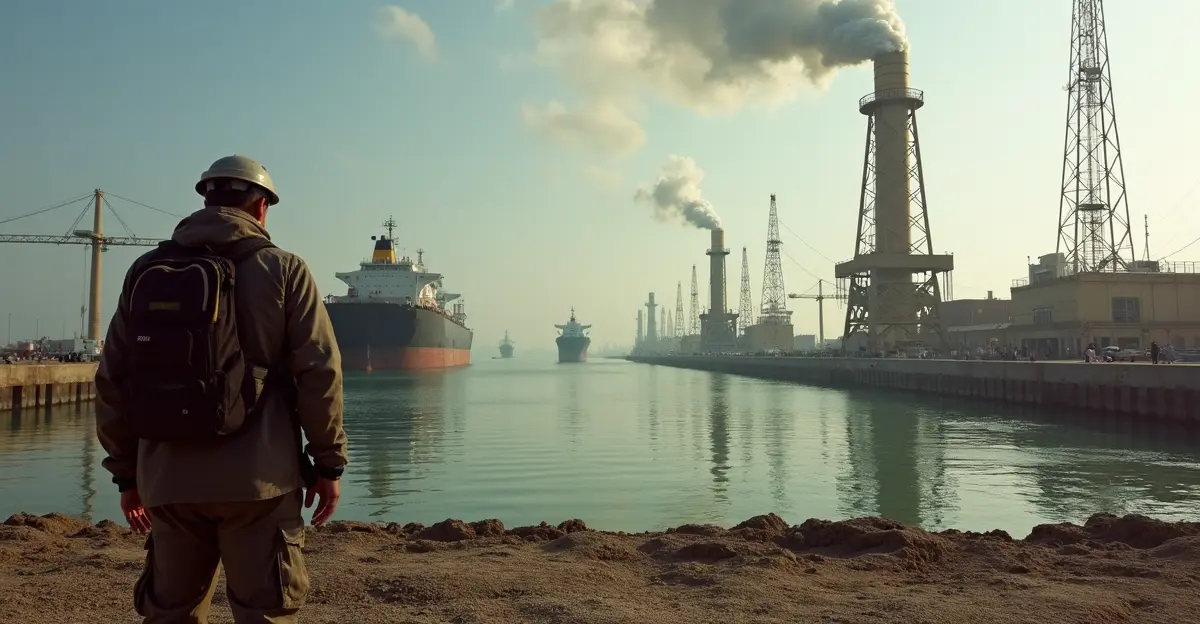
The Strait of Hormuz is a narrow waterway between Iran and Oman, connecting the Persian Gulf to the Gulf of Oman. Before 2026, approximately 20% of the world's oil and 25% of seaborne LNG passed through this critical chokepoint annually. On February 28, 2026, a military conflict between Iran and US-led forces erupted, leading to the effective closure of the strait. Unlike previous geopolitical disruptions — the 1973 Yom Kippur War or the 1990 Gulf War, which removed only 4-6% of global supplies — this closure removed close to 20%, making it three to five times larger than any prior shock, according to the Dallas Fed.
The 2026 Iran war has fundamentally altered global energy flows. The International Energy Agency (IEA) called it the largest supply disruption in the history of the global oil market. In response, IEA member countries unanimously agreed to release 400 million barrels from emergency reserves — the largest coordinated stock release in the agency's history. Yet even this unprecedented intervention has only partially offset the shortages.
Energy Market Fallout: Prices, Supply, and Demand
Oil Price Surge
Brent crude, which traded around $72 per barrel before the conflict, surged over 55% in the weeks following the closure, briefly touching $126 before settling near $114 as of early May 2026. The World Bank's April 2026 Commodity Markets Outlook recorded a 65% ($46/bbl) monthly price jump in March — the largest monthly rise ever recorded. The Dallas Fed projects that a one-quarter closure would push WTI to $98/bbl, while a three-quarter closure could drive prices to $132/bbl.
Supply Collapse
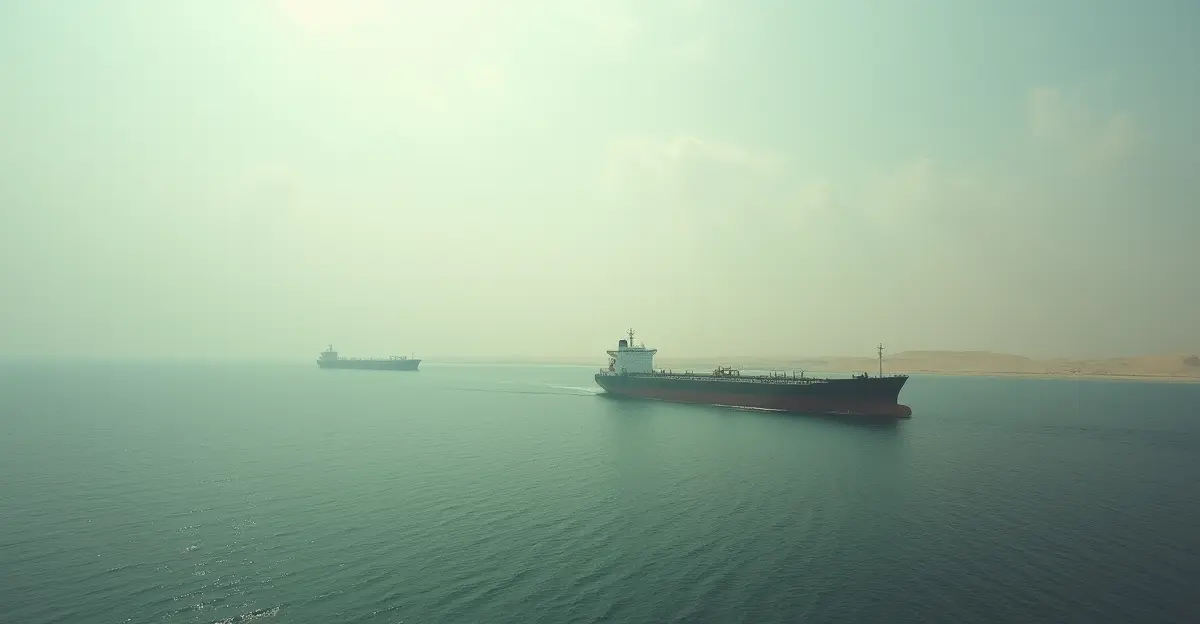
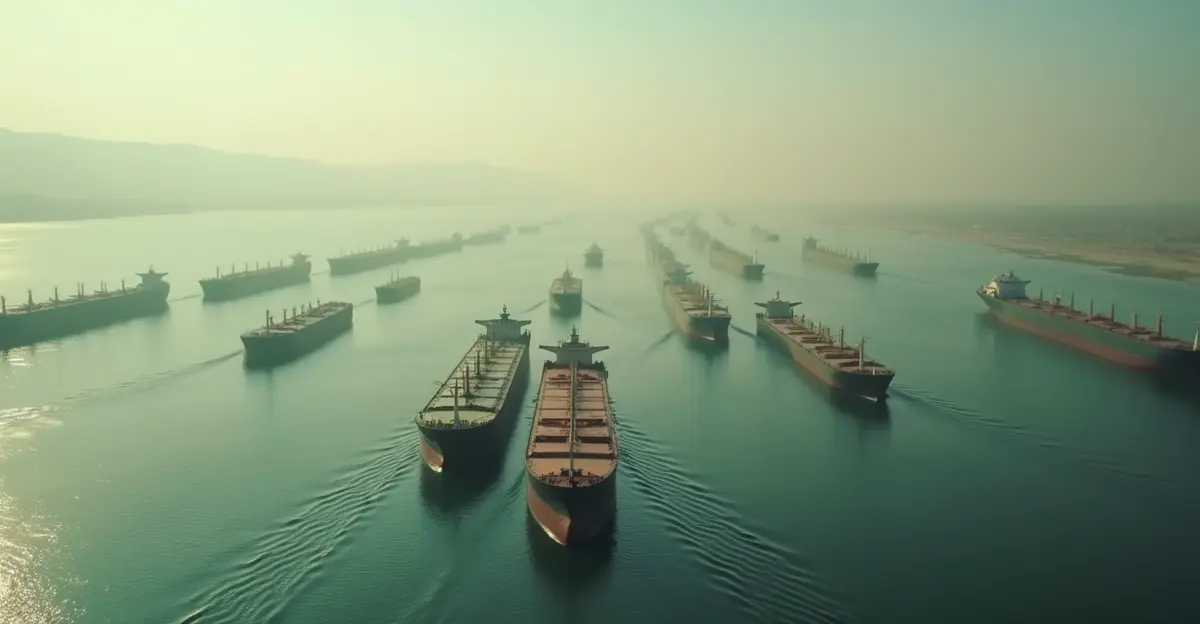
Global oil supply crashed by 10.1 million barrels per day (mb/d) in March 2026, the largest monthly disruption in history. Output is expected to fall 6.9 mb/d (6.6%) year-on-year in Q2 2026. The WTO-AXSMarine Strait of Hormuz Trade Tracker shows crude oil flows through the strait dropped 95%, LNG by 99%, and fertilizer-related cargoes by 87% as of May 1, 2026. Oil producers in Iraq and Kuwait began curtailing production in March as storage filled to capacity.
Demand Destruction
Oil demand fell 0.8 mb/d in March and is forecast to drop another 1.5 mb/d in Q2 2026, as high prices and supply shortages force consumption cuts. The market faces a 3.7 mb/d deficit in Q2 2026. The US is projected to increase output by only 0.5 mb/d, providing limited relief. The global oil supply chain remains under severe strain.
Economic Shockwaves: Trade, Inflation, and Debt
Global Trade Deceleration
UNCTAD's rapid assessment warns that global merchandise trade growth is projected to decelerate from 4.7% in 2025 to just 1.5%-2.5% in 2026. Overall economic growth is expected to slow to 2.6%. The energy shocks are driving rising fuel and transport costs, feeding through supply chains worldwide. Freight rates, bunker fuel costs, and war risk insurance premiums have all spiked dramatically.
Developing Nation Debt Crisis
The crisis hits developing countries hardest. Net petroleum importers like Sri Lanka and Pakistan are seeing rising bond spreads and borrowing costs. A Boston University Global Development Policy Center analysis identifies 12 countries — including Cote d'Ivoire, Egypt, Ghana, Kenya, and Uzbekistan — facing both rising spreads and above-median debt payments in 2026. UNCTAD warns that higher import costs, weaker currencies, tighter financial conditions, and heightened food security risks could trigger a cascading debt crisis across the Global South. The developing country debt crisis is intensifying as the shock persists.
Asia's Acute Exposure
Asia receives about 80% of Gulf oil exports. South Korea faces acute exposure: 62% of its crude oil and 20% of LNG transited the Strait. Japan sources 95% of its oil from the region. Both countries are struggling with naphtha shortages, industrial disruptions, and plant closures. India has called for coordinated releases of strategic petroleum reserves. The crisis is accelerating a strategic realignment of energy partnerships across the Indo-Pacific.
Strategic Realignment of Global Energy Security
The Strait of Hormuz crisis is reshaping global energy security architecture. Governments worldwide are pursuing diversification, nuclear investment, and deeper energy cooperation to reduce vulnerability to Middle Eastern supply routes. The Western Hemisphere presents new opportunities: the US, Canada, Brazil, and Guyana are positioned to expand production and attract investment as demand for secure, diversified supply intensifies.
The Atlantic Council notes that the crisis could drive both near-term demand adjustments and longer-term structural shifts in energy markets, infrastructure, and policy. Europe faces soaring energy costs straining households and heightening inflation. Africa grapples with higher fuel and fertilizer prices worsening food insecurity. Southeast Asia confronts fuel shortages and rationing threatening industry.
The global energy security realignment is already underway, with nations rethinking their dependence on chokepoint-dependent supply routes.
Expert Perspectives
"This is the largest oil supply disruption in history — three to five times larger than the 1973 Arab oil embargo or the 1990 Gulf War," said a Dallas Fed economist in the March 2026 analysis. "A one-quarter closure would reduce global real GDP growth by an annualized 2.9 percentage points in Q2 2026."
UNCTAD Secretary-General Rebeca Grynspan warned: "The near-total closure of the Strait of Hormuz is sending shockwaves through the global economy. Developing countries are most exposed, facing higher import costs, weaker currencies, tighter financial conditions, and heightened risks to food security and debt stability."
IEA Executive Director Fatih Birol emphasized: "The unprecedented scale of the market challenges required unprecedented solidarity. The 400 million barrel release is the largest emergency collective action in IEA history."
Frequently Asked Questions
What caused the Strait of Hormuz closure in 2026?
The closure resulted from a military conflict between Iran and US-led forces that began on February 28, 2026. Iran attacked Gulf energy facilities and effectively closed navigation through the strait, leading to a 95% collapse in ship transits.
How much oil passes through the Strait of Hormuz?
Before the crisis, approximately 20% of the world's oil (about 20 million barrels per day) and 25% of seaborne LNG passed through the strait annually, making it the world's most critical energy chokepoint.
What is the economic impact of the crisis?
The Dallas Fed estimates a 2.9 percentage point reduction in global GDP growth in Q2 2026 if the closure lasts one quarter. Global trade growth is projected to slow from 4.7% to 1.5-2.5%. Developing countries face heightened debt risks and food security challenges.
How are governments responding?
The IEA released 400 million barrels from emergency reserves — the largest coordinated stock release in history. The US announced "Project Freedom" to guide commercial vessels through the strait, though shipping companies remain hesitant. Countries are accelerating energy diversification and nuclear investment.
When will the Strait of Hormuz reopen?
As of May 2026, the strait remains effectively closed. Brief ceasefire talks in March failed, and renewed hostilities in April re-closed the waterway after a short reopening. Analysts expect that even with a reopening, supply chain bottlenecks and infrastructure damage will keep Brent anchored at $80-$90 per barrel for the foreseeable future.
Conclusion: A Defining Geopolitical Event
The Strait of Hormuz crisis is the defining geopolitical and energy event of 2026, with implications that will shape global trade, monetary policy, and military strategy for years. The future of global trade hinges on how quickly the strait can be secured and supply chains restored. As UNCTAD warns, the situation risks evolving into a broader cascading crisis if disruptions persist. The world is watching — and the stakes have never been higher.


Follow Discussion