


 Deutsch
 English
 Español
 Français
 Nederlands
 Português


 Share
Share




The February 2026 closure of the Strait of Hormuz, triggered by U.S.-Israeli strikes on Iranian leadership, has become the largest energy disruption since the 1970s, removing nearly 20% of daily global oil shipments. However, the crisis extends far beyond crude — it has severed 46% of global seaborne fertilizer trade, a third of helium and methanol supplies, and half of sulfur exports, creating cascading risks for food security, semiconductor manufacturing, and EV battery production. With UNCTAD projecting global trade growth to halve to 1.5–2.5% in 2026 and developing economies facing a potential debt spiral, this analysis examines how a single chokepoint is forcing a structural recalibration of global supply chains, energy independence strategies, and the energy transition timeline.
The Largest Energy Shock in Modern History
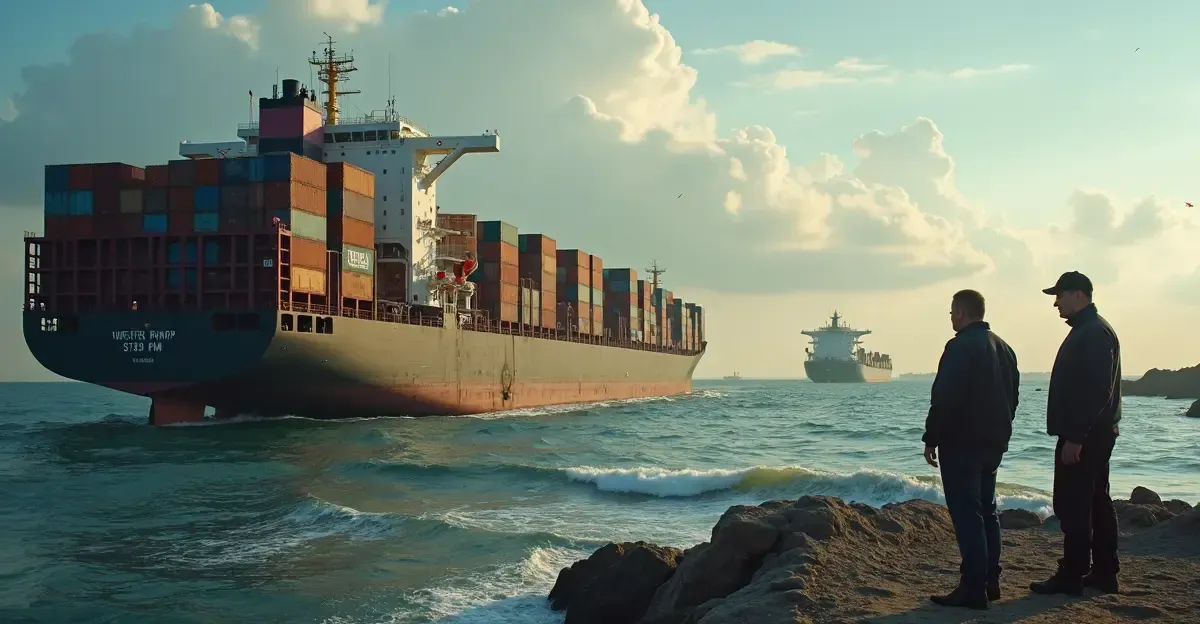
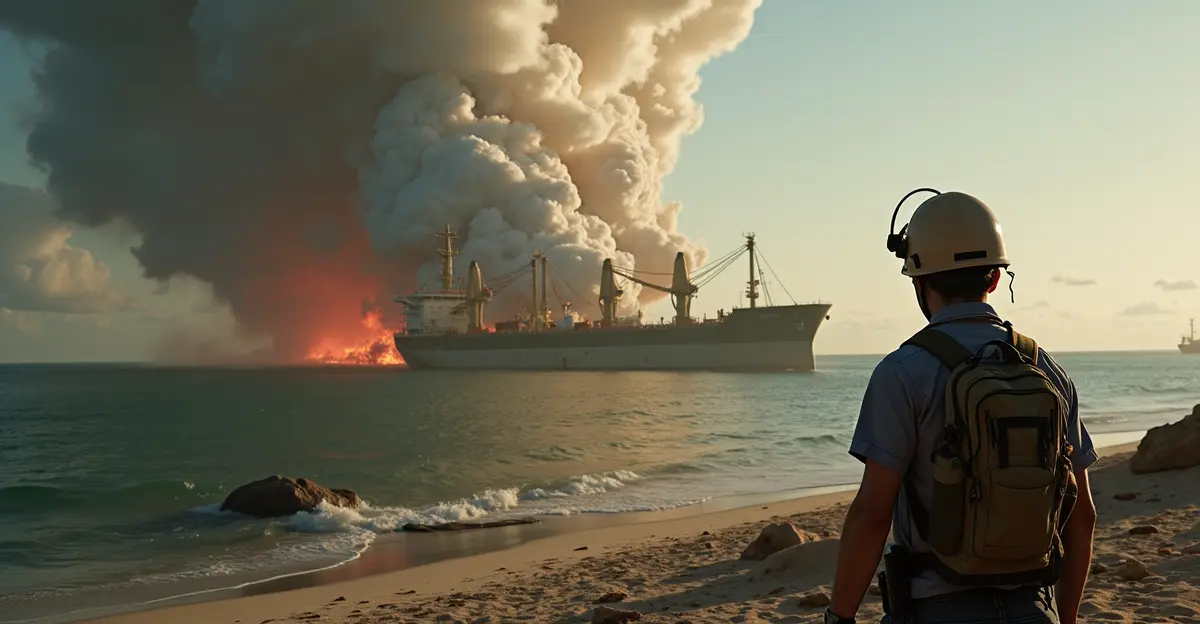
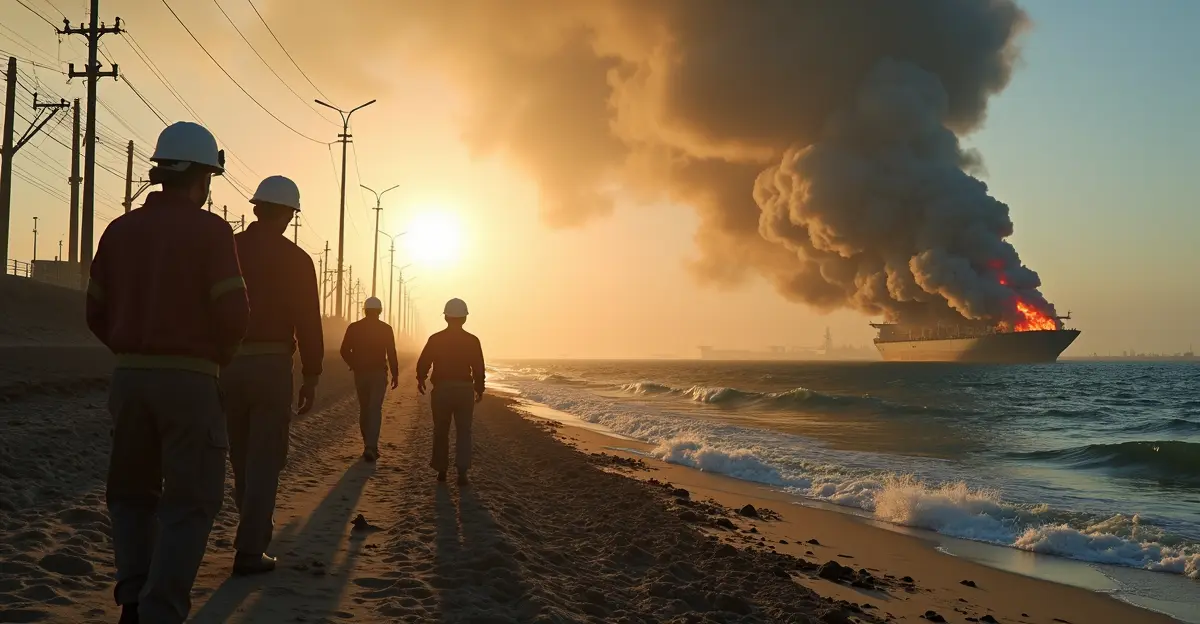
On February 28, 2026, the United States and Israel launched Operation Epic Fury, a coordinated air campaign that killed Iran's Supreme Leader Ali Khamenei and dozens of officials. Iran retaliated by blocking the Strait of Hormuz, the narrow waterway between the Persian Gulf and the Gulf of Oman through which roughly one-fifth of the world's oil typically passes. According to the Dallas Federal Reserve Bank, the disruption has removed close to 20% of global oil supplies from the market — three to five times larger than past geopolitical oil shocks like the 1973 Yom Kippur War or the 1990 Gulf War. The International Energy Agency (IEA) has called it the largest oil market supply disruption in history.
The economic toll has been staggering. Brent crude prices surged past $100 per barrel in March 2026 and peaked at $115 per barrel in April, according to the U.S. Energy Information Administration (EIA). Global oil supply fell by 10.1 million barrels per day in March to 97.1 million barrels per day, and global oil inventories dropped by 85 million barrels in a single month. The 2025 global economic outlook had already been subdued; now the IMF's April 2026 World Economic Outlook, titled "Global Economy in the Shadow of War," projects global growth at just 3.1% in 2026 under a best-case scenario, with a severe scenario showing growth falling to 2% and inflation exceeding 6%.
Beyond Oil: The Hidden Commodities Crisis
While oil and LNG have dominated headlines, the Strait of Hormuz crisis has disrupted a far wider range of critical commodities. The World Economic Forum identified nine non-oil commodities severely impacted, creating cascading risks across multiple industries.
Fertilizers and Food Security
The Persian Gulf region handles 46% of global urea trade and substantial shares of ammonia, sulfur, and phosphate fertilizers. According to the WTO Strait of Hormuz Trade Tracker, fertilizer-related cargo flows through the strait dropped by 87% as of May 1, 2026. This has direct implications for global food production. Brazil, India, and Australia are especially vulnerable due to their heavy reliance on Gulf shipments. The NDSU Agricultural Trade Monitor warns that closure duration will be the key determinant of fertilizer price escalation and farm margin pressure in 2026. The global food supply chain crisis is deepening as farmers face soaring input costs.
Helium: The Semiconductor Bottleneck
Qatar normally supplies over a third of the world's helium — approximately 64 million cubic meters per year. On March 2, 2026, Iran's blockade shut down Qatar's helium plants, removing roughly 35% of global supply in a single day. Helium has no practical substitute at industrial scale for cryogenic cooling in MRI scanners, particle accelerators, and semiconductor fabrication. It is indispensable for EUV lithography (sub-5nm chips), wafer cooling, plasma etching, and leak detection. Major chipmakers like TSMC hold months of stock and use recycling systems, but prolonged disruption could slow output or force shutdowns. South Korea's Samsung and SK Hynix are especially exposed, sourcing approximately 65% of their helium from Qatar. Even if the strait reopened immediately, normalizing supply would take 4-6 months.
Sulfur and the EV Battery Supply Chain
Nearly half of seaborne sulfur passes through the Strait of Hormuz. Sulfur is critical for two rapidly growing sectors: phosphate fertilizer production and battery chemistry. The "Great Sulfur Gap" of 2026 — a projected supply-demand deficit of 5.13 million tons — threatens both semiconductor and EV production. Indonesian nickel HPAL plants require 10 tons of sulfur per ton of nickel, while surging LFP battery production needs high-purity sulfuric acid. Taiwan faces critical exposure, with only 8-11 days of LNG reserves for power generation needed by semiconductor fabs. The EV battery supply chain disruption is accelerating as synthetic graphite feedstocks (derived from petroleum coke) also face shortages.
Methanol, Aluminium, and Other Industrial Inputs
A third of global seaborne methanol trade transits the strait, pressuring Chinese chemical producers and plastics manufacturers. The Middle East produces 9% of global primary aluminium, and Gulf smelters representing approximately 570,000 tonnes of annual capacity have been halted or curtailed, pushing aluminium to four-year highs. Around 85% of Middle East polyethylene exports also traverse the strait, threatening polymer supply for vehicle components and packaging.
Impact on Developing Economies and Debt
The crisis is hitting developing economies hardest. UN Secretary-General António Guterres warned on April 30, 2026, that even in the best case of immediate lifting of restrictions, 32 million people could be pushed into poverty and 45 million more could face extreme hunger. In a worst-case scenario lasting through year-end, the world risks a global recession with dramatic impacts on economic, political, and social stability.
Many developing economies already struggling with debt service burdens face limited capacity to absorb new price shocks. The IMF has warned that elevated public debt and eroded institutional credibility heighten vulnerabilities. Diesel prices have doubled in some regions — the EIA reported retail diesel could peak above $5.80 per gallon in April 2026 — directly impacting transportation costs, food prices, and the cost of living for billions. The developing economy debt crisis 2026 is becoming a systemic threat as import-dependent nations face spiraling costs.
Structural Recalibration of Global Supply Chains
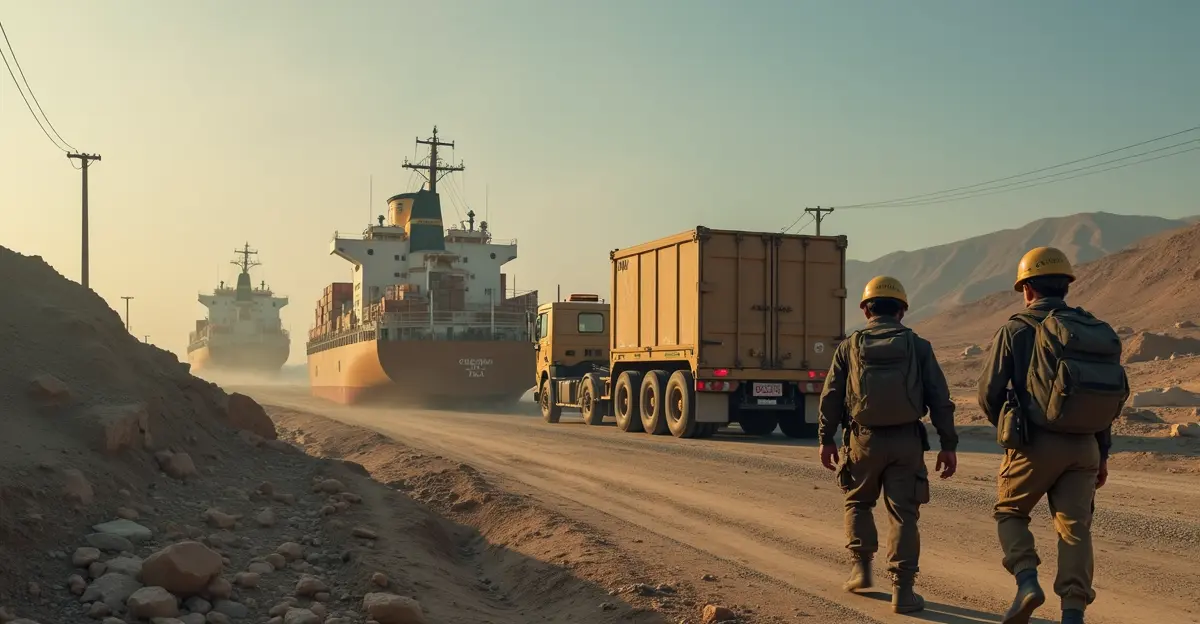
The crisis is forcing a fundamental rethinking of global supply chain architecture. Securing access to critical inputs is increasingly treated as a matter of economic and national security. The U.S. has launched "Project Freedom" to guide stranded merchant vessels safely out of the strait, deploying guided-missile destroyers, over 100 aircraft, and 15,000 service members. But even as military efforts attempt to restore flows, the structural damage to trade patterns is already evident.
Analysts warn that the crisis will accelerate diversification away from chokepoint-dependent routes. The IEA notes that about 80% of Persian Gulf oil is shipped to Asia, forcing importers to seek alternative suppliers from the Americas, Africa, and the North Sea. The energy independence strategies 2026 being adopted by nations worldwide include strategic reserves, domestic production incentives, and bilateral supply agreements that bypass traditional chokepoints.
The Energy Transition Timeline at Risk
Paradoxically, the crisis may both accelerate and complicate the energy transition. On one hand, the vulnerability of fossil fuel supply chains strengthens the case for renewable energy and electrification. On the other hand, the disruption of critical minerals and inputs for EV batteries, solar panels, and green hydrogen infrastructure threatens to delay clean energy projects. Green hydrogen project timelines face delays due to regional instability, and the helium shortage directly impacts semiconductor production needed for smart grid technologies and energy-efficient devices.
The IEA's April Oil Market Report projects that oil demand will shrink by 80,000 barrels per day in 2026, marking the sharpest drop since COVID-19. However, this demand destruction is driven by economic contraction rather than deliberate decarbonization, raising concerns about a disorderly transition.
Expert Perspectives
"This is not just an oil crisis — it is a systemic supply chain collapse that touches every industrial sector," said a UNCTAD trade analyst. "The fertilizer disruption alone could trigger a global food crisis that dwarfs the energy shock."
"We are witnessing the largest disruption in oil market history," the IEA stated in its April report. "While our projections assume flows resume by mid-year, markets must brace for significant further disruptions if that timeline proves too optimistic."
"Even if the strait reopened tomorrow, the supply chain recovery would take months," warned a semiconductor industry analyst. "Helium supply normalization alone requires 4-6 months, and the damage to fertilizer supply chains will affect planting seasons for the rest of 2026."
Frequently Asked Questions
What caused the Strait of Hormuz closure in 2026?
The closure was triggered by U.S.-Israeli air strikes on February 28, 2026, under Operation Epic Fury, which killed Iran's Supreme Leader Ali Khamenei. Iran retaliated by blocking the Strait of Hormuz, halting nearly all commercial shipping through the waterway.
How much global oil supply has been disrupted?
Approximately 20% of daily global oil shipments have been removed from the market — roughly 11 million barrels per day. The IEA reports global oil supply fell by 10.1 million barrels per day in March 2026.
What non-oil commodities are most affected?
The crisis has disrupted 46% of global seaborne fertilizer trade, 35% of helium supply, a third of methanol trade, and nearly half of sulfur exports. Aluminium, polyethylene, and graphite feedstocks for EV batteries are also severely impacted.
How long will the supply chain disruption last?
Even under the best-case scenario of immediate reopening, supply chains would take months to normalize. Helium supply would require 4-6 months, fertilizer supply chains will affect planting seasons through 2026, and oil flows would take months to fully restore.
What is the economic impact on developing countries?
The UN warns that 32 million people could be pushed into poverty and 45 million more could face extreme hunger. Diesel prices have doubled in some regions, and many developing economies face a systemic debt crisis as they struggle to absorb higher energy and food costs.
Conclusion: A Defining Economic Event
The Strait of Hormuz crisis of 2026 is reshaping global trade in ways that will be felt for years. Beyond the immediate energy shock, the disruption of fertilizer, helium, sulfur, and other critical inputs is forcing a structural recalibration of supply chains, energy independence strategies, and the energy transition timeline. As of April 2026, the ceasefire remains fragile, diesel prices have doubled in some regions, and the IMF and UN are warning of a systemic debt crisis among vulnerable import-dependent nations. This is the defining global economic event of 2026, and its consequences will reverberate through the remainder of the decade.

Follow Discussion