


 Deutsch
 English
 Español
 Français
 Nederlands
 Português


 Share
Share




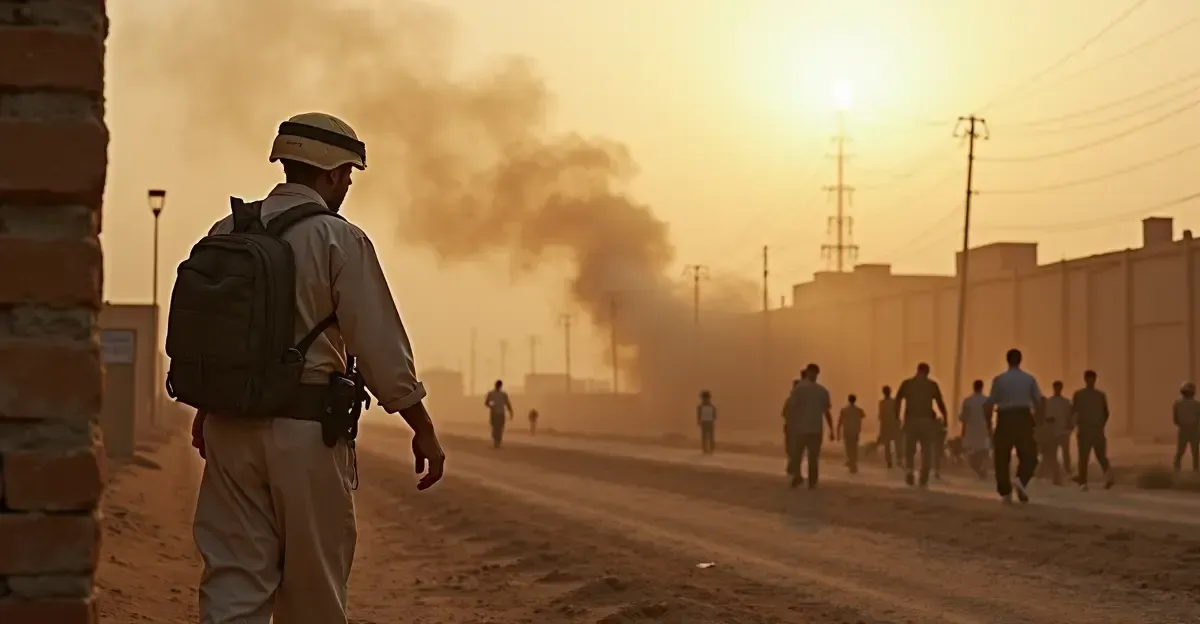
The Strait of Hormuz, a 21-mile-wide maritime chokepoint between the Persian Gulf and the Gulf of Oman, has become the epicenter of a cascading crisis that threatens global food security in 2026. Since the outbreak of the US-Iran war on February 28, 2026, commercial traffic through the strait has collapsed by over 90%, blocking an estimated 20–30% of the world's seaborne fertilizer trade just as farmers in the Northern Hemisphere prepare for spring planting. Urea prices have surged up to 60% in key markets, and fertilizer plants across South Asia have shut down due to lost natural gas supplies from Qatar. This analysis examines how the Hormuz disruption creates a cascade from energy markets to fertilizer supply to crop yields, threatening a global food price spike later in 2026—compounded by the closure of USAID and the absence of the safety net that existed during the 2022 Black Sea crisis.
Background: The Strait of Hormuz as a Global Fertilizer Artery
The Strait of Hormuz is one of the world's most strategically important maritime chokepoints. According to UNCTAD, roughly 20% of global liquefied natural gas (LNG) and 25% of seaborne oil pass through the strait annually. But its role in fertilizer trade is even more critical: the Persian Gulf region accounts for nearly 40% of globally traded urea and 44% of seaborne sulfur, a key input for phosphate fertilizers. The Gulf states—Saudi Arabia, Qatar, Iran, Kuwait, and the UAE—are among the world's largest exporters of nitrogen fertilizers, which are essential for annual crop cycles. Unlike potash or phosphates, which can be skipped for a season, nitrogen fertilizers must be applied every year to maintain yields. The 2026 Iran war has effectively severed this artery at the worst possible time.
The Cascade: From Energy to Fertilizer to Food
Energy Shock: LNG and Gas Feedstock Disruption
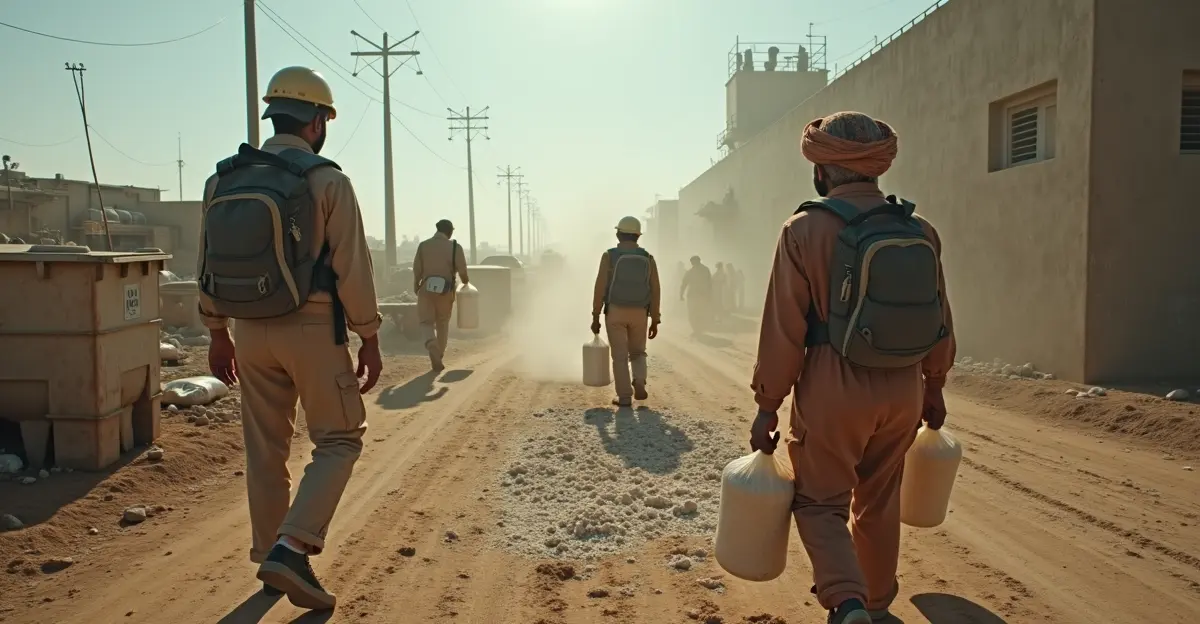
The first domino to fall was energy. The blockade of the Strait of Hormuz halted LNG shipments from Qatar, the world's largest LNG exporter. For South Asian countries like India, Bangladesh, and Pakistan—which rely heavily on Qatari gas to power their fertilizer plants—the impact was immediate. Pakistan sources roughly 99% of its LNG from Qatar. Bangladesh was forced to shut down several fertilizer factories in early March 2026 due to severe gas shortages, as reported by Reuters. India's urea producers began halting operations or advancing maintenance schedules after Qatari gas supplies were disrupted. The Qatar LNG export disruption has reduced domestic fertilizer production in South Asia to about 70% capacity in some areas, according to Agriland.
Fertilizer Price Surge
The second domino was fertilizer prices. Before the crisis, urea traded at $400–$490 per metric ton. By late March 2026, FOB granular urea in Egypt had surged to around $700 per metric ton—a 60% increase. The NDSU Agricultural Trade Monitor's April 2026 report projects that under a "Contested Transit" scenario, urea could peak at $784 per short ton in July 2026 and remain above $700 through November. Unlike the sharp V-shaped spike of 2022, this disruption is projected to cause a slower build with a prolonged plateau, making it harder for farmers to manage through timing alone. The FAO warned on April 14 that global fertilizer prices could average 15–20% higher in the first half of 2026 if the crisis persists.
Impact on Crop Yields and Food Prices
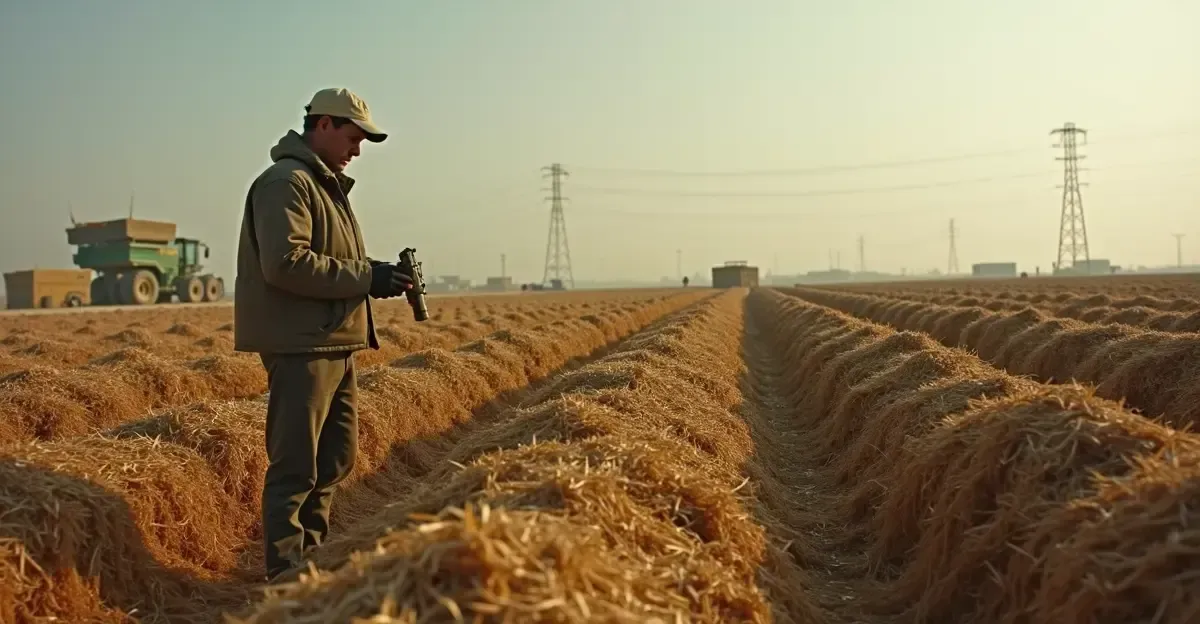
The third domino is crop yields. Farmers facing higher costs and limited fertilizer access may reduce application rates, directly cutting yields of wheat, rice, and maize—the world's three most important staple crops. The Bloomberg Agriculture Spot Index has already climbed to a two-year high, with wheat up about 12% and corn up 6% since the conflict began. The FAO's Chief Economist, Máximo Torero, warned that if the disruption lasts over three months, it could affect global planting decisions for 2026, reducing yields and driving up food prices later in the year and into 2027. The global food price spike 2026 is not yet fully reflected in retail prices, as existing grain stocks have absorbed some of the shock, but FAO economists caution this buffer is short-lived.
The Missing Safety Net: USAID Closure and the 2022 Comparison
What makes the 2026 crisis uniquely dangerous is the absence of the humanitarian safety net that existed during the 2022 Black Sea crisis. In 2022, when Russia's invasion of Ukraine blocked grain exports, the UN and Türkiye brokered the Black Sea Grain Initiative, which helped bring down global food prices by nearly 14% from their March 2022 peak. The US, through USAID, provided billions in emergency food assistance and agricultural support to vulnerable countries. But in 2026, USAID has been largely dismantled. A February 2026 study in The Lancet projects that global aid cuts could lead to at least 9.4 million additional deaths by 2030, including 2.5 million children under five. The Famine Early Warning Systems Network (FEWSNET) and Feed the Future—two critical USAID food security programs—have been paused. The USAID closure impact on food security means that when the fertilizer shock translates into higher food prices and reduced harvests in late 2026, there will be no equivalent of the World Food Programme's emergency scale-up that helped avert famine in 2022.
Vulnerable Regions: South Asia and Africa in the Crosshairs
The countries most exposed to the Hormuz fertilizer trap are those with high dependence on imported fertilizers and limited fiscal space. The FAO identifies Sri Lanka, Bangladesh, India, Egypt, Sudan, and several Sub-Saharan African nations as particularly vulnerable. India, the world's second-largest consumer of urea, relies on imports for about 30% of its needs and is now facing both higher global prices and reduced domestic production. Bangladesh, which already shut down fertilizer factories, may be forced to import at record prices, passing costs to smallholder farmers. In Pakistan, energy rationing has cut fertilizer output, threatening the upcoming Kharif (summer) planting season. The World Food Programme's 2026 Global Outlook estimates that 318 million people already face acute hunger—double pre-pandemic levels—and the fertilizer crisis threatens to push millions more into food insecurity.
Expert Perspectives
"Farmers are facing a dual cost shock: they have more expensive fertilizers alongside rising fuel costs affecting the entire agricultural value chain, including irrigation and transport," said Máximo Torero, FAO Chief Economist, in a March 2026 statement. "If the disruption lasts over three months, it could affect global planting decisions for 2026, reducing yields of wheat, rice, and maize."
David Laborde, an FAO economist, warned that while food prices haven't yet risen due to existing stocks, the shock to energy and fertilizer markets will drive up commodity and retail prices later in 2026 and into 2027. The FAO warning on food crisis 2026 has been echoed by the UN, which on April 14 called for urgent coordinated action including alternative trade corridors, emergency financial support, and diplomatic solutions.
FAQ
What is the Strait of Hormuz fertilizer crisis?
The Strait of Hormuz fertilizer crisis refers to the disruption of global fertilizer trade caused by the US-Iran war that began on February 28, 2026. The strait, through which 20–30% of the world's seaborne fertilizer normally passes, has seen traffic collapse by over 90%, blocking exports of urea, ammonia, and sulfur from Gulf countries.
How much have fertilizer prices increased in 2026?
Urea prices have surged roughly 50–60% from pre-crisis levels of $400–$490 per metric ton to around $700 per metric ton. Under some scenarios, prices could peak above $780 per short ton by mid-2026.
Which countries are most affected by the fertilizer shortage?
South Asian countries including India, Bangladesh, and Pakistan are among the most affected due to their reliance on Qatari LNG for fertilizer production and imported fertilizers. African nations such as Sudan, Egypt, and several Sub-Saharan countries are also highly vulnerable.
How does this crisis compare to the 2022 Black Sea crisis?
While the 2022 Black Sea crisis disrupted grain exports, the 2026 Hormuz crisis disrupts fertilizer inputs, which could have longer-lasting effects on crop yields. Additionally, the 2022 crisis was mitigated by the Black Sea Grain Initiative and robust USAID funding, both of which are absent in 2026.
When will the impact on food prices be felt?
FAO economists warn that while existing grain stocks have kept retail prices stable so far, the impact will likely be felt in late 2026 and into 2027 as reduced fertilizer use translates into lower harvests.
Conclusion: A Perfect Storm in the Making
The Hormuz fertilizer trap represents one of the most urgent intersections of geopolitics, energy, and food security in 2026. With the Northern Hemisphere planting window already open, every day of continued disruption compounds the risk of reduced harvests and higher food prices. The closure of USAID and the absence of a coordinated international response akin to the 2022 Black Sea Grain Initiative mean that the most vulnerable populations have no safety net. As FAO Chief Economist Torero put it, the world faces a potential 'perfect storm'—and the window to avert it is closing fast.



Follow Discussion