


 Deutsch
 English
 Español
 Français
 Nederlands
 Português


 Share
Share




Hormuz Blockade Explained: Africa's Fuel Crisis & Economic Impact 2026
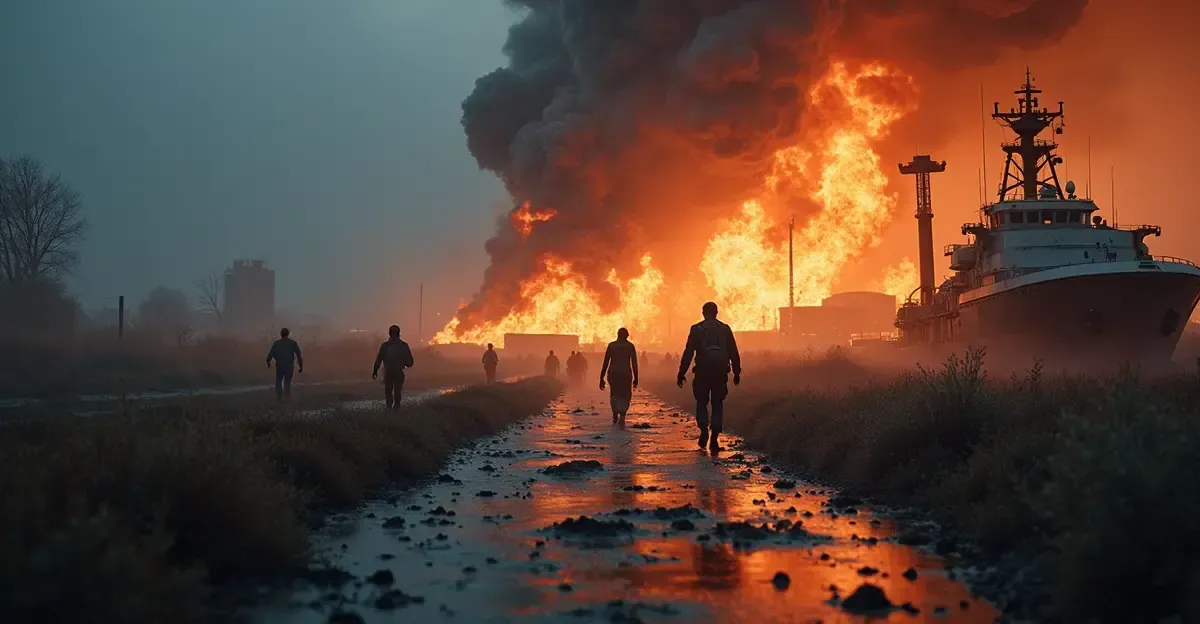
The Strait of Hormuz blockade by Iran in March 2026 has triggered a severe energy crisis across Africa, with fuel shortages, skyrocketing prices, and fertilizer scarcity threatening economic stability and food security across the continent. As approximately 20% of global oil and liquefied natural gas (LNG) shipments normally pass through this critical waterway, the selective blockade has created what the International Energy Agency calls 'the largest supply disruption in the history of the global oil market.'
What is the Strait of Hormuz Blockade?
The Strait of Hormuz is a narrow waterway between the Persian Gulf and the Gulf of Oman that serves as the only sea passage for oil exports from major Gulf producers. In March 2026, Iran implemented a selective blockade, allowing only vessels from 'friendly nations' to pass while denying access to ships linked to the United States, Israel, and their allies. This strategic move has reduced daily traffic from over 100 ships to just 3-4 vessels on some days, with around 2,000 ships currently waiting for clearance.
'Doordat brandstof en kunstmest schaarser wordt, stijgen de prijzen. En door die stijgingen worden ook voedsel, vervoer en andere soorten goederen duurder,' explains Maddalena Procopio of the European Council on International Relations, who specializes in Africa's energy sector.
How Africa is Being Impacted
Fuel Shortages and Price Spikes
African nations are experiencing immediate fuel shortages as their primary supply routes through the Strait of Hormuz have been disrupted. Normally, significant quantities of refined petroleum products like gasoline and diesel flow from the Middle East to African ports. With ships unable to pass through the blockade, countries face:
- Long queues at petrol stations across major cities
- Fuel rationing and panic buying
- Price increases of 40-50% for refined petroleum products
- Power outages and electricity rationing in some regions
The situation varies significantly across the continent. While oil-producing nations like Nigeria may benefit from higher global prices, fuel-importing countries face severe challenges. Similar to the 2025 global energy crisis, this disruption exposes Africa's vulnerability to global supply chain shocks.
Fertilizer Crisis Threatens Food Security
Beyond fuel, Africa faces a critical fertilizer shortage that threatens agricultural production and food security. Approximately 90% of Africa's fertilizer needs are imported, primarily from the Middle East. With shipments blocked, farmers face:
- Fertilizer prices have doubled or tripled in some markets
- Planting seasons are being disrupted
- Reduced crop yields expected in coming harvests
- Increased food prices and potential shortages
'Een zak kunstmest is stukken duurder geworden,' says Procopio. 'En dat terwijl juist in dit seizoen gezaaid moet worden. Uiteindelijk zullen boeren minder oogsten, en dus minder voedsel kunnen verkopen.'
Government Responses Across Africa
African governments are implementing various emergency measures to mitigate the crisis:
| Country | Emergency Measures | Impact |
|---|---|---|
| Zimbabwe | Increasing ethanol content in petrol from 5% to 20% | Reduces fuel imports but requires agricultural adjustment |
| Zambia | Zero VAT on petrol and diesel | Temporary price relief for consumers |
| Ethiopia | Fuel subsidies and priority for essential services | Maintains critical operations but strains budget |
| South Africa | Guaranteed fuel reserves and anti-hoarding measures | Prevents panic but faces long-term supply challenges |
| Nigeria | Increasing domestic refining at Dangote refinery | Reduces import dependence but requires infrastructure |
Opportunities Amid the Crisis
While the immediate impacts are severe, the crisis presents opportunities for Africa to reduce its energy dependence. According to energy experts, several strategic shifts could emerge:
- Domestic Refining Expansion: Nigeria's Dangote refinery, with capacity of 650,000 barrels per day, could reduce Africa's dependence on imported refined products. South Africa, Ghana, and Kenya are already negotiating supply contracts.
- Local Fertilizer Production: Developing domestic fertilizer manufacturing could insulate African agriculture from global supply shocks.
- Renewable Energy Investment: The crisis accelerates investment in solar, wind, and green hydrogen projects across the continent.
- Regional Energy Integration: Improved cross-border energy infrastructure could enhance resilience against global disruptions.
Selene Law of the Energy Institute notes: 'Er is jarenlang te weinig geïnvesteerd in de sector en de infrastructuur is niet voldoende ontwikkeld.' This crisis highlights the urgent need for infrastructure investment.
Long-Term Implications for Africa
The Strait of Hormuz blockade exposes fundamental vulnerabilities in Africa's energy security architecture. With limited domestic refining capacity and heavy dependence on imported fertilizers, the continent remains highly susceptible to global geopolitical shocks. However, similar to the European energy transition strategies, this crisis could catalyze significant changes:
- Accelerated investment in domestic energy infrastructure
- Diversification of energy sources and supply routes
- Strengthened regional cooperation on energy security
- Policy reforms to support energy independence
The economic impacts are already being felt across sectors. Transportation costs are rising, manufacturing faces energy constraints, and food prices are increasing. As Procopio warns: 'Schaarste en de bijbehorende stijging van brandstofprijzen kunnen leiden tot onrust en protesten.'
Frequently Asked Questions
What is the Strait of Hormuz?
The Strait of Hormuz is a narrow waterway between the Persian Gulf and Gulf of Oman that serves as the only sea passage for oil exports from major Gulf producers. Approximately 20% of global oil and 25% of LNG shipments pass through this strategic choke point.
How long will the blockade last?
The duration remains uncertain and depends on geopolitical developments in the Middle East. Iran has implemented a selective blockade rather than complete closure, creating unpredictable shipping delays and security risks.
Which African countries are most affected?
East and Southern African nations are particularly vulnerable, with about 75% of their refined-fuel imports coming from the Middle East. Fuel-importing countries without domestic refining capacity face the most severe shortages.
Can Africa produce its own fuel?
Yes, but infrastructure limitations constrain production. Nigeria's Dangote refinery represents a major step toward energy independence, but most African countries lack sufficient refining capacity to meet domestic demand.
What are the food security implications?
The fertilizer shortage threatens agricultural production across Africa. With 90% of fertilizer imported and planting seasons disrupted, reduced crop yields could lead to food price inflation and potential shortages in coming months.




Follow Discussion