


 Deutsch
 English
 Español
 Français
 Nederlands
 Português


 Share
Share




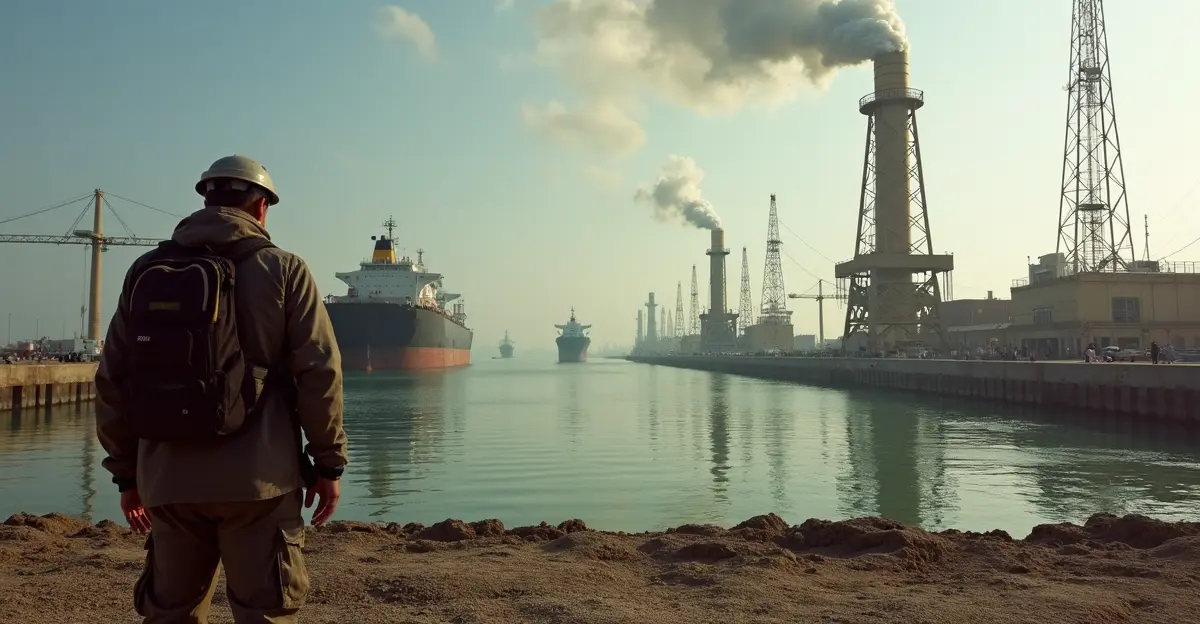
The Strait of Hormuz, the world's most critical maritime energy chokepoint, has been effectively closed since February 28, 2026, following the outbreak of military conflict between Iran, the United States, and Israel. This unprecedented disruption has removed nearly 20% of global oil supply from markets—a shock three to five times larger than the 1973 oil embargo—and is now reshaping global energy security, supply chains, and geopolitical alliances in ways not seen since the 1970s energy crisis.
How the Strait of Hormuz Closure Unfolded
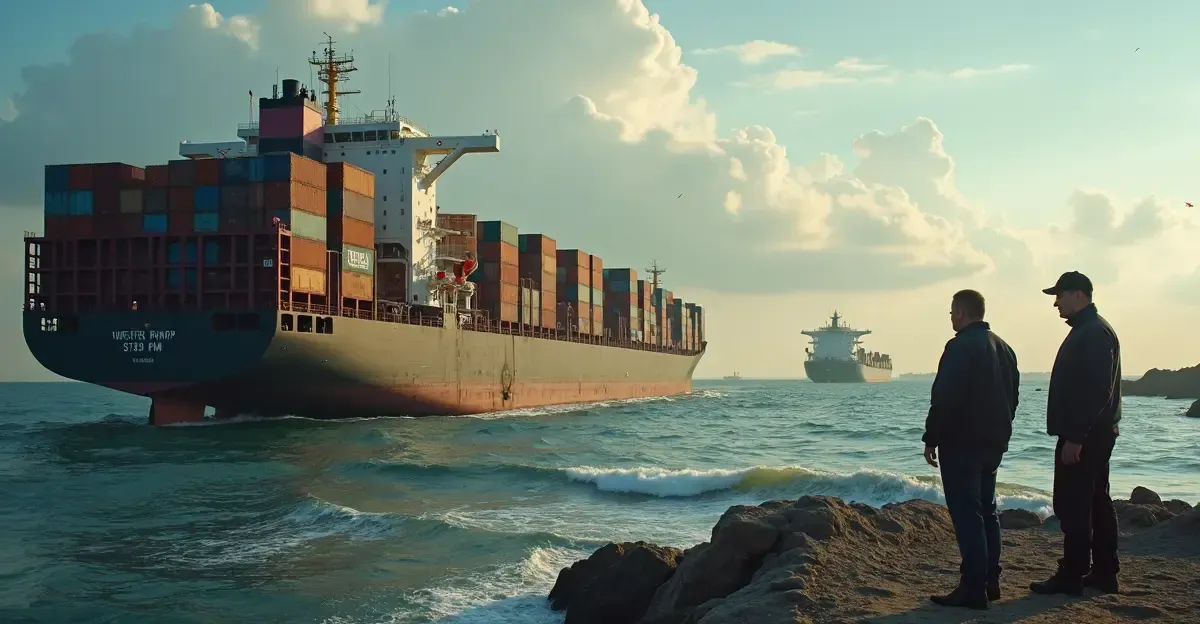
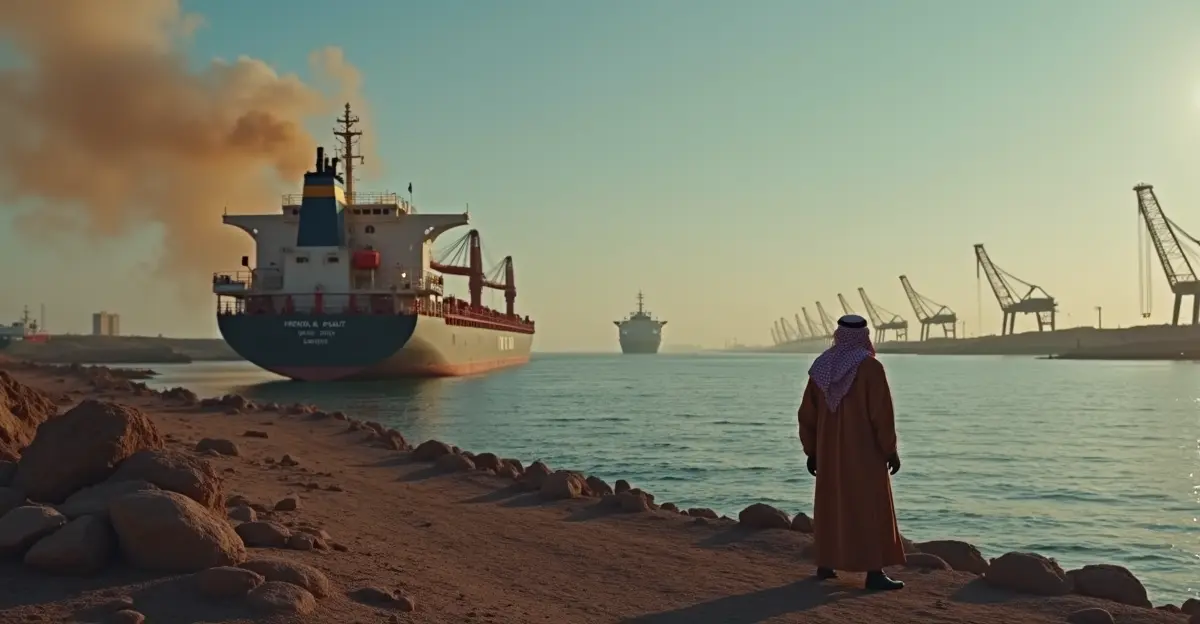
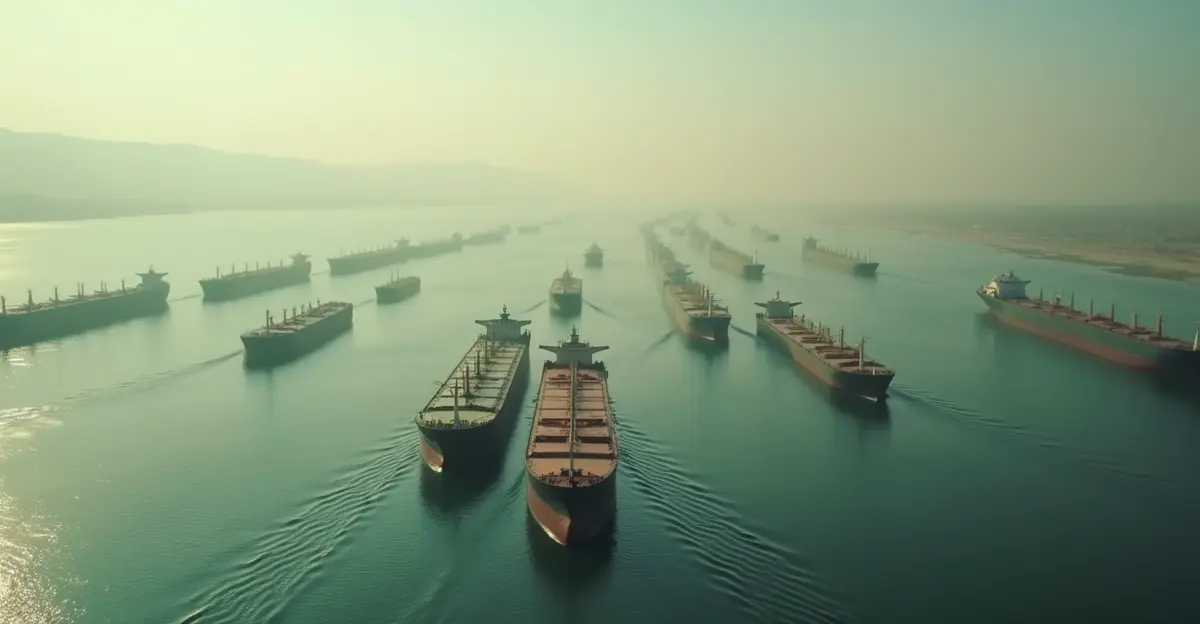
The crisis began when U.S. and Israeli forces launched an air campaign against Iran, assassinating Supreme Leader Ali Khamenei. In retaliation, Iran's Islamic Revolutionary Guard Corps (IRGC) warned against passage through the strait, attacked merchant vessels, and laid sea mines. By early March, tanker traffic had dropped by roughly 70%, and within weeks traffic fell to near zero. The IRGC formally announced the strait closed to vessels going to and from ports of the U.S., Israel, and their allies. By April 21, the International Maritime Organization reported about 20,000 mariners and 2,000 ships stranded in the Persian Gulf.
A temporary ceasefire in early April briefly raised hopes of reopening, but Iran began charging tolls exceeding $1 million per ship. After the failure of the Islamabad Talks, the U.S. Navy imposed its own blockade of Iranian ports from April 13, creating what The Guardian described as a "dual blockade." The 2026 Iran-US conflict remains unresolved, with President Trump launching Operation Project Freedom on May 4 to escort merchant ships—only to pause it two days later amid negotiations.
Macroeconomic Fallout: Dallas Fed Scenarios
The Dallas Federal Reserve has modeled the economic impact across three closure scenarios. Under a one-quarter closure, West Texas Intermediate (WTI) oil prices would rise to $98 per barrel, and annualized global real GDP growth would fall by 2.9 percentage points in Q2 2026. A two-quarter closure would push oil to $115 per barrel, while a three-quarter scenario could drive prices to $132 per barrel by year-end, with negative growth persisting through 2026. Even after reopening, global GDP levels would remain below pre-closure levels for years.
The Dallas Fed Energy Survey's Q1 2026 update, based on responses from 120 oil and gas firms, found that only 20% of executives expect normalization by May, while 39% anticipate recovery by August, with others pointing to late 2026 or beyond. Nearly half (48%) said future disruptions are "very likely" within five years. Shipping costs from the Persian Gulf are expected to remain elevated at $2–$4 per barrel post-conflict.
Oil Price Shock and Inflation
Brent crude surpassed $100 per barrel on March 8 for the first time in four years, peaking at $126 per barrel. The largest-ever monthly increase in oil prices occurred in March 2026. The IMF's April 2026 Regional Economic Outlook warns that the crisis is fueling inflation across the Middle East, Central Asia, and beyond, with food and transport costs rising sharply. The global inflation outlook 2026 has been revised upward by most central banks.
Beyond Oil: The Commodity Supply Chain Crisis
The Strait of Hormuz closure has severed trade in far more than crude oil. According to the World Economic Forum and the Atlantic Council, the crisis has disrupted nine key non-oil commodities, creating cascading effects across global industries.
Fertilizers and Food Security
The Gulf region accounts for 46% of global urea trade and roughly one-third of seaborne fertilizer exports. Qatar's QAFCO—the world's largest urea exporter, supplying 14% of global urea—has been offline for nearly a month after Iranian strikes. Egyptian urea prices have surged over 60% to $780 per tonne. The Carnegie Endowment warns that fertilizer producers in India, Bangladesh, and Pakistan have shut down due to lost gas supplies from Qatar. The UN warns that up to 9.1 million additional people in Asia could face acute food insecurity, with countries like Pakistan, Sri Lanka, Bangladesh, Nepal, and the Philippines most vulnerable.
Helium and Semiconductor Manufacturing
Qatar supplies roughly one-third of global helium, a critical and non-substitutable input for semiconductor fabrication, MRI machines, and advanced manufacturing. Iranian strikes on Qatar's Ras Laffan facility triggered force majeure, cutting off a third of the world's supply. South Korea sourced 65% of its helium from Qatar in 2025, and Taiwan's dependency on GCC countries reached 69% in 2024. Approximately 200 specialized cryogenic helium containers remain stranded in the strait. Spot helium prices have doubled, DRAM pricing has surged, and enterprise PC prices have risen 15–20%. Industry leaders like SK Hynix and Samsung expect shortages into 2027. The semiconductor supply chain crisis 2026 is now a top concern for tech executives globally.
Aluminum and Industrial Metals
GCC countries produced about 6.16 million tonnes of primary aluminum in 2025—roughly 8.35% of global supply. The "Weekend of Fire" strikes damaged major smelters in the UAE and Bahrain, including Emirates Global Aluminium's Al Taweelah plant and Alba, which declared force majeure. LME aluminum prices have surged past $3,500 per tonne, with analysts warning prices could test $4,000 per tonne by Q2 2026. Europe, which holds around a 20% import dependency on Middle Eastern supply, faces structural deficits. Rotterdam premiums jumped to $300–340 per tonne, and US Midwest premiums rose to 104–107 cents per pound.
Other Critical Commodities
The crisis has also disrupted trade in sulfur (half of global seaborne supply passes through the strait), methanol, monoethylene glycol (MEG) for textiles and packaging, iron ore and steel pellets, and green hydrogen infrastructure. The global supply chain diversification 2026 push has accelerated as governments treat access to critical inputs as a matter of economic and national security.
Geopolitical Realignment and Energy Security
The Strait of Hormuz crisis is driving a fundamental geopolitical realignment. The Atlantic Council notes that wealthier nations can outbid others for remaining supplies, while vulnerable populations face shortages not as a policy choice but as a consequence of limited supply. The UN warns that humanitarian operations in Afghanistan, Myanmar, and Bangladesh face rising logistics costs, fuel rationing, and pipeline breaks, threatening to scale back aid just as demand accelerates.
For Africa, the crisis presents a double-edged sword: crude oil exporters like Nigeria, Angola, and Ghana could see higher export earnings, but they also confront fuel price hikes—Nigeria's petrol prices have risen by about 47% cumulatively over six weeks. The African Climate Wire argues the crisis could accelerate renewable energy adoption, as clean electricity already accounts for 25% of generation, with solar capacity growing 54% in 2025.
The energy security policies 2026 being adopted by major economies include strategic petroleum reserve releases, accelerated renewable investments, and new shipping route diversification. The crisis has exposed the fragility of just-in-time supply chains and the over-reliance on a single maritime chokepoint.
Expert Perspectives
"This is the largest supply disruption in the history of the global oil market," the World Economic Forum stated in its April 2026 analysis. "Securing access to critical inputs is increasingly treated as a matter of economic and national security."
Majid Rafizadeh, a political analyst cited by Wikipedia, notes that Iran is violating the United Nations Convention on the Law of the Sea, which it has not ratified. The UNCTAD has published official documents warning of severe growth and financial implications for developing economies.
Frequently Asked Questions
What caused the Strait of Hormuz closure in 2026?
The closure followed a U.S.-Israeli air campaign against Iran on February 28, 2026, which assassinated Supreme Leader Ali Khamenei. Iran retaliated by attacking vessels, laying sea mines, and formally closing the strait to ships going to and from U.S., Israeli, and allied ports.
How much oil passes through the Strait of Hormuz?
Under normal conditions, about 20.9 million barrels per day—roughly 20% of global petroleum consumption—passes through the strait, along with 20% of the world's liquefied natural gas (LNG).
What is the economic impact of the closure?
The Dallas Federal Reserve estimates that a one-quarter closure would reduce annualized global GDP growth by 2.9 percentage points in Q2 2026. A three-quarter closure could push oil prices to $132 per barrel and keep growth negative through year-end.
Which commodities are most affected beyond oil?
The crisis has severely disrupted trade in LNG, fertilizers (urea and ammonia—46% of global urea trade), helium (33% of global supply), sulfur, methanol, aluminum, and feedstocks for semiconductors and EV batteries.
How long is the Strait of Hormuz expected to remain closed?
According to the Dallas Fed Energy Survey, only 20% of oil and gas executives expect normalization by May 2026, while 39% expect recovery by August. Others point to late 2026 or beyond, and nearly half say future disruptions are "very likely" within five years.
Conclusion: A New Era of Supply Chain Fragility
The Strait of Hormuz closure of 2026 is not merely an energy crisis—it is a systemic shock to the global economy that has exposed the fragility of just-in-time supply chains, the over-concentration of critical commodity production in geopolitically volatile regions, and the urgent need for diversification. As the world grapples with the fallout, the lessons of 2026 will likely reshape trade policy, energy investment, and geopolitical alliances for decades to come. The geopolitical risk assessment 2026 from major institutions underscores that this crisis may be a watershed moment for global economic governance.

Follow Discussion