


 Deutsch
 English
 Español
 Français
 Nederlands
 Português


 Share
Share




What is Geopolitical Instability as Systemic Risk?
Geopolitical instability has emerged as the dominant systemic risk in global economics following the February 2026 conflicts, fundamentally altering how executives and policymakers assess economic vulnerabilities. According to McKinsey's March 2026 Global Survey, 72% of global executives now identify geopolitical instability as their top economic concern, a dramatic increase from 51% just months earlier. This seismic shift represents more than a temporary market reaction—it signals a structural transformation in global risk perception that will reshape corporate strategy, investment allocation, and international policy coordination for years to come.
The February 2026 Geopolitical Shockwaves
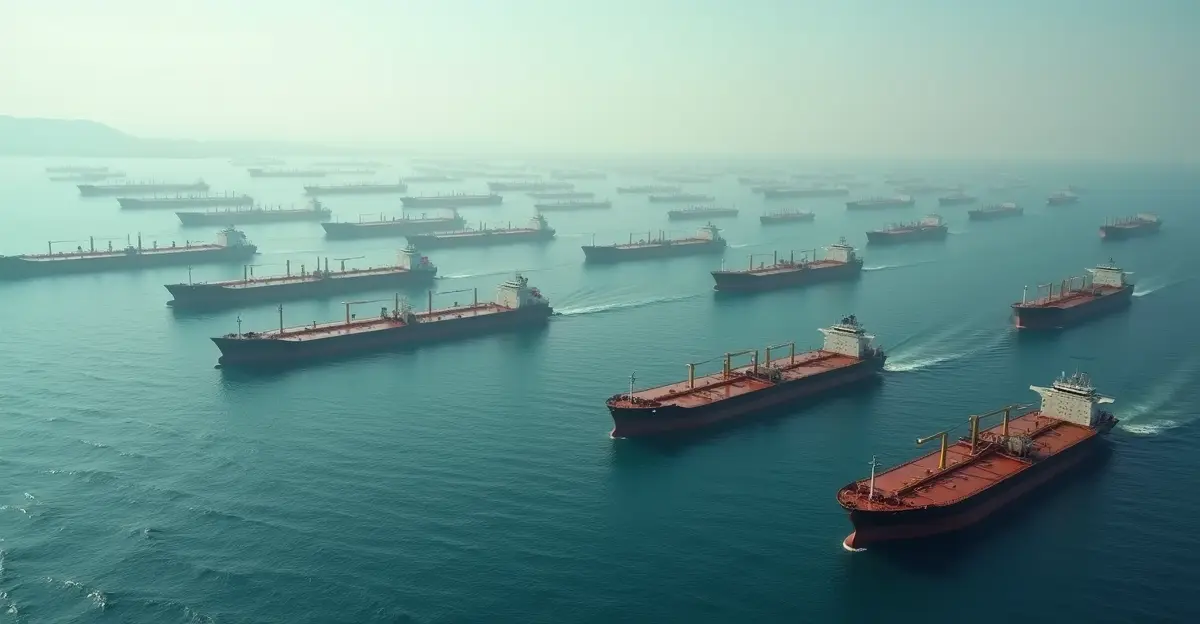
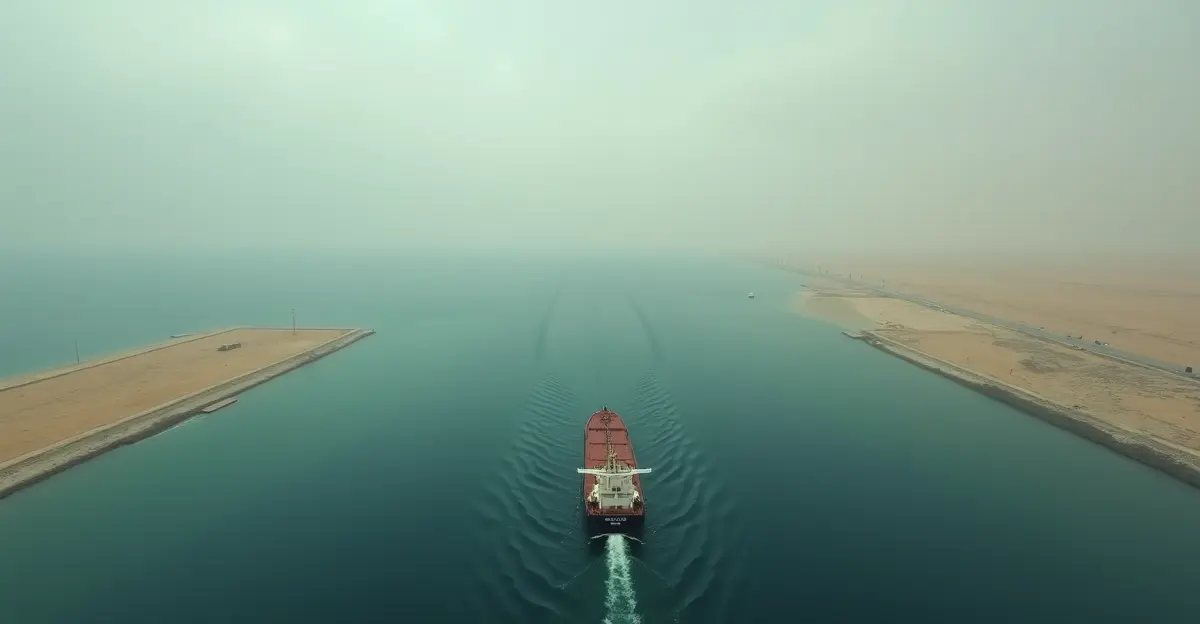
The late-February 2026 conflicts, particularly the Middle East escalation leading to the Strait of Hormuz closure on March 4, 2026, created what the International Energy Agency has characterized as the 'largest supply disruption in the history of the global oil market.' This crisis triggered cascading effects across multiple economic dimensions, exposing vulnerabilities in the global system that had been underestimated during years of relative stability. The 2026 Iran war and subsequent maritime blockade caused Brent Crude to surge past $120 per barrel, European gas prices to nearly double, and severe food import disruptions across Gulf Cooperation Council states where 70% of food imports were disrupted by mid-March.
Energy Market Disruption and Economic Contagion
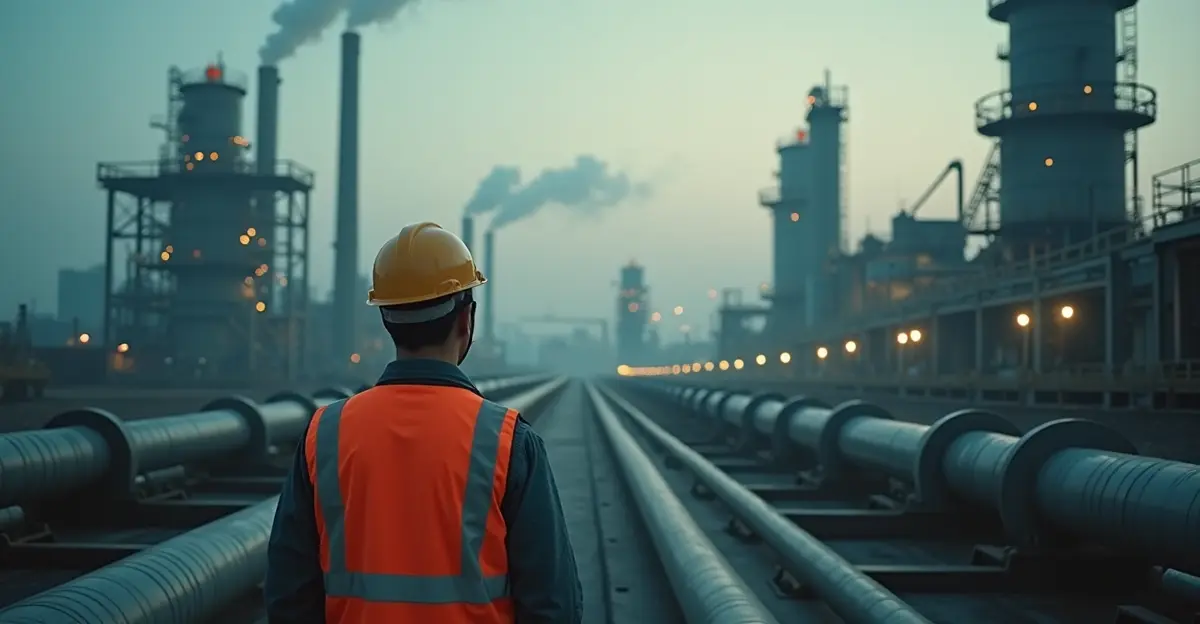
The energy market impacts have been particularly severe. Oil production from Kuwait, Iraq, Saudi Arabia, and the United Arab Emirates collectively dropped by at least 10 million barrels per day by March 12, 2026. European gas storage levels, already at just 30% capacity following a harsh 2025–2026 winter, faced critical shortages as Dutch TTF gas benchmarks surged to over €60/MWh. This energy crisis has forced the European Central Bank to postpone planned interest rate reductions and revise inflation forecasts upward, with economists warning of potential technical recessions in energy-intensive economies if the blockade persists.
Supply Chain Resilience Tested to Breaking Point
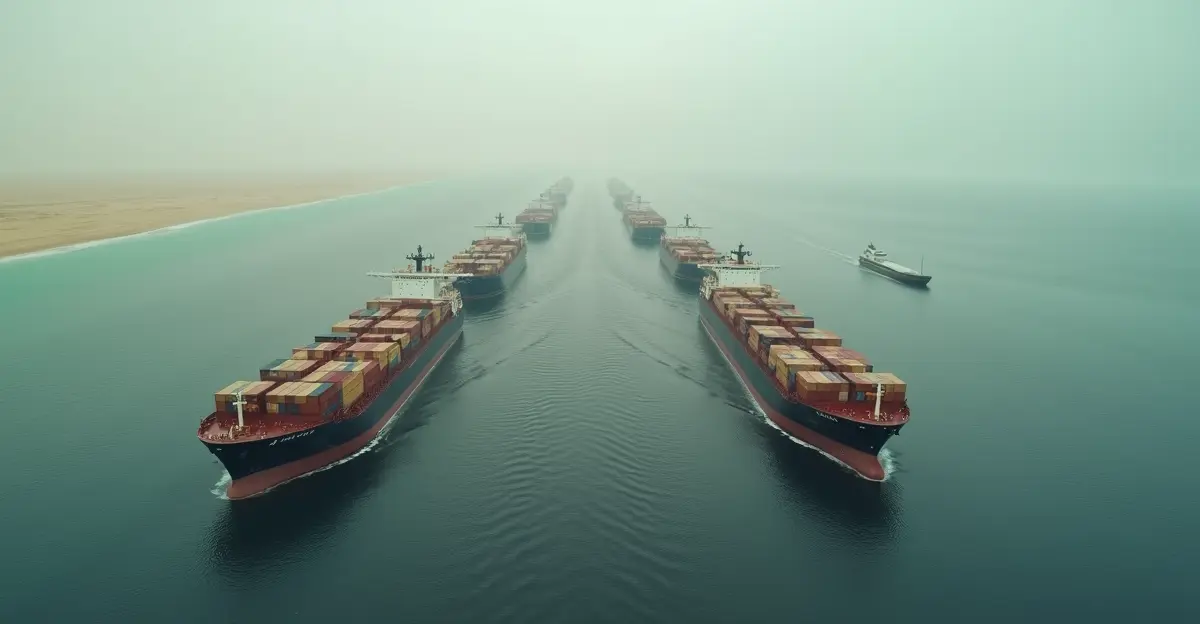
The supply chain implications extend far beyond energy. The maritime blockade has triggered what analysts describe as a 'grocery supply emergency' across Gulf states, which rely on the Strait of Hormuz for over 80% of their caloric intake. Retailers like Lulu Retail have been forced to airlift staples, resulting in consumer price spikes of 40–120%. Meanwhile, European industrial manufacturers in chemical and steel sectors have imposed surcharges up to 30% to offset soaring electricity and feedstock costs, potentially leading to permanent deindustrialization in some regions. These disruptions highlight the interconnected nature of modern global supply chains and their vulnerability to geopolitical shocks.
Executive Sentiment: A Fundamental Shift in Risk Perception
McKinsey's March 2026 Global Survey data reveals a profound transformation in how business leaders perceive economic threats. The 21-percentage-point jump in executives citing geopolitical instability as their primary concern—from 51% to 72%—marks the first time this risk category has overtaken traditional concerns like trade policy and inflation. This shift reflects growing recognition that geopolitical factors now represent systemic rather than isolated risks, with potential to disrupt multiple economic sectors simultaneously.
From Market Reaction to Structural Change
What distinguishes the current situation from previous geopolitical crises is the recognition that this represents a structural rather than cyclical change. The World Economic Forum's Global Risks Report 2026 had already identified geoeconomic confrontation as the top short-term risk, but the February events accelerated this trend dramatically. As one analyst noted, 'The Gulf states are unlikely to sustain high levels of investment spending during or after the war,' suggesting long-term economic consequences that extend beyond immediate disruptions.
Strategic Implications for Corporate Planning
The new risk landscape demands fundamental rethinking of corporate strategy across several dimensions. Organizations are responding with enhanced geopolitical intelligence capabilities, accelerated supply chain diversification, and more robust scenario planning that incorporates multiple geopolitical contingencies. The EU Green Deal and energy transition initiatives have gained renewed urgency as companies seek to reduce dependence on volatile regions.
Investment Allocation in a Fragmented World
Investment strategies are undergoing significant recalibration. Traditional assumptions about stable returns from emerging markets are being questioned, while safe-haven assets and domestic infrastructure investments are gaining appeal. The crisis has exposed what Deutsche Welle described as 'a deep-seated fragility beneath the facade of the Gulf's rapid economic transformation,' forcing investors to reassess risk premiums across entire regions.
International Policy Coordination Challenges
The fragmented global response to the February conflicts highlights challenges in international policy coordination. With 68% of World Economic Forum respondents expecting a more fragmented global political environment, and only 6% anticipating revival of multilateral institutions, the prospects for coordinated action appear limited. This fragmentation complicates efforts to address systemic risks that transcend national borders, from energy security to climate policy coordination.
Expert Perspectives on the New Risk Paradigm
Industry experts emphasize that the February 2026 events represent a watershed moment. 'This isn't just another market correction—it's a fundamental reordering of how we think about economic risk,' notes Daniel Takahashi, author of the analysis. 'Executives who previously viewed geopolitics as background noise now recognize it as the primary driver of economic outcomes.' The EY-Parthenon Geostrategic Business Group's March 2026 analysis similarly highlights how governments worldwide are treating critical assets as national security priorities, leading to market fragmentation that complicates global business operations.
FAQ: Geopolitical Instability as Systemic Risk
What percentage of executives now cite geopolitical instability as their top economic risk?
According to McKinsey's March 2026 Global Survey, 72% of global executives identify geopolitical instability as their primary economic concern, up from 51% just months earlier.
What triggered the shift in executive sentiment in February 2026?
The Middle East escalation and Strait of Hormuz closure on March 4, 2026, created the largest oil supply disruption in history, causing Brent Crude to surge past $120 per barrel and exposing systemic vulnerabilities.
How has the energy market been affected?
Oil production dropped by at least 10 million barrels per day, European gas prices nearly doubled, and the European Central Bank postponed interest rate reductions due to inflation concerns.
What are the long-term implications for corporate strategy?
Companies must enhance geopolitical intelligence, diversify supply chains, accelerate energy transition initiatives, and incorporate multiple geopolitical scenarios into strategic planning.
How does this differ from previous geopolitical crises?
This represents a structural rather than cyclical change, with recognition that geopolitical factors now represent systemic risks capable of disrupting multiple economic sectors simultaneously.
Conclusion: Navigating the New Risk Landscape
The February 2026 conflicts have fundamentally altered the global economic risk calculus, establishing geopolitical instability as the new systemic risk that transcends traditional market boundaries. As organizations adapt to this new reality, success will depend on developing more sophisticated risk assessment frameworks, building greater resilience into operations, and recognizing that in an increasingly fragmented world, geopolitical foresight has become as critical as financial acumen. The events of February 2026 serve as a stark reminder that in today's interconnected global economy, political stability can no longer be taken for granted—it must be actively managed as a core component of economic strategy.


Follow Discussion