


 Deutsch
 English
 Español
 Français
 Nederlands
 Português


 Share
Share




The 2026 Geopolitical Shock: How Middle East Escalation Reshaped Global Economic Sentiment
In a dramatic shift that has redefined global risk perceptions, the February 28, 2026 Middle East escalation has transformed executive sentiment worldwide, with 72% of global business leaders now citing geopolitical instability as their top economic concern. This single event, involving joint U.S.-Israeli strikes on Iran and subsequent retaliatory actions, has created what experts are calling the most significant geopolitical realignment since the Cold War, fundamentally altering corporate strategy and economic outlooks across every major market.
What Happened on February 28, 2026?
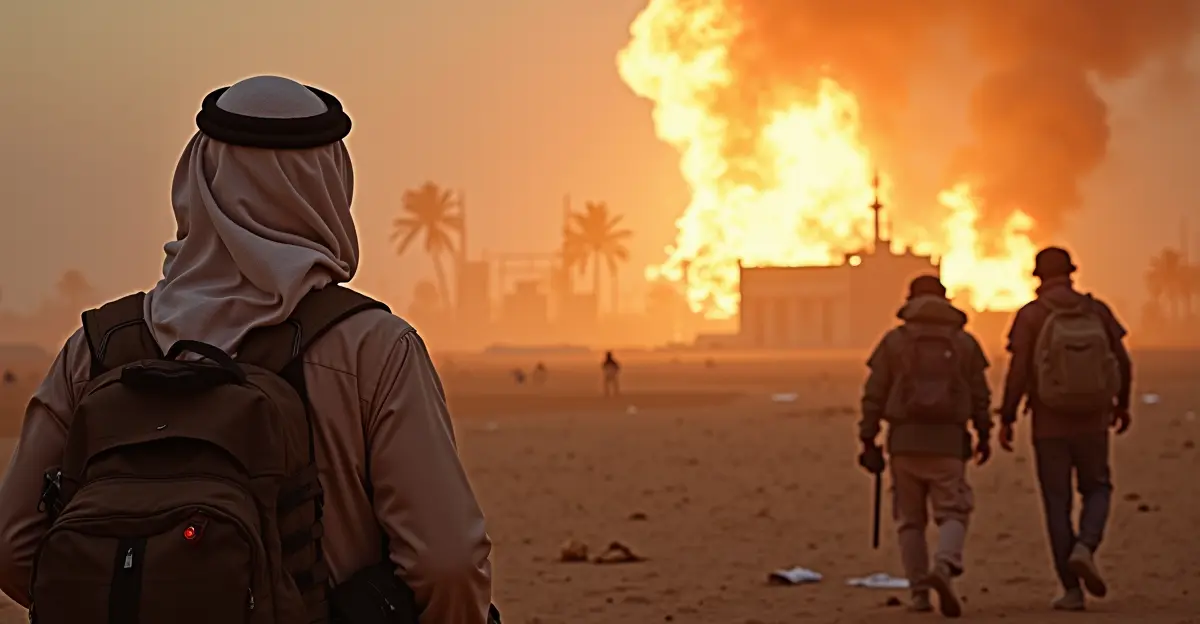
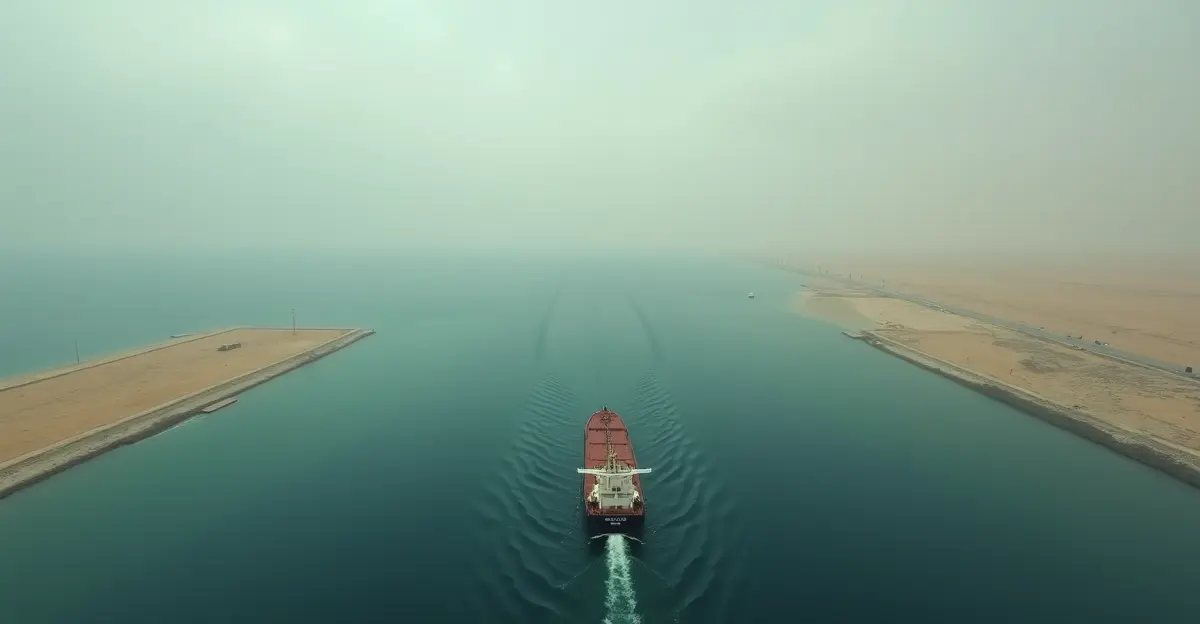
The crisis began with Operation Roaring Lion/Epic Fury, a coordinated military campaign by U.S. and Israeli forces targeting Iranian leadership and infrastructure. The strikes resulted in the death of Iran's Supreme Leader Ali Khamenei and triggered immediate retaliatory missile barrages across Israel and U.S. regional bases. Within days, Iran's Islamic Revolutionary Guard Corps (IRGC) issued warnings prohibiting vessel passage through the critical Strait of Hormuz, effectively halting shipping traffic through the world's most important oil chokepoint. By March 4, 2026, the strait was effectively closed, disrupting approximately 20% of global daily oil supply and creating the largest energy supply disruption since the 1970s oil crisis.
The Sentiment Shift: From Survey Data to Strategic Reality
According to McKinsey's March 2026 Global Survey of over 1,500 executives worldwide, the escalation triggered an unprecedented shift in risk perception. The 72% figure represents a dramatic increase from just 42% in January 2026, marking the fastest sentiment shift ever recorded in the survey's history. "We've never seen risk perceptions change this rapidly," noted a senior McKinsey partner who spoke on condition of anonymity. "What took years to develop during previous crises has unfolded in weeks. This represents a fundamental rewiring of how global business leaders assess their operating environment."
Key Impact Areas: Energy, Supply Chains, and Market Psychology
The crisis has manifested across three critical dimensions:
- Energy Price Volatility: Brent crude oil prices surged past $100 per barrel on March 8, 2026, for the first time in four years, eventually peaking at $126 per barrel. European natural gas prices nearly doubled, creating immediate inflationary pressures across energy-intensive industries.
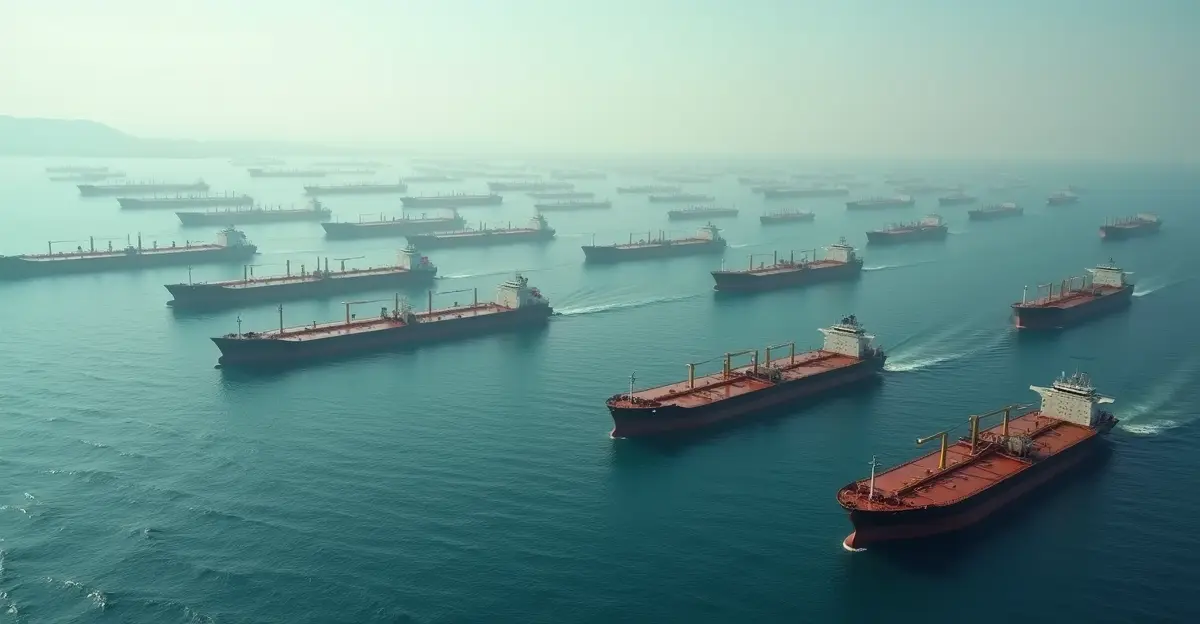
- Supply Chain Disruption: Worries about supply chain disruptions doubled from pre-crisis levels, with major shipping firms suspending operations in the region and over 150 vessels anchoring outside the Strait of Hormuz to avoid risks. The maritime blockade created what analysts termed a 'grocery supply emergency' across Gulf states, disrupting 70% of food imports and causing 40-120% price spikes.
- Divergent Outlooks: A fascinating paradox emerged: while global economic outlooks turned sharply pessimistic, company-level optimism remained relatively stable. This divergence suggests that businesses are adapting to volatility while maintaining confidence in their operational resilience.
Strategic Implications for Multinational Corporations
The escalation has forced a fundamental rethinking of corporate strategy across several key areas:
Energy Market Calculus
With the Strait of Hormuz handling approximately 20 million barrels of oil daily (representing 20% of global seaborne oil trade), the closure has exposed systemic vulnerabilities in global energy security. European manufacturers have imposed 30% surcharges, potentially leading to permanent deindustrialization in energy-intensive sectors. Companies are now accelerating energy transition initiatives and diversifying energy sources at unprecedented rates.
Supply Chain Resilience Planning
The World Economic Forum had already warned in January 2026 that global supply chains had entered an era of structural volatility, but the Middle East escalation has accelerated this trend exponentially. Organizations are responding with enhanced supply chain visibility, accelerated diversification strategies, and strengthened third-party risk management. According to the Forum's data, $400 billion in trade flows were reshuffled due to tariff escalations in 2025, and container shipping costs increased 40% year-on-year even before the February crisis.
The New Geopolitical Intelligence Imperative
Businesses are now investing heavily in geopolitical intelligence capabilities, moving beyond traditional risk assessment to real-time monitoring and scenario planning. The hybrid nature of the conflict—combining kinetic military strikes with unprecedented cyber warfare—has created a complex threat landscape requiring specialized expertise. The CloudSEK situation report documented over 150 hacktivist incidents during the escalation, highlighting global spillover risks affecting energy, finance, IT, and critical infrastructure sectors worldwide.
Long-Term Economic Consequences
The February 2026 escalation represents more than a temporary disruption; it signals a structural shift in global economic dynamics. Several long-term consequences are already emerging:
- Resilience as Competitive Advantage: Organizations that can adapt quickly to geopolitical volatility are gaining market share, transforming resilience from a cost center to a strategic differentiator.
- Regional Economic Realignment: The crisis has accelerated trends toward regional supply chains and energy independence, particularly in Europe and Asia.
- Investment Strategy Recalibration: Capital allocation is shifting toward markets perceived as geopolitically stable, with increased premiums for political risk insurance.
- Regulatory Response: Governments worldwide are reevaluating strategic reserves and emergency response mechanisms, with the U.S. launching a $12 billion strategic minerals reserve to counter China's dominance in critical materials.
Expert Perspectives on the New Normal
Industry leaders and analysts emphasize that the February 2026 events represent a watershed moment. "We've crossed a threshold where geopolitical risk is no longer an external factor to be managed but a core component of business strategy," explained Dr. Anya Petrova, director of the Global Risk Institute. "The organizations that thrive in this new environment will be those that build geopolitical muscle into their DNA—not just through monitoring, but through systematic adaptation capabilities."
The crisis has also highlighted the interconnected nature of modern threats. The combination of kinetic military action, cyber warfare, economic pressure, and information operations creates compound risks that traditional risk management frameworks struggle to address. This complexity is forcing organizations to develop more sophisticated, integrated approaches to threat assessment and mitigation.
Frequently Asked Questions
What exactly happened on February 28, 2026?
Joint U.S.-Israeli military strikes targeted Iranian leadership and infrastructure, resulting in the death of Iran's Supreme Leader Ali Khamenei. Iran retaliated with missile attacks and subsequently closed the Strait of Hormuz to shipping, disrupting 20% of global oil supply.
How has business sentiment changed since the escalation?
McKinsey's March 2026 survey shows 72% of global executives now identify geopolitical instability as their top economic concern, up from 42% in January. This represents the fastest sentiment shift ever recorded in the survey's history.
What are the main economic impacts of the Strait of Hormuz closure?
The closure caused Brent crude to surge past $120 per barrel, European gas prices to nearly double, and created supply chain disruptions affecting food, fertilizer, and industrial goods. Over 150 ships were stranded outside the strait, and shipping costs increased dramatically.
How are companies responding to the new geopolitical reality?
Organizations are enhancing geopolitical intelligence, diversifying supply chains, accelerating energy transitions, building financial resilience, and incorporating scenario planning into strategic decision-making.
Is this a temporary disruption or a permanent shift?
Experts believe this represents a structural shift in global economic dynamics, with geopolitical risk becoming a permanent, core component of business strategy rather than an external factor to be managed.
Conclusion: Navigating the New Geopolitical Landscape
The February 2026 Middle East escalation has fundamentally reshaped global economic sentiment, creating what may become known as the 'geopolitical shock' that redefined 21st-century business strategy. As 72% of global executives now prioritize geopolitical stability, organizations face both unprecedented challenges and opportunities. Those that can build adaptive resilience, develop sophisticated geopolitical intelligence capabilities, and maintain operational flexibility in volatile environments will likely emerge stronger. The events of late February 2026 have made clear that in an interconnected world, geopolitical events are no longer distant concerns but immediate business imperatives requiring proactive, strategic responses.



Follow Discussion