


 Deutsch
 English
 Español
 Français
 Nederlands
 Português


 Share
Share




What is the Iran War Crisis?
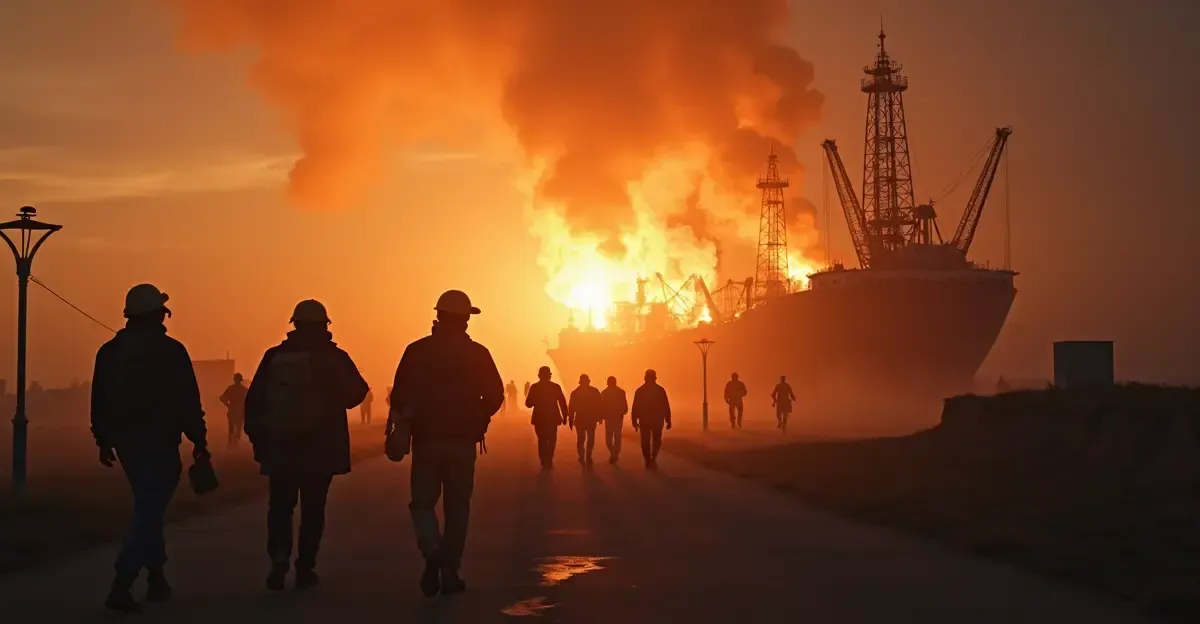
The ongoing conflict between the United States, Israel, and Iran has entered its twelfth day with escalating military confrontations and growing diplomatic divisions across the Middle East. While the United States, Israel, and Iran remain entrenched in what US Defense Secretary Hegseth called 'the most intense day' of aerial attacks, Gulf Cooperation Council (GCC) states including Qatar, the United Arab Emirates, Saudi Arabia, and others are urgently calling for immediate diplomatic negotiations to end the conflict. The situation has reached a critical juncture as Iran continues aggressive attacks on commercial and civilian targets throughout the region while maintaining its blockade of the strategically vital Strait of Hormuz shipping route.
Military Escalation vs. Diplomatic Desperation
The conflict has created a stark divide between military actors and regional neighbors caught in the crossfire. Iranian leaders have explicitly rejected ceasefire negotiations, with Iranian Parliament Speaker stating, 'We find that the aggressor must receive a blow to the face so he will never consider attacking our beloved Iran again.' Meanwhile, Gulf states that have already endured thousands of drone and missile attacks are pleading for diplomatic solutions.
Recent Attacks and Targets
On March 11, 2026, Iran launched coordinated attacks across multiple Gulf nations, targeting:
- Dubai International Airport in the United Arab Emirates
- Commercial vessels in the Persian Gulf near the Strait of Hormuz
- Oil installations in Saudi Arabia's Shaybah oilfield
- Financial institutions throughout the Middle East
- US military bases in Kuwait and Qatar
The attacks represent a significant escalation from Iran's measured response during the twelve-day war in June 2025, when the country responded with limited salvos against military targets. This time, Iran has adopted a more aggressive strategy targeting civilian infrastructure and economic assets.
The Strait of Hormuz Crisis
Economic Impact of the Blockade
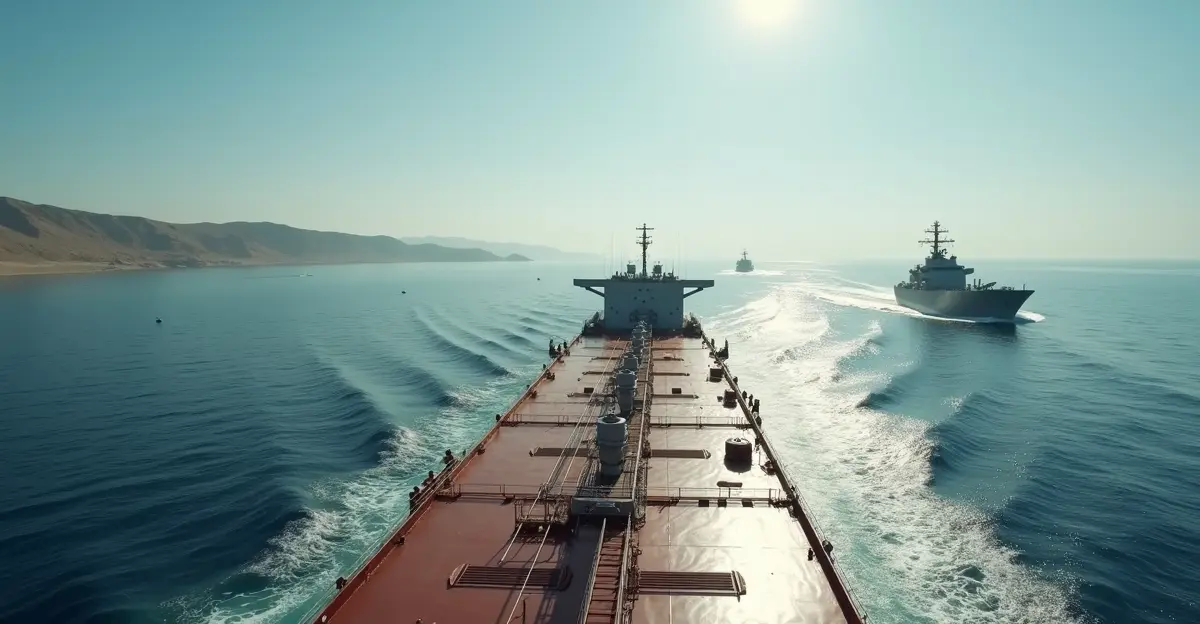
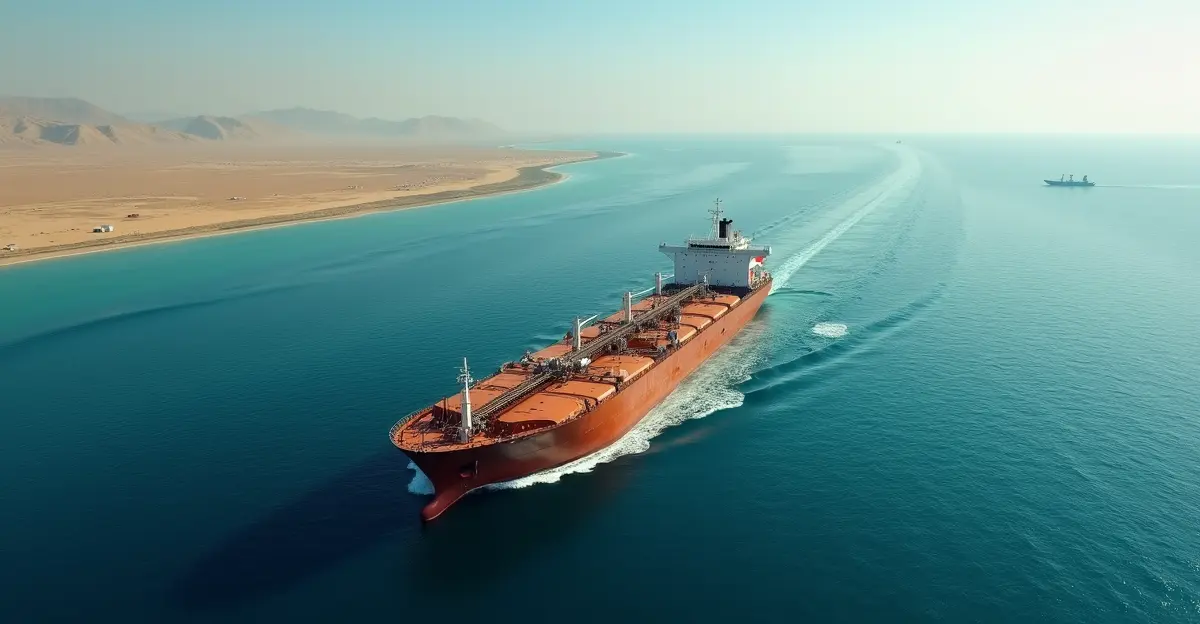
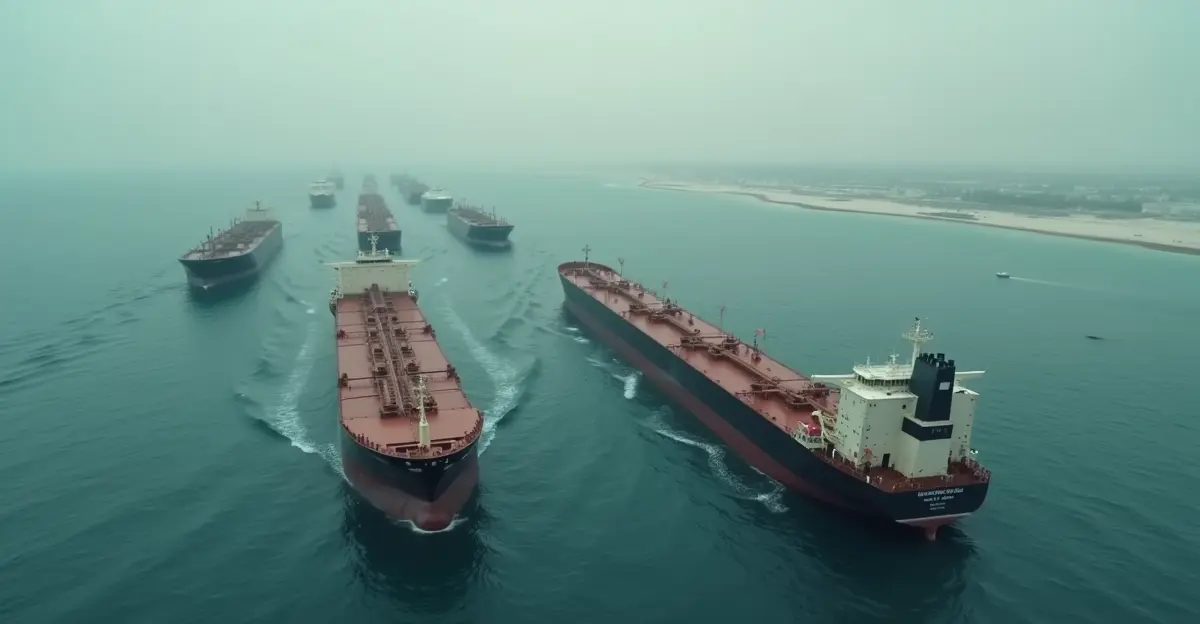
The de facto closure of the Strait of Hormuz represents one of the most significant economic threats of the conflict. Normally, approximately 160 commercial vessels pass through this narrow waterway daily, including tankers carrying 20 million barrels of oil (one-fifth of global consumption) and 20% of the world's liquefied natural gas shipments. With shipping traffic reduced by 90%, global energy markets have experienced dramatic price spikes, with Brent crude briefly approaching $120 per barrel.
| Impact Area | Pre-Conflict | Current Situation |
|---|---|---|
| Daily Oil Transit | 20 million barrels | Less than 2 million barrels |
| Shipping Insurance | Standard rates | 50% premium increase |
| Alternative Routes | Direct passage | 10-15 days added via Cape of Good Hope |
| Global LNG Supply | Normal flow | 20% reduction |
Gulf States' Diplomatic Push
Gulf nations find themselves in an increasingly precarious position, caught between Iranian aggression and what Middle East expert Paul Aarts describes as 'US military recklessness.' Qatar has repeatedly emphasized that diplomacy represents the only viable path to ending the conflict, while the UAE and Saudi Arabia face direct threats to their carefully cultivated economic models based on stability, tourism, and global connectivity.
'Iran seems to be pursuing a smart strategy and may well ensure that Gulf states put even more pressure on President Trump to stop the war,' noted Aarts in recent analysis. The attacks have particularly shaken confidence in the UAE, which maintained a 'gentlemen's agreement' with Tehran despite regional tensions.
US Strategy and International Response
The United States' approach to the conflict has drawn criticism for its apparent lack of coherent strategy. According to The New York Times, some Trump administration officials have grown increasingly pessimistic about ending the war, with military advisors warning that Iran would respond aggressively to US-Israeli attacks. President Trump's statements have shifted between discussing regime change, targeting Iran's nuclear program, and destroying missile installations, creating uncertainty about US objectives.
Within the US political sphere, Democratic Senator Chris Murphy criticized the war strategy as 'incoherent and incomplete' following a classified briefing. The conflict has already cost the United States approximately $5.6 billion in munitions according to Washington Post estimates, with 140 US service members wounded in the first ten days of fighting.
Global Economic Implications
The conflict's economic impact extends far beyond energy markets. The disruption affects multiple global supply chains:
- 21% of unwrought aluminum and 13% of wrought aluminum imports
- One-third of global fertilizer trade
- Critical pharmaceutical and electronics components
- 13% of global air cargo via Qatar Airways, Etihad, and Emirates
Supply chain experts warn that while strategic oil reserves have been released, inventory buffers for other commodities typically last only a few weeks, meaning shortages could emerge rapidly across multiple sectors. The situation has forced global central banks to address energy-driven inflation concerns as the conflict threatens to trigger broader economic slowdowns.
Frequently Asked Questions
What is the Strait of Hormuz and why is it important?
The Strait of Hormuz is a narrow waterway between the Persian Gulf and Gulf of Oman that serves as the primary shipping route for Middle Eastern oil exports. Approximately 20 million barrels of oil (20% of global consumption) and 20% of world LNG supplies pass through daily, making it one of the world's most critical maritime chokepoints.
Why are Gulf states calling for diplomacy while others continue fighting?
Gulf states including Qatar, UAE, and Saudi Arabia have suffered direct attacks on civilian infrastructure and face severe economic consequences from the conflict. Their economic models depend on stability, tourism, and global connectivity, making them particularly vulnerable to prolonged conflict compared to the primary military actors.
How has the conflict affected global energy markets?
The blockade of the Strait of Hormuz has reduced shipping traffic by 90%, causing oil prices to spike above $100 per barrel and briefly approach $120. The disruption affects 20% of global LNG supplies and threatens energy security for major Asian economies like China, which imports 50% of its oil through the strait.
What is the current status of diplomatic efforts?
While Gulf states continue pushing for negotiations, Iran has explicitly rejected ceasefire talks, and the United States has shown inconsistent messaging about war objectives. The UN Security Council passed a resolution demanding Iran stop attacking Gulf neighbors with a 13-0 vote (China and Russia abstaining), but diplomatic progress remains limited.
How long could the economic impacts last?
Supply chain experts warn that inventory buffers for critical commodities typically last only a few weeks. If the Strait of Hormuz blockade continues, consumer price increases across multiple sectors could emerge within a month, with longer-term effects on global inflation and economic growth.


Follow Discussion