


 Deutsch
 English
 Español
 Français
 Nederlands
 Português


 Share
Share




What is the US-Israel Iran Oil Conflict?
The Trump administration has reportedly asked Israel to cease attacks on Iranian oil infrastructure, marking a significant shift in the ongoing Middle East conflict that began on February 28, 2026. This request represents the first time Washington has sought to restrain Israeli military operations since the two nations launched their joint campaign against Iran following the death of Supreme Leader Ali Khamenei. The strategic move comes as global oil prices have surged over 25% since the conflict began, with US crude reaching nearly $91 per barrel - its largest weekly gain on record.
Background: The Escalating Middle East Crisis
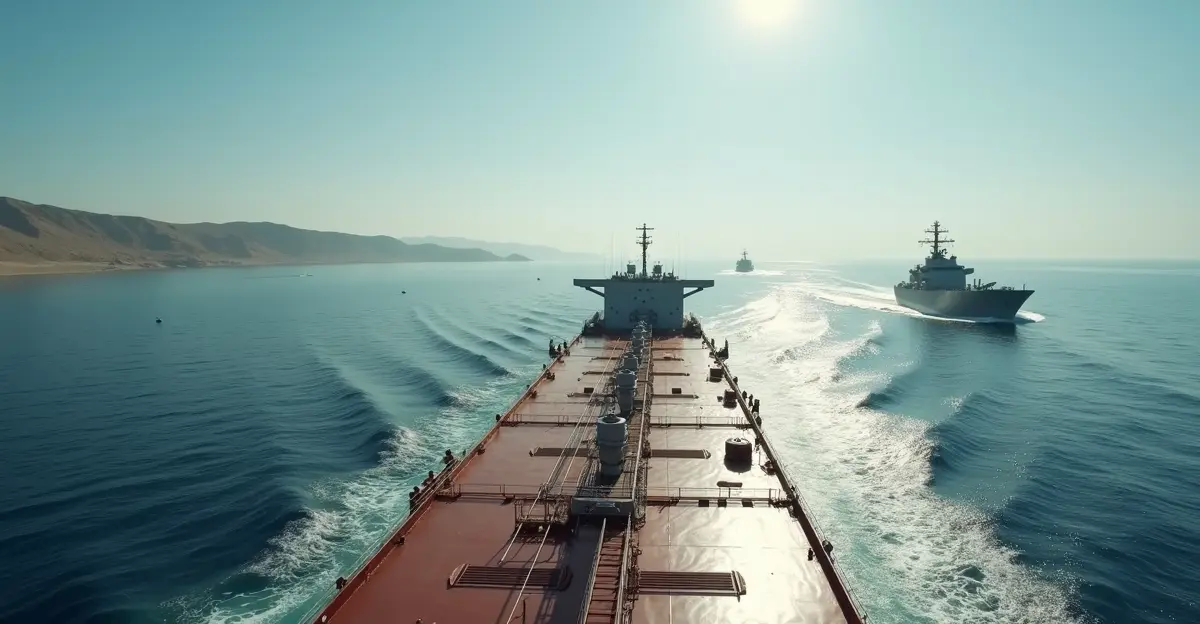
The current conflict began with joint US-Israel military strikes on Iran that killed Supreme Leader Ali Khamenei, triggering retaliatory attacks from Tehran. Iran responded by launching missile and drone attacks on US bases and Israeli territory, while the Islamic Revolutionary Guard Corps effectively closed the strategic Strait of Hormuz, disrupting about 20% of global daily oil supply. This has created a complex geopolitical situation where energy infrastructure has become both a target and a strategic concern. The 2026 Strait of Hormuz crisis has already caused tanker traffic to drop by approximately 70% initially, with oil prices surging above $100 per barrel for the first time in four years.
Why the US Wants Israel to Stop Oil Attacks
According to multiple sources speaking to Axios, the Trump administration has provided three key reasons for requesting Israel to halt attacks on Iranian energy infrastructure:
1. Post-War Cooperation with Iran's Oil Sector
President Trump reportedly wants to preserve Iran's oil sector for potential post-war cooperation, similar to arrangements made in Venezuela. The administration believes that maintaining functional energy infrastructure will be crucial for future diplomatic and economic engagement with Tehran once hostilities conclude. This strategic thinking reflects a longer-term vision for regional stability and economic integration.
2. Fear of Iranian Retaliation Against Gulf Infrastructure
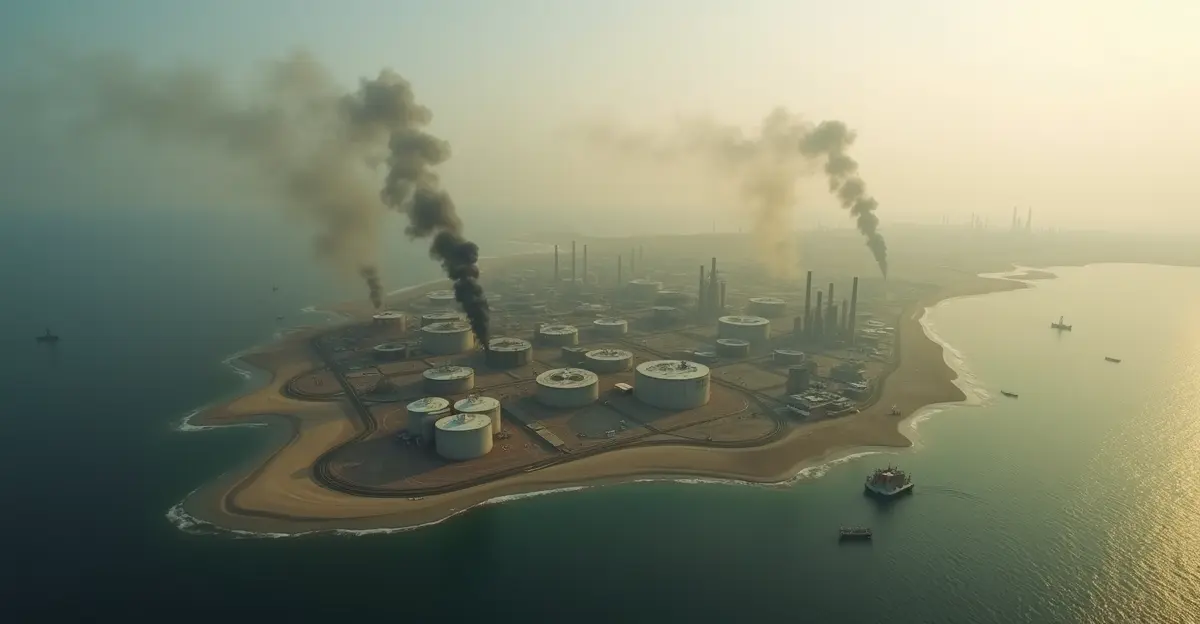
US officials are concerned that continued attacks on Iranian oil facilities could provoke massive Iranian retaliation against Gulf oil infrastructure in countries like Saudi Arabia, Kuwait, and the UAE. Such escalation could disrupt global supplies even further and drive oil prices to catastrophic levels. The Strait of Hormuz alone handles approximately 20.9 million barrels of oil per day, accounting for about 20% of global petroleum consumption.
3. Protection of Iranian Civilians
The administration has expressed concern that attacks on Iran's energy sector could harm ordinary Iranian citizens who oppose the regime. Washington believes many Iranians are dissatisfied with their government and wants to avoid actions that might turn the population against US interests. This humanitarian consideration aligns with broader strategic goals of maintaining potential future influence within Iran.
How the Request Was Delivered
The US request was reportedly delivered at senior political levels and communicated directly to Israeli army Chief of Staff Eyal Zamir. This high-level communication underscores the seriousness of Washington's concerns. Zamir, a key architect of Israel's military strategies, has been instrumental in shaping the country's approach to the Iran conflict. The direct communication to military leadership rather than solely through diplomatic channels indicates the operational nature of the request.
Strategic Implications for Global Energy Markets
The US position reflects a calculated risk assessment about global energy stability. Trump administration officials reportedly view attacks on Iranian oil as a "doomsday option" to be reserved only if Tehran first targets Gulf oil installations. This strategic calculation positions energy attacks as an escalation red line in the conflict. The economic stakes are enormous: the first days of the Iran war have already cost the US approximately 5.6 billion dollars, according to White House estimates.
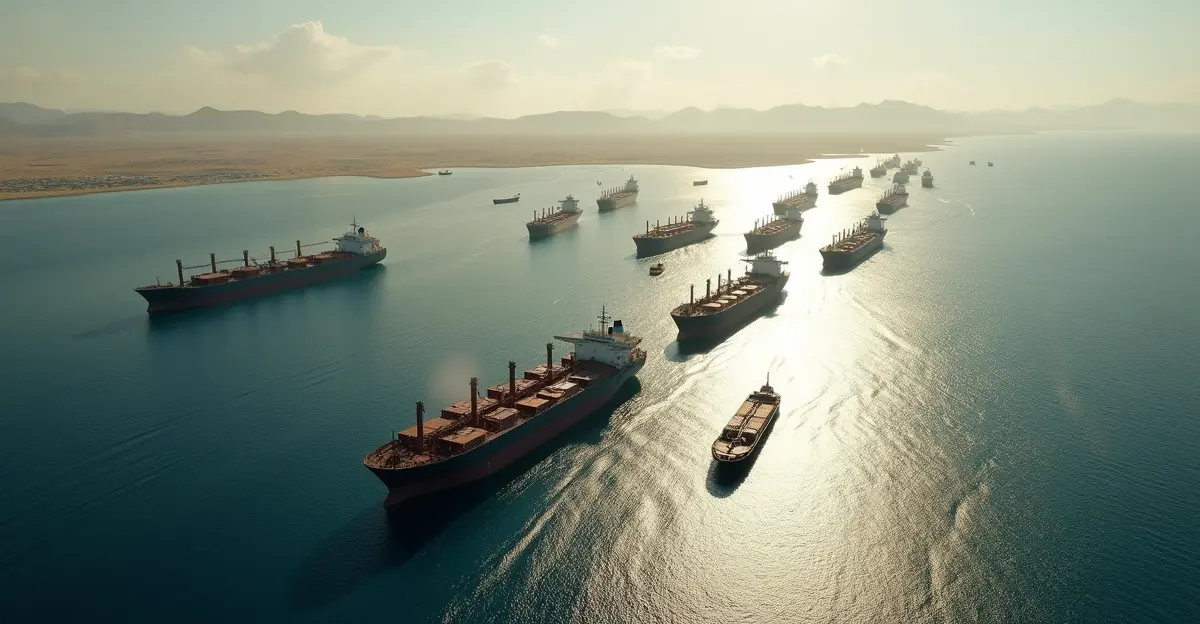
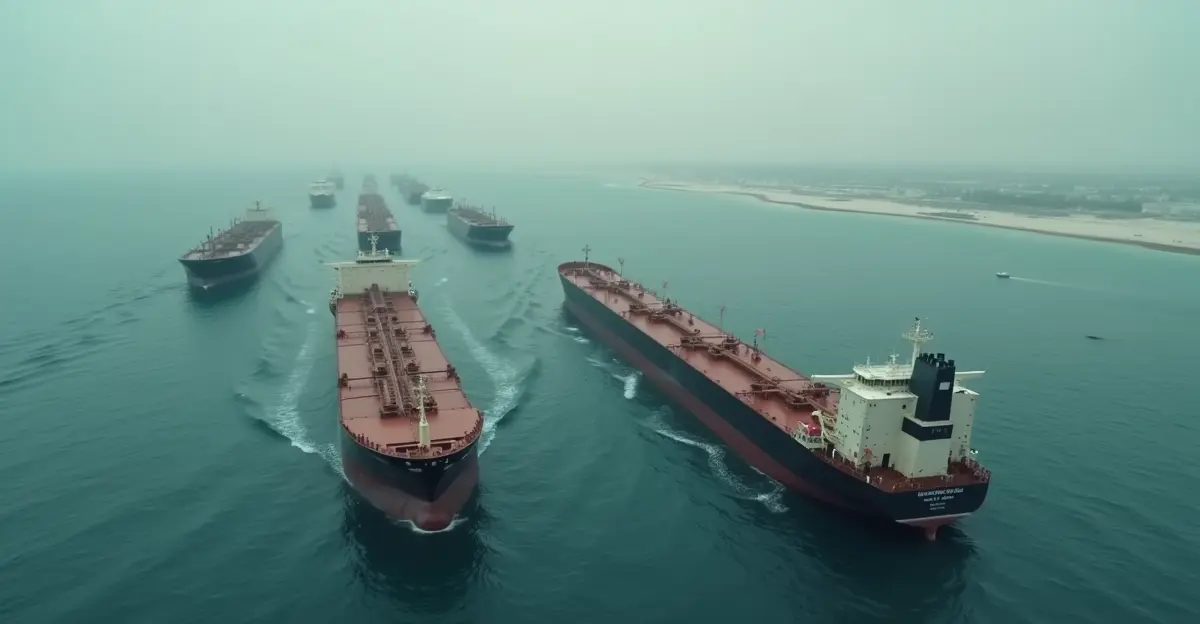
Major shipping companies including Maersk, MSC, Hapag-Lloyd, and CMA CGM have suspended operations through the Strait of Hormuz, rerouting vessels around Africa's Cape of Good Hope. This adds significant time and cost to global shipping, with insurance premiums skyrocketing to make transit economically unviable. The global energy market disruption has forced major oil producers like Saudi Arabia, UAE, Iraq and Kuwait to suspend shipments of up to 140 million barrels of oil.
What This Means for the Future of the Conflict
The US request represents a potential turning point in the conflict, suggesting Washington may be seeking to de-escalate certain aspects of military engagement while maintaining pressure on Iran through other means. This approach could indicate a shift toward more targeted operations that avoid catastrophic economic consequences. However, Israeli authorities have not confirmed receiving or complying with the request, leaving open questions about future military actions.
The situation remains volatile, with Iran continuing to export approximately 1.9 million barrels of oil daily despite sanctions, mostly to China via "shadow ships" that evade restrictions. The conflict has broader implications for Middle East geopolitical stability, potentially affecting everything from regional alliances to global economic growth projections.
Frequently Asked Questions
Why does the US want Israel to stop attacking Iranian oil facilities?
The Trump administration has three main concerns: preserving Iran's oil sector for potential post-war cooperation, preventing Iranian retaliation against Gulf oil infrastructure, and avoiding harm to Iranian civilians who oppose the regime.
How was the US request delivered to Israel?
The request was reportedly delivered at senior political levels and communicated directly to Israeli army Chief of Staff Eyal Zamir, indicating its operational importance.
What impact has the conflict had on global oil prices?
Oil prices have surged over 25% since the conflict began, with US crude reaching nearly $91 per barrel - its largest weekly gain on record. Brent crude jumped 13% to $81.57 per barrel immediately following the Strait of Hormuz disruptions.
How much oil normally passes through the Strait of Hormuz?
Approximately 20.9 million barrels of oil pass through the Strait of Hormuz daily, accounting for about 20% of global petroleum consumption and 20% of global LNG shipments.
What is the economic cost of the conflict so far?
The first days of the Iran war have cost the US approximately 5.6 billion dollars according to White House estimates, with 140 American military personnel wounded in the initial engagements.


Follow Discussion