


 Deutsch
 English
 Español
 Français
 Nederlands
 Português


 Share
Share




What is Kharg Island and Why is it Critical to Iran?
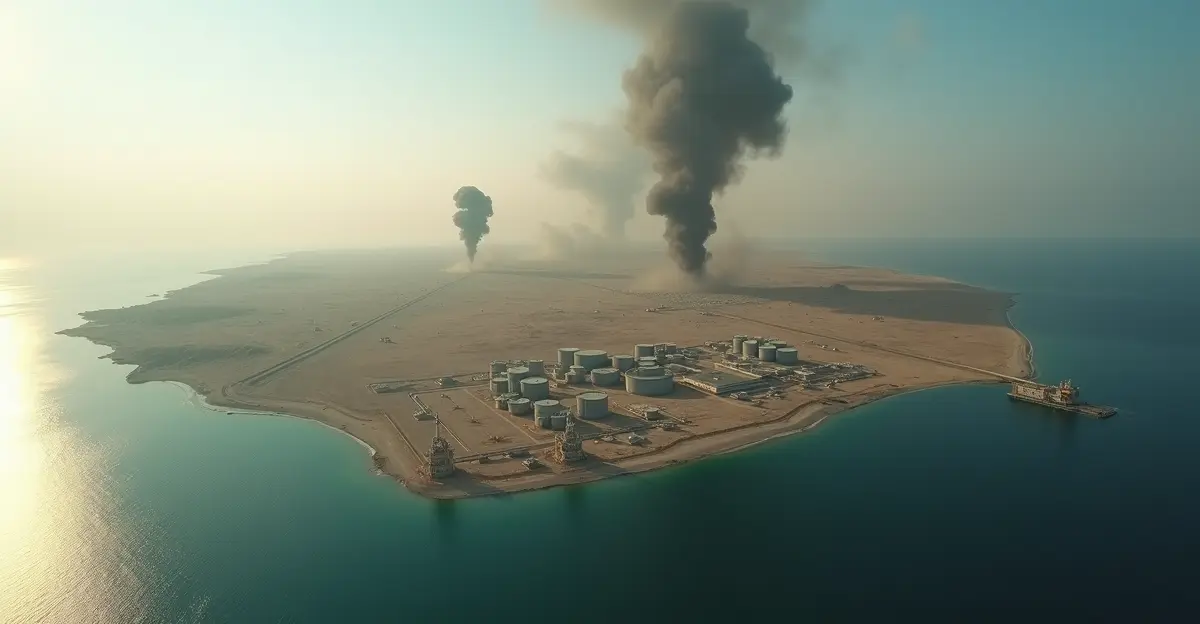
In a dramatic escalation of Middle East tensions, US forces have launched attacks on Iran's strategic Kharg Island, the country's primary oil export terminal that handles approximately 90% of Iranian crude exports. The strikes, reported by multiple news outlets including Axios and Reuters, targeted over 50 military installations on the Persian Gulf island, though initial reports indicate oil infrastructure remains intact. The attacks come as former President Donald Trump issued an apocalyptic warning on Truth Social, stating 'A whole civilization will die tonight, never to be brought back again. I don't want that to happen, but it probably will be.'
Strategic Importance of Kharg Island
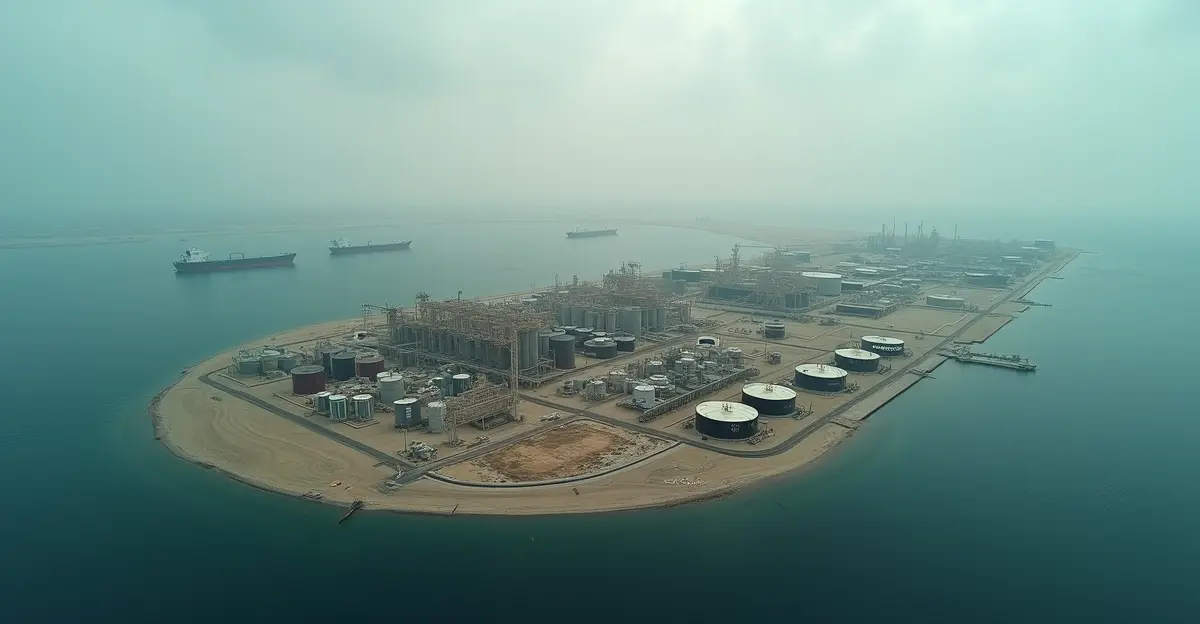
Kharg Island, located just 25 kilometers off Iran's coast in the Persian Gulf, serves as Iran's economic lifeline, processing up to 1.55 million barrels of oil daily. The island features extensive storage capacity for approximately 30 million barrels and connects to major offshore oil fields through underwater pipelines. This strategic location has made it a focal point in the Middle East energy conflicts that have intensified since February 2026.
Trump's Ultimatum and Escalating Threats
President Trump has given Iran until 8:00 PM ET (02:00 AM Dutch time) to reopen the Strait of Hormuz, threatening massive retaliation against civilian infrastructure if the deadline isn't met. 'I want to make it clear that we have shown great restraint until today out of good neighborliness,' stated the Iranian Revolutionary Guard on state television. 'We have been restrained in our retaliation targets, but that restraint is no longer.'
The US president's threats specifically mention targeting bridges, power plants, and transportation networks, with Iranian media already reporting attacks on a major highway between Tabriz and Tehran, a bridge near Qom, and railway lines in Kashan. These developments mirror concerns raised during the 2025 Strait of Hormuz crisis but with significantly higher stakes.
International Response and Legal Implications
UK Refuses Base Access for Civilian Infrastructure Attacks
In a significant diplomatic development, the United Kingdom has refused to allow US forces to use British military bases at RAF Fairford in Gloucestershire and Diego Garcia in the Indian Ocean for attacks on Iranian civilian infrastructure. Tom Wells, spokesperson for Prime Minister Keir Starmer, emphasized that Britain's position has been consistent since the conflict began: 'Our principles have been clear from day one. Our position on this has not changed.'
The UK government has published legal advice stating that allowing US use of bases for defensive operations aligns with Britain's international law obligations, but targeting civilian infrastructure could constitute war crimes under the Geneva Conventions. This stance reflects growing international concern about the global escalation of regional conflicts and their humanitarian consequences.
Economic Impact and Oil Price Surge
The immediate aftermath of the Kharg Island attacks saw global oil prices spike dramatically, with Brent crude jumping from $72 to $115 per barrel. Gasoline prices in the US have reached $4.14 per gallon nationally, while European energy markets face similar pressures. Experts warn that sustained disruption at Kharg Island could remove up to 2 million barrels per day from global supply, potentially driving prices as high as $200 per barrel.
Iran's Response and Regional Implications
Iran's Revolutionary Guard has warned of retaliation 'outside the region' if US forces cross 'red lines,' threatening to deprive the United States and its allies of oil and gas from the region 'for years.' The regime's defiant stance comes despite mounting casualties, with over 3,400 lives lost across the Middle East since February 2026, including 1,400 in Lebanon and 13 US service members.
Iranian civilians have reportedly formed human chains around critical infrastructure sites in an attempt to deter attacks, while Israel has warned Iranian citizens to avoid train travel. The situation remains fluid, with ceasefire talks described as being at a 'critical, sensitive stage' despite Tehran publicly rejecting a temporary ceasefire proposal.
Frequently Asked Questions (FAQ)
What is Kharg Island and why is it important?
Kharg Island is Iran's primary oil export terminal in the Persian Gulf, handling approximately 90% of the country's crude oil exports. It's strategically vital to Iran's economy and global energy markets.
What has Trump threatened against Iran?
Former President Donald Trump has threatened to attack Iran's civilian infrastructure including bridges and power plants if Iran doesn't reopen the Strait of Hormuz by his 8:00 PM ET deadline, warning that 'a whole civilization will die tonight.'
Why has the UK refused to let the US use British bases?
The UK government maintains that British bases can only be used for defensive operations targeting missile sites that threaten regional security, not for attacks on civilian infrastructure which could constitute war crimes under international law.
How have oil prices been affected?
Global oil prices surged dramatically following the Kharg Island attacks, with Brent crude jumping from $72 to $115 per barrel. Gasoline prices in the US have reached $4.14 per gallon.
What is Iran's response to the threats?
Iran's Revolutionary Guard has warned of retaliation 'outside the region' and threatened to deprive the US and allies of regional oil and gas 'for years' if red lines are crossed.

Follow Discussion