


 Deutsch
 English
 Español
 Français
 Nederlands
 Português


 Share
Share




Kharg Island Attack: US Strikes Iran's Oil Hub in Persian Gulf Escalation
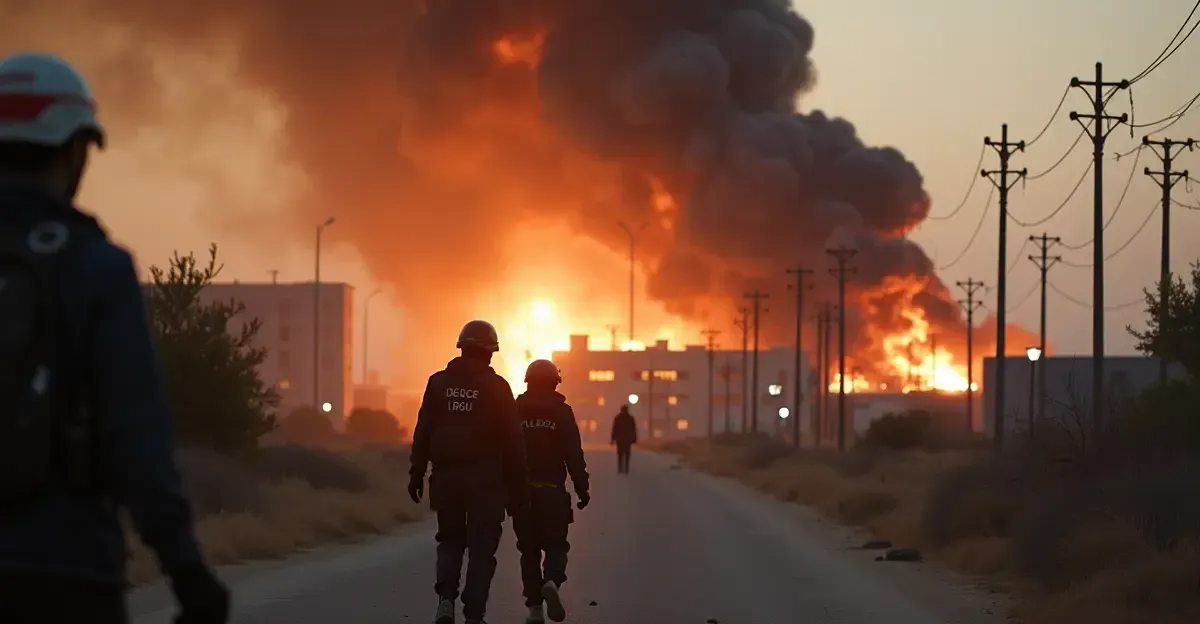
The United States has conducted a major military strike on Iran's Kharg Island, a critical oil export terminal that handles approximately 90% of Iran's crude oil exports, marking a significant escalation in the ongoing conflict between the two nations. The March 14, 2026 attack targeted over 90 Iranian military installations on the strategically vital island while deliberately avoiding damage to oil infrastructure, though President Donald Trump warned that oil facilities could be targeted next if Iran continues blocking the Strait of Hormuz.
What is Kharg Island and Why is it So Important?
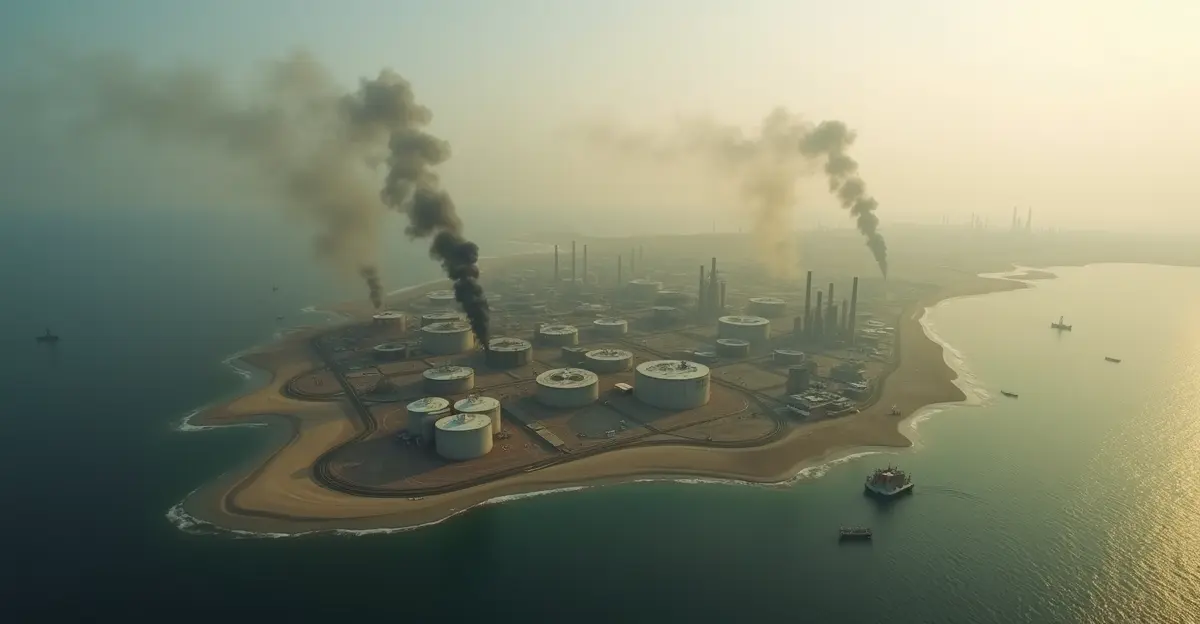
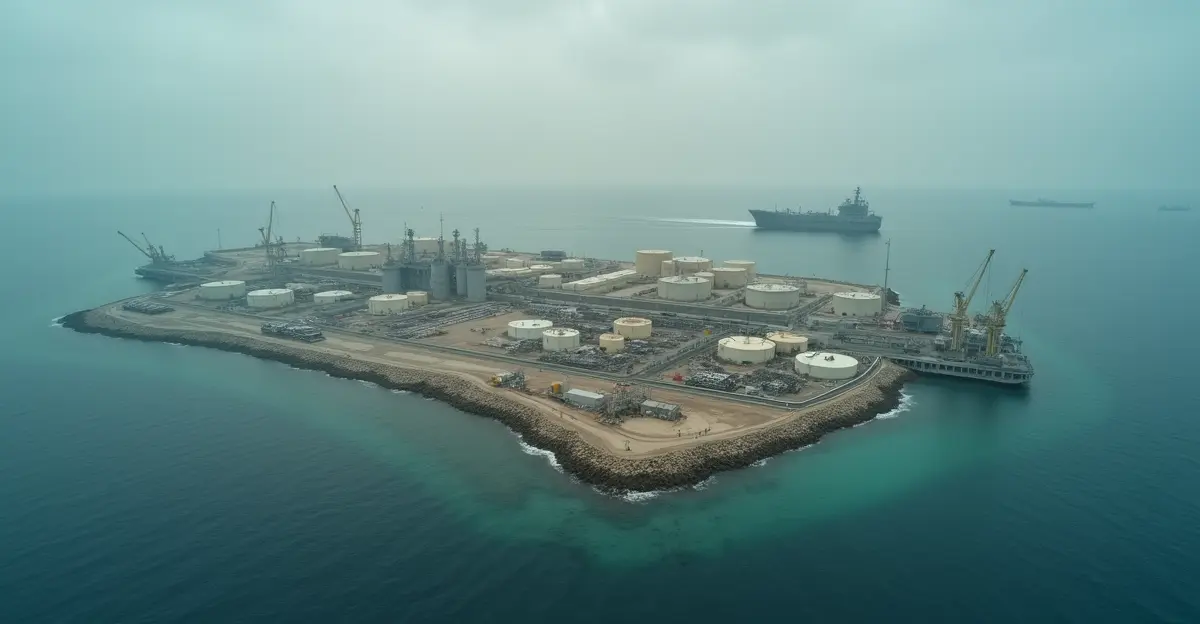
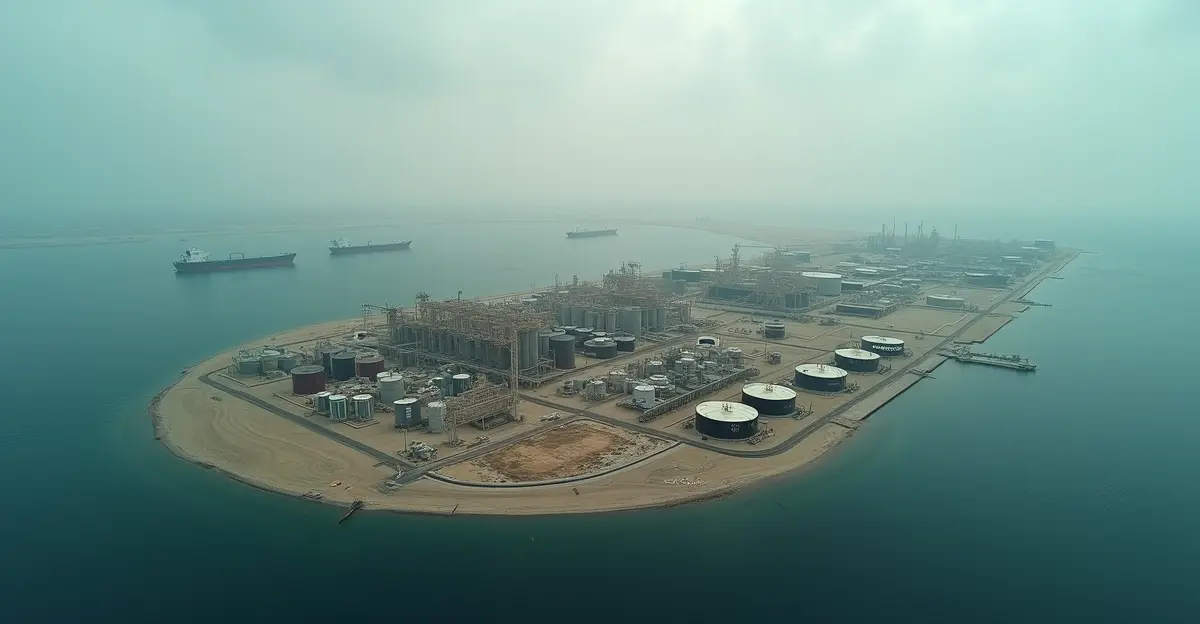
Kharg Island is a continental island located 25 kilometers off Iran's coast in the Persian Gulf, measuring just 8 kilometers long and 5 kilometers wide. Despite its small size, this rocky island serves as Iran's primary oil export terminal, processing an estimated 950 million barrels annually. The island's strategic importance stems from its deep-water port facilities that can accommodate massive oil tankers, unlike the shallow waters along Iran's mainland coast.
The island contains extensive oil storage capacity for up to 30 million barrels and loading terminals capable of handling up to 7 million barrels daily. This infrastructure makes Kharg Island the financial lifeline of Iran's economy, generating crucial revenue for the regime in Tehran. The island is under military control of Iran's Revolutionary Guard Corps and houses approximately 8,000 people, primarily military personnel and oil industry workers.
The US Attack on Kharg Island: Military Targets vs. Oil Infrastructure
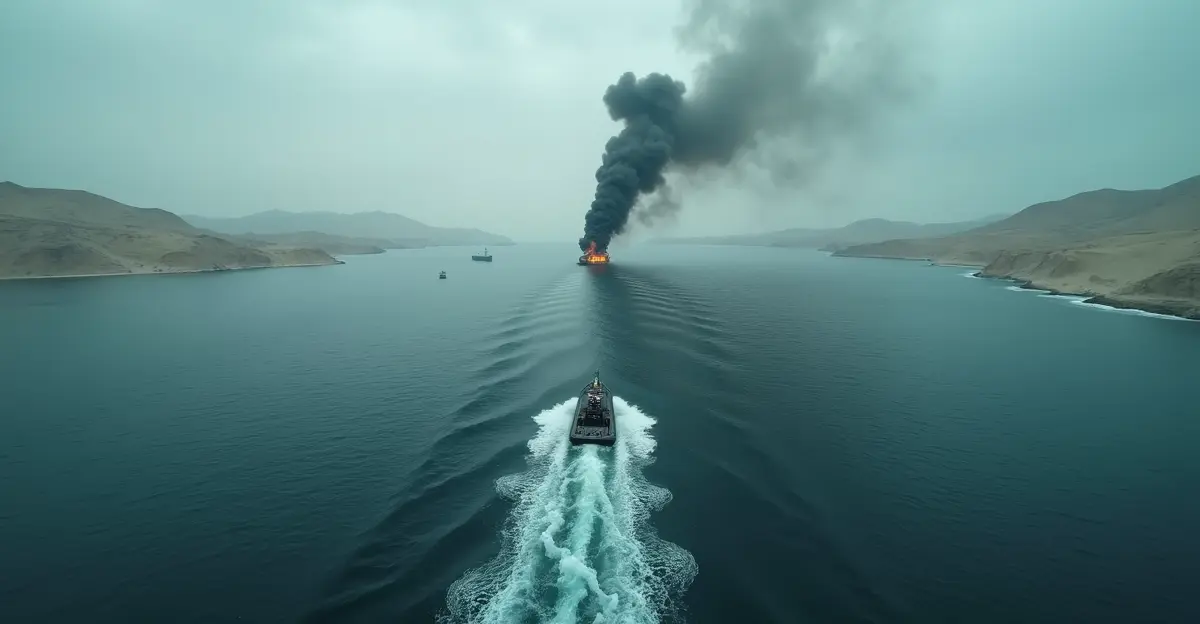
According to U.S. Central Command, the March 14 strike targeted over 90 Iranian military installations on Kharg Island, including air defense systems, naval bases, and airport facilities. The precision attack deliberately avoided damaging the island's vital oil infrastructure, though President Trump issued a clear ultimatum: "U.S. forces have targeted military installations on Kharg Island while sparing oil facilities. This decision can be immediately reconsidered if Iran continues to block shipping through the Strait of Hormuz."
The attack represents a calculated escalation by the United States, targeting Iran's military capabilities while leaving its economic infrastructure intact—for now. This approach mirrors strategies seen in previous conflicts where economic pressure points are preserved as leverage. The situation is reminiscent of the 2025 Middle East energy crisis where similar tactics were employed.
Global Oil Market Implications
The attack on Kharg Island has sent shockwaves through global energy markets, with Brent crude prices surging to approximately $103 per barrel—a 40% increase since the conflict began. Financial analysts warn that any damage to Kharg's oil infrastructure could remove 1.3-1.7 million barrels daily from global markets, potentially pushing prices to $150 per barrel.
Neil Atkinson, former head of oil markets at the International Energy Agency, described the situation as unprecedented: "The sky is the limit for oil prices. We have no precedent for a conflict of this scale affecting such a critical choke point." The Strait of Hormuz, located near Kharg Island, handles approximately 20% of global oil and liquefied natural gas shipments.
Historical Context and Strategic Significance
Kharg Island has a long history of strategic importance dating back centuries. The island served as a trading post for the Portuguese Empire in the 16th century and was part of the Dutch colonial empire in the 18th century, where the Dutch East India Company established a fort called "Mosselstein." Interestingly, the island contains archaeological sites including a Christian monastery dating to the 7th century and Achaemenid inscriptions from 550-330 BCE.
In modern times, Kharg Island was developed into a major oil terminal in the 1960s under the Shah of Iran in partnership with American oil company Amoco. Its development transformed Iran into a major oil exporter and established the island's current role as the country's economic engine. The current conflict represents the most serious threat to this infrastructure since the Iran-Iraq War of the 1980s.
Regional Escalation and Military Buildup
Following the Kharg Island attack, the United States has announced the deployment of 2,200 additional Marines to the region and three additional warships to its already substantial naval presence in the Persian Gulf. This military buildup creates a self-contained maritime force capable of rapid response operations.
Iran has responded with threats of retaliation against energy infrastructure of U.S. allies in the region. Tehran warned that any attack on Kharg's oil facilities would result in Iranian strikes on oil installations throughout the Gulf region. This escalation dynamic creates a dangerous feedback loop similar to patterns observed during the Gulf shipping crisis of 2024.
Economic Warfare Considerations
Israeli opposition leader Yair Lapid has called for a large-scale attack on Kharg Island's oil infrastructure, arguing it could cripple the Iranian regime. However, experts warn that destroying Iran's oil export capabilities would have severe consequences beyond regime change. A destroyed oil infrastructure would take years to rebuild, leaving any successor government with massive economic challenges and potentially creating long-term instability in global energy markets.
The complex calculus of economic warfare in this context requires balancing military objectives with economic realities. As one energy analyst noted: "Destroying Kharg Island's oil facilities would be like cutting off Iran's financial oxygen supply, but the resulting global energy shock would affect everyone, including the countries conducting the attack."
FAQ: Kharg Island Attack Explained
What percentage of Iran's oil exports go through Kharg Island?
Approximately 90-95% of Iran's crude oil exports are processed through Kharg Island's terminal facilities, making it the country's primary economic lifeline.
Why hasn't the US attacked Kharg Island's oil infrastructure yet?
The US has deliberately avoided damaging oil infrastructure to maintain economic leverage and prevent a catastrophic global oil price spike that could reach $150 per barrel.
How has the attack affected global oil prices?
Brent crude prices have surged to around $103 per barrel, representing a 40% increase since the conflict began, with analysts warning of potential spikes to $150 if oil infrastructure is damaged.
What is Iran's response to the Kharg Island attack?
Iran has threatened retaliatory strikes against energy infrastructure of US allies in the Gulf region if Kharg's oil facilities are targeted in future attacks.
How many people live on Kharg Island?
Approximately 8,000 people reside on Kharg Island, primarily military personnel from Iran's Revolutionary Guard Corps and oil industry workers.

Follow Discussion