


 Deutsch
 English
 Español
 Français
 Nederlands
 Português


 Share
Share




The Red Sea Shipping Crisis: How Houthi Attacks Are Reshaping Global Trade Architecture
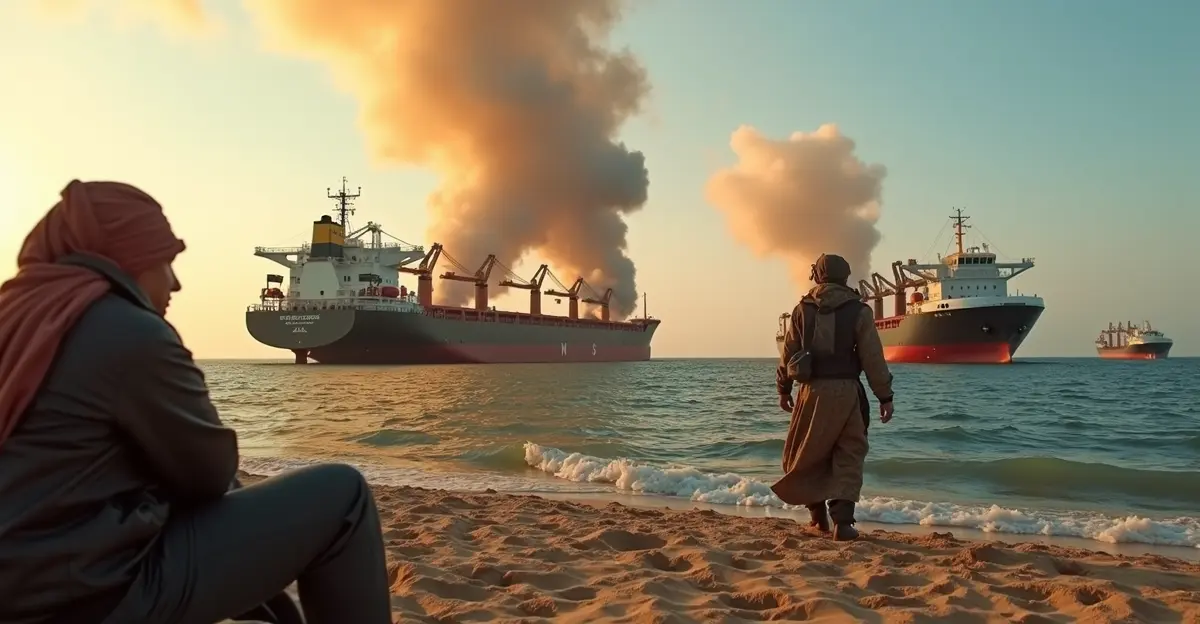
Since November 2023, sustained Houthi attacks in the Red Sea have triggered the most significant disruption to global maritime trade in decades, forcing major shipping companies to implement permanent network redesigns that are fundamentally reshaping global trade patterns. With over 190 attacks documented by October 2024 and the crisis entering its second year with no resolution in sight, what began as a regional security concern has evolved into a structural transformation of global supply chains, reducing Suez Canal traffic by 57.5% and adding 10-14 days to Asia-Europe shipping journeys.
What is the Red Sea Shipping Crisis?
The Red Sea shipping crisis represents a sustained disruption to one of the world's most critical maritime corridors, where Houthi rebels in Yemen have targeted commercial vessels since November 2023. The Red Sea handles approximately 12% of global commerce through the Suez Canal, connecting Europe and Asia via the shortest maritime route. This strategic chokepoint has become increasingly dangerous, forcing shipping giants like Maersk, MSC, and Hapag-Lloyd to permanently reroute vessels around Africa's Cape of Good Hope. The crisis has exposed vulnerabilities in global maritime security frameworks and prompted a fundamental reevaluation of traditional shipping routes.
The Permanent Rerouting: Cape of Good Hope Becomes Standard
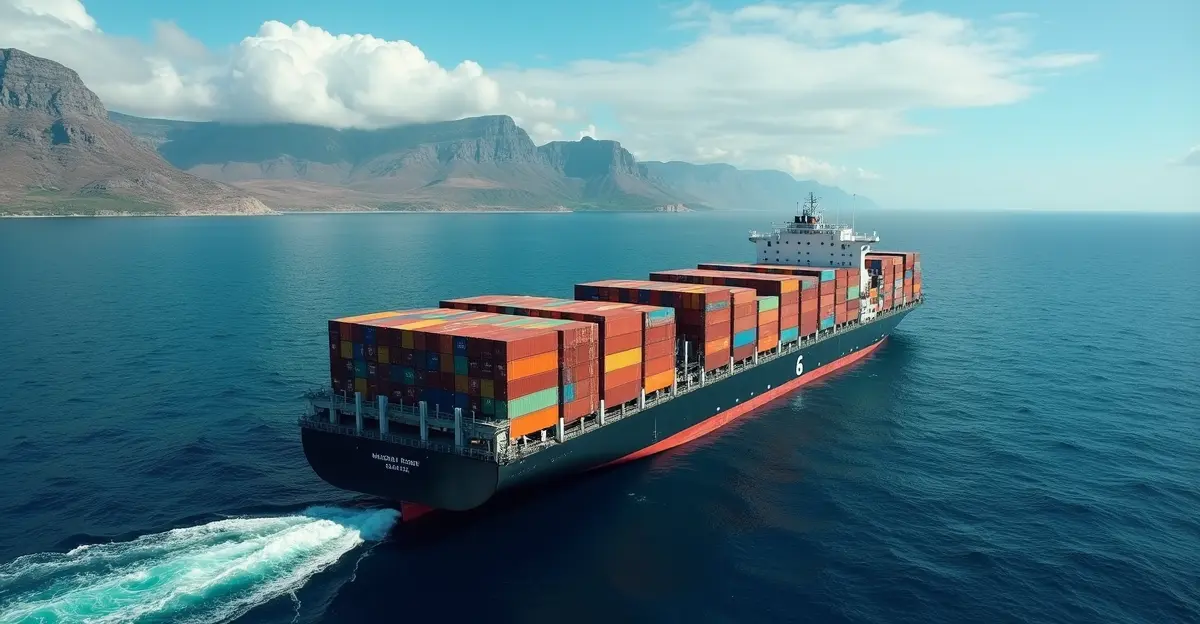
Major shipping companies have moved beyond temporary contingency plans to implement permanent network redesigns centered on the Cape of Good Hope route. Maersk's Gemini Cooperation network, launched in February 2025, now operates approximately 340 vessels with 3.7 million TEU capacity across 57 services, representing a structural shift rather than a temporary workaround. According to shipping industry reports, this rerouting adds 10-14 days to Asia-Europe journeys, increasing fuel consumption by 30-40% and significantly raising operational costs.
Economic Impact on Global Supply Chains
The ripple effects extend far beyond shipping lanes. Industries reliant on just-in-time manufacturing, particularly automotive and electronics sectors, have faced severe disruptions. Container shipping rates from Asia to Europe have surged from approximately $1,521 to $6,000 per 40-foot container, while cargo insurance rates have jumped from 0.6% to 2% of cargo value. The crisis has contributed to inflationary pressures globally, with the global supply chain resilience becoming a central concern for policymakers and businesses alike.
Geopolitical Consequences: Egypt's Suez Canal Crisis
Egypt faces a substantial economic blow as Suez Canal revenues have plummeted by 40-57.5%, representing billions in lost income for a nation already grappling with economic challenges. The canal, which generated $9.4 billion in revenue during the 2022-2023 fiscal year, has seen traffic reduced to less than half its normal capacity. This development has forced Egypt to reconsider its economic strategy and explore alternative revenue streams, while regional competitors position themselves as alternative logistics hubs.
Emergence of Alternative Multimodal Routes
A significant development in the crisis response has been the rapid emergence of alternative multimodal trade corridors through Oman, UAE, and Saudi Arabia. Key land bridge alternatives now utilize ports like Sohar and Salalah in Oman, Khor Fakkan and Fujairah in the UAE, and Jeddah in Saudi Arabia as entry points with bonded transit corridors. Qatar has institutionalized overland supply routes using the TIR system across Saudi borders, creating new Middle East logistics networks that bypass traditional maritime chokepoints.
Strategic Implications: Temporary Crisis or Permanent Restructuring?
Shipping industry analysts increasingly view these changes as permanent structural adjustments rather than temporary disruptions. The crisis has accelerated pre-existing trends toward supply chain diversification and resilience, with companies implementing dual-sourcing strategies and regional distribution centers. The vulnerability exposed by the Red Sea situation has prompted a broader reassessment of global trade architecture, particularly regarding dependence on single maritime chokepoints.
Energy Security and Global Inflation
The crisis has significant implications for energy security, with the Red Sea serving as a critical route for LNG shipments from Qatar to Europe and oil shipments from the Middle East to global markets. The disruptions have contributed to volatility in energy markets and added pressure to already strained global inflation dynamics. The situation has highlighted the interconnected nature of global energy security and maritime trade routes, prompting renewed investment in alternative energy transportation infrastructure.
International Response and Naval Operations
International efforts to secure the Red Sea corridor have included US-led Operation Prosperity Guardian and the EU's Operation Aspides naval coalitions, alongside direct military strikes against Houthi targets. Despite these measures, attacks have persisted, demonstrating the limitations of traditional naval protection in asymmetric conflicts. The ongoing security challenges have reinforced shipping companies' decisions to maintain alternative routing strategies, even as diplomatic efforts continue.
FAQ: Red Sea Shipping Crisis Explained
How long has the Red Sea shipping crisis been going on?
The crisis began in November 2023 and has continued for over two years, with no resolution in sight as of 2026. Over 190 attacks were documented by October 2024 alone.
What percentage of global trade passes through the Red Sea?
Approximately 12% of global commerce, including container cargo, oil, LNG, and grains, normally transits through the Red Sea via the Suez Canal.
How much longer does the Cape of Good Hope route take?
Rerouting around Africa's Cape of Good Hope adds 10-14 days to Asia-Europe shipping journeys, increasing transit times by 30-50%.
What has been the impact on Suez Canal traffic?
Suez Canal traffic has decreased by 57.5%, with Egypt experiencing a 40% drop in canal revenues, representing billions in lost income.
Are these shipping route changes permanent?
Major shipping companies have implemented permanent network redesigns, suggesting these changes represent structural adjustments rather than temporary solutions.
Future Outlook: A New Global Trade Architecture
The Red Sea shipping crisis has accelerated a fundamental restructuring of global trade patterns that was already underway. The emergence of alternative multimodal routes through the Arabian Peninsula, combined with permanent rerouting around Africa, suggests a more diversified and resilient global trade architecture is emerging. While the immediate crisis continues, its lasting legacy may be a global supply chain system less dependent on single chokepoints and more adaptable to geopolitical disruptions. As shipping companies continue to invest in alternative routing infrastructure and regional distribution networks, the traditional dominance of the Suez Canal route appears permanently diminished, marking a historic shift in global maritime trade patterns.
Follow Discussion