


 Deutsch
 English
 Español
 Français
 Nederlands
 Português


 Share
Share




The Red Sea Shipping Crisis: How Houthi Attacks Are Reshaping Global Trade Architecture
The Red Sea shipping crisis, now entering its third year in 2026, represents more than temporary disruption—it's forcing a fundamental restructuring of global trade architecture as sustained Houthi attacks compel shipping companies, corporations, and nations to reconsider centuries-old maritime routes and supply chain strategies. What began in October 2023 as regional conflict spillover has evolved into a structural challenge to global commerce, with over 190 attacks forcing major carriers to reroute vessels around Africa's Cape of Good Hope, adding 10-14 days to Asia-Europe journeys and reducing Suez Canal traffic by 57.5%.
What is the Red Sea Shipping Crisis?
The Red Sea shipping crisis began on October 19, 2023, when Iran-backed Houthi forces in Yemen launched missiles and armed drones at Israel, demanding an end to the Gaza conflict. The Houthis subsequently declared any Israel-linked ship a target, eventually attacking 178 vessels throughout their two-year blockade, sinking four ships and killing nine sailors. This critical maritime corridor handles approximately 12% of global trade, including 30% of global container traffic, making disruptions here particularly damaging to the global supply chain architecture.
The Economic Calculus: Longer Routes vs. Security Risks
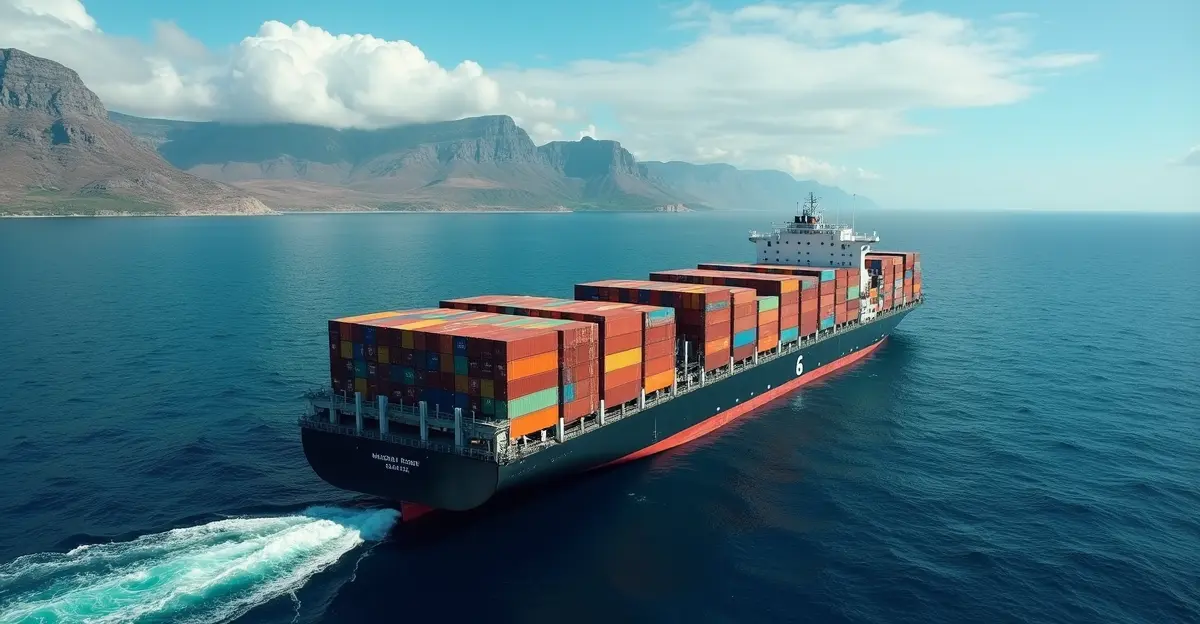
The fundamental trade-off facing shipping companies involves balancing extended transit times against security threats. Rerouting around Africa's Cape of Good Hope adds 10-15 days to Asia-Europe journeys, increasing fuel costs by 40-60% and requiring additional vessels to maintain service frequency. However, the alternative—navigating the Bab el-Mandeb Strait—exposes ships to missile and drone attacks, with insurance premiums skyrocketing to prohibitive levels.
Key Cost Impacts:
- Freight rates surged 300-400% during peak disruption periods
- Insurance premiums increased 500-1000% for Red Sea transits
- Egypt's Suez Canal revenue dropped 40%, losing billions in vital income
- Container losses reached 576 in 2024 alone, with 35% occurring around the Cape of Good Hope
Major carriers have developed differentiated strategies: MSC declared 'End of Voyage' for Arabian Gulf shipments with $800 surcharges, Maersk maintains severe booking restrictions, Hapag-Lloyd suspended Hormuz transits, while CMA CGM has reopened some bookings using multimodal solutions. This crisis has accelerated the maritime security framework evolution as companies prioritize crew safety over transit speed.
Supply Chain Diversification: Moving Beyond Single Chokepoints
The crisis has exposed the vulnerability of global supply chains dependent on single maritime chokepoints. Corporations are now actively diversifying their logistics networks, with several key trends emerging:
Alternative Route Development:
- Land bridge corridors through Oman (Salalah and Sohar)
- UAE east coast ports (Khor Fakkan/Fujairah) for transshipment
- Jeddah in Saudi Arabia as a regional hub
- Qatar's formalized overland supply routes using the TIR system across Saudi borders
These alternatives represent more than temporary workarounds—they're becoming permanent features of global trade architecture. The crisis has prompted a fundamental reconsideration of just-in-time manufacturing models, with companies increasing inventory buffers and developing regional production capabilities to reduce dependency on long-distance shipping.
Geopolitical Ramifications: International Naval Coalitions
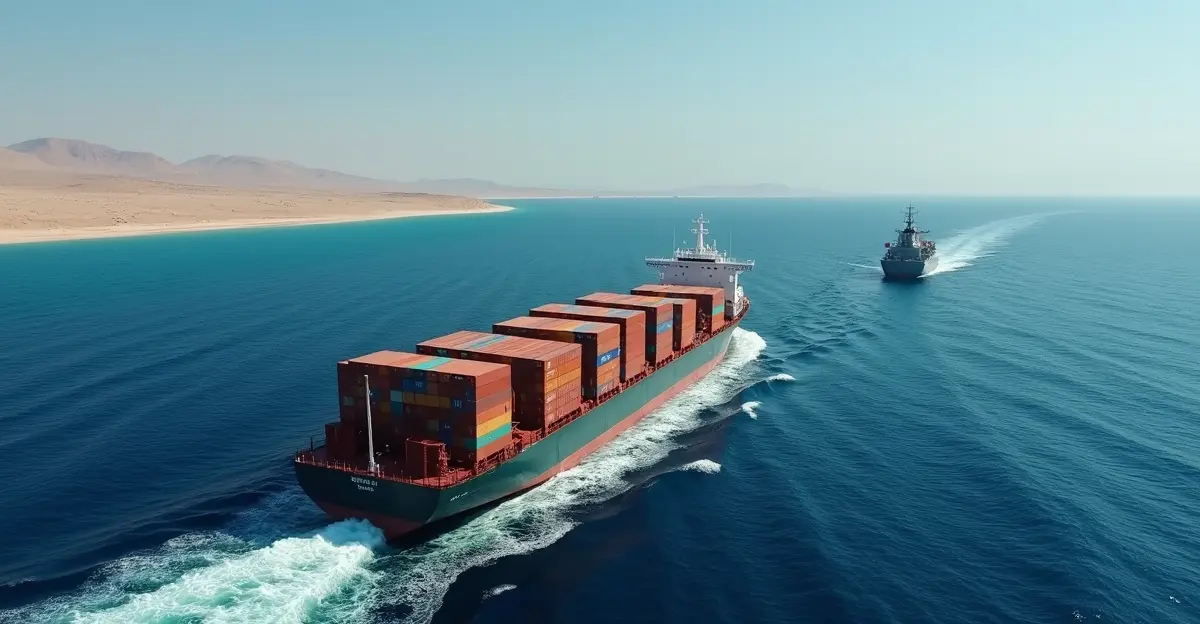
The security vacuum in the Red Sea has prompted unprecedented international cooperation. The US-led Operation Prosperity Guardian and EU's Operation Aspides represent multinational efforts to protect commercial shipping, while military strikes against Houthi targets continue. However, the February 2026 escalation following Operation Epic Fury—a coordinated US-Israel campaign against Iran—demonstrates how regional conflicts can rapidly expand to threaten global trade corridors.
This geopolitical dimension has created a complex security landscape where commercial shipping decisions must account for not just immediate threats but broader regional tensions. The crisis highlights how non-state actors like the Houthis can leverage strategic geography to exert disproportionate influence on global commerce, forcing major powers to deploy significant military resources to protect trade flows.
Is This a Temporary Disruption or Permanent Shift?
Evidence suggests the Red Sea crisis is catalyzing permanent changes in global trade patterns. Several factors indicate this represents more than temporary disruption:
Structural Changes in Shipping:
- Carriers are investing in larger fleets to accommodate longer routes
- New SOLAS regulations effective January 1, 2026 mandate immediate reporting of lost containers
- Shipping alliances are developing hybrid routing strategies (Suez Canal for head-haul, Cape route for back-haul)
- Southern and West African ports are receiving infrastructure investments to handle increased traffic
The crisis has accelerated pre-existing trends toward supply chain resilience and regionalization. Companies that previously optimized for cost efficiency are now prioritizing risk mitigation, accepting higher costs for greater reliability. This shift represents a fundamental rethinking of global trade economics that will likely persist even if security conditions improve.
Implications for Inflation and Energy Security
The Red Sea disruptions have contributed to inflationary pressures through multiple channels. Extended transit times reduce available shipping capacity, driving up freight rates that eventually translate to higher consumer prices. Energy markets face particular vulnerability, with approximately 8% of global LNG trade and 12% of oil shipments passing through the Red Sea.
European energy security has been directly impacted, as alternative routes increase delivery times and costs for Middle Eastern energy supplies. This has accelerated Europe's diversification efforts, including increased LNG imports from the United States and Africa, representing another structural shift in global energy trade patterns.
Expert Perspectives on the Future
Industry analysts warn of extended high costs and market instability should attacks persist. "The Red Sea crisis has exposed fundamental vulnerabilities in our global trade system," notes maritime security expert Dr. Elena Rodriguez. "We're witnessing not just rerouting of ships but rerouting of entire supply chain strategies. Companies that fail to adapt risk being left behind in this new trade architecture."
Shipping executives express cautious optimism about potential returns to the Suez Canal route, but emphasize that decisions will depend on sustained security improvements and alliance coordination. The 2026 outlook remains uncertain, with carriers likely adopting phased returns while maintaining contingency plans for rapid rerouting if threats reemerge.
FAQ: Red Sea Shipping Crisis Explained
How long has the Red Sea shipping crisis been going on?
The crisis began on October 19, 2023, and continues into 2026, making it one of the longest sustained disruptions to global maritime trade in recent history.
What percentage of global trade passes through the Red Sea?
Approximately 12% of global trade transits the Red Sea, including 30% of global container traffic, making it one of the world's most critical maritime corridors.
How much longer does the Africa reroute take?
Rerouting around Africa's Cape of Good Hope adds 10-15 days to Asia-Europe journeys, increasing fuel consumption by 40-60% and requiring additional vessels to maintain service frequency.
Have shipping companies permanently abandoned the Red Sea route?
Most major carriers have not permanently abandoned the route but maintain flexible strategies, with some cautiously resuming transits when security conditions permit while keeping Africa routing options available.
What are the main economic impacts of the crisis?
Key impacts include: 40% drop in Suez Canal revenue for Egypt, 300-400% freight rate increases during peak periods, 500-1000% insurance premium hikes, and inflationary pressures across multiple industries.
Conclusion: A New Trade Architecture Emerges
The Red Sea shipping crisis represents a watershed moment in global trade. What began as regional conflict has exposed systemic vulnerabilities in maritime logistics, prompting corporations and nations to fundamentally rethink their approach to supply chain management. The acceleration of supply chain diversification, development of alternative routes, and increased investment in maritime security suggest these changes will outlast the immediate crisis.
As we move through 2026, the global trade architecture is being reshaped before our eyes. The lessons learned from the Red Sea crisis—about chokepoint vulnerability, geopolitical risk, and the true cost of efficiency—will influence trade patterns for decades to come. Companies and countries that successfully navigate this transition will emerge more resilient, while those clinging to outdated models risk being left behind in the new global trade landscape.

Follow Discussion