


 Deutsch
 English
 Español
 Français
 Nederlands
 Português


 Share
Share




The Red Sea Shipping Crisis: A Fundamental Shift in Global Trade
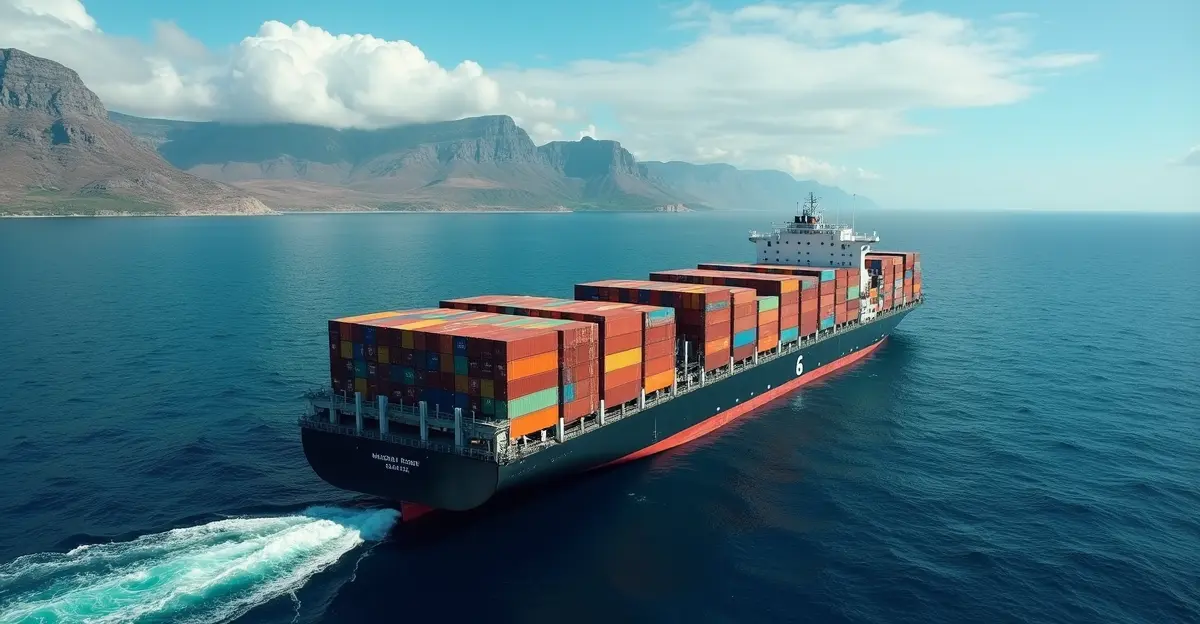
The Red Sea shipping crisis, now entering its third year of sustained disruption, has fundamentally reshaped global trade routes and supply chain strategies. Since Houthi rebels in Yemen began attacking commercial vessels in November 2023, over 190 incidents have forced major shipping companies to reroute around Africa's Cape of Good Hope, adding 10-14 days to Asia-Europe journeys and reducing Suez Canal traffic by a staggering 57.5%. This crisis has disrupted over $200 billion in global trade and exposed critical vulnerabilities in maritime chokepoints, prompting strategic reassessments of just-in-time manufacturing models as we approach peak holiday shipping season.
What is the Red Sea Shipping Crisis?
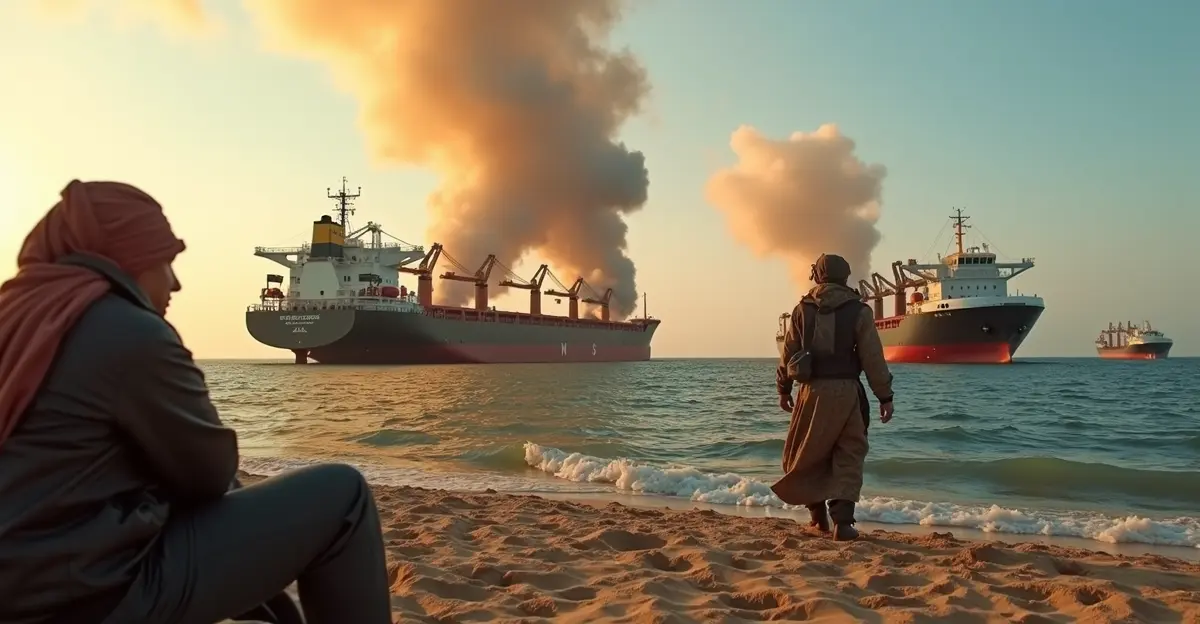
The Red Sea shipping crisis began on October 19, 2023, when Iran-backed Houthi forces in Yemen launched missiles and armed drones at Israel, demanding an end to the Gaza conflict. The Houthis have since attacked 178 vessels throughout their two-year blockade, sinking four ships and killing nine sailors. The Bab-el-Mandeb strait, the southern maritime gateway to the Suez Canal, has become a high-risk zone, forcing hundreds of commercial vessels to reroute around South Africa. According to Atlas Institute analysis, this represents the most significant disruption to global maritime trade since the Suez Canal blockage of 2021.
The Economic Impact: Costs, Delays, and Inflationary Pressures
Transit Time and Cost Increases
The diversion around Africa's Cape of Good Hope has surged 89%, according to UNCTAD data, with each large container ship incurring an additional $400,000 in emissions costs per voyage. The Suez Canal traffic reduction has cost Egypt approximately $800 million monthly in lost revenues, with annual declines approaching 60%. Shipping companies have imposed emergency surcharges, while insurance markets have experienced war risk cancellations, making commercial passage through the region increasingly uninsurable.
Supply Chain Disruptions
The crisis has created cascading effects across multiple industries. Automotive manufacturers face parts shortages, electronics companies experience component delays, and retailers struggle with inventory management during peak seasons. The global supply chain resilience challenge has become particularly acute as companies navigate extended lead times and unpredictable transit schedules.
Strategic Shifts in Supply Chain Management
From Just-in-Time to Just-in-Case
Companies are fundamentally reassessing their supply chain strategies, shifting from traditional "just-in-time" models focused on lean inventories to "just-in-case" approaches that prioritize resilience. According to Gallagher's Global Business Risk Evolution Survey, supply chain risks are now a top concern for nearly 20% of businesses. This evolution involves maintaining higher stock levels, diversifying suppliers, and enhancing business continuity plans.
Digital Transformation and Visibility
Manufacturers are increasingly investing in digital platforms that provide real-time visibility across operations and predictive intelligence using AI analytics. The manufacturing digital transformation trend shows 82% of supply chain organizations increased IT spending in 2025, with measurable returns including 30% reduction in downtime through AI predictive maintenance.
Geopolitical Implications and Security Responses
International Naval Coalitions
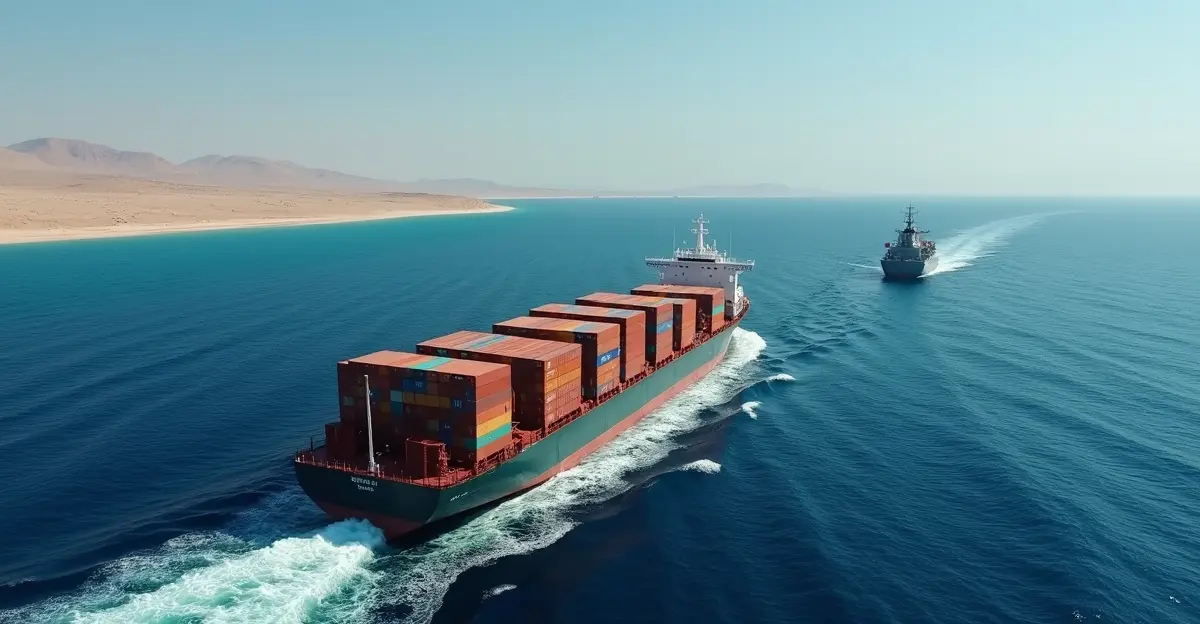
The crisis has prompted significant international military responses. In January 2024, the United States launched Operation Prosperity Guardian, while the European Union initiated Operation Aspides to protect Red Sea shipping. Despite hundreds of retaliatory air strikes against Houthi targets, attacks have persisted, highlighting the limitations of military solutions to complex geopolitical challenges.
Regional Security Dynamics
The Houthi movement, an Iran-backed Zaydi Shia Islamist militant organization, has used the shipping crisis to advance its political objectives in Yemen's ongoing civil war. The Middle East geopolitical tensions have created a multi-chokepoint crisis, with simultaneous disruptions at the Strait of Hormuz, Red Sea/Bab el-Mandeb, and Suez Canal threatening global energy markets and trade flows.
Long-Term Implications for Global Trade Architecture
The Red Sea crisis has exposed fundamental vulnerabilities in the global trade system. Maritime chokepoints that handle critical percentages of world commerce - the Suez Canal facilitates 12-15% of worldwide trade and nearly 30% of global container traffic - have proven susceptible to regional conflicts. This realization is accelerating investment in alternative routes, including potential Arctic shipping lanes and expanded rail connections between Asia and Europe.
According to UNCTAD analysis, these disruptions threaten to raise global consumer prices by 0.6% by late 2025, with small island developing states and least developed countries potentially facing 0.9% price increases. The crisis has also highlighted environmental concerns, with longer shipping routes increasing carbon emissions and contributing to climate change impacts.
Expert Perspectives on the Crisis
"The Red Sea shipping crisis represents a paradigm shift in global logistics," notes supply chain analyst Maria Chen. "Companies that once optimized for efficiency are now prioritizing resilience, recognizing that geopolitical risks can disrupt even the most sophisticated supply chains." Logistics expert David Park adds: "The 57.5% reduction in Suez Canal traffic isn't just a temporary disruption - it's forcing permanent changes in how we think about maritime trade routes and supply chain design."
FAQ: Red Sea Shipping Crisis Explained
What started the Red Sea shipping crisis?
The crisis began in October 2023 when Houthi rebels in Yemen launched attacks on commercial vessels in response to the Gaza conflict, targeting ships they claimed were linked to Israel.
How long does the alternative route around Africa take?
Rerouting around Africa's Cape of Good Hope adds 10-14 days to Asia-Europe shipping journeys compared to the Suez Canal route.
What percentage of global trade passes through the Suez Canal?
The Suez Canal handles 12-15% of worldwide trade and nearly 30% of global container traffic under normal conditions.
How has this affected shipping costs?
Costs have increased dramatically, with large container ships facing approximately $400,000 in additional emissions costs per voyage around Africa, plus emergency surcharges and higher insurance premiums.
Are there any signs of resolution in 2026?
While some shipping companies have cautiously resumed Red Sea routes, the situation remains volatile with renewed Houthi threats in early 2026, suggesting continued disruptions.
Conclusion: A New Era of Supply Chain Resilience
The Red Sea shipping crisis has fundamentally altered global trade patterns and supply chain strategies. What began as a regional conflict has evolved into a systemic challenge to the global trade architecture, forcing companies to reassess decades of optimization for efficiency. As we move through 2026, the lessons from this crisis are clear: resilience must become a core component of supply chain design, geopolitical risk assessment requires greater sophistication, and alternative trade routes demand serious investment. The global economic stability depends on how effectively the international community addresses these interconnected challenges.
Sources
Atlas Institute: The Red Sea Shipping Crisis 2024-2025; UNCTAD: Suez and Panama Canal Disruptions Threaten Global Trade; Wikipedia: Red Sea Crisis; Gallagher: Building Supply Chain Resilience 2026; Maritime News: Red Sea Shipping Risks 2026; SAP: Blueprint for Supply Chain Resilience in 2026.

Follow Discussion