


 Deutsch
 English
 Español
 Français
 Nederlands
 Português


 Share
Share




Red Sea Crisis and the New Geography of Global Shipping: How Geopolitical Tensions Are Rewiring Maritime Trade Routes
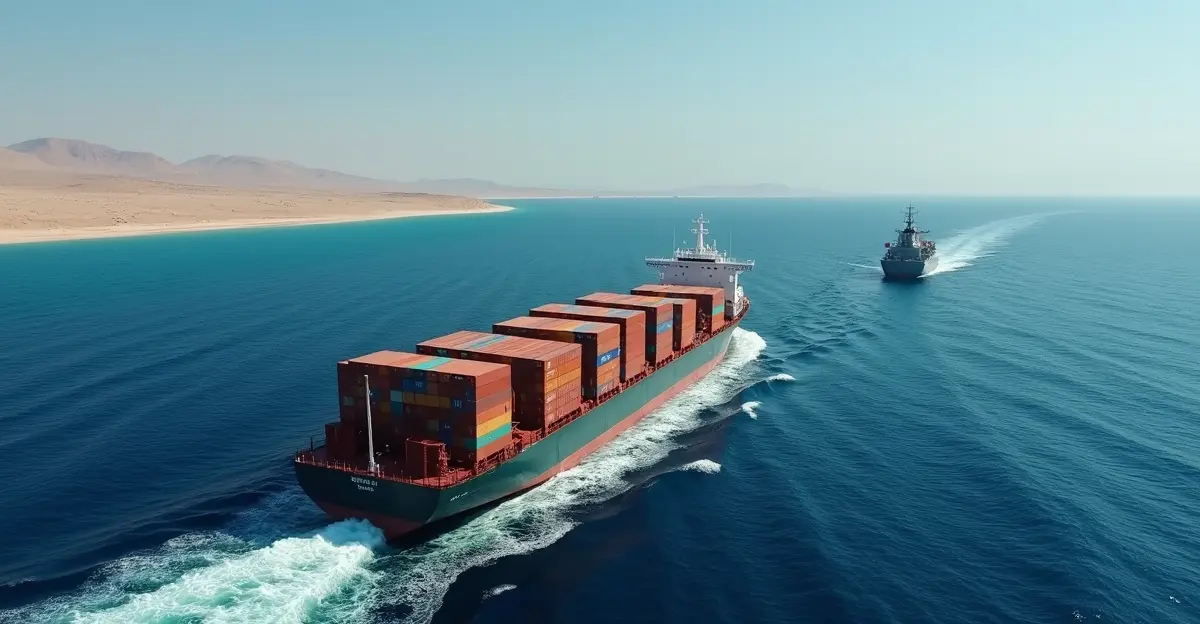
The Red Sea shipping crisis has intensified dramatically in early 2026, forcing a fundamental reconfiguration of global maritime trade patterns with profound implications for energy security, supply chain resilience, and global economic stability. What began as Houthi attacks on commercial vessels has evolved into a full-scale geopolitical conflict that is permanently altering the world's shipping geography, with major carriers rerouting vessels around Africa's Cape of Good Hope and adding 30% to transit times while shipping costs surge.
What is the Red Sea Crisis?
The Red Sea crisis refers to the ongoing disruption of maritime traffic through the Bab el-Mandeb Strait and Suez Canal caused by Houthi rebel attacks on commercial shipping. This critical corridor handles 12-15% of global maritime trade, connecting Asia and Europe through the Suez Canal while serving as a vital artery for oil, LNG, and container shipments. The crisis escalated significantly in February 2026 following Operation Epic Fury, a coordinated US-Israel military campaign against Iran that prompted renewed Houthi attacks, effectively shutting down both the Red Sea and the strategically vital Strait of Hormuz within 24 hours.
The Cascading Effects of Shipping Reroutes
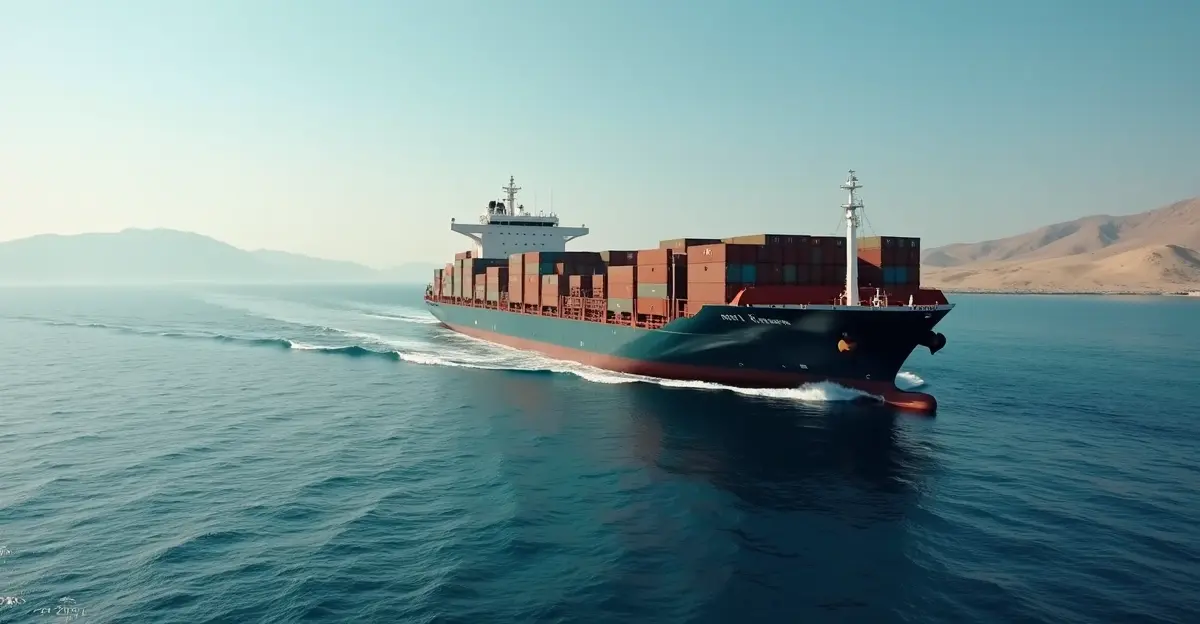
Major shipping companies including Maersk, MSC, and CMA CGM have been forced to implement comprehensive route diversions, with most vessels now taking the longer Cape of Good Hope route around southern Africa. This adds 4,000 miles to Asia-Europe journeys, increasing transit times by 10-15 days (approximately 30%) and requiring 800-1,000 tons more fuel per voyage.
Cost Implications and Economic Impact
The financial consequences are staggering. According to J.P. Morgan Research, shipping costs have surged nearly five-fold on Asia-Europe routes and more than doubled on China-U.S. routes. War risk insurance premiums have skyrocketed from $10,000-20,000 to $150,000-500,000 per voyage. Research estimates the total additional cost to global trade at $15-20 billion annually while the disruption persists. "This isn't a temporary logistics shock but a structural reconfiguration of global shipping," notes a supply chain analyst from the Global Container Carriers Association.
Supply Chain Vulnerabilities Exposed
The crisis has exposed critical vulnerabilities in global supply chains, particularly affecting just-in-time manufacturing systems. European auto plants have announced temporary shutdowns due to delayed parts from Asia, while cold chain operators face severe challenges with diversion-port congestion, container dwell time growth, and reefer plug scarcity. The disruption has particularly impacted companies with different business models: Shein faces challenges due to its reliance on speed, while Amazon deals with increased landed costs and working capital drag.
Strategic Responses and Alternative Routes
Major economies and shipping companies are developing comprehensive responses to the crisis. Alternative routes have emerged through:
- Oman's Salalah and Sohar ports with bonded land bridges
- UAE east coast ports including Khor Fakkan and Fujairah
- Saudi Arabia's Jeddah corridor with formalized TIR system usage
- Iraq's exploration of Aqaba and Mediterranean alternatives
International naval coalitions including Operation Prosperity Guardian and Operation Aspides have been established, but attacks persist, highlighting the vulnerability of maritime chokepoints. The crisis has shifted from simple vessel delays to comprehensive network redesign, with the market moving from broad suspensions to differentiated solutions using multimodal corridors.
Impact on Energy Markets and Inflation
The dual closure of both the Red Sea and Strait of Hormuz represents an unprecedented threat to global energy security. With 30% of global container trade typically transiting through the Suez Canal, the disruptions have significant inflationary implications. J.P. Morgan Research estimates these disruptions could add 0.7 percentage points to global core goods inflation and 0.3 percentage points to overall core inflation during crisis periods. The global energy markets face particular strain as oil and LNG shipments face extended delays and increased costs.
Accelerating Supply Chain Diversification
The Red Sea crisis is accelerating pre-existing trends toward supply chain diversification and regionalization. Companies are shortening and diversifying supply chains by bringing production closer to end markets in Southeast Asia, Mexico, and through reshoring initiatives. "We're witnessing the end of hyper-globalization and the beginning of a more fragmented, regionalized world of trade," observes a logistics expert from the Maritime Research Institute. Businesses are shifting focus from pure cost efficiency to prioritizing security, reliability, and resilience, potentially marking a permanent structural change in global trade patterns.
Expert Perspectives on Long-Term Implications
Industry analysts warn that the crisis could persist well beyond 2026, creating unprecedented dual-chokepoint threats to global supply chains. The structural weaknesses exposed go beyond temporary logistics challenges to reveal fundamental vulnerabilities in global trade architecture. Egypt faces significant revenue losses from reduced Suez Canal traffic, while East African and Middle Eastern economies experience disproportionate impacts. The crisis particularly tests the resilience of new-energy vehicle supply chains between China and Europe, highlighting dependencies on specific maritime corridors.
FAQ: Red Sea Shipping Crisis
How long will the Red Sea shipping disruptions last?
Industry analysts predict disruptions could persist through 2026 and potentially beyond, as geopolitical tensions show no signs of abating and security challenges remain complex.
What are the main alternative shipping routes being used?
The primary alternative is the Cape of Good Hope route around Africa, adding 10-15 days to transit times. Secondary alternatives include multimodal solutions using land bridges through Oman, UAE east coast ports, and Saudi corridors.
How much have shipping costs increased due to the crisis?
Shipping costs have surged nearly five-fold on Asia-Europe routes, with war risk insurance premiums increasing from $10,000-20,000 to $150,000-500,000 per voyage.
What industries are most affected by the shipping disruptions?
Automotive manufacturing, electronics, agriculture, and energy sectors are particularly impacted, with European auto plants announcing temporary shutdowns and cold chain operators facing severe operational challenges.
Is this crisis accelerating supply chain regionalization?
Yes, the crisis is accelerating trends toward supply chain diversification and regionalization, with companies bringing production closer to end markets and prioritizing resilience over pure cost efficiency.
Conclusion: A New Maritime Geography
The Red Sea crisis represents more than a temporary disruption—it signals a fundamental rewiring of global maritime trade routes with lasting strategic implications. As vessels continue their extended journeys around Africa and companies develop alternative multimodal solutions, the world is witnessing the emergence of a new geography of global shipping. The crisis has exposed critical vulnerabilities in global supply chains while accelerating trends toward regionalization and resilience. With geopolitical tensions showing no signs of resolution, the shipping industry and global economy must adapt to this new reality of extended transit times, increased costs, and heightened security concerns that will define maritime trade for years to come.

Follow Discussion