


 Deutsch
 English
 Español
 Français
 Nederlands
 Português


 Share
Share




Red Sea Shipping Crisis Continues to Ripple Through Global Economy
The persistent attacks on commercial shipping in the Red Sea by Houthi rebels are creating a perfect storm for global trade, with major shipping companies forced to reroute vessels, insurance costs skyrocketing, and long-term maritime security strategies being urgently reconsidered. What began in late 2023 as a regional conflict has evolved into a sustained crisis that's testing the resilience of international supply chains.
Rerouting Around Africa: The Costly Alternative
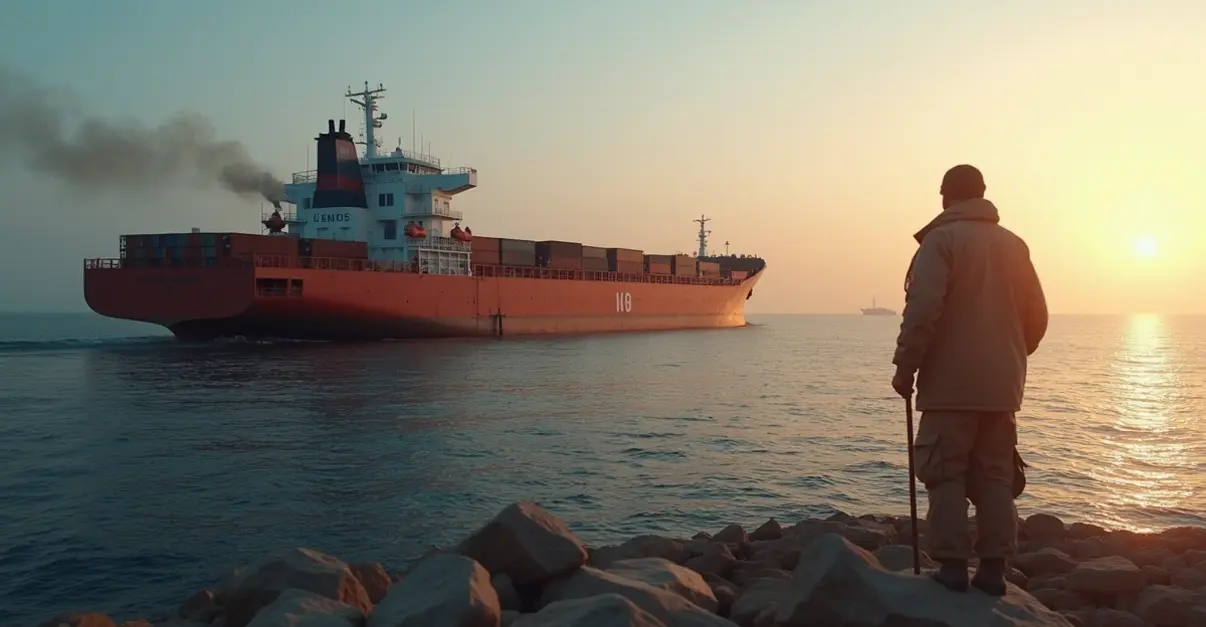
Major shipping companies including Maersk, MSC, and CMA CGM have been forced to divert vessels away from the Suez Canal route, opting instead for the much longer journey around Africa's Cape of Good Hope. This detour adds 10-14 days to Asia-Europe voyages and increases fuel consumption by approximately 30%. 'The Cape route is our only viable option right now,' says shipping analyst Maria Chen. 'But the extra time and fuel costs are staggering—we're talking about billions in additional expenses across the industry.'
The impact on the Suez Canal has been devastating. According to recent reports, traffic through this critical chokepoint—which normally handles about 12% of global trade—has dropped by 57.5%. Egypt is reportedly losing $800 million in monthly revenue from canal fees, creating economic strain for a country already facing financial challenges.
Insurance Costs Skyrocket as Risks Multiply
War-risk insurance premiums have become a major financial burden for shipping companies navigating the Red Sea region. Premiums have surged to 0.75%-1% of a vessel's value per voyage, representing an increase of up to 80% from pre-crisis levels. 'We've never seen insurance costs rise this dramatically in such a short period,' notes insurance specialist David Wong. 'For a $100 million vessel, that's an additional $750,000 to $1 million per trip through the Red Sea.'
The increased costs are affecting all types of cargo, but particularly impact high-value goods and perishable items that can't afford the extended transit times of the Cape route. Some smaller shipping operators are reportedly considering exiting certain markets altogether, unable to absorb the additional financial burden.
International Security Responses and Their Limitations
Multiple international naval coalitions have been formed to protect shipping in the region. The US-led Operation Prosperity Guardian and the European Union's Operation Aspides have deployed warships to escort commercial vessels and intercept Houthi attacks. Despite these efforts, attacks have continued, with over 190 incidents reported by October 2024.
'The naval presence helps, but it can't provide 100% protection across such a vast area,' explains maritime security expert Captain James Wilson. 'The Bab el-Mandeb Strait is a natural chokepoint where ships are vulnerable, and the Houthis have demonstrated sophisticated targeting capabilities.'
Long-Term Implications for Global Trade
The crisis is prompting fundamental reassessments of global shipping routes and security protocols. Some companies are exploring permanent alternatives to the Suez Canal route, including increased use of intermodal transport combining sea and land routes. The situation has also accelerated investment in maritime security technologies, including advanced radar systems, drone detection, and enhanced satellite monitoring.
Supply chain experts warn that the disruptions could have inflationary effects, particularly for European consumers who rely heavily on Asian imports. Automotive and electronics industries, which depend on just-in-time manufacturing, have been particularly affected by the shipping delays.
Looking ahead to 2026, industry analysts remain cautious. While some carriers like Maersk have cautiously resumed limited Suez transits, overall traffic remains about 60% below pre-crisis levels. The Lloyd's List Outlook Poll indicates that most shipping professionals expect a meaningful return to normal operations only in the second half of 2026, assuming geopolitical tensions ease.
The Red Sea crisis serves as a stark reminder of how vulnerable global trade remains to regional conflicts. As shipping companies, insurers, and governments grapple with the immediate challenges, they're also being forced to reconsider long-standing assumptions about maritime security and global supply chain resilience.

Follow Discussion