


 English
 Nederlands
 Deutsch
 Français
 Español
 Português

Daily News Summary – 2026-03-02 – en
March 2, 2026, marks a day of significant global developments across geopolitics, technology, and economics. From escalating conflicts in the Middle East to strategic shifts in semiconductor and quantum computing, nations are navigating complex challenges. The US-led military campaign against Iran, NATO's support for such actions, and France's nuclear expansion highlight heightened security tensions. Meanwhile, China's rare earth export controls and the EU's COVID recovery fund fraud underscore economic vulnerabilities. In technology, AI-powered cybercrime threats are rising, and stablecoins face regulatory pressures. This summary captures key stories, offering insights into a world where resource nationalism, trade fragmentation, and digital innovation intersect.
Top Stories
What is the Israel-Lebanon Conflict?

The Israel-Lebanon conflict has escalated into a regional war, with Israeli strikes targeting Hezbollah positions in Lebanon, causing casualties and displacing thousands. The conflict involves international dimensions, including US attacks on Iran and economic impacts on global oil prices.
Venezuela Opposition Leader Machado Announces Return: What It Means for Democracy

María Corina Machado, a Nobel Peace Prize winner, plans to return to Venezuela to push for democratic transition after the US intervention removed Maduro. Her move could reshape the political landscape amid ongoing economic crises and regime control.
EU COVID Recovery Fund Fraud: €5 Billion Stolen in Pandemic Aid Scandal
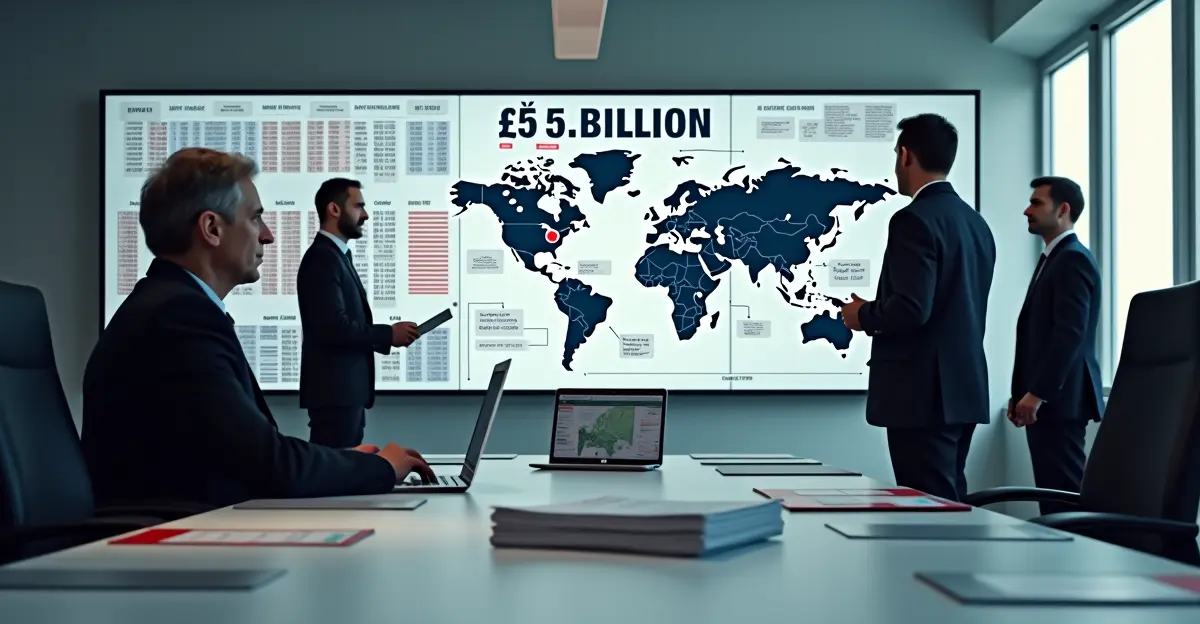
The European Public Prosecutor's Office uncovered a massive €5 billion fraud in the EU's COVID-19 recovery fund, with 512 investigations underway. This scandal raises serious questions about financial oversight and the integrity of pandemic relief programs.
Cardinal Caught With Phone During Pope Leo XIV Conclave: Major Vatican Security Breach Revealed

A cardinal was caught with a mobile phone during the 2025 papal conclave, marking a major security breach. The incident, detailed in a new book, occurred despite strict protocols and led to the election of Pope Leo XIV.
France Nuclear Expansion Guide: Macron's 2026 Deterrence Strategy Explained
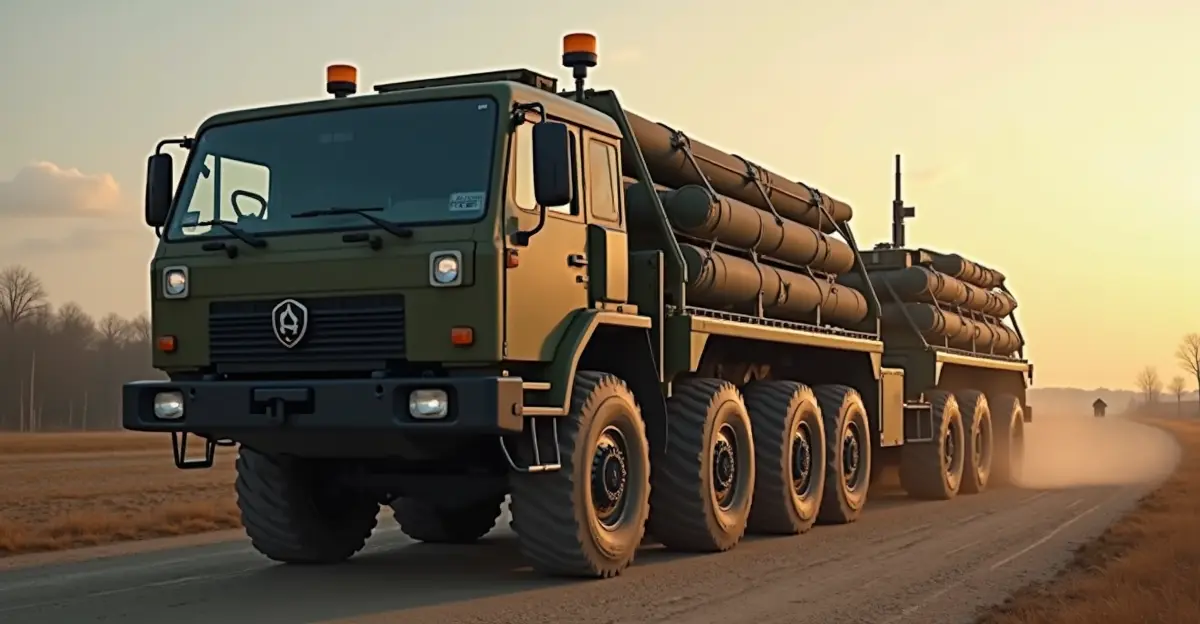
President Macron announced France's first nuclear arsenal expansion since 1992, involving cooperation with European allies. This advanced deterrence strategy aims to counter geopolitical threats and strengthen European security architecture.
Also Notable
Geopolitics
BRICS Expansion: A Real Challenge to Western Dominance?
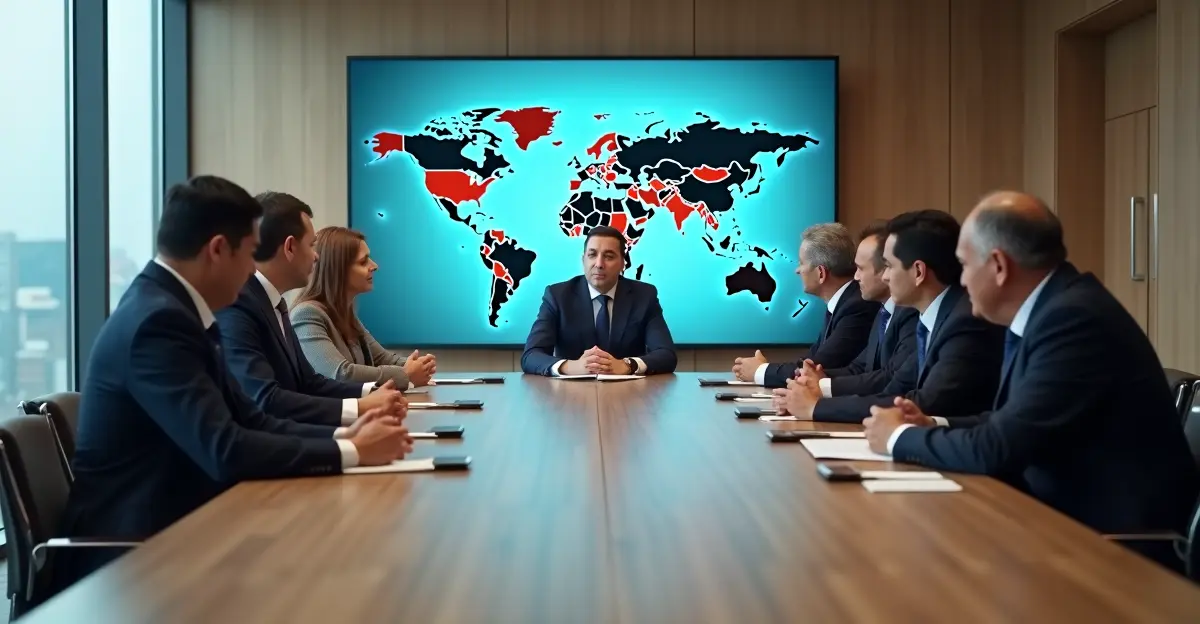
BRICS expanded to 11 nations, representing 45% of the world's population and 35% of global GDP, challenging Western institutions and accelerating de-dollarization efforts.
China's October 2025 Rare Earth Export Controls
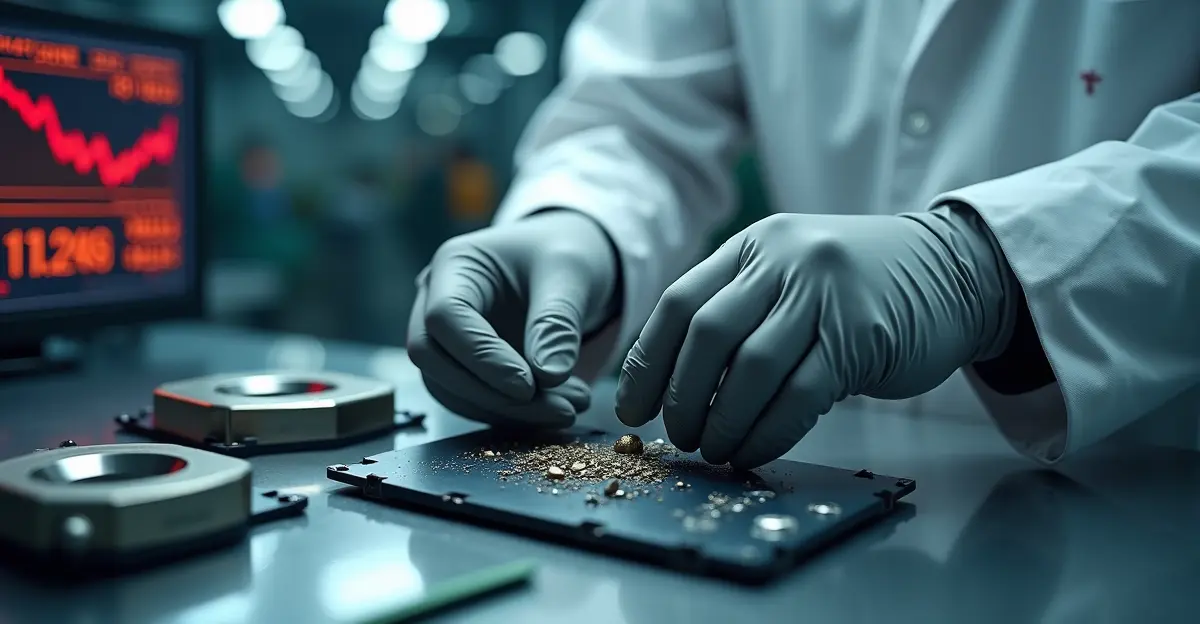
China imposed new export controls on rare earth elements, targeting five critical minerals and extending regulatory reach to foreign companies, impacting global supply chains.
Technology
The Pentagon's Quantum Pivot: How Quantum Technologies Are Reshaping Military Strategy
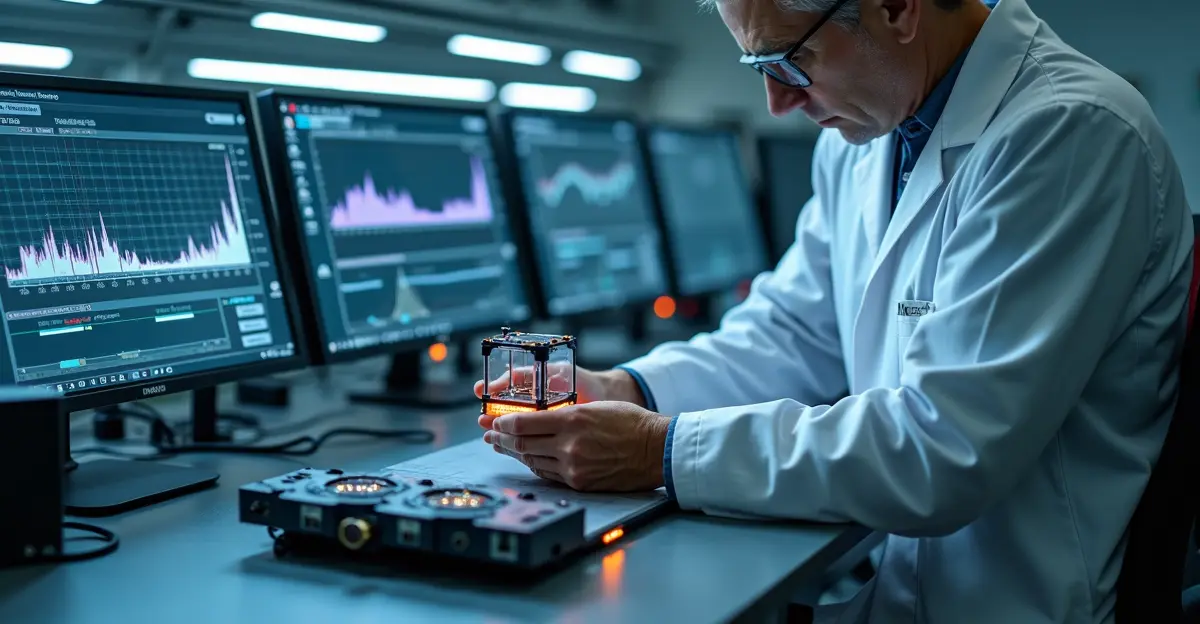
The Pentagon elevated quantum technology to a core battlefield imperative, focusing on resilient communications and navigation systems to maintain information dominance.
The Quantum Computing Pivot: How Semiconductor Giants Are Shifting Strategy Amid AI Dominance
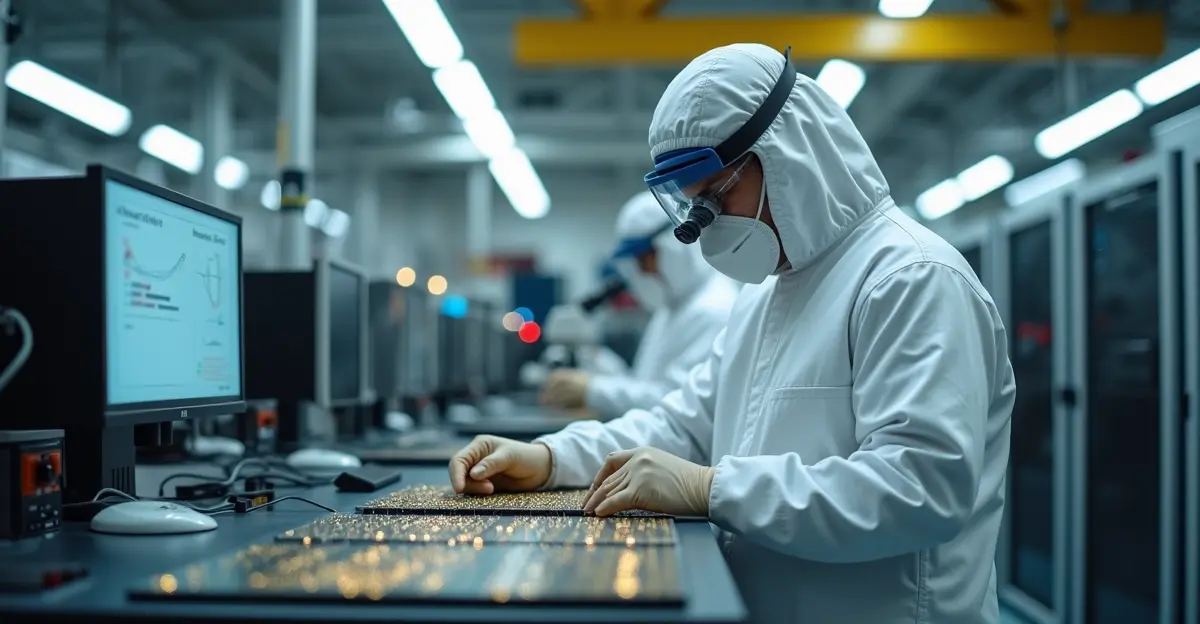
Intel and AMD are pivoting to quantum computing as NVIDIA dominates AI chips, with US government funding of $1.8 billion through 2029 supporting this strategic shift.
Energy
Critical Minerals Race: How Resource Nationalism is Redefining Global Energy Security
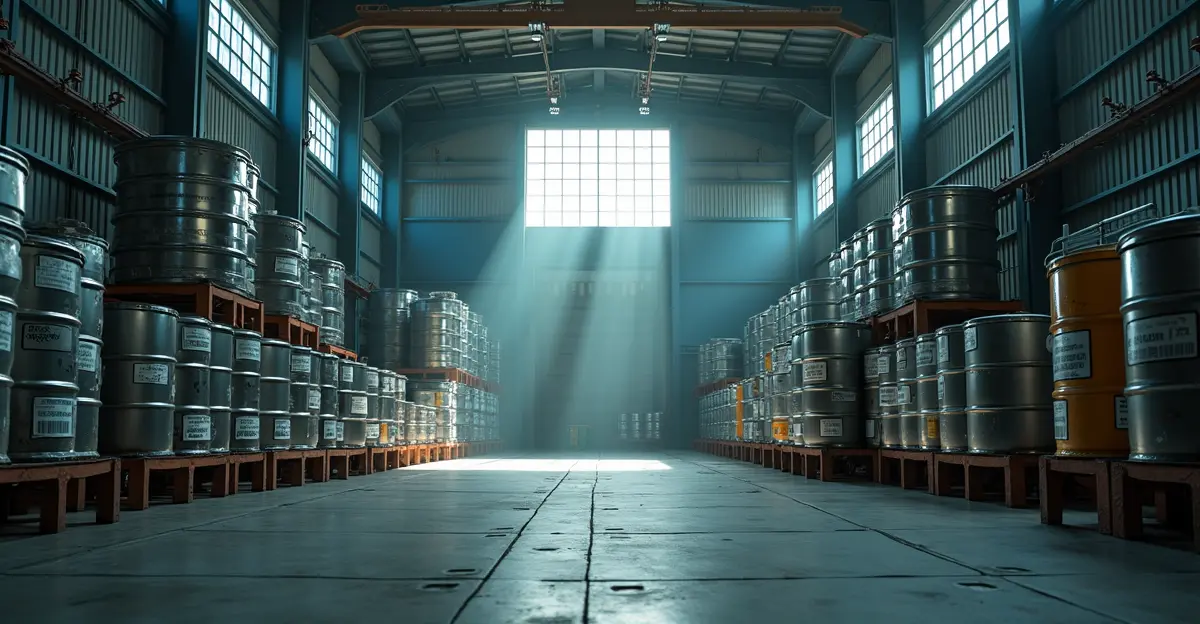
Nations are treating critical mineral supply chains as national security infrastructure, with over $30 billion in strategic reserve initiatives announced, reshaping global energy security.
What is Peak Oil Demand?
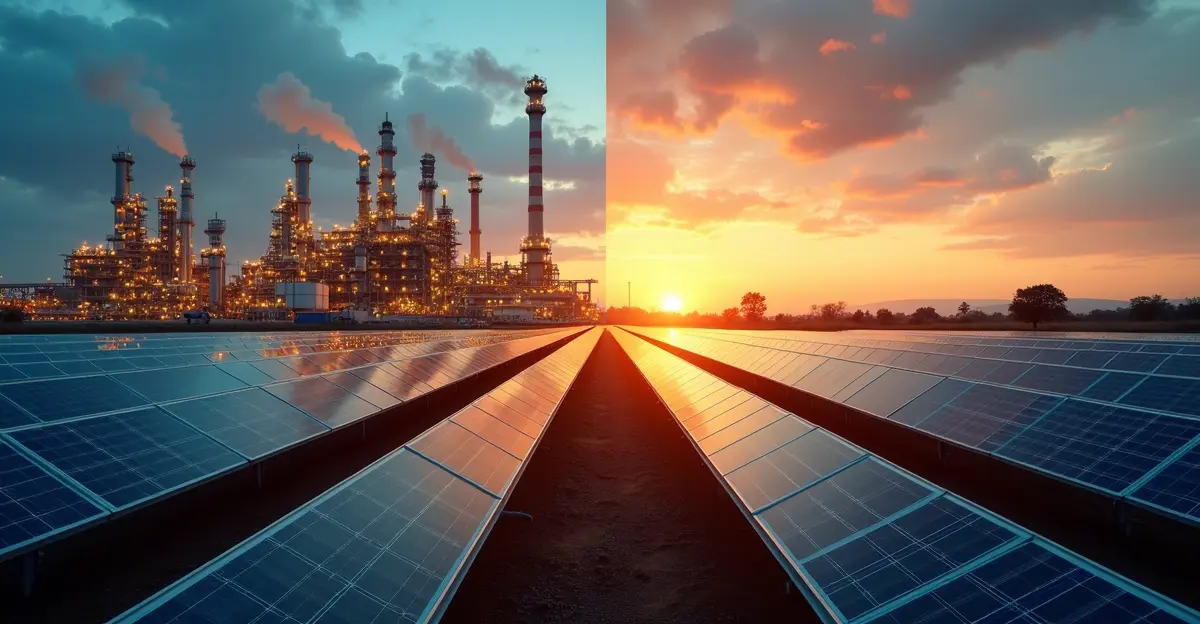
Global oil demand is projected to plateau by 2030, driven by EV adoption and energy transition policies, with significant forecast divergences between IEA and OPEC.
AI
AI-Powered Cybercrime: The Next Wave of Threats

AI-driven cyberattacks are escalating, with criminals using sophisticated tools for phishing, deepfakes, and malware, posing new challenges for organizations worldwide.
What is China's Big Fund III?
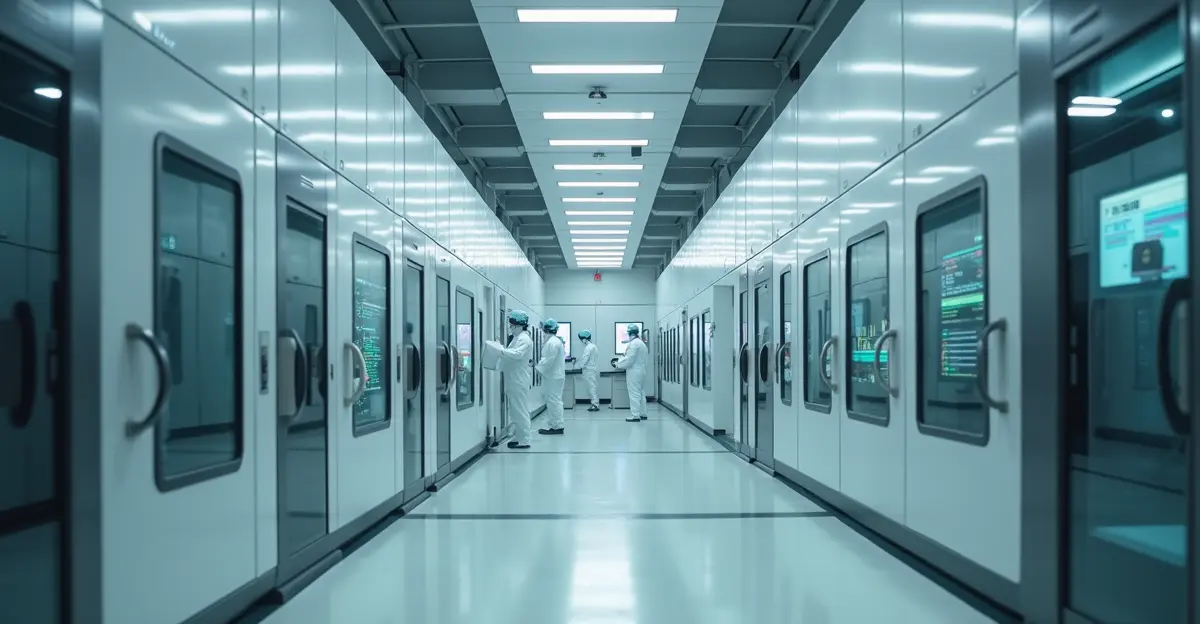
China launched a $47.5 billion semiconductor fund to boost self-sufficiency amid US export controls, focusing on AI chips, high-bandwidth memory, and equipment.
Trade War
Global Trade Analysis: Fragmentation vs Integration Trends Explained
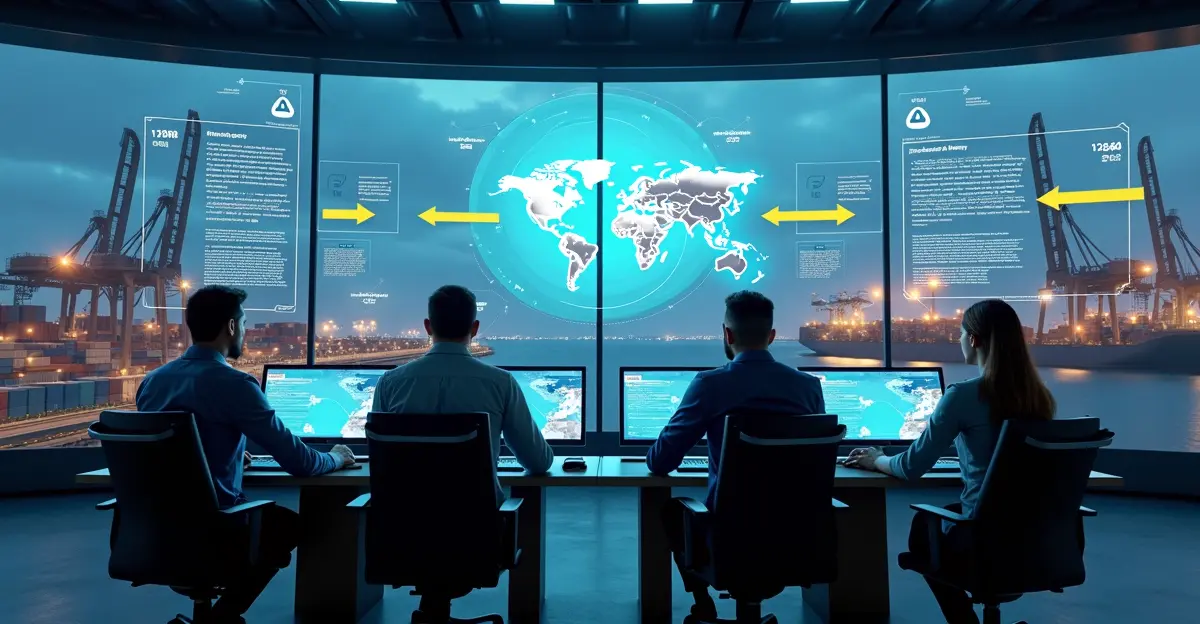
Global trade is caught between fragmentation driven by geopolitics and integration trends, with supply chains realigning and South-South trade surging.
What Are Trump Tariff Refunds?

Following a Supreme Court ruling, over 2,000 companies are seeking refunds of approximately $170 billion in tariffs declared illegal, creating a major legal battle.
Environment
Article 6 Explained: How COP29's Carbon Market Framework Reshapes Global Climate Finance
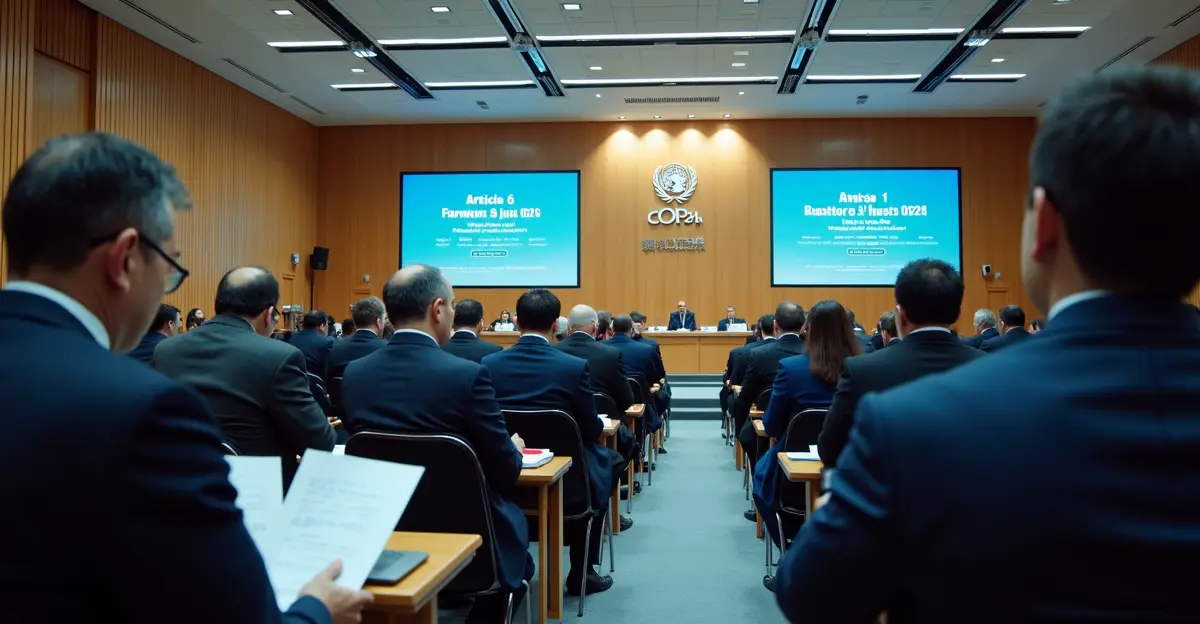
The operationalization of Article 6 carbon markets at COP29 establishes international trading mechanisms, transforming climate finance and corporate compliance strategies.
Future
The Future of Remote Work: Permanent Shift or Partial Return?

Remote work stands at a crossroads, with hybrid models showing productivity gains but corporate return-to-office mandates creating tensions in workforce dynamics.
Crypto
Stablecoins Under Pressure: Regulation Meets Innovation

The stablecoin market faces evolving regulations like the US GENIUS Act and EU MiCA, balancing innovation with financial stability concerns as tokenization advances.
War
What is Operation Epic Fury? US-Iran Conflict Explained

Operation Epic Fury is the US-led military campaign against Iran, targeting missile capabilities and nuclear infrastructure, with significant geopolitical and economic implications.
Geopolitics (Additional)
NATO Secretary General Mark Rutte Supports US-Israel Iran Campaign
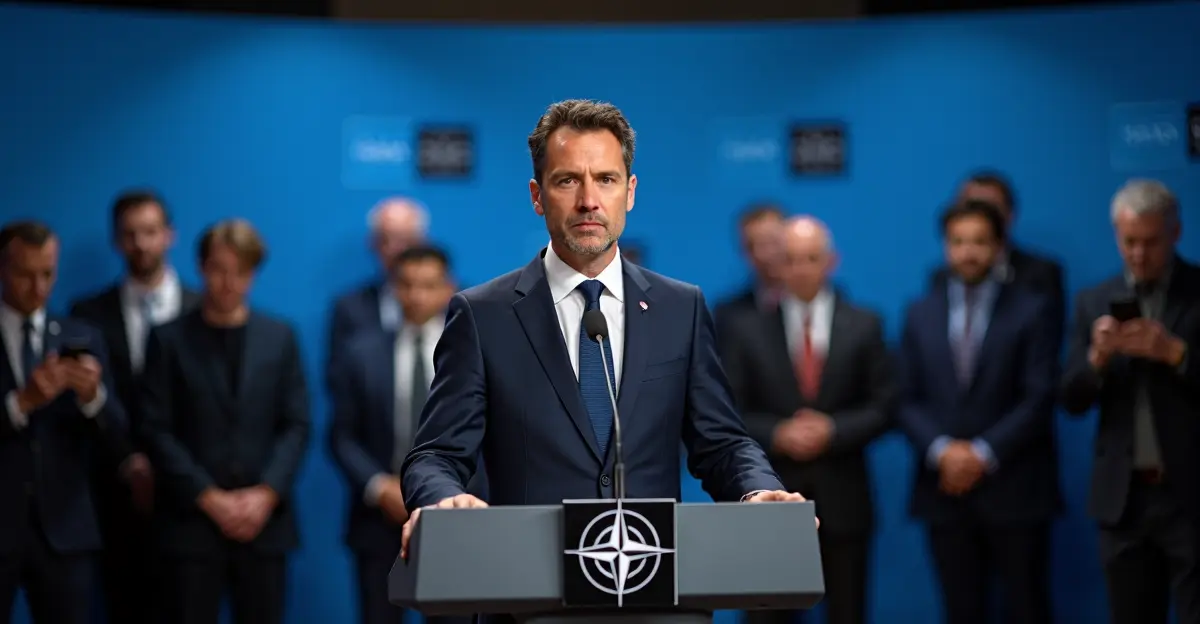
NATO's Mark Rutte expressed support for US-Israeli strikes against Iran, calling it a terrorist regime and highlighting potential benefits for Ukraine by disrupting drone supplies to Russia.
 Share this article



