


 Deutsch
 English
 Español
 Français
 Nederlands
 Português


 Share
Share




BRICS Expansion: A Real Challenge to Western Dominance?
The BRICS alliance's dramatic expansion in 2025-2026 represents a fundamental shift in global geopolitics, with the bloc now comprising 11 nations representing 45% of the world's population and 35% of global GDP. This unprecedented growth, adding Egypt, Ethiopia, Iran, UAE, Saudi Arabia, and Indonesia to the original five members, has created a formidable economic coalition that directly challenges Western-dominated institutions and could reshape international trade, currency markets, and global power structures for decades to come.
What is BRICS and Why Does Expansion Matter?
BRICS, originally coined by Goldman Sachs economist Jim O'Neill in 2001, has evolved from an investment concept to a powerful geopolitical bloc. The organization began with Brazil, Russia, India, and China in 2009, with South Africa joining in 2010. The 2024-2026 expansion represents the most significant enlargement in the bloc's history, transforming it into what analysts now call BRICS+. According to Carnegie Endowment research, this expansion reflects growing dissatisfaction with Western-dominated institutions among emerging economies seeking greater representation in global governance.
The 2025-2026 Expansion: Key New Members and Strategic Implications
The recent expansion includes strategically significant nations that dramatically enhance BRICS' global influence:
- Saudi Arabia and UAE: These Gulf nations bring control over approximately 40% of global crude oil production, giving BRICS unprecedented energy leverage.
- Indonesia: As Southeast Asia's largest economy and first regional member, Indonesia provides crucial access to ASEAN markets and maritime trade routes.
- Egypt and Ethiopia: These African nations strengthen the bloc's presence on the continent, with Egypt controlling the Suez Canal and Ethiopia representing East Africa's fastest-growing economy.
- Iran: Adds significant geopolitical weight and energy resources, though its inclusion creates tensions with Western nations.
The expansion has created internal dynamics worth noting. While China and Russia favor rapid expansion to counter Western influence, Brazil and India advocate for careful candidate evaluation, creating what experts call "strategic tensions" within the bloc. This internal debate mirrors broader discussions about the future of global governance and whether BRICS will evolve into an anti-Western coalition or serve as a reformist platform.
De-Dollarization: The Currency Revolution
How BRICS is Reducing Dollar Dependence
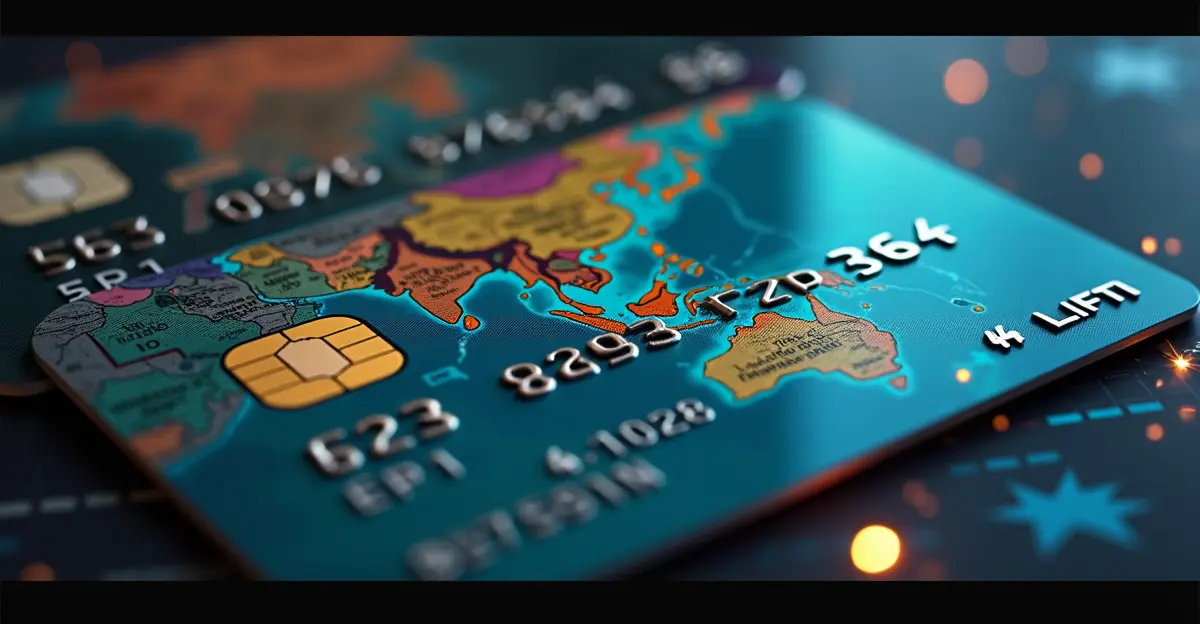
The most immediate impact of BRICS expansion is accelerating de-dollarization efforts. According to Ecoinimist reports, approximately 65% of BRICS trade now uses local currencies, with Russia reporting that 90% of its 2024 BRICS trade settlements used national currencies. This represents a seismic shift from traditional dollar-dominated trade patterns.
Key initiatives driving this transition include:
- Trans-Border Payment Initiative: Launched at the 2024 Kazan Summit, this system facilitates cross-border transactions without SWIFT.
- New Development Bank: Now conducts 30% of financing in local currencies across $32 billion in projects since 2016.
- BRICS Pay: A digital payment platform piloting in multiple member states.
- BRICS Grain Exchange: Proposed commodity trading platform using local currencies.
However, significant challenges remain. India's Reserve Bank Governor has stated the country is not actively pursuing de-dollarization, while Brazil rejected a shared BRICS currency in February 2025. These internal divisions highlight the complexity of coordinating monetary policy across diverse economies with different relationships to the global financial system.
Global Trade Implications: Reshaping Economic Flows
The expanded BRICS bloc now accounts for 40% of global goods trade, creating alternative trade corridors that bypass traditional Western hubs. Intra-BRICS trade has grown exponentially, with the bloc establishing almost 60 intragroup institutions and extensive networks including think tanks and policy dialogues. This represents a fundamental reorientation of global trade patterns away from transatlantic routes toward South-South cooperation.
Energy markets have been particularly transformed. With Saudi Arabia and UAE now members, BRICS controls approximately 40% of global crude oil production, giving the bloc unprecedented leverage in energy geopolitics. This development coincides with the global energy transition and creates new dynamics in commodity pricing and trade flows.
Geopolitical Impact: BRICS vs. G7 Power Dynamics
The expansion has intensified the rivalry between BRICS and the G7, creating what analysts describe as competing global power blocs. According to The Brief Desk analysis, BRICS now surpasses the G7 in purchasing power parity with $56 trillion GDP PPP compared to the G7's $45 trillion nominal GDP. This economic parity translates into growing political influence.
| Comparison | BRICS+ (2026) | G7 |
|---|---|---|
| Global Population | 45% | 10% |
| Global GDP (PPP) | $56 trillion | $45 trillion (nominal) |
| Oil Production | 40% | 15% |
| Institutional Focus | Development, de-dollarization | Rules-based order, climate leadership |
The fundamental tension lies in differing visions for global governance. While the G7 advocates for preserving the existing rules-based international order, BRICS pushes for a more multipolar system that better represents emerging economies. This divergence reflects broader debates about the future of multilateralism in an increasingly fragmented world.
Expert Perspectives: Divergent Views on BRICS' Future
Analysts remain divided on whether BRICS expansion represents a genuine challenge to Western dominance. Some view it as a watershed moment heralding a post-Western world order, while others see it as a loose coalition with limited cohesion. "The expanded BRICS+ reflects growing global dissatisfaction with Western-dominated institutions but is unlikely to create rigid Cold War-style blocs due to the group's internal heterogeneity," notes Carnegie Endowment research.
Russian Foreign Minister Sergey Lavrov has been particularly vocal about the bloc's ambitions, stating that BRICS represents "a new model of international relations based on equality, mutual respect, and consideration of each other's interests." However, Western officials express concern about the potential fragmentation of global governance systems.
Future Outlook: 2026 Expansion and Beyond
Looking ahead, BRICS plans further expansion in 2026 with a strong emphasis on including more African nations. South African Minister Ronald Lamola is actively pushing for Nigeria and Angola as top candidates, following Egypt's successful entry. Currently, 23 nations have submitted official applications including Bahrain, Malaysia, Turkey, and Vietnam, with 32 nations actively seeking membership.
The bloc faces several challenges, including internal coordination among diverse economies, external pressure from Western nations, and the technical complexities of creating alternative financial systems. However, the momentum appears strong, with the New Development Bank continuing to expand its local currency financing and technological initiatives like digital currencies gaining traction.
Frequently Asked Questions
What countries joined BRICS in 2025-2026?
Egypt, Ethiopia, Iran, UAE, Saudi Arabia, and Indonesia joined BRICS during 2024-2025, expanding the bloc from 5 to 11 members. Indonesia was the first Southeast Asian nation to join in early 2025.
How does BRICS expansion affect the US dollar?
BRICS expansion accelerates de-dollarization, with approximately 65% of BRICS trade now using local currencies. The US dollar's share of global reserves has dropped from 73% in 2001 to around 54% in 2025, partly due to BRICS initiatives.
Is BRICS creating its own currency?
While discussions about a common BRICS currency continue, Brazil rejected the idea in February 2025. Instead, the bloc focuses on local currency settlements, cross-border payment systems, and digital currency initiatives rather than a single shared currency.
How does BRICS compare to the G7 economically?
BRICS surpasses the G7 in purchasing power parity ($56 trillion vs. $45 trillion nominal GDP) and population (45% vs. 10% of global population), though the G7 maintains higher per capita wealth and technological advancement.
What are the main challenges facing expanded BRICS?
Key challenges include internal coordination among diverse economies, external pressure from Western nations, technical implementation of alternative financial systems, and balancing rapid expansion with institutional coherence.
Sources and Further Reading
This analysis draws from multiple sources including Carnegie Endowment research, Ecoinimist reports, The Brief Desk analysis, and InfoBRICS expansion updates. Additional context comes from Wikipedia's BRICS overview and recent economic analyses of global trade patterns.




Follow Discussion