


 Deutsch
 English
 Español
 Français
 Nederlands
 Português


 Share
Share




The 2026 Geoeconomic Confrontation: How Strategic Competition Is Redefining Global Financial Stability
The World Economic Forum's 2026 Global Risks Report has identified geoeconomic confrontation as the top risk most likely to trigger a global crisis, with 18% of respondents selecting it as the primary threat. This comprehensive analysis examines how retreating multilateralism and intensifying strategic competition between major powers are creating new systemic risks in global finance, particularly through emerging market capital flows, supply chain fragmentation, and the weaponization of economic interdependence. The International Monetary Fund's upcoming April 2026 Global Financial Stability Report reveals how capital flows through nonbank institutions are creating new vulnerabilities in emerging markets that could be exploited in strategic competition.
What is Geoeconomic Confrontation?
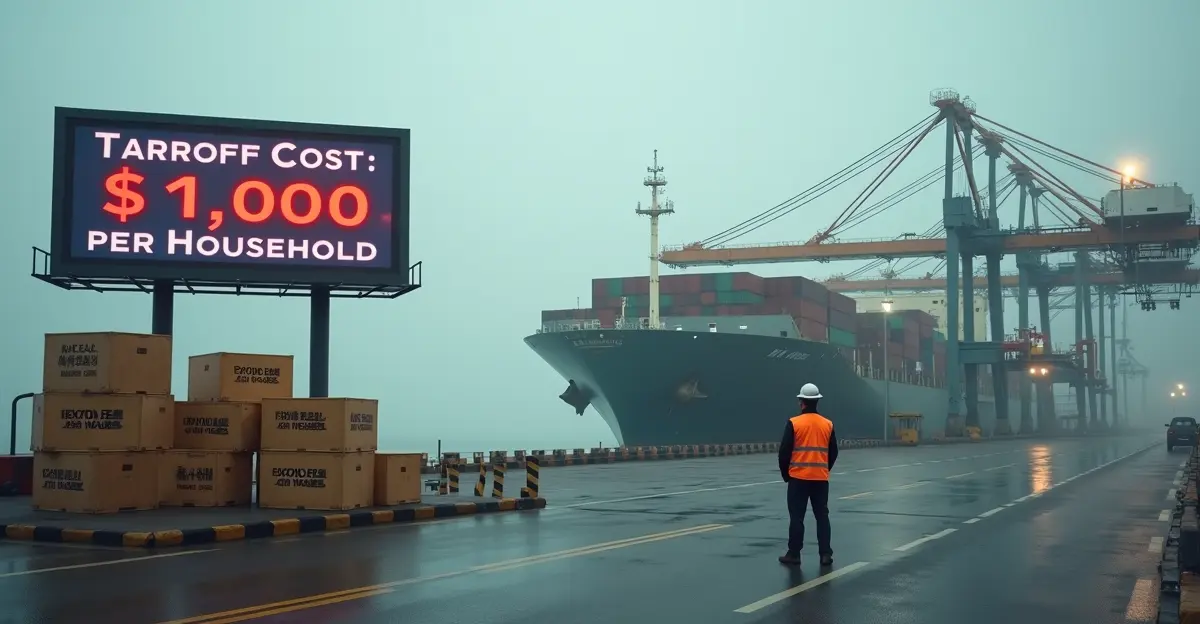
Geoeconomic confrontation represents the strategic use of economic tools—including trade policies, sanctions, investment restrictions, and currency manipulation—as weapons of statecraft in geopolitical competition. According to the World Economic Forum's 2026 report, this phenomenon has risen from ninth place in 2025 to become the top global risk, reflecting a fundamental shift in how nations pursue strategic objectives. The report surveyed over 1,300 global experts who identified the use of trade, investment, sanctions, and industrial policy as strategic weapons against geopolitical rivals as the most likely trigger for a global crisis within two years. This trend reflects a year marked by renewed trade wars, aggressive tariffs, and a retreat from multilateralism that threatens the global financial architecture established after World War II.
The IMF's Warning: Nonbank Financial Institutions and Emerging Market Vulnerabilities
The International Monetary Fund's April 2026 Global Financial Stability Report provides critical insights into how financial vulnerabilities are evolving in this new competitive landscape. The report warns that global financial stability risks are elevated due to ongoing conflicts, potential inflationary pressures, and rising risks of tighter financial conditions. Key concerns include falling equity prices, rising bond yields, and disproportionate impacts on emerging markets.
Nonbank Financial Intermediaries: The New Transmission Channel
The IMF identifies several amplification channels that could transmit market stress into broader financial instability, including sovereign debt rollover risks, nonbank financial intermediary leverage, and stretched equity valuations. The report highlights how cross-border portfolio flows intermediated by nonbank financial institutions present both opportunities and heightened sensitivity to global risk shifts. These institutions—including hedge funds, private equity firms, and investment funds—now control approximately $239 trillion in global assets, creating complex interconnections that can rapidly transmit shocks across borders.
According to IMF Financial Counsellor Tobias Adrian, "Markets are adjusting to higher energy prices and renewed inflation concerns, pushing bond yields up and weighing on risk asset prices. While markets remain orderly, financial conditions could tighten further if geopolitical conflicts persist." Emerging markets have been particularly impacted, with currencies and capital flows under pressure in energy-importing countries. The IMF recommends policymakers prepare liquidity facilities, maintain credible macroeconomic frameworks, and strengthen oversight of nonbank financial intermediaries to preserve financial stability.
Strategic Competition and Financial Weaponization
The World Economic Forum report describes an "age of competition" marked by fragmentation and confrontation, with 50% of respondents expecting turbulent or stormy conditions in the next two years. This fragmentation has rendered traditional institutions like the WTO and UN largely ineffective, with nations prioritizing security over economic efficiency, accepting higher inflation and disrupted supply chains for strategic autonomy.
Key Dimensions of Financial Weaponization
1. Sanctions and Financial Exclusion: The increasing use of targeted financial sanctions against state and non-state actors has created parallel financial systems and reduced dollar dominance in certain regions.
2. Investment Screening and Capital Controls: Nations are implementing stricter foreign investment reviews, particularly in strategic sectors like technology, energy, and critical infrastructure.
3. Currency Competition: The emergence of digital currencies and alternative payment systems challenges the traditional dominance of Western financial networks.
4. Supply Chain Financialization: Financial instruments tied to critical supply chains create new vulnerabilities that can be exploited during strategic competition.
The European Central Bank's recent report on "Financial stability risks from geoeconomic fragmentation" examines how increasing geopolitical tensions and economic fragmentation between countries and regions could pose risks to financial stability. Geoeconomic fragmentation refers to the decoupling of economies through trade barriers, financial sanctions, and technological restrictions that disrupt global supply chains, increase market volatility, and affect cross-border capital flows.
Impact on Emerging Markets and Global Financial Architecture
Emerging markets face disproportionate risks in this new geoeconomic landscape. The IMF report warns that these economies are particularly vulnerable to sudden stops in capital flows, currency volatility, and the spillover effects of strategic competition between major powers. The dominance of nonbank investors in emerging market debt creates new channels for financial contagion that could be exploited during periods of geopolitical tension.
The global financial system faces unprecedented challenges as traditional multilateral frameworks weaken. According to the World Economic Forum report, 68% of respondents expect a more fragmented global political environment over the next decade, with only 6% anticipating revival of the post-war international order. This fragmentation threatens coordinated responses to global challenges like climate change, pandemics, and financial crises.
Expert Perspectives and Policy Recommendations
Financial experts warn that the current trajectory could lead to a more volatile and fragmented global financial system. The IMF recommends several policy measures to strengthen resilience:
1. Enhanced Monitoring: Strengthening surveillance of cross-border capital flows and nonbank financial intermediaries
2. Liquidity Preparedness: Ensuring central banks have adequate liquidity facilities ready for market stress
3. Macroeconomic Frameworks: Maintaining credible inflation targeting and fiscal discipline in emerging markets
4. International Cooperation: Preserving channels for multilateral dialogue despite strategic competition
The European Central Bank analysis explores how fragmentation could disrupt global supply chains, increase market volatility, affect cross-border capital flows, and create vulnerabilities in the financial system. The report assesses potential impacts on European financial institutions, markets, and the broader economy, while considering policy implications for maintaining financial stability in an increasingly fragmented global landscape.
Frequently Asked Questions
What is geoeconomic confrontation?
Geoeconomic confrontation refers to the strategic use of economic tools—including trade policies, sanctions, investment restrictions, and currency manipulation—as weapons in geopolitical competition between nations.
Why is geoeconomic confrontation the top global risk in 2026?
The World Economic Forum's 2026 Global Risks Report identifies it as the top risk because 18% of global experts believe it's most likely to trigger a material global crisis, reflecting increased weaponization of economic tools and retreat from multilateralism.
How do nonbank financial institutions create vulnerabilities?
Nonbank financial institutions control $239 trillion in global assets and create complex interconnections that can rapidly transmit financial shocks across borders, particularly affecting emerging markets through sudden capital flow reversals.
What are the main financial weapons in strategic competition?
Key financial weapons include targeted sanctions, investment screening mechanisms, currency manipulation, supply chain controls, and restrictions on technology transfers and critical minerals.
How can emerging markets protect themselves?
Emerging markets can strengthen macroeconomic frameworks, build foreign exchange reserves, diversify trading partners, enhance financial regulation of nonbank institutions, and participate in regional financial safety nets.
Conclusion: Navigating the New Financial Landscape
The convergence of geoeconomic confrontation and financial vulnerabilities creates unprecedented challenges for global stability. As strategic competition intensifies and traditional multilateral frameworks weaken, the global financial system faces increased fragmentation and volatility. The IMF and World Economic Forum reports provide crucial warnings about these interconnected risks, highlighting the need for enhanced monitoring, stronger policy frameworks, and preserved channels for international cooperation. The weaponization of economic interdependence represents a fundamental shift in global relations that will reshape financial markets, capital flows, and economic security for years to come. Policymakers, financial institutions, and investors must adapt to this new reality while working to preserve the stability of the international financial system that has underpinned global prosperity for decades.





Follow Discussion