


 Deutsch
 English
 Español
 Français
 Nederlands
 Português


 Share
Share




Critical Minerals Race: How Resource Nationalism is Redefining Global Energy Security
In a fundamental shift reshaping global energy security, nations worldwide are treating critical mineral supply chains as national security infrastructure rather than commercial flows, with over $30 billion in strategic reserve initiatives announced in recent months. This new era of resource nationalism represents a structural transformation in how governments approach supply chain vulnerabilities during an age of intense geopolitical competition, moving decisively from market-based solutions to strategic stockpiling and geopolitical positioning.
What is Resource Nationalism in Critical Minerals?
Resource nationalism refers to government policies that assert greater control over strategic mineral resources essential for modern technologies, renewable energy, and defense systems. Unlike traditional market approaches, this new phase involves treating supply chains as national security infrastructure, implementing export restrictions, and leveraging mineral resources for geopolitical advantage. The current wave differs from historical patterns by being driven primarily by economic factors and strategic positioning rather than ideology, with nations recognizing that control over critical minerals translates directly to industrial competitiveness and military capability.
The Global Stockpiling Race Accelerates
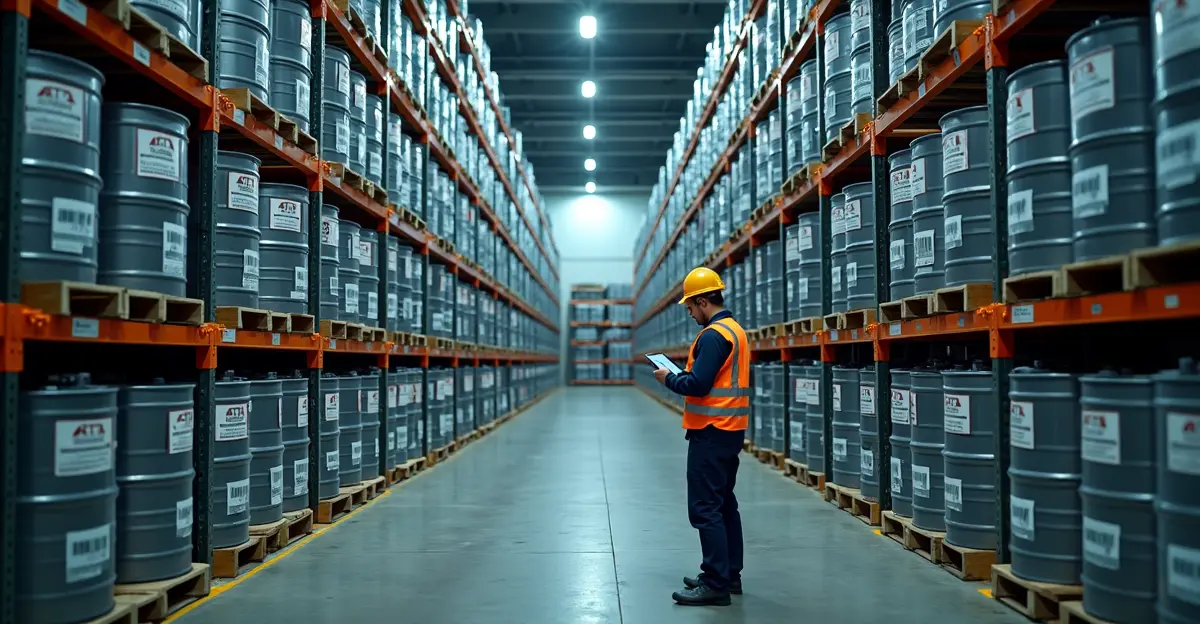
Recent months have witnessed unprecedented acceleration in strategic mineral reserve initiatives across major economies. The United States has proposed a $12 billion Project Vault strategic mineral reserve, designed to stockpile rare earths and essential metals for electrification, defense, and advanced manufacturing. According to State Department documents, the U.S. currently imports 100% of 12 critical minerals and over 50% of 29 others, with China controlling 70% of global rare earth mining and 90% of processing capacity.
Australia has committed $800 million to establish a Critical Minerals Strategic Reserve focusing on antimony, gallium, and rare earth elements. These minerals are essential for clean-energy technologies, high-tech manufacturing, and advanced military hardware including night-vision equipment, radar systems, and fighter jets. The European Union is advancing its RESourceEU strategy to establish joint stockpiling of critical raw materials, with Italy, France, and Germany expected to lead the initiative.
Key Strategic Reserve Initiatives
- U.S. Project Vault: $12 billion strategic reserve financed with $2 billion in private funds and a $10 billion loan from the U.S. Export-Import Bank
- Australia's Critical Minerals Reserve: $800 million focusing on antimony, gallium, and rare earth elements
- EU RESourceEU: Joint stockpiling strategy with ambitious 2030 targets including 10% domestic sourcing and 40% processing capacity
- South Korea's Strategy: $172 million critical minerals framework to reduce reliance on concentrated supply chains
- India-Brazil Cooperation: Deepening partnership to build alternative supply networks outside traditional risk zones
Geopolitical Implications and Supply Chain Fragmentation
The shift toward strategic stockpiling represents more than just economic policy—it reflects a fundamental rethinking of national security in an interconnected world. According to analysis from the Atlantic Council, critical mineral supply chains are increasingly brittle with dangerous concentration in few countries. China's dominance in rare-earth processing and recent export controls have heightened global vulnerabilities, prompting nations to build strategic reserves as buffers against geopolitical risks.
The 2026 Critical Minerals Ministerial, hosted by the United States with 54 countries and the European Commission, represents a major international effort to reshape global markets. Key outcomes included eleven new bilateral critical minerals frameworks and the launch of FORGE (Forum on Resource Geostrategic Engagement) as the successor to the Minerals Security Partnership. As noted by Secretary of State Marco Rubio, "We must address the highly concentrated market that poses risks of political coercion and supply chain disruptions."
Impact on Global Trade Patterns
This strategic shift is already altering global trade patterns and investment flows. Nations are prioritizing sovereignty over efficiency, leading to potential supply chain fragmentation as countries seek to reduce dependence on concentrated sources. Research from Oxford University's TIDE program indicates that welfare losses from resource nationalism are unequally distributed, with major industrialized countries suffering more absolute welfare losses while developing nations face higher price effects.
Investment Implications and Infrastructure Development
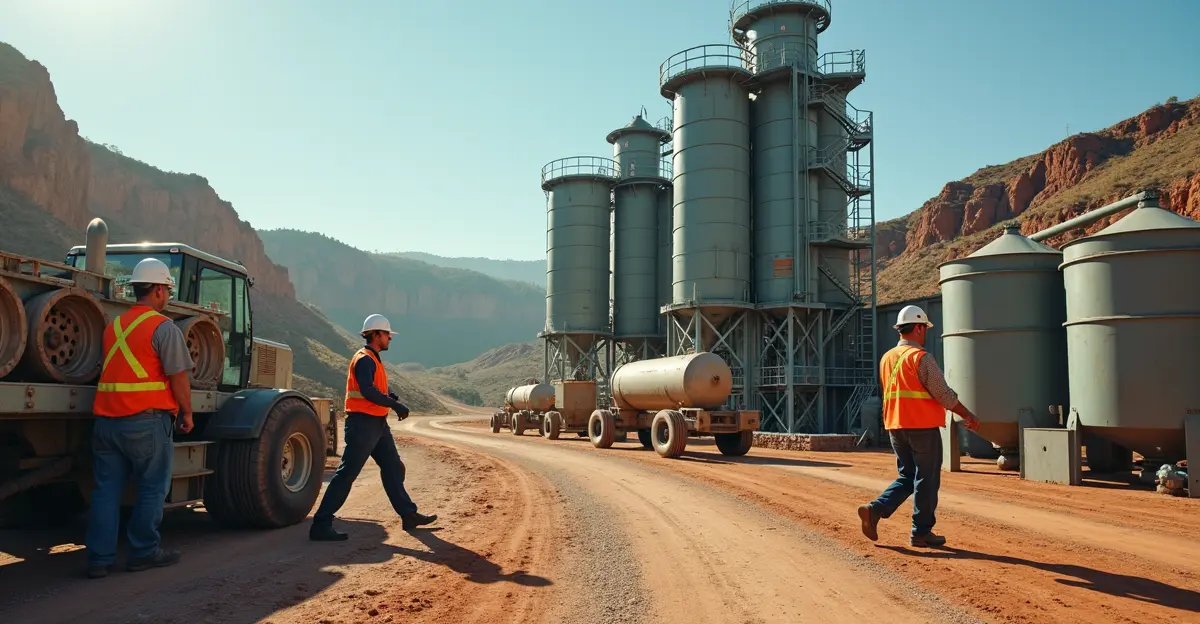
The U.S. government has mobilized over $30 billion in financing support for critical minerals projects over the past six months, signaling massive investment in mining and processing infrastructure. Major companies including General Motors, Stellantis, Boeing, and Google are involved in Project Vault, reflecting the broad industrial recognition of supply chain vulnerabilities.
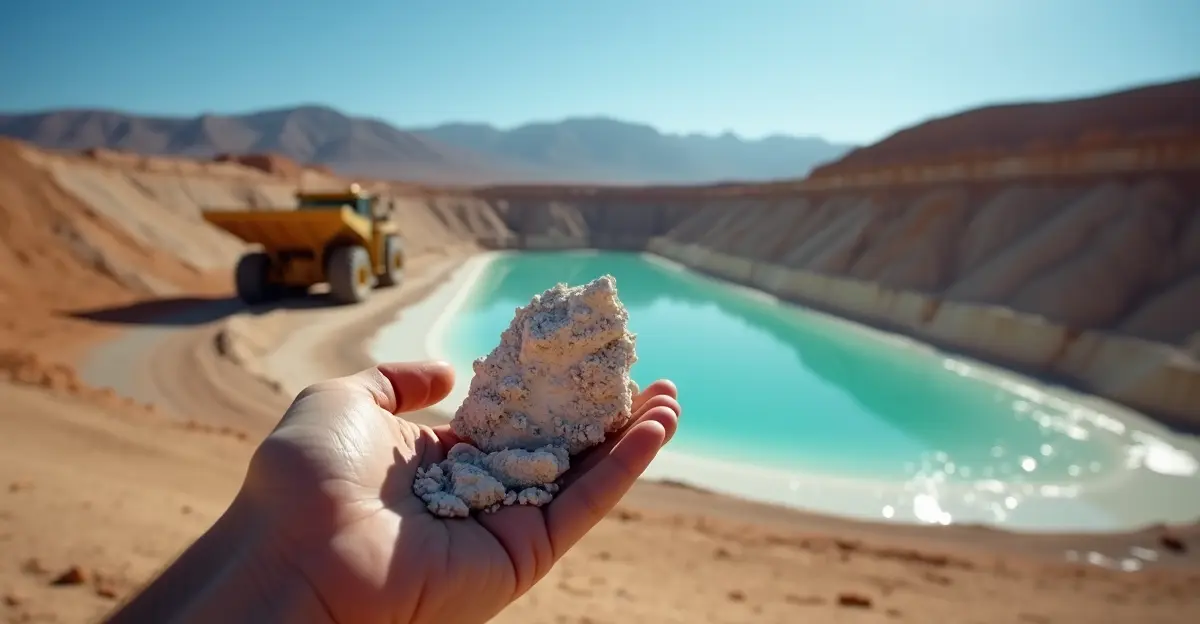
Australia's advantages include political stability, established mining infrastructure, and technical expertise in hard-rock extraction, positioning it as a key partner for diversification efforts. The Australia-EU Critical Raw Materials Partnership represents a strategic alliance addressing global supply chain vulnerabilities, with Australia holding approximately 50% of global lithium resources and significant rare earth deposits.
Expert Perspectives on the Structural Shift
Analysts note that today's stockpiling differs from past cycles, driven more by geopolitical risks and industrial policy than traditional supply-demand imbalances. According to a recent CNBC analysis, "This trend reflects a structural change where governments now view supply chains as national security infrastructure rather than purely commercial flows." The shift represents what some researchers term 'Resource Nationalism 2.0'—a new phase where countries implement policies to secure domestic supplies and leverage mineral resources for geopolitical advantage.
The RFF report on critical mineral resilience concludes that structured international cooperation with selective domestic expansion best serves national interests, given resource constraints, long mine development timelines, and high costs of diversifying processing capacity. While geographic diversification could reduce price risks, substantial costs require careful balancing of benefits.
Future Outlook and Strategic Considerations
As nations continue to build strategic reserves, several key trends are emerging. First, the focus is shifting from mere diversification to building resilient, cost-competitive supply chains that can withstand both geopolitical and climate-related disruptions. Second, international cooperation frameworks like FORGE will play crucial roles in coordinating efforts and preventing wasteful duplication. Third, the transition will require significant investment in processing capacity, as controlling refining and manufacturing capabilities proves as important as securing raw materials.
The implications extend beyond energy security to encompass broader economic competitiveness and technological leadership. Nations that successfully navigate this transition will secure advantages in advanced manufacturing, clean energy deployment, and defense capabilities, while those that fail may face strategic vulnerabilities in an increasingly competitive global landscape.
Frequently Asked Questions
What are critical minerals and why are they important?
Critical minerals are materials of strategic or economic importance essential for modern technologies, renewable energy systems, defense applications, and advanced manufacturing. They include rare earth elements, lithium, cobalt, graphite, and other metals crucial for batteries, electronics, and clean energy technologies.
How does resource nationalism differ from traditional trade policies?
Resource nationalism involves treating mineral supply chains as national security infrastructure rather than purely commercial flows. It includes strategic stockpiling, export restrictions, and leveraging resources for geopolitical advantage, representing a fundamental shift from market-based approaches to strategic government intervention.
Which countries are leading the strategic reserve initiatives?
The United States ($12 billion Project Vault), Australia ($800 million reserve), European Union (RESourceEU strategy), South Korea ($172 million framework), and India-Brazil partnership are among the leaders. China's dominance in processing has prompted these diversification efforts.
What are the main risks of concentrated supply chains?
Concentrated supply chains create vulnerabilities to geopolitical coercion, export restrictions, price manipulation, and disruption from conflicts or natural disasters. China's control of 90% of rare earth processing exemplifies these risks, prompting global diversification efforts.
How will this affect global trade and investment patterns?
The shift will likely lead to supply chain fragmentation as nations prioritize sovereignty over efficiency, increased investment in mining and processing infrastructure in diversified locations, and new trade partnerships focused on strategic mineral security rather than purely economic considerations.


Follow Discussion