


 Deutsch
 English
 Español
 Français
 Nederlands
 Português


 Share
Share




What is the Urban Community Garden Voucher Program?
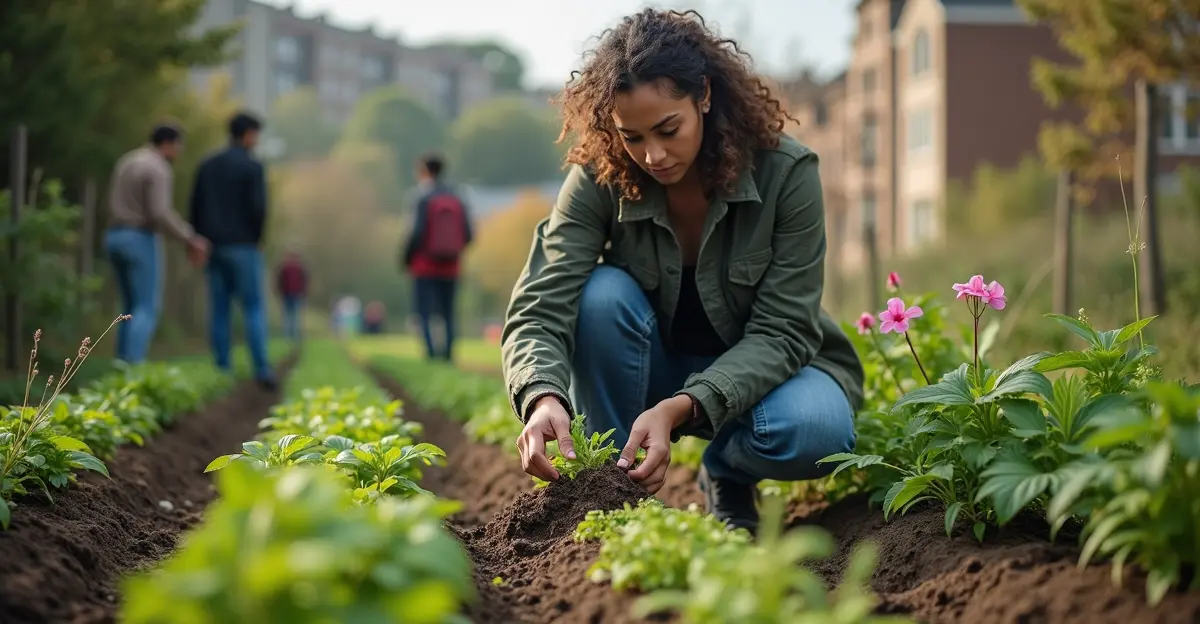
The Urban Community Garden Voucher Program represents a groundbreaking municipal initiative designed to stimulate local food production through direct financial support, technical assistance, and market development for citizen-led gardening projects. Launched in early 2025, this innovative approach provides qualifying residents with vouchers redeemable for seeds, tools, soil amendments, and educational resources, creating a sustainable framework for urban agriculture development in underserved neighborhoods. According to recent data, similar programs have reduced household food insecurity from 31% to just 3% in participating communities, while increasing daily fruit and vegetable consumption by 1.4 times among participants.
Program Structure and Funding Mechanisms
The voucher program operates through a multi-tiered funding approach that combines municipal allocations with federal grants and private partnerships. The core funding comes from a $1 million allocation through the USDA's Farm Service Agency's People's Garden Initiative, which partners with the National Fish and Wildlife Foundation's 2025 Five Star and Urban Waters Restoration program. This federal support is supplemented by local matching funds and corporate sponsorships, creating a robust financial foundation for the initiative.
Three-Tier Voucher Distribution System
The program employs a sophisticated three-tier voucher system:
- Starter Vouchers ($200 value): For new gardeners covering basic supplies
- Expansion Vouchers ($500 value): For established gardens seeking to scale production
- Market Access Vouchers ($300 value): Specifically for connecting produce to local markets
Technical Support Framework
Beyond financial assistance, the program provides comprehensive technical support through partnerships with local extension services, master gardener programs, and agricultural universities. This includes monthly workshops on organic growing techniques, soil testing services to address urban soil contamination concerns, and one-on-one consultations with horticulture experts. "The technical support component is what truly differentiates this program from previous initiatives," explains Charlotte Garcia, the program's lead coordinator. "We're not just handing out vouchers—we're building capacity and knowledge that will last for generations."
Distribution Networks and Local Market Integration
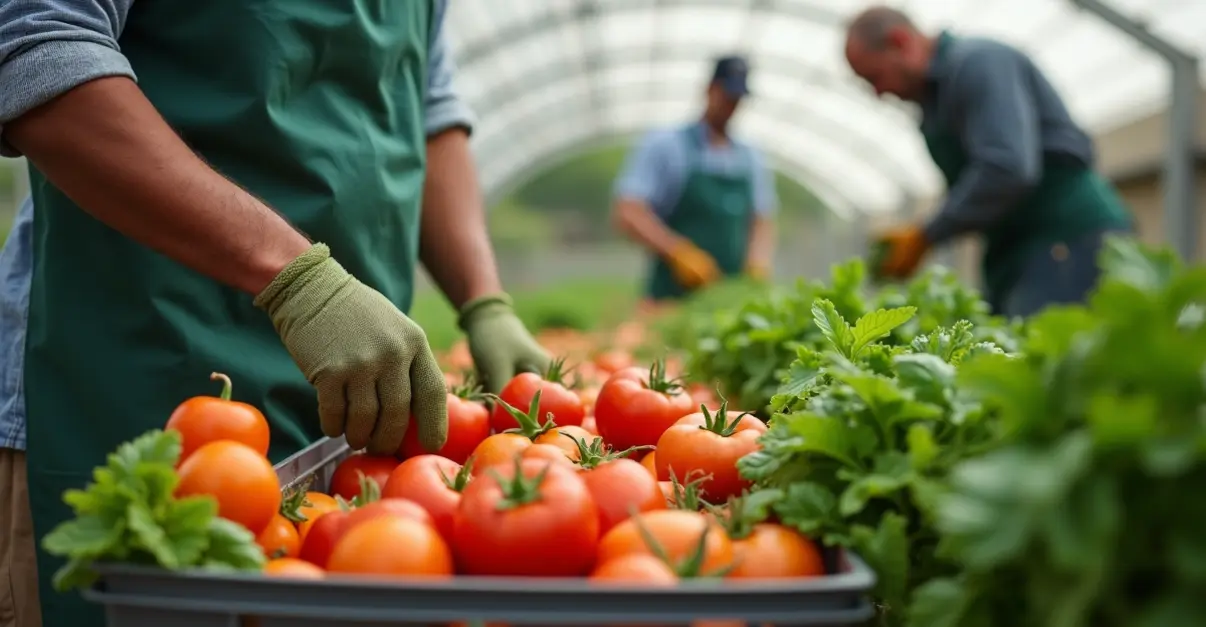
The program's most innovative aspect is its integrated distribution network that connects garden produce directly to local markets. Through strategic partnerships with farmers' markets, community-supported agriculture (CSA) programs, and local grocery cooperatives, participants can convert their surplus produce into supplemental income. The USDA Farmers Market and Local Food Promotion Program provides additional funding ranging from $25,000 to $750,000 specifically for market development and food distribution infrastructure.
Success Metrics and Impact Data
Early results from pilot programs show remarkable outcomes:
- Average participating household increases produce consumption by 40%
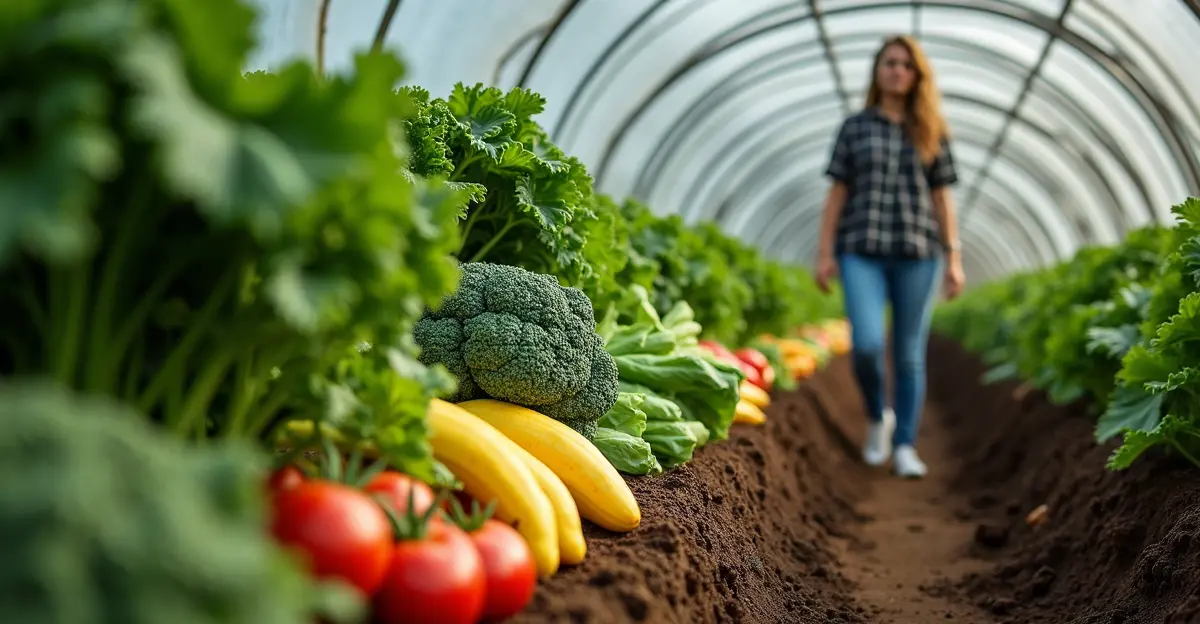
- Community gardens generate approximately 2,500 pounds of fresh produce annually per 1,000 square feet
- Program participants report 25% higher community engagement scores
- Local food miles reduced by an average of 1,200 miles per garden annually
Eligibility and Application Process
Eligibility for the voucher program prioritizes underserved communities with limited access to fresh produce. Applicants must demonstrate community need, propose sustainable gardening practices, and commit to educational outreach. The application window for 2026 funding opened on November 1, 2025, with a deadline of January 30, 2026. Successful applications typically include detailed project plans, community support letters, and measurable goals aligned with food security initiatives.
Comparative Analysis: Voucher Programs vs. Traditional Grants
| Feature | Voucher Program | Traditional Grants |
|---|---|---|
| Accessibility | Lower barriers, immediate use | Complex applications, delayed funding |
| Flexibility | Participants choose specific needs | Restricted to pre-approved expenses |
| Administrative Overhead | 15-20% lower | Higher reporting requirements |
| Community Engagement | Direct participant involvement | Often managed by organizations |
| Scalability | Easier to expand incrementally | Requires new grant cycles |
Future Outlook and Expansion Plans
Looking toward 2026, program administrators plan to expand the initiative to include specialized vouchers for vertical farming systems and aquaponics setups, particularly in densely populated urban areas with limited ground space. Additional partnerships with local restaurants and institutional food services are being developed to create guaranteed markets for garden produce. The long-term vision includes establishing a self-sustaining fund where successful gardens contribute a percentage of their market earnings to support new participants, creating a virtuous cycle of community investment.
Frequently Asked Questions
Who qualifies for the urban garden voucher program?
Residents of participating municipalities, particularly those in designated food desert areas, community organizations, schools, and non-profits focused on food security initiatives. Priority is given to projects demonstrating clear community benefit and sustainable practices.
What can voucher funds be used for?
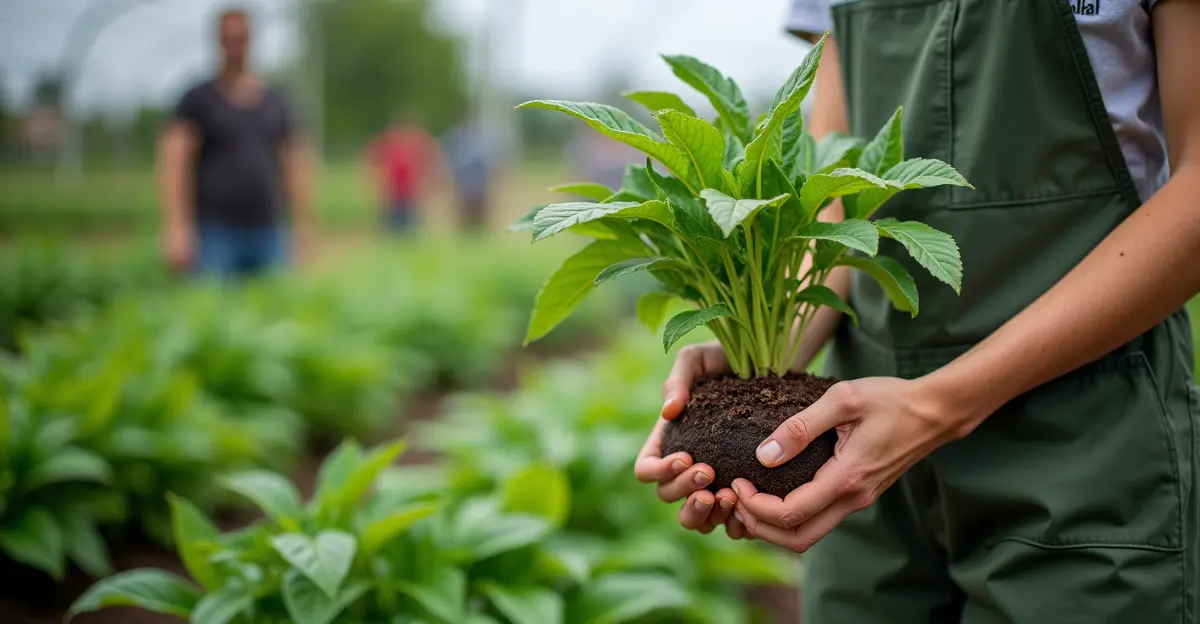
Vouchers are redeemable for seeds, seedlings, gardening tools, soil amendments, irrigation equipment, educational materials, and in some cases, small infrastructure improvements like raised beds or composting systems.
How does the technical support component work?
Participants receive access to monthly workshops, one-on-one consultations with master gardeners, soil testing services, and digital resources covering topics from pest management to season extension techniques.
What happens to surplus produce?
The program facilitates connections to local markets through partnerships with farmers' markets, CSA programs, and food cooperatives. Some communities have established food-sharing networks where surplus is distributed to local food banks.
How is the program funded long-term?
Funding combines federal grants (like the USDA's $1 million People's Garden Initiative), municipal allocations, corporate sponsorships, and in some regions, a percentage of successful gardens' market earnings reinvested into the program.


Follow Discussion