


 Deutsch
 English
 Español
 Français
 Nederlands
 Português


 Share
Share




New Urban Gardening Voucher Initiative Aims to Transform Communities
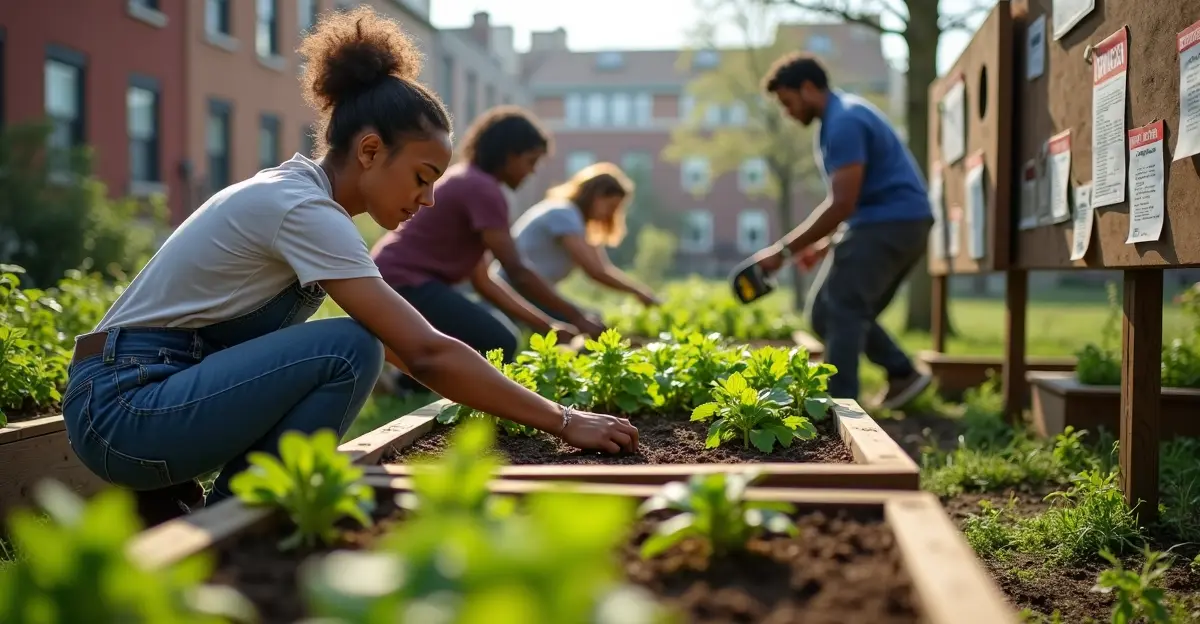
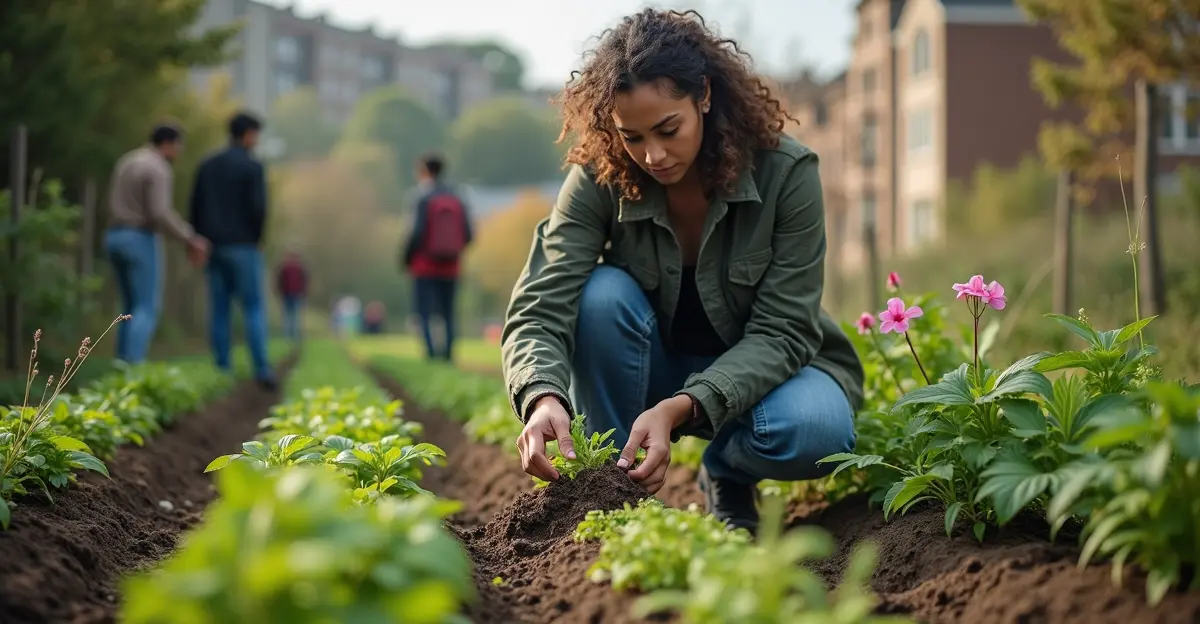
A groundbreaking urban gardening voucher program has officially launched across the nation, marking a significant shift in how cities approach food security, community development, and environmental sustainability. The initiative, announced earlier this week, provides direct financial support to individuals and community groups looking to establish or expand urban gardening projects.
Program Details and Funding Structure
The voucher program offers grants ranging from $500 to $5,000 for eligible urban gardening projects, with a total initial funding pool of $25 million. According to program documents, vouchers can be used for purchasing seeds, soil, gardening tools, irrigation systems, and other essential supplies. The program specifically targets underserved urban areas classified as food deserts, where access to fresh produce is limited.
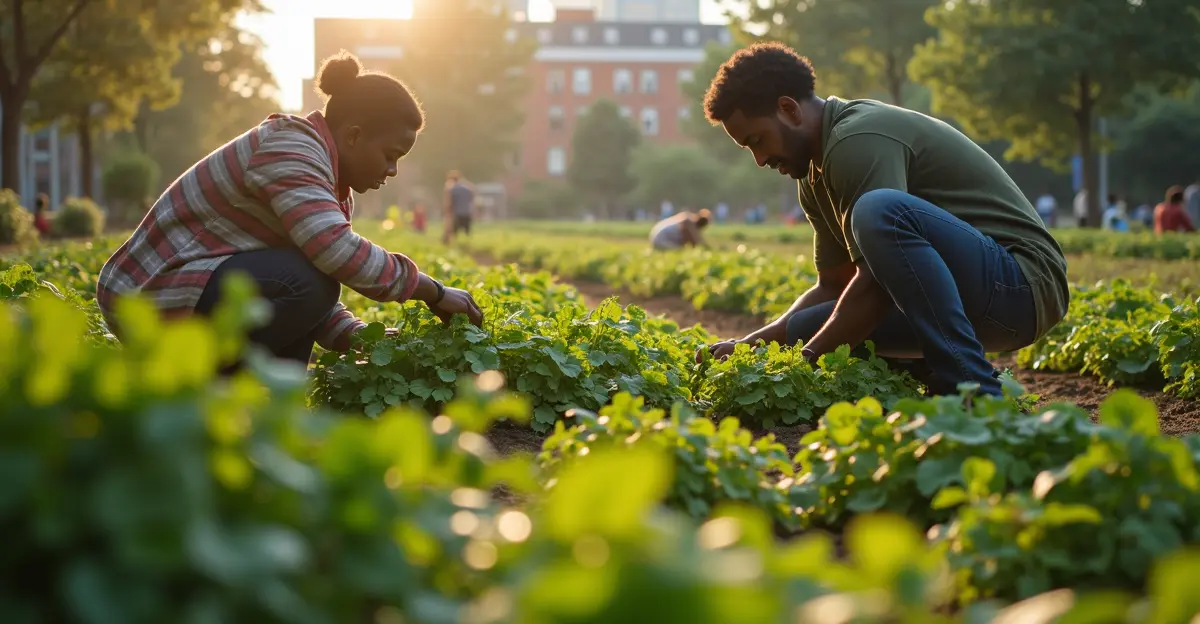
'This isn't just about growing vegetables—it's about growing communities,' said program director Maria Rodriguez during the launch announcement. 'We're seeing incredible enthusiasm from neighborhoods that have been waiting for this kind of support for years.'
Policy Implications and Market Impact
The voucher program represents a significant policy shift toward decentralized food production and community-led environmental initiatives. Experts predict the program could create new markets for urban agriculture supplies and services, potentially generating thousands of local jobs. The initiative aligns with broader federal efforts like the USDA Urban Agriculture Programs and complements existing grant programs such as the New York State Urban Farms and Community Gardens Grant Program.
Dr. James Wilson, an urban agriculture policy analyst at the Urban Sustainability Institute, noted: 'What makes this program innovative is its accessibility. Unlike traditional grants that require extensive paperwork and organizational capacity, these vouchers put resources directly into the hands of community members who know their neighborhoods best.'
Community Response and Implementation
Early applications have already flooded in from community groups, schools, and neighborhood associations. The program requires applicants to demonstrate community support and outline how their gardening project will address local food needs. Successful projects will be monitored for two years to assess their impact on food security, community engagement, and environmental benefits.
According to recent analysis, urban agriculture funding has been increasing steadily, with multiple grant programs offering support through 2026. The new voucher program differs by providing smaller, more accessible amounts of funding that can be deployed quickly.
Historical Context and Future Outlook
Urban gardening has experienced several waves of development throughout history, from Victory Gardens during World War II to the community garden movement of the 1970s. Today's resurgence responds to multiple 21st-century challenges including climate change, food insecurity, and urban environmental degradation.
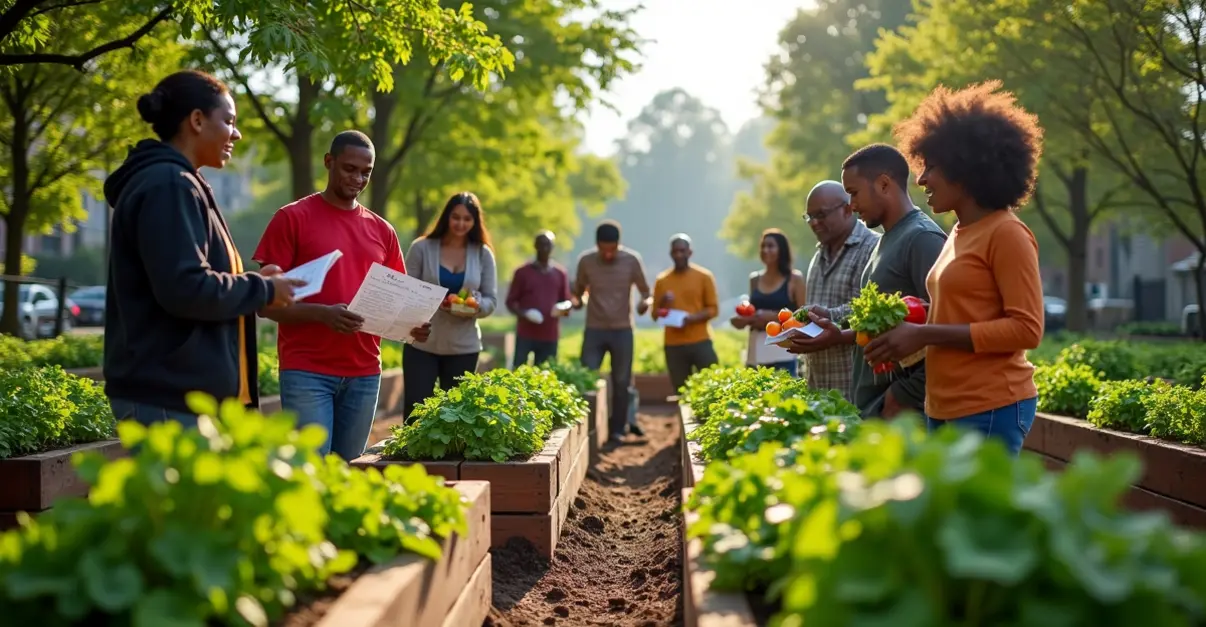
The program includes technical assistance components, connecting recipients with local extension services and gardening experts. 'We're not just giving people money—we're giving them the tools and knowledge to succeed long-term,' explained Rodriguez. 'This includes workshops on sustainable gardening practices, soil health management, and community organizing.'
As cities continue to grapple with the effects of climate change and economic inequality, programs like this urban gardening voucher initiative offer a practical, community-driven approach to building resilience. The success of this pilot program could pave the way for similar initiatives across the country, potentially transforming urban landscapes and food systems for generations to come.

Follow Discussion