


 Deutsch
 English
 Español
 Français
 Nederlands
 Português


 Share
Share




New Urban Gardening Voucher Initiative Aims to Transform City Landscapes
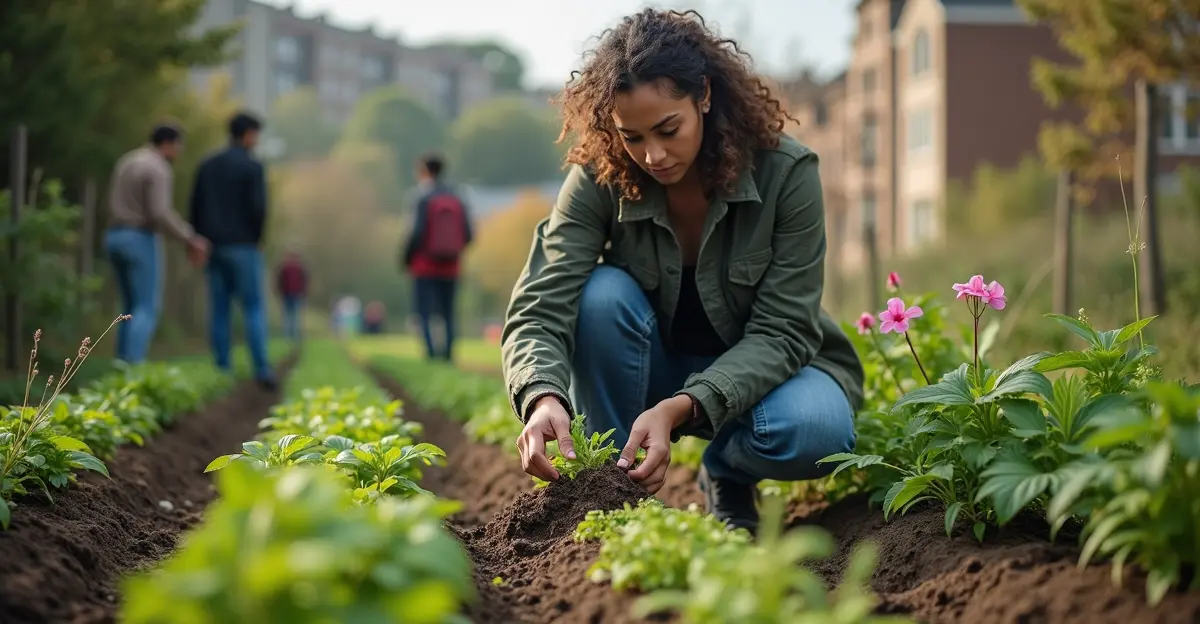
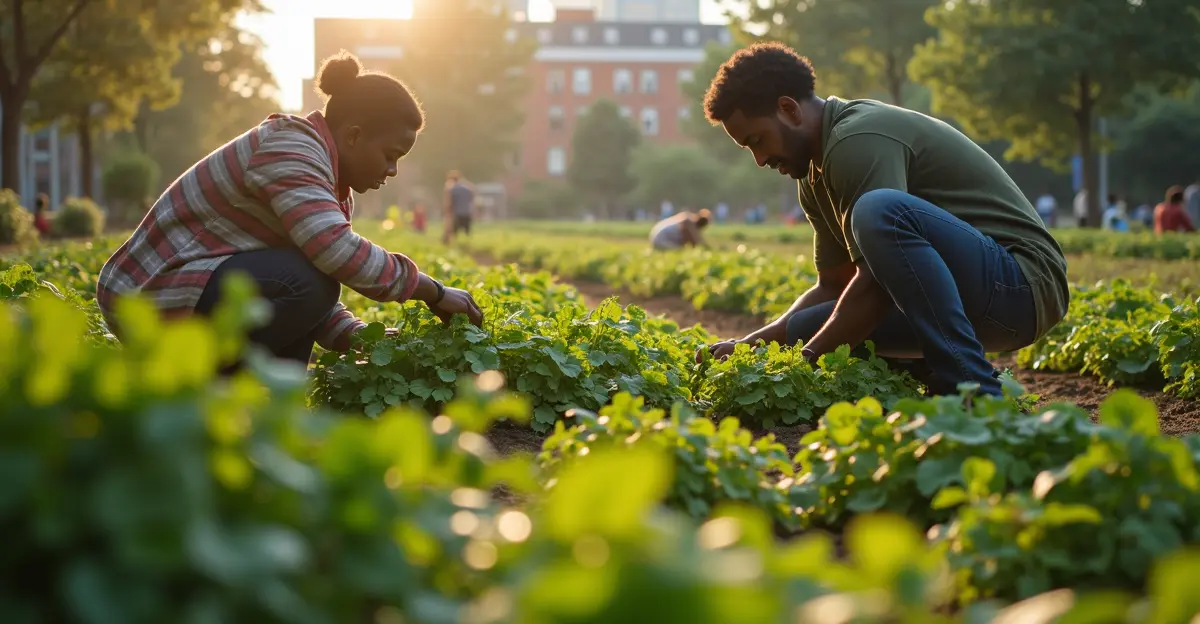
In a significant move to promote urban agriculture and community resilience, a new Urban Gardening Voucher Program has officially launched this month, offering financial support to transform underutilized city spaces into productive green environments. The initiative represents a major policy shift toward supporting local food production and community engagement in urban areas across multiple regions.
Program Details and Funding Structure
The voucher program provides direct financial assistance ranging from $200 mini-grants to $25,000+ for larger community projects, targeting individuals, nonprofits, educational institutions, and community groups. According to program administrators, the initiative is designed to address multiple urban challenges simultaneously: food security, environmental sustainability, and community building.
'This isn't just about planting gardens—it's about planting hope and resilience in our communities,' says program director Maria Rodriguez. 'We're seeing unprecedented interest from neighborhoods that have historically lacked access to fresh produce and green spaces.'
Policy Implications and Market Impact
The launch comes amid growing recognition of urban agriculture's role in addressing food deserts and climate resilience. Similar programs have shown remarkable results elsewhere: the Urban Agriculture Resilience Program has awarded $2.5 million to 131 projects across 34 states since 2020, resulting in over 720,000 pounds of produce grown and shared.
Policy analysts note this initiative aligns with broader trends in municipal governance. 'Cities are increasingly recognizing that urban agriculture isn't a luxury—it's a necessity for sustainable development,' explains urban policy expert Dr. James Chen. 'These voucher programs create local economic opportunities while addressing critical environmental and social challenges.'
Community Response and Implementation
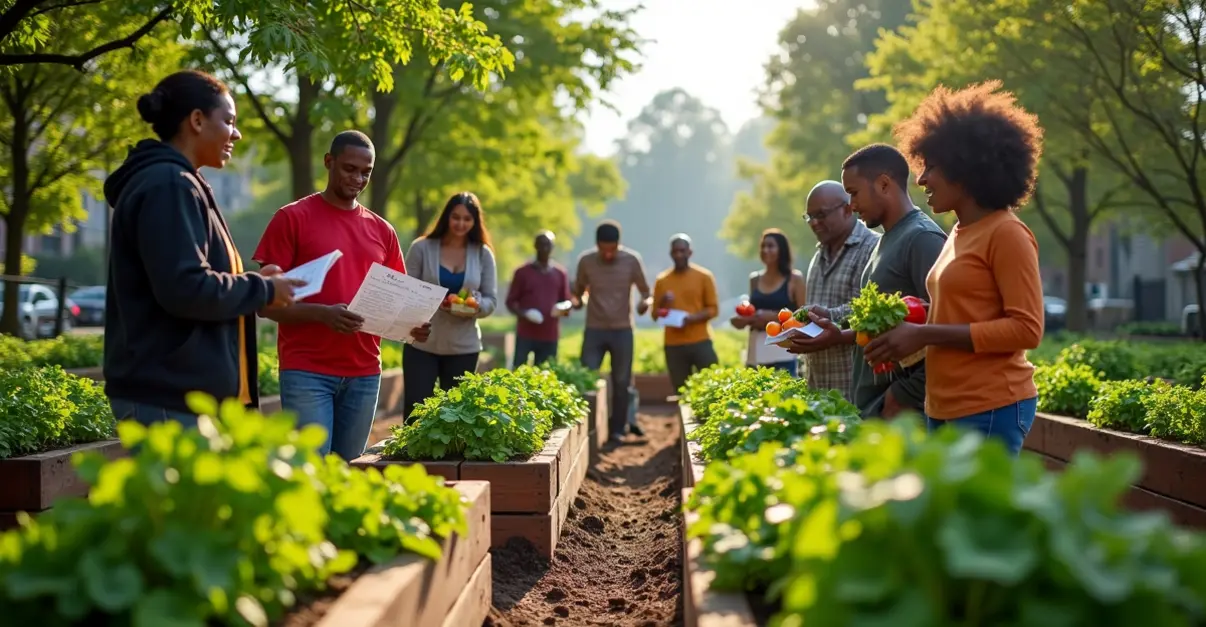
Early applications reveal diverse project proposals: rooftop gardens in apartment complexes, school garden expansions, community orchards in vacant lots, and vertical farming installations. The program requires applicants to demonstrate community support, clear maintenance plans, and measurable goals for food production or environmental benefits.
Community organizer Lena Washington, who's applying for a voucher to expand her neighborhood's garden, shares: 'We've been growing vegetables on a small plot for three years, but this funding could help us triple our production and offer gardening workshops to local youth. It's about more than food—it's about building skills and connections.'
Broader Context and Future Outlook
The voucher program joins several other urban agriculture funding initiatives with 2026 deadlines, including the New York State Urban Farms and Community Gardens Grant Program offering $2.5 million in funding, and federal programs like the USDA Community Food Projects Competitive Grant Program with up to $400,000 available.
Environmental advocates highlight the multiple benefits: reduced urban heat island effects, improved air quality, stormwater management, and increased biodiversity. 'Every dollar invested in urban gardening returns multiple benefits to the community,' notes sustainability researcher Dr. Anika Patel. 'We're seeing reduced grocery bills for participants, improved mental health outcomes, and stronger neighborhood bonds.'
As cities continue to grapple with climate change and food security challenges, urban gardening voucher programs represent a practical, scalable solution that empowers communities while creating greener, more resilient urban environments. The success of this initial launch will likely influence similar initiatives across the country in coming years.


Follow Discussion