


 Deutsch
 English
 Español
 Français
 Nederlands
 Português


 Share
Share




The Critical Minerals Cold War: How Geopolitical Competition is Reshaping Energy Transition Timelines
The intensifying geopolitical competition over critical minerals like lithium, cobalt, rare earths, and copper is creating strategic choke points that threaten to derail global energy transition goals. Recent stress tests by the Atlantic Council reveal US critical mineral stockpiles could be depleted within weeks if China imposes export bans, while UNCTAD's 2025 SDG Pulse highlights a $225 billion investment gap in developing country mining projects essential for supply chain diversification. This analysis examines how the emerging 'minerals diplomacy' is reshaping alliances from Africa to Latin America and whether current diversification efforts can overcome decades of supply chain concentration.
What is the Critical Minerals Cold War?
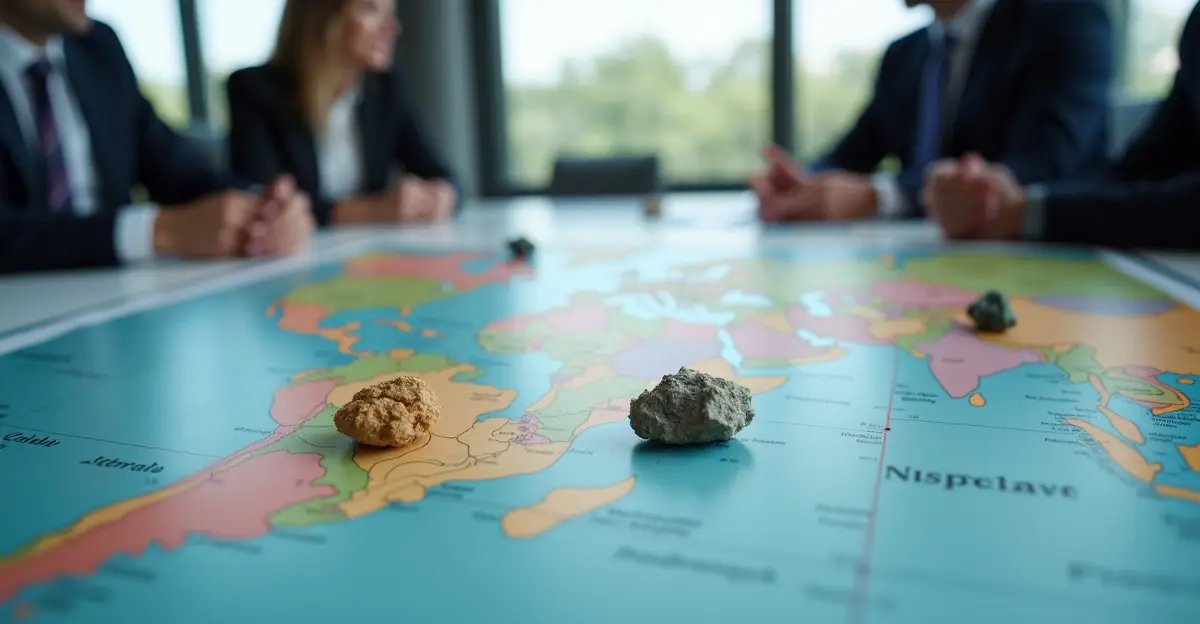
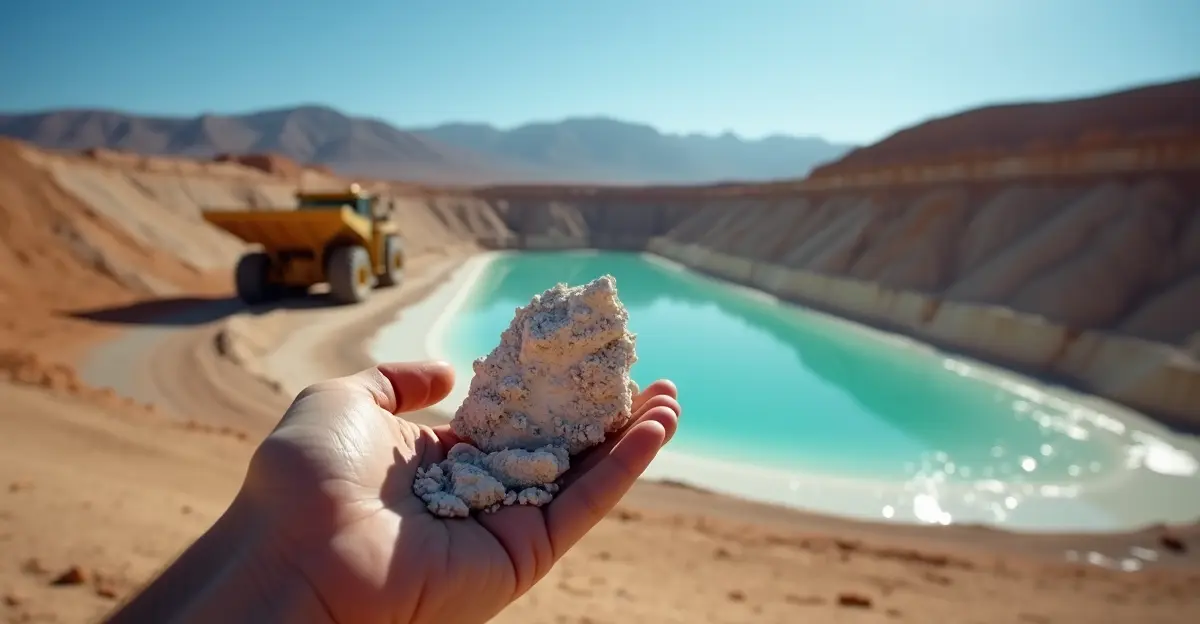
The critical minerals cold war refers to the intensifying geopolitical competition between major powers for control over minerals essential for clean energy technologies, defense systems, and digital infrastructure. Unlike traditional resource conflicts focused on oil, this competition centers on minerals like lithium for batteries, cobalt for electric vehicles, rare earths for wind turbines, and copper for electrical grids. China currently processes 80-90% of key minerals, creating a strategic vulnerability that Western nations are scrambling to address through industrial policy responses and new diplomatic alliances.
China's Dominant Position and Strategic Leverage
China's structural advantage in critical minerals stems not from resource ownership but from decades of investment in midstream processing capacity. According to recent analyses, China controls over 80% of global battery production and 90% of grid-scale batteries, with battery sales growing sixfold since 2020. The country has established deep integration through joint ventures and public-private partnerships in key lithium-producing regions like Argentina, Bolivia, and Chile. "China's critical mineral strategy is more nuanced than geopolitical narratives suggest," notes an East Asia Forum analysis, "balancing supply security with environmental reform, industrial upgrading, and technological advancement."
China's dominance creates strategic choke points that could disrupt global supply chains. The Atlantic Council stress tests reveal that US stockpiles of neodymium, dysprosium, and refined manganese could be depleted within weeks if China imposes export bans. This vulnerability extends beyond the US to European and Asian economies dependent on Chinese processing for their clean energy transitions.
The West's Belated Industrial Policy Responses
US Initiatives and Strategic Partnerships
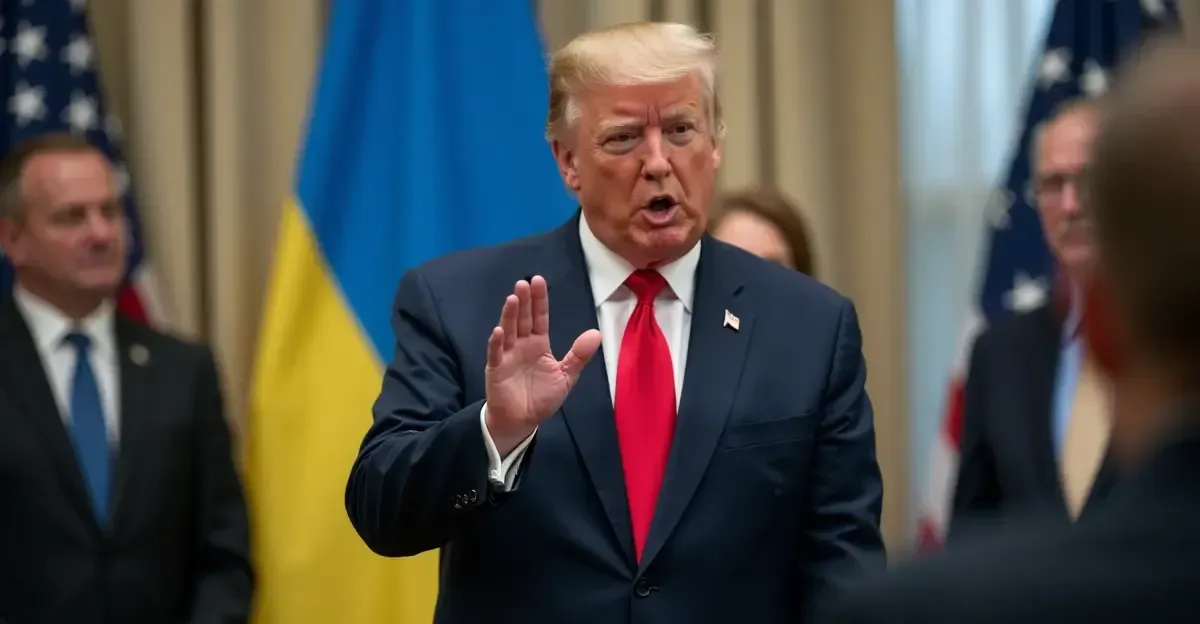
The United States has launched aggressive countermeasures to reduce dependence on Chinese critical minerals. The 2026 Critical Minerals Ministerial, hosted by Secretary of State Marco Rubio with Vice President JD Vance, brought together representatives from 54 countries and the European Commission. Key outcomes included signing 11 new bilateral critical minerals frameworks with countries like Argentina, Cook Islands, Ecuador, Guinea, Morocco, Paraguay, Peru, Philippines, UAE, UK, and Uzbekistan. The US government has mobilized over $30 billion in support for critical minerals projects over six months, including EXIM Bank's $10 billion Project Vault initiative to establish a domestic strategic reserve.
European Union's Sustainable Partnership Model
The European Union is pursuing a different approach, emphasizing sustainability and environmental standards in its minerals diplomacy with Latin America and Africa. Recent missions to Chile and Argentina focus on securing lithium for electric mobility targets through technology transfer and co-financing arrangements that convert raw lithium into battery-grade chemicals. In Africa, engagement with countries like Namibia and the Democratic Republic of Congo targets copper, cobalt, and rare-earth elements, emphasizing transparency, environmental safeguards, and infrastructure support.
Emerging Minerals Diplomacy Reshaping Global Alliances
The competition for critical minerals is transforming traditional diplomatic relationships and creating new geopolitical alignments. Resource-rich nations in Africa and Latin America have gained unprecedented bargaining power as demand for critical minerals surges. According to UNCTAD's SDG Pulse 2025, developing countries with rich mineral resources have a major opportunity to boost development by moving up the value chain from raw mineral exports to local processing and refining.
The Democratic Republic of Congo nearly tripled its cobalt export value through local processing, demonstrating how resource-rich nations can leverage their mineral wealth for industrial transformation. African nations are repositioning from resource suppliers to strategic actors, diversifying partnerships between Western powers and China rather than aligning exclusively with either superpower.
The $225 Billion Investment Gap and Supply Chain Diversification
UNCTAD's 2025 SDG Pulse highlights a critical $225 billion investment gap in developing country mining projects essential for supply chain diversification. This funding shortfall threatens to undermine global efforts to create resilient critical mineral supply chains. The report identifies 60 critical minerals that support structural transformation and proposes strategic priorities including investment in infrastructure, fairer trade rules, transparent governance, and knowledge sharing.
The investment gap is particularly acute in Africa, which captures only 4% of the value in the critical minerals sector despite supplying 12% of exports. Illicit financial flows in the minerals sector further undermine development gains, draining public revenues that could be invested in local processing capacity and infrastructure.
Strategic Implications for National Security and Climate Commitments
The critical minerals competition has profound implications for national security, economic competitiveness, and climate commitments. As mineral access becomes a primary geopolitical lever, nations face difficult trade-offs between energy security, economic interests, and environmental goals. The shift from 'just transition' to 'secure transition' thinking reflects growing recognition that controlling mineral value chains and advanced manufacturing capabilities will confer significant geopolitical leverage.
According to ODI analysis, critical minerals essential for energy transition, digital infrastructure, and defense remain central to geoeconomic competition. China is projected to supply over 60% of refined lithium/cobalt and 80% of battery-grade graphite/rare earths by 2035, maintaining its dominant position despite Western diversification efforts.
Expert Perspectives on the Minerals Cold War
Experts warn that treating China as the central risk could fragment supply chains and undermine global cooperation on climate goals. "More resilient critical mineral supply chains will depend on inclusive cooperation rather than exclusionary approaches," argues the East Asia Forum analysis. Others emphasize that the competition represents two development models: China's integrated approach with bundled infrastructure financing versus Western security-driven partnerships emphasizing standards and alliances.
The US-China rivalry over critical minerals is shifting from resource ownership to processing control, with the global south becoming the decisive battleground. Resource-rich countries are increasingly using geopolitical competition to advance their own industrialization goals rather than aligning exclusively with either superpower.
FAQ: Critical Minerals Geopolitics
What are critical minerals and why are they important?
Critical minerals like lithium, cobalt, rare earths, and copper are essential for clean energy technologies, electric vehicles, batteries, wind turbines, and digital infrastructure. They are crucial for the global energy transition from fossil fuels to renewable sources.
How dominant is China in critical minerals processing?
China processes 80-90% of key critical minerals, controls over 80% of global battery production, and 90% of grid-scale batteries. This dominance creates strategic vulnerabilities for Western economies dependent on Chinese processing for their clean energy transitions.
What is the $225 billion investment gap mentioned in UNCTAD's report?
UNCTAD's 2025 SDG Pulse identifies a $225 billion investment gap in developing country mining projects essential for supply chain diversification. This funding shortfall threatens to undermine global efforts to create resilient critical mineral supply chains.
How long could US critical mineral stockpiles last in a crisis?
Atlantic Council stress tests reveal US critical mineral stockpiles could be depleted within weeks if China imposes export bans on neodymium, dysprosium, and refined manganese. This vulnerability highlights the strategic risks of supply chain concentration.
What is minerals diplomacy and how is it reshaping alliances?
Minerals diplomacy refers to the use of diplomatic tools and partnerships to secure access to critical minerals. It is reshaping alliances from Africa to Latin America as resource-rich nations leverage their mineral wealth for industrial transformation and strategic partnerships.
Conclusion: Navigating the Minerals Cold War
The critical minerals cold war represents one of the defining geopolitical challenges of the 21st century, with profound implications for energy transition timelines, national security, and global economic competitiveness. While Western nations are belatedly responding to China's dominance through industrial policy and diplomatic initiatives, significant challenges remain in closing the $225 billion investment gap and building truly resilient supply chains. The success of global climate commitments may ultimately depend on whether nations can navigate this complex geopolitical landscape and develop cooperative approaches to critical mineral security that balance strategic interests with shared environmental goals.

Follow Discussion