


 Deutsch
 English
 Español
 Français
 Nederlands
 Português


 Share
Share




The Critical Minerals Race: How Geopolitics is Reshaping Energy Transition Supply Chains
The global energy transition faces a fundamental paradox: while nations race toward decarbonization, they're becoming increasingly dependent on critical mineral supply chains concentrated in geopolitically sensitive regions. According to the International Energy Agency's Global Critical Minerals Outlook 2025 published in May, China controls 95% of gallium production and 44% of refined copper output, creating unprecedented strategic vulnerabilities for Western economies. This concentration of mineral processing power is reshaping global alliances, trade policies, and even military strategies as nations scramble to secure access to lithium, cobalt, nickel, and rare earth elements essential for electric vehicles, renewable energy technologies, and defense systems.
What Are Critical Minerals and Why Do They Matter?
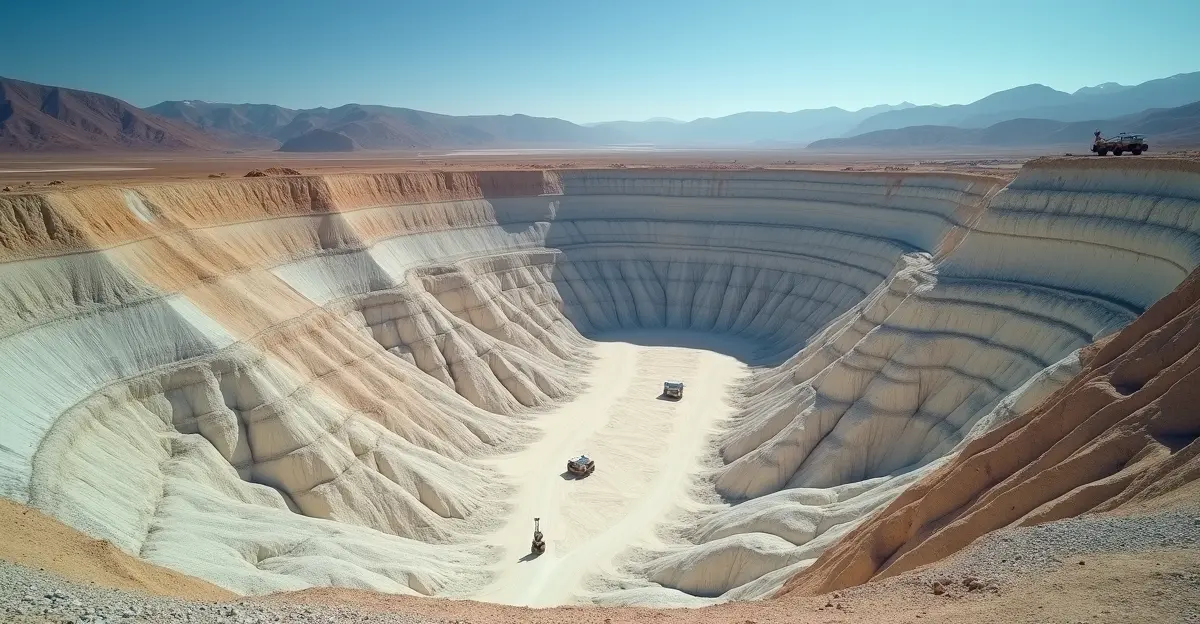
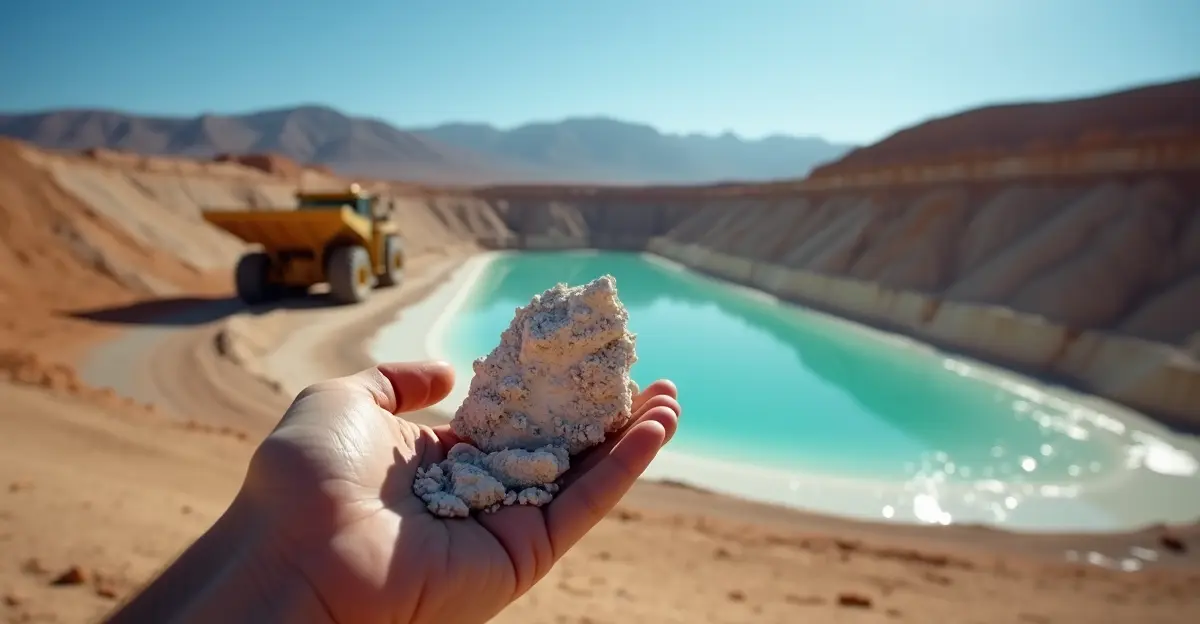
Critical minerals encompass approximately 50 raw materials essential for modern technologies, national security, and the clean energy transition. These include lithium for EV batteries, cobalt for aerospace alloys, nickel for stainless steel and batteries, and rare earth elements for permanent magnets in wind turbines and military hardware. The clean energy technology supply chains have created new dependencies, with demand for lithium surging nearly 30% in 2024 alone according to IEA data. Unlike traditional commodities, these minerals face extreme geographic concentration in their processing stages, making global supply chains vulnerable to political manipulation and trade disruptions.
China's Dominance and Strategic Vulnerabilities
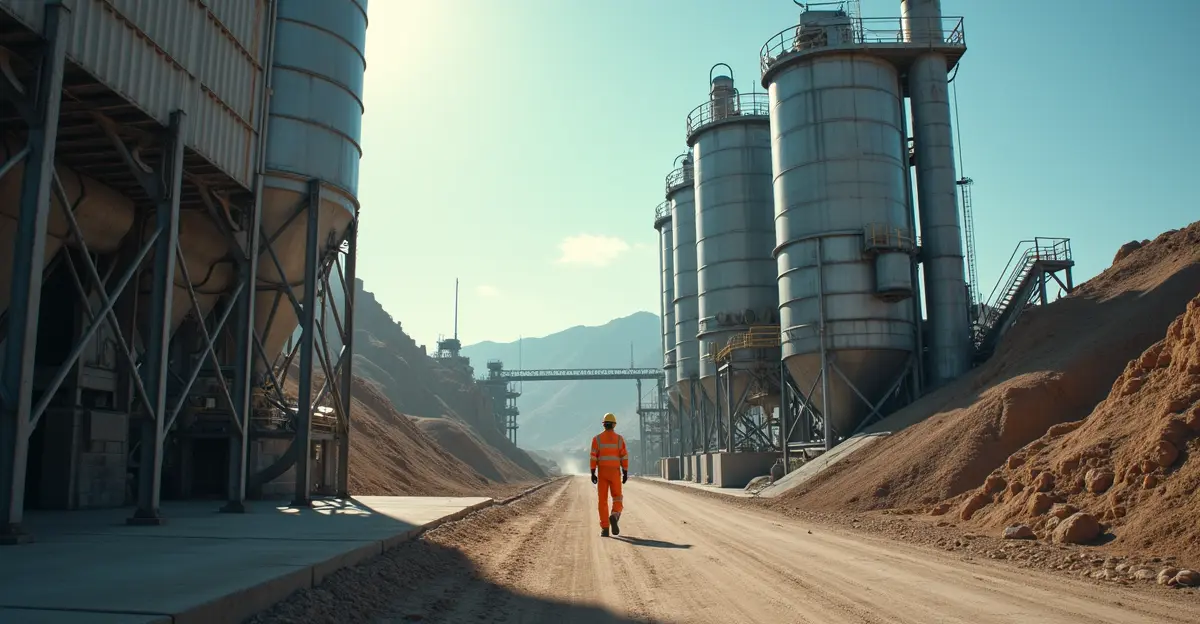
The IEA's 2025 report reveals alarming statistics about supply chain concentration. Beyond gallium and copper dominance, China controls over 90% of refining capacity for graphite and rare earth elements, processes around 60% of global lithium and cobalt, and accounted for 90% of new nickel refining capacity in 2024 alongside Indonesia. This concentration means the global clean energy transition is largely dependent on Chinese-controlled supply chains, creating what experts call "strategic choke points" that could be weaponized during geopolitical tensions.
"China's mineral processing dominance isn't just an economic advantage—it's a geopolitical lever that can be pulled during trade disputes or military conflicts," notes a senior analyst at the Atlantic Council. The organization's recent stress test analysis found that if China imposed export bans on key minerals like neodymium and dysprosium, US stockpiles would deplete within weeks, forcing hard allocation trade-offs between defense needs and clean energy projects.
Western Response: Strategic Partnerships and Diversification
In response to these vulnerabilities, Western nations have launched aggressive diversification efforts. The United States hosted the 2026 Critical Minerals Ministerial with 54 countries, signing 11 new bilateral frameworks and launching the Forum on Resource Geostrategic Engagement (FORGE) as successor to the Minerals Security Partnership. The US government has mobilized over $30 billion in support for critical minerals projects in the past six months, including EXIM Bank's $10 billion Project Vault initiative to establish a domestic strategic minerals reserve.
Key Western strategies include:
- Friendshoring partnerships: Building supply chains with allied nations like Australia, Canada, and Chile
- Domestic production revival: Streamlining permitting processes and offering tax incentives
- Recycling innovation: Developing circular economy approaches for battery minerals
- Technological alternatives: Researching substitute materials and alternative battery chemistries
However, these efforts face significant challenges. According to a Carnegie Endowment report, even with optimistic projections, by 2035 US domestic production could only meet demand for zinc and molybdenum, leaving substantial import needs for copper, graphite, lithium, silver, nickel, and manganese. The US industrial policy approach must balance domestic ambitions with international realities.
Emerging Mineral Diplomacy and Geoeconomic Statecraft
The critical minerals race has spawned a new form of international relations: mineral diplomacy. Resource-rich developing nations from the Democratic Republic of Congo to Argentina are leveraging their mineral wealth to negotiate better terms with major economies. A 2025 briefing paper titled "Minerals Diplomacy as Geoeconomic Statecraft" examines how countries use mineral access as strategic leverage in international relations.
This diplomacy extends to maritime regions with untapped mineral potential. China has secured deep-sea mining partnerships with Pacific nations like the Cook Islands and Kiribati in the mineral-rich Clarion Clipperton Zone near Hawaii, while the US responded with President Trump's April 2025 executive order to boost domestic seabed mineral exploration. The International Seabed Authority has issued 31 exploration contracts, with 17 in this strategic zone, highlighting how ocean floor resources have become the next frontier in mineral competition.
Military Implications and Strategic Calculations
The critical minerals competition is increasingly influencing military strategy and defense planning. Access to rare earth elements for precision-guided weapons, cobalt for jet engine alloys, and lithium for military battery systems has become a national security priority. The US defense industrial base faces particular vulnerabilities, with China supplying over 70% of US rare earth imports essential for advanced weapons systems.
Maritime regions like the South China Sea and Arctic have gained new strategic importance due to their mineral potential. Naval capabilities are being evaluated not just for traditional security roles but for protecting mineral supply routes and potential mining operations. As noted in a Harvard International Review analysis, "Access to critical minerals on the ocean floor has become central to both countries' energy security and technological dominance strategies."
Climate Goals vs. National Security Priorities
The tension between accelerating the energy transition and securing mineral supply chains creates difficult policy choices. Rapid decarbonization requires massive mineral inputs—the IEA projects copper demand could face a 30% supply shortfall by 2035—but diversifying supply chains takes years and significant investment. Environmental concerns about new mining projects must be balanced against the strategic imperative of reducing dependence on geopolitical rivals.
This dilemma is particularly acute for Western nations attempting to meet ambitious climate targets while rebuilding domestic industrial capacity. The EU Green Deal implementation faces challenges as member states navigate mineral dependencies while pursuing carbon neutrality goals.
Future Outlook and Strategic Recommendations
The critical minerals landscape will continue evolving through 2026 and beyond. Key trends to watch include:
- Accelerated investment in alternative battery technologies to reduce cobalt and nickel dependencies
- Increased focus on recycling and circular economy solutions
- Growing importance of deep-sea mining as terrestrial resources face constraints
- Continued geopolitical realignments based on mineral access
- Potential for new international governance frameworks for mineral markets
Successful strategies will require coordinated international action, innovative financing mechanisms, and technological breakthroughs. As the IEA warns, without such efforts, current supply chain vulnerabilities could persist for decades, potentially slowing the energy transition or creating new forms of geopolitical dependency.
Frequently Asked Questions
What are the most critical minerals for the energy transition?
Lithium, cobalt, nickel, copper, and rare earth elements are considered most critical due to their essential roles in electric vehicle batteries, renewable energy infrastructure, and grid modernization.
How much does China dominate critical mineral supply chains?
China controls 95% of gallium production, 44% of refined copper, over 90% of graphite and rare earth refining, and processes approximately 60% of global lithium and cobalt.
What is the US doing to reduce dependence on Chinese minerals?
The US has launched multiple initiatives including the 2026 Critical Minerals Ministerial, $30+ billion in project funding, strategic partnerships with allied nations, and efforts to revive domestic mining and processing capacity.
How does mineral diplomacy work?
Resource-rich nations leverage their mineral wealth to negotiate trade agreements, investment terms, and political alliances with major economies seeking secure mineral access.
What are the military implications of critical mineral dependencies?
Military systems from jet engines to precision weapons require critical minerals, making supply chain security a national defense priority and influencing strategic planning in resource-rich regions.
Sources
International Energy Agency, Global Critical Minerals Outlook 2025; Atlantic Council Critical Minerals Stress Test Analysis; Carnegie Endowment US Critical Minerals Strategy Report; Harvard International Review Deep-Sea Mining Analysis; US State Department 2026 Critical Minerals Ministerial Announcement.


Follow Discussion