


 Deutsch
 English
 Español
 Français
 Nederlands
 Português


 Share
Share




What is Peak Oil Demand?
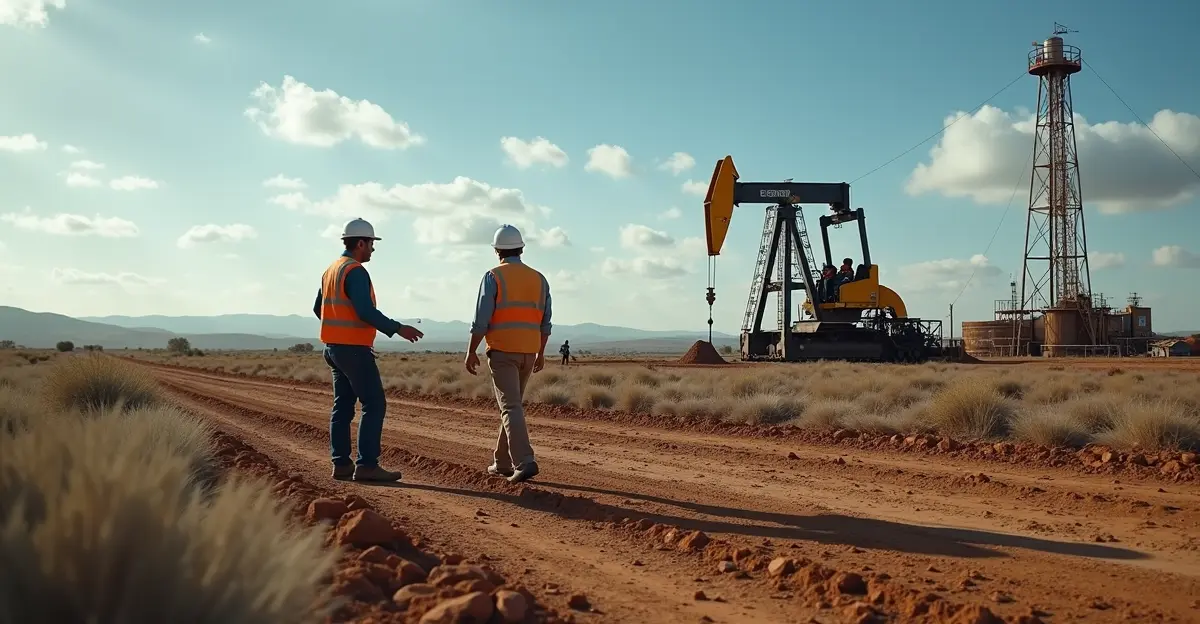
The concept of peak oil demand represents a fundamental shift in global energy markets, where petroleum consumption reaches its maximum rate before entering a structural decline. As the world grapples with climate change and accelerates the energy transition, the debate over when oil demand will peak has become one of the most contentious issues in energy economics. According to the International Energy Agency's (IEA) World Energy Outlook 2025, global oil demand is projected to plateau around 105.5 million barrels per day by the end of this decade, with China's demand peaking as early as 2027.
The Great Forecast Divide: IEA vs OPEC
A significant divergence has emerged between major forecasting bodies, creating uncertainty for investors and policymakers. The IEA's conservative outlook contrasts sharply with OPEC's more bullish projections, representing what analysts call "the largest gap in over two decades."
IEA's Cautious Projections
The International Energy Agency projects global oil demand growth of just 850,000 barrels per day in 2026, up from 770,000 barrels per day in 2025. Their February 2026 Oil Market Report indicates that non-OECD economies will account for all the increase, with China leading country-level growth. "The IEA has doubled down on its peak oil demand forecast, projecting a plateau by 2030," notes energy analyst Dr. Sarah Chen. "This reflects their assessment of accelerating EV adoption and structural economic shifts."
OPEC's Bullish Outlook
In stark contrast, OPEC forecasts 1.4 million barrels per day demand growth for 2026, nearly double the IEA's projection. The organization's first look at 2027 suggests ongoing growth, reflecting their belief that oil will remain a significant energy source despite global transition efforts. This divergence forces investors to navigate conflicting signals for capital allocation in the energy infrastructure sector.
Electric Vehicle Revolution: The Demand Disruptor
The rapid adoption of electric vehicles represents the single most significant factor reshaping oil demand forecasts. According to the IEA's Global EV Outlook 2025, the global EV fleet reached nearly 58 million vehicles by the end of 2024, displacing over 1.3 million barrels of oil per day—a 30% increase from 2023.
Key EV Impact Statistics
- EVs projected to replace more than 5 million barrels of oil daily by 2030
- China's expanding EV fleet accounts for half of this displacement impact
- Norway leads with 88% of new cars being fully electric, resulting in a 12% drop in road oil demand from 2021-2024
- EV adoption caused an estimated $9 billion drop in fuel tax revenues in 2022 alone
The clean transportation transition is accelerating beyond passenger vehicles to include commercial vehicles, buses, and trucks, with BloombergNEF reporting that electric vehicles now represent one in four cars sold globally.
Energy Transition Policies: Government's Role
Government policies are playing an increasingly decisive role in shaping oil demand trajectories. The U.S. Energy Information Administration's Annual Energy Outlook 2025 provides critical insights into how regulatory frameworks influence energy markets through 2050.
Policy Impacts on Demand
Key policy developments include:
- Accelerated EV adoption targets in major economies
- Carbon pricing mechanisms affecting industrial oil consumption
- Infrastructure investments favoring electrification over fossil fuels
- International climate agreements driving coordinated transition efforts
These policies create what energy economists call "demand destruction" scenarios, where structural changes in energy consumption patterns permanently reduce petroleum requirements.
Market Implications and Investment Uncertainty
The forecast divergence between IEA and OPEC creates significant uncertainty for energy investors and companies. According to industry analysis, this represents "the largest gap in over two decades," forcing difficult decisions about capital allocation in exploration, production, and refining infrastructure.
Supply-Demand Dynamics
Global oil supply plunged by 1.2 million barrels per day in January 2026 to 106.6 million barrels per day due to severe winter weather disruptions and geopolitical outages. Following 2025 gains of 3.1 million barrels per day, global output is forecast to rise by 2.4 million barrels per day in 2026 to 108.6 million barrels per day, with growth evenly split between non-OPEC+ and OPEC+ producers.
The geopolitical tensions affecting oil markets add another layer of complexity, with benchmark prices increasing by $10 per barrel in January 2026 due to supply disruptions and regional conflicts.
Expert Perspectives on the Peak Demand Debate
Energy analysts remain divided on whether current trends represent a genuine peak or temporary market adjustment. "The EV revolution is real and accelerating, but we must consider the entire energy ecosystem," explains Dr. Michael Rodriguez, senior energy economist. "Petrochemical feedstocks, aviation, and maritime transport will sustain significant oil demand for decades, even as road transportation electrifies."
Other experts point to emerging economies where energy access and affordability priorities may delay transition timelines. The developing world energy needs present a complex challenge for global demand forecasts, as countries balance climate commitments with economic development requirements.
Frequently Asked Questions
When will global oil demand peak according to the IEA?
The International Energy Agency projects global oil demand will plateau around 105.5 million barrels per day by the end of this decade, with China's demand peaking as early as 2027.
How much oil are electric vehicles displacing?
EVs displaced over 1.3 million barrels of oil per day in 2024, a 30% increase from 2023. By 2030, they're projected to replace more than 5 million barrels daily.
Why is there such a large gap between IEA and OPEC forecasts?
The divergence reflects fundamentally different assumptions about EV adoption rates, economic growth patterns, policy effectiveness, and the pace of energy transition in developing economies.
What sectors will sustain oil demand even as transportation electrifies?
Petrochemical feedstocks (representing over half of 2026's projected demand gains), aviation, maritime transport, and industrial applications will continue requiring significant petroleum products.
How are government policies affecting oil demand forecasts?
Accelerated EV targets, carbon pricing, infrastructure investments, and international climate agreements are creating "demand destruction" scenarios that permanently reshape consumption patterns.
Conclusion: Navigating the Transition
The peak oil demand debate represents more than academic forecasting—it signals a fundamental transformation of global energy systems. While the timing remains contested, the direction is clear: the world is transitioning away from petroleum dependence, driven by technological innovation, policy interventions, and changing consumer preferences. Energy companies, investors, and policymakers must navigate this complex landscape with careful analysis of both short-term market dynamics and long-term structural trends.
Sources
International Energy Agency World Energy Outlook 2025, IEA Oil Market Report February 2026, IEA Global EV Outlook 2025, U.S. Energy Information Administration Annual Energy Outlook 2025, OPEC forecasts and market reports, BloombergNEF Electric Vehicle Outlook 2025, Nature Reviews Clean Technology analysis.



Follow Discussion