


 Deutsch
 English
 Español
 Français
 Nederlands
 Português


 Share
Share




IEA Warns of Largest Energy Crisis Ever: Work From Home & Use Public Transport
The International Energy Agency (IEA) has issued an urgent warning about what it describes as "the greatest global energy security threat in history," calling for immediate action from governments and citizens worldwide. With the Strait of Hormuz effectively closed due to Iranian blockades and Middle East oil production severely disrupted, the Paris-based agency recommends working from home, using public transport, and implementing other energy conservation measures to mitigate what could become the most severe energy crisis ever recorded.
What is the International Energy Agency?
The International Energy Agency (IEA) is a Paris-based autonomous intergovernmental organization established in 1974 in response to the 1973 oil crisis. With 32 member countries representing 75% of global energy demand, the IEA's primary mission is to ensure energy security, provide policy recommendations, and coordinate emergency responses during global energy disruptions. The agency has activated its emergency stock release mechanism six times in history, with the current 400 million barrel release being the largest ever coordinated action.
The Scale of the Current Crisis
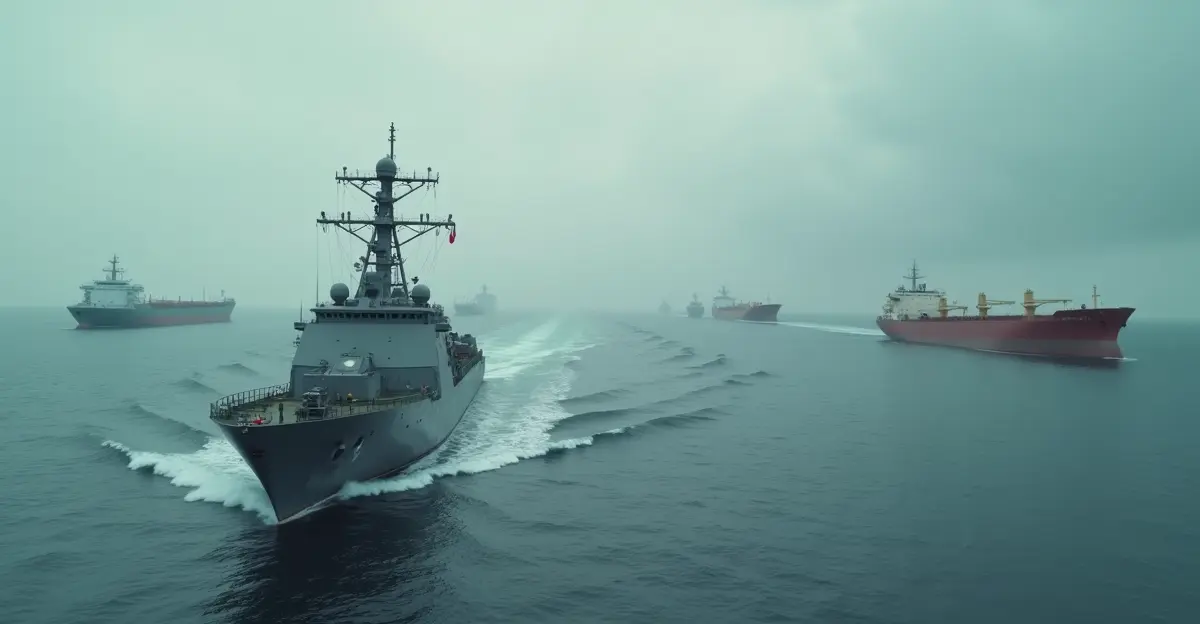
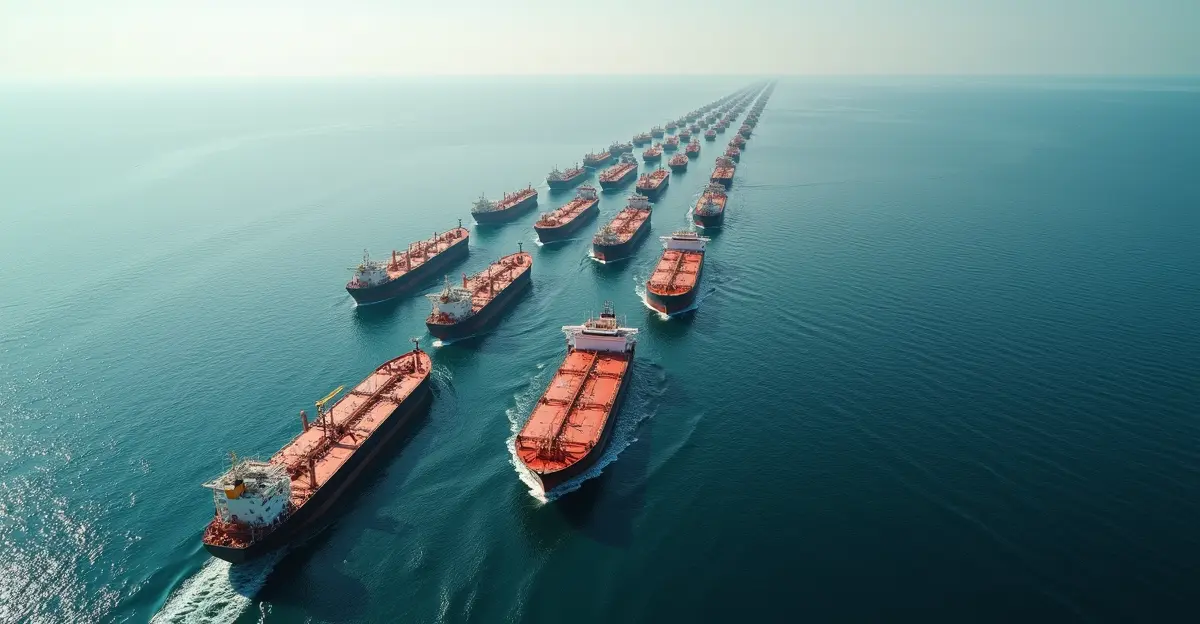
According to the IEA's March 2026 Oil Market Report, the Middle East conflict has created unprecedented challenges for global energy markets. The closure of the Strait of Hormuz has reduced oil flows from approximately 20 million barrels per day to a trickle, representing the largest supply disruption in global oil market history. This strategic waterway typically handles about 20% of global oil consumption, making its closure three to five times more severe than previous geopolitical oil shocks like those in 1973, 1979, and 1990.
IEA Executive Director Fatih Birol stated: "Without a rapid solution, the consequences for energy markets and economies will become increasingly serious. As a global energy authority, the IEA is doing everything it can to support the stability of energy markets."
Record Emergency Response
Last week, the IEA announced that its 32 member countries, including the Netherlands, would collectively release over 400 million barrels of oil from emergency reserves to dampen price increases. This represents the largest release in the organization's 52-year history. Despite this unprecedented action, the agency warns that more measures are needed to address what could become a prolonged crisis.
IEA's Energy Conservation Recommendations
The agency has outlined ten specific energy-saving measures for governments and citizens to implement immediately:
- Work from home to reduce daily commuting and fuel consumption
- Use public transport instead of private vehicles
- Reduce speed limits by at least 10 kilometers per hour on highways
- Implement alternate-day access to city centers for private cars
- Encourage car sharing and ride-sharing programs
- Avoid non-essential air travel, especially business flights
- Switch to electric cooking where possible
- Preserve liquid petroleum gas for essential uses only
- Implement four-day work weeks for public servants in some regions
- Limit air conditioning temperatures in commercial buildings
These measures aim to reduce oil consumption, particularly in the transport sector which accounts for a major share of global fuel use. Similar to the 2022 European energy crisis, this situation requires coordinated global action.
Economic Impact and Market Response
The Federal Reserve Bank of Dallas research indicates that the Strait of Hormuz closure could raise West Texas Intermediate oil prices to $98 per barrel and reduce global real GDP growth by 2.9 percentage points in the second quarter of 2026. Global oil supply is projected to plunge by 8 million barrels per day in March, with Brent prices surging $20 per barrel to $92.
Fatih Birol warned that restoring oil and gas flows from the Gulf could take up to six months, describing the situation as potentially the most severe energy crisis in history. "Politicians and markets are underestimating the scale of the disruption," he emphasized in recent statements.
Industry Response and Alternative Solutions
According to the IEA, there is also a role for industry in addressing this crisis. In countries where gas supplies are under pressure, factories could potentially switch from LPG to alternative fuels. The agency also suggests that governments should accelerate the transition to renewable energy sources to reduce dependence on fossil fuels from volatile regions.
The current situation highlights the vulnerability of global energy systems to geopolitical disruptions, similar to concerns raised during the Russian gas supply crisis of recent years.
Global Response and Regional Actions
Many Asian countries have already taken action in response to the IEA's warnings. Bangladesh and Thailand have implemented limits on air conditioning temperatures, while Pakistan and the Philippines have introduced four-day work weeks for public servants. European leaders are also seeking solutions to the energy crisis as the end of the Middle East conflict appears distant.
The Dutch national average price for gasoline has reached €2.57 per liter, with diesel at €2.65 per liter - both at record highs. These price increases are expected to impact households significantly, with experts warning that the peak in price increases from the war may not be felt by households for up to 21 months.
Frequently Asked Questions
What is the Strait of Hormuz and why is it important?
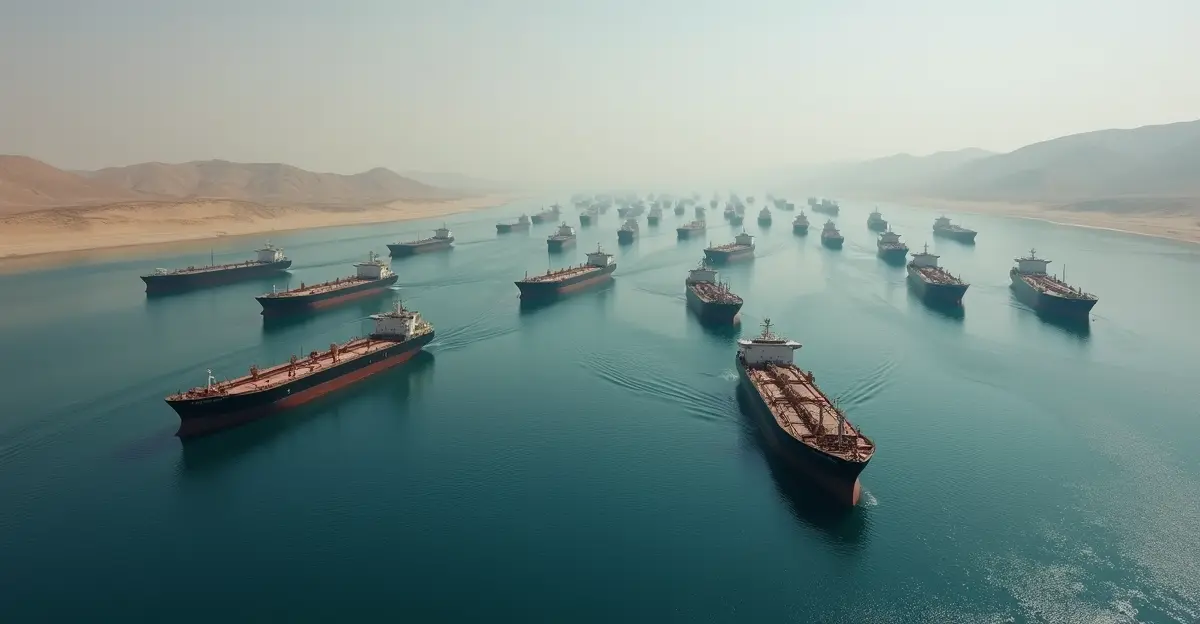
The Strait of Hormuz is a 24-mile-wide maritime corridor between the Persian Gulf and the Gulf of Oman. It serves as the world's most important oil transit chokepoint, handling approximately 20% of global oil consumption. Unlike other strategic passages like the Suez or Malacca Straits, the Strait of Hormuz has no viable rerouting alternatives.
How does this crisis compare to previous energy disruptions?
This disruption surpasses all previous major oil supply crises including the 1973-1974 Arab oil embargo (4.5 million bpd shortage), the 1978-1979 Iranian revolution (4.8 million bpd drop), the 1990-1991 Gulf crisis (4.3 million bpd removed), and the 2022 Russian invasion of Ukraine. The current 8 million barrel per day reduction represents approximately 8% of global supply.
What are the IEA's emergency oil reserves?
IEA member countries are required to hold 90 days worth of oil imports as emergency stocks. These reserves can be released to stabilize oil markets worldwide and have been activated six times in history. The current release of 400 million barrels is the largest ever coordinated action.
How long could this energy crisis last?
IEA Executive Director Fatih Birol has warned that restoring oil and gas flows from the Gulf could take up to six months, depending on the resolution of the Middle East conflict and repair of damaged energy infrastructure.
What can individuals do to help?
Individuals can reduce energy consumption by working from home when possible, using public transportation, carpooling, reducing non-essential travel, and conserving energy at home through measures like lowering heating temperatures and using energy-efficient appliances.

Follow Discussion