


 Deutsch
 English
 Español
 Français
 Nederlands
 Português


 Share
Share




The Strategic Calculus of Friend-Shoring: How Geopolitics is Reshaping Global Supply Chains in 2024
In 2024, global supply chains are undergoing a fundamental transformation as geopolitical tensions, trade restrictions, and climate disruptions accelerate the strategic shift from 'just-in-time' efficiency to 'just-in-case' resilience. The emerging practice of 'friend-shoring'—relocating supply chains to politically aligned nations—represents a strategic response to mounting global trade uncertainties, with profound implications for international commerce and economic security. Recent industry reports from October 2024 confirm that shipping and logistics companies are actively implementing these strategies amid persistent global challenges, marking a decisive break from decades of globalization orthodoxy.
What is Friend-Shoring?
Friend-shoring is a strategic supply chain approach where companies shift their foreign sourcing and manufacturing operations to countries with shared political values, stable diplomatic relations, and aligned geopolitical interests. Unlike traditional offshoring driven purely by cost considerations, friend-shoring prioritizes security, stability, and risk mitigation in an increasingly fragmented global landscape. This practice reflects a broader movement away from purely economic calculations toward geopolitically-informed supply chain strategies that balance efficiency with resilience.
The Drivers of Supply Chain Transformation
Multiple interconnected forces are driving the friend-shoring revolution. Geopolitical tensions, particularly between major powers, have exposed vulnerabilities in traditional global value chains. The US-China trade war initiated a fundamental reassessment of supply chain dependencies, while regional conflicts like those affecting the Red Sea shipping lanes have demonstrated how quickly maritime routes can become disrupted. Climate change adds another layer of complexity, with extreme weather events damaging critical infrastructure and causing unpredictable delays.
From Just-in-Time to Just-in-Case
The traditional 'just-in-time' model, which dominated supply chain thinking for decades, emphasized lean inventories and cost efficiency. However, this approach proved vulnerable during recent disruptions. Companies are now adopting 'just-in-case' strategies that maintain higher stock levels of raw materials and finished goods to buffer against disruptions. According to industry analysis, businesses are diversifying suppliers, enhancing stockpiles, and increasing vendor due diligence as part of this resilience-focused approach.
The Economic Implications of Friend-Shoring
Research examining over 300,000 greenfield foreign direct investment (FDI) projects from 2003-2022 reveals that geopolitical alignment plays an economically significant role in shaping bilateral investment patterns. Investments are increasingly flowing to 'friend' countries amid rising geopolitical tensions, with this effect strengthening notably since 2018. The impact of geopolitical non-alignment on greenfield FDI doubled over the past decade, while its effect on mergers and acquisitions became more pronounced in recent years.
Regional Trade Bloc Formation
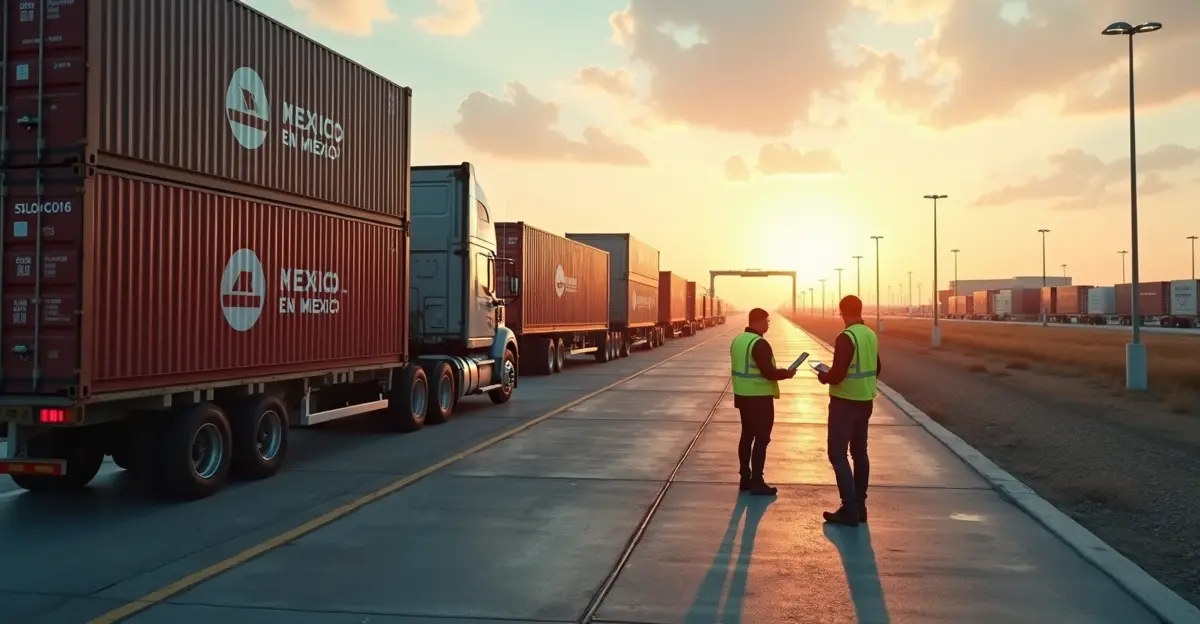
Friend-shoring is accelerating the formation of regional trade blocs and economic alliances. Companies from advanced Western economies, particularly the United States, are shifting investment away from geopolitical rivals toward politically friendly nations. US investment is increasingly flowing to countries like Costa Rica and Poland, while maintaining relationships with traditional allies. This trend is creating distinct economic spheres that could reshape global trade architecture for decades to come.
Implementation Challenges and Strategic Considerations
While friend-shoring offers enhanced supply chain resilience and reduced exposure to geopolitical tensions, it presents significant implementation challenges. Companies face potential higher production costs due to limited supplier diversity in politically aligned regions. The shifting nature of political alliances creates uncertainty, as today's friend could become tomorrow's competitor. Additionally, stakeholders increasingly prioritize ethical sourcing and sustainability, which may conflict with purely geopolitical considerations.
Balancing Efficiency with Resilience
The strategic calculus behind supply chain diversification decisions requires careful balancing of multiple factors. Companies must weigh the benefits of reduced geopolitical risk against potential cost increases and operational complexity. Successful implementation often involves hybrid approaches that strategically apply different methods based on specific needs—maintaining just-in-time efficiency for non-critical components while adopting just-in-case resilience for strategic materials.
Impact on Global Trade Architecture
The rise of friend-shoring represents a fundamental shift in global trade dynamics that could have lasting implications. The practice risks segmenting global trade into rival blocs, potentially causing significant GDP losses according to economic models. However, it also offers opportunities for closer economic integration between trading partners with shared values and streamlined communication through common cultural norms.
Major economies are navigating this complex landscape by developing sophisticated monitoring systems, conducting scenario analysis, and implementing contingency planning. The International Maritime Organization's recent regulatory decisions highlight how geopolitics affects even technical areas like climate regulation, creating additional layers of complexity for global supply chains.
Expert Perspectives on the Future
Supply chain experts emphasize that businesses should adopt a resilience mindset, treating supply chains as constantly in crisis rather than hoping disruptions are temporary. 'The era of predictable globalization is over,' notes one industry analyst. 'Companies that succeed in this new environment will be those that build flexibility and redundancy into their supply chains while maintaining strategic focus on core competencies.'
Looking ahead to 2025 and beyond, supply chain leaders face slowing global trade growth—projected at only 0.5% by the World Trade Organization—alongside rising techno-nationalism and continued regional conflicts threatening shipping lanes. The strategic calculus of friend-shoring will likely become increasingly sophisticated, incorporating digital simulations, artificial intelligence for risk assessment, and dynamic modeling of geopolitical scenarios.
Frequently Asked Questions
What is the difference between friend-shoring and nearshoring?
Friend-shoring prioritizes political alignment and shared values, while nearshoring focuses on geographic proximity. A company might friend-shore to a distant but politically aligned country, whereas nearshoring typically involves moving operations closer to home markets regardless of political considerations.
How does friend-shoring affect consumer prices?
Friend-shoring can lead to higher consumer prices in the short term due to increased production costs and reduced supplier competition. However, it may provide price stability by reducing vulnerability to geopolitical disruptions that can cause sudden price spikes.
Which industries are most affected by friend-shoring?
Strategic sectors like semiconductors, pharmaceuticals, critical minerals, and defense-related manufacturing are experiencing the most significant friend-shoring activity. These industries face particular scrutiny due to national security concerns and supply chain vulnerabilities.
Can friend-shoring coexist with globalization?
Yes, but in a modified form. Friend-shoring represents a shift toward 'conditional globalization' where economic integration continues but within politically defined parameters. This creates a more fragmented but potentially more stable global trading system.
What are the environmental implications of friend-shoring?
Environmental impacts vary depending on implementation. While reshoring production might reduce transportation emissions, it could increase overall emissions if production moves to countries with weaker environmental regulations. Sustainable friend-shoring requires careful consideration of both geopolitical and environmental factors.
Conclusion: Navigating the New Supply Chain Reality
The strategic calculus of friend-shoring reflects a fundamental reassessment of global supply chain management in an era of heightened geopolitical tensions and climate uncertainty. As companies balance efficiency with resilience, the emerging patterns of regional trade blocs and politically-aligned supply networks will reshape global commerce for years to come. The successful navigation of this complex landscape requires sophisticated risk management, strategic foresight, and a willingness to adapt traditional business models to new geopolitical realities.



Follow Discussion