


 Deutsch
 English
 Español
 Français
 Nederlands
 Português


 Share
Share




Red Sea Security Crisis 2026: How Shipping Insurance Shock Is Reshaping Global Trade
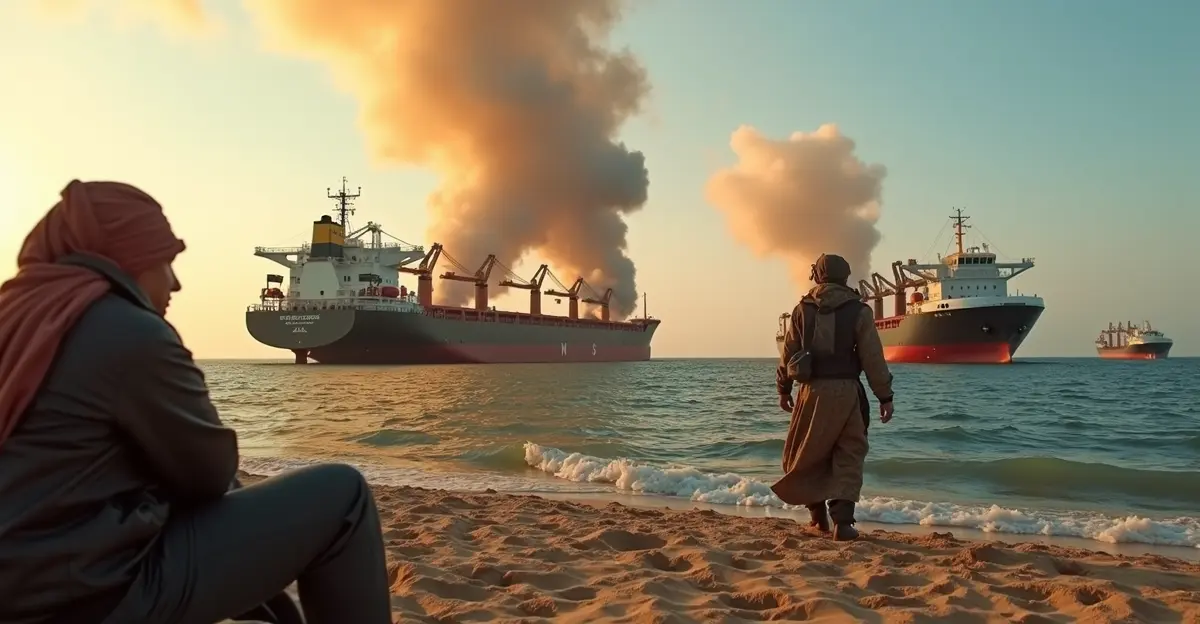
The Red Sea shipping crisis has escalated into a full-blown global trade disruption in 2026, with insurance premiums surging up to 80% and forcing dramatic rerouting of commercial vessels around Africa's Cape of Good Hope. Since November 2023, Houthi attacks on commercial shipping have transformed this critical maritime corridor into one of the world's most dangerous waterways, handling approximately 12% of global trade through the Suez Canal. The maritime insurance market has responded with unprecedented volatility, creating a perfect storm of extended transit times, skyrocketing costs, and supply chain instability that continues to ripple through the global economy.
What Is the Red Sea Shipping Crisis?
The Red Sea shipping crisis refers to the ongoing security threats and attacks on commercial vessels transiting the strategic Bab el-Mandeb Strait and southern Red Sea region. Beginning in November 2023, Houthi rebels based in Yemen have conducted over 190 attacks on commercial shipping by October 2024, targeting vessels they claim are linked to Israel, the United States, or their allies. This critical maritime corridor connects the Mediterranean Sea to the Indian Ocean via the Suez Canal, serving as a vital artery for Asia-Europe trade flows. The crisis has forced major shipping companies to make difficult choices between paying exorbitant insurance premiums or rerouting thousands of miles around Africa.
The Insurance Premium Shock: Numbers That Tell the Story
War risk insurance premiums for Red Sea transits have experienced dramatic increases that have fundamentally altered shipping economics. According to industry data, premiums have surged from a baseline of 0.07% of hull value in October 2023 to between 0.5% and 0.7% by December 2023, with some Israeli ship-owners facing tenfold increases. In 2026, the situation has become even more volatile, with quotes fluctuating between 0.2% and 1% of hull value based on real-time security conditions.
Key Insurance Statistics for 2026:
- Premium increases of 60-80% compared to pre-crisis levels
- Dynamic pricing that can change overnight based on attack frequency
- Additional premium costs ranging from $500,000 to $2 million per voyage
- UK P&I Club maintaining $500 million war risks limit for 2026 renewals
- Global marine insurance premiums totaled $35.8 billion in 2022, an 8.3% increase
The war risk insurance market operates as a dynamic live system rather than a static tariff, with eight key drivers causing rapid price swings: incident cycles, corridor exposure geometry, Listed Area treatment, voyage sensitivity flags, market capacity shifts, submission completeness, hull value/ship profile, and mitigation posture. This volatility means operators can receive vastly different quotes for the same route depending on timing and risk assessment.
Rerouting Around Africa: The Cape of Good Hope Alternative
Faced with prohibitive insurance costs and security risks, shipping companies have increasingly opted for the longer but safer route around Africa's Cape of Good Hope. This strategic shift has profound implications for global trade flows and shipping economics.
Impact of Rerouting:
| Route | Transit Time | Additional Distance | Cost Impact |
|---|---|---|---|
| Suez Canal (Red Sea) | 8-10 days Asia-Europe | 0 miles | High insurance premiums |
| Cape of Good Hope | 18-24 days Asia-Europe | 3,500-4,000 miles | Lower insurance but higher fuel costs |
The rerouting has caused a staggering 57.5% reduction in Suez Canal traffic, according to recent reports. This diversion adds 10-14 days to Asia-Europe journeys, increasing fuel consumption by approximately 30% and creating significant scheduling challenges for global supply chains. The global shipping industry has responded with various strategies, including informal convoy systems, enhanced security measures, and collective insurance negotiations.
Trade Flow Disruption and Economic Impact
The Red Sea crisis has created ripple effects throughout the global economy, affecting multiple industries and contributing to inflationary pressures. The disruption has been particularly severe for industries relying on just-in-time manufacturing and time-sensitive shipments.
Most Affected Industries:
- Automotive: Delayed parts shipments disrupting production schedules
- Electronics: Component shortages affecting manufacturing
- Agriculture: Perishable goods facing extended transit times
- Retail: Inventory management challenges and stockouts
- Energy: Oil and gas shipments facing security concerns
Freight rates have surged by 22% in just one week during peak disruption periods, according to shipping industry reports. The crisis has exposed fundamental vulnerabilities in global supply chains and highlighted the concentration of trade through critical maritime chokepoints. Experts warn that these disruptions could persist through 2026 and potentially beyond, forcing permanent changes in global trade patterns.
International Response and Security Measures
In response to the escalating crisis, international coalitions have deployed naval forces to protect commercial shipping and deter further attacks. These efforts represent one of the largest maritime security operations in recent history.
Key Security Initiatives:
- Operation Prosperity Guardian: U.S.-led coalition involving multiple nations
- Operation Aspides: European Union naval mission focused on defensive operations
- Enhanced Maritime Domain Awareness: Improved surveillance and intelligence sharing
- Military Strikes: Targeted operations against Houthi launch sites and infrastructure
Despite these efforts, attacks have continued through 2025 and into 2026, demonstrating the persistent nature of the threat. Shipping companies have implemented additional security measures, including armed guards, enhanced bridge protection, and sophisticated tracking systems. However, the fundamental security challenges remain, forcing carriers to maintain contingency plans for extended periods.
Expert Perspectives on the Crisis
Industry leaders and analysts offer sobering assessments of the ongoing situation. "Geopolitical disruption has become the rule rather than the exception in global shipping," notes one maritime security expert. "We're seeing multiple 'black swan' events affecting shipping simultaneously, creating unprecedented challenges for risk management and operational planning."
Insurance underwriters emphasize the dynamic nature of the risk environment. "Red Sea war risk pricing operates as a live market that can change within hours based on incident reports and intelligence," explains a senior underwriter at a major marine insurance firm. "Operators need to understand that their premium quotes are valid only at the moment of issuance and can increase dramatically following new attacks."
Future Outlook and Strategic Implications
As 2026 progresses, the Red Sea shipping crisis shows few signs of permanent resolution. Shipping companies are preparing for continued volatility, with some carriers like Maersk forecasting 1-2 years of pain before capacity adjustments can fully address the disruption. The crisis has prompted broader strategic discussions about alternative trade routes, enhanced maritime security technologies, and supply chain diversification.
Key trends to watch include increased investment in maritime security technology, potential development of alternative land-based trade corridors, and growing pressure for diplomatic solutions to address the root causes of regional instability. The shipping industry's resilience will continue to be tested as it navigates these troubled waters through 2026 and beyond.
Frequently Asked Questions (FAQ)
How much have Red Sea insurance premiums increased?
War risk insurance premiums have increased by 60-80% compared to pre-crisis levels, with current rates ranging from 0.2% to 1% of hull value depending on security conditions.
Why are ships rerouting around Africa?
Ships are rerouting around Africa's Cape of Good Hope to avoid security risks in the Red Sea, despite adding 10-14 days to transit times and increasing fuel costs by approximately 30%.
What percentage of global trade passes through the Red Sea?
Approximately 12% of global trade passes through the Red Sea and Suez Canal, making it one of the world's most critical maritime trade corridors.
How long will the Red Sea shipping crisis last?
Industry experts predict the crisis could persist through 2026 and potentially beyond, with some carriers forecasting 1-2 years of disruption before capacity adjustments address the situation.
What industries are most affected by the shipping disruptions?
The automotive, electronics, agriculture, retail, and energy sectors have been particularly affected by shipping delays and increased costs resulting from the Red Sea crisis.

Follow Discussion