


 Deutsch
 English
 Español
 Français
 Nederlands
 Português


 Share
Share




What is Kharg Island and Why Does It Matter?
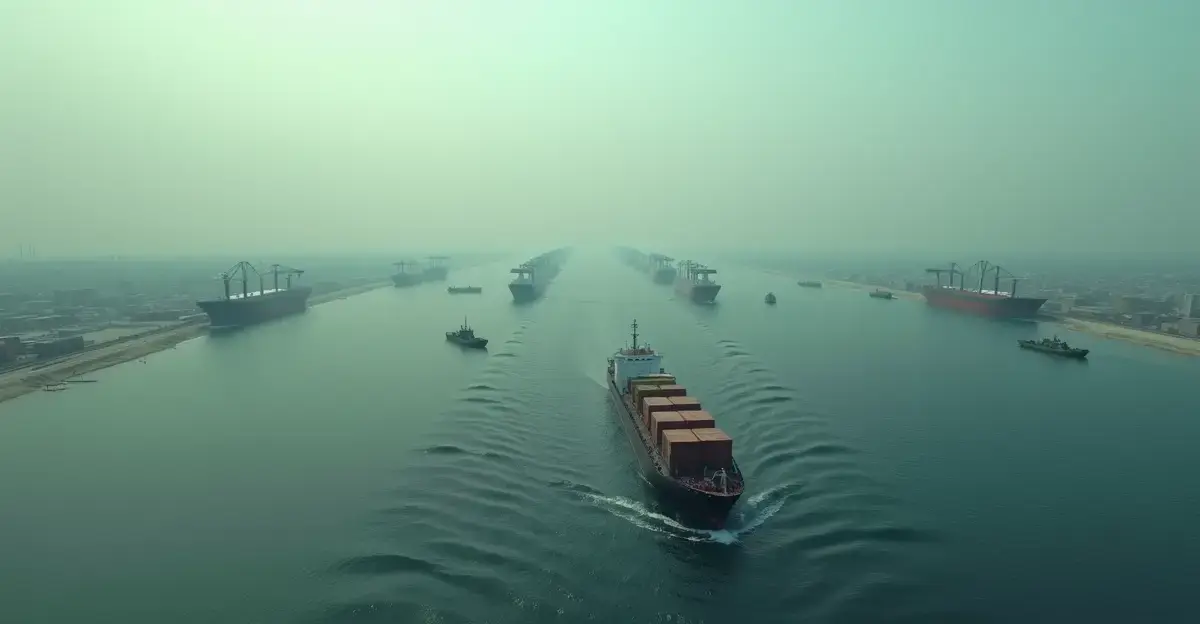
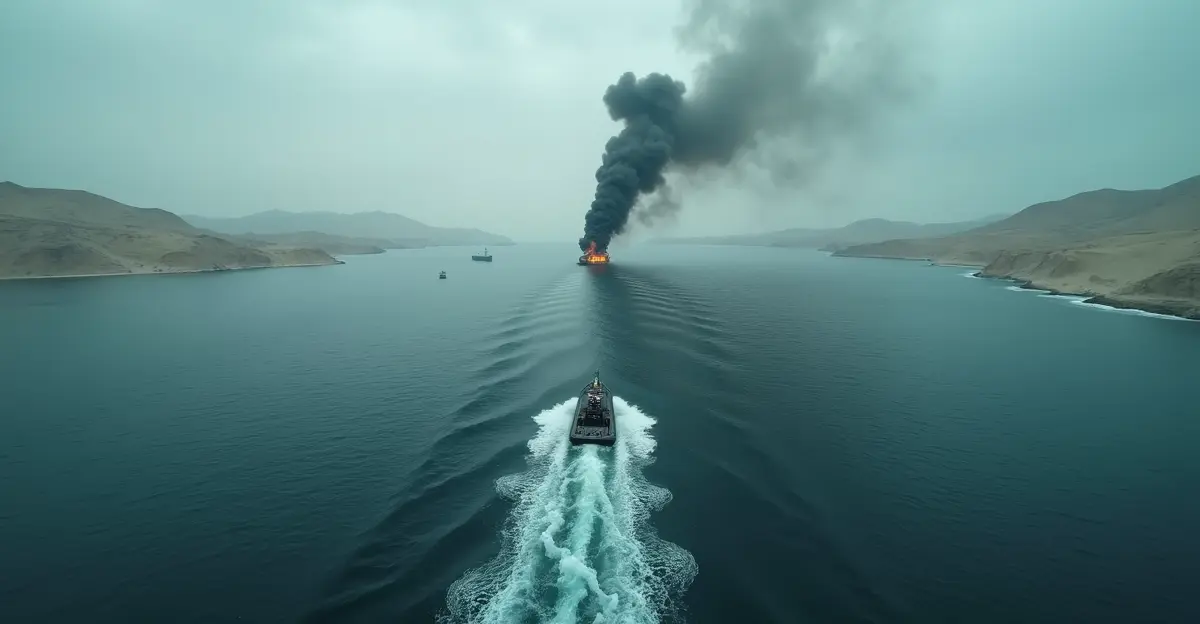
The United States is reportedly considering the occupation or takeover of Iran's Kharg Island, a strategic oil hub that handles approximately 90% of Iran's oil exports. According to exclusive reporting from Axios based on multiple anonymous sources, President Donald Trump's administration is weighing military options to force Iran to reopen the Strait of Hormuz, a critical global oil chokepoint that has been effectively blocked by Iranian attacks on commercial shipping. 'The president wants the Strait of Hormuz open. If he has to take Kharg to do that, that's going to happen. But that decision hasn't been made,' a senior administration official told Axios.
The Strategic Importance of Kharg Island
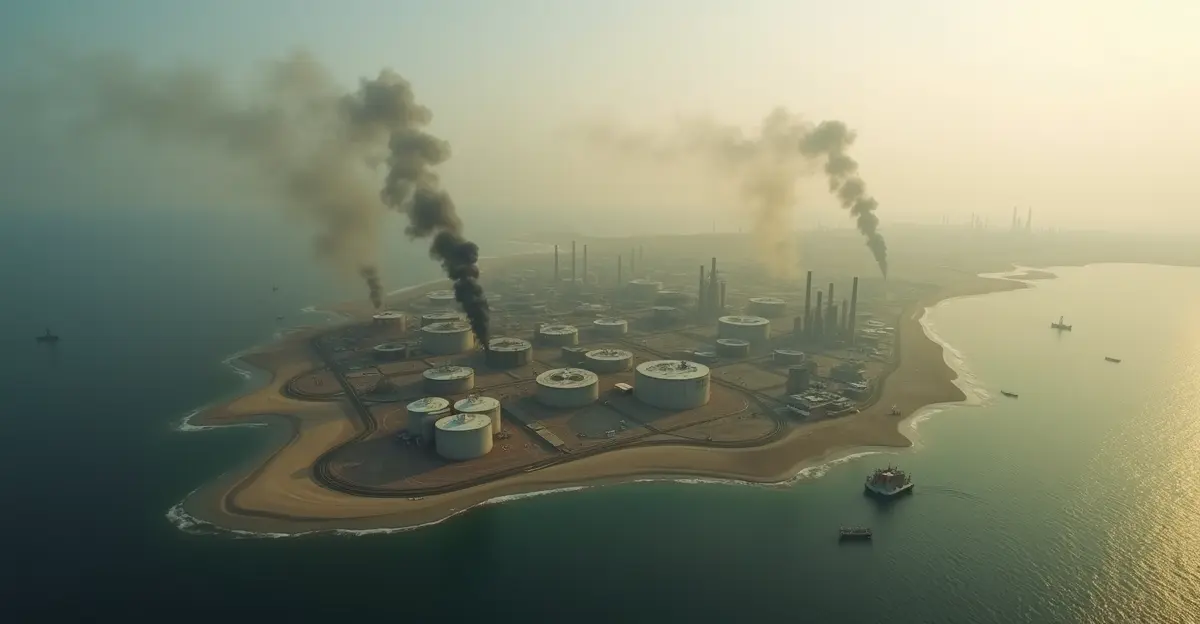
Kharg Island, located just 25 kilometers (16 miles) off Iran's northern Persian Gulf coast, serves as Iran's primary oil export terminal with storage capacity for up to 30 million barrels of oil. The island's strategic position makes it crucial not only for Iran's economy but for global energy markets, particularly as tensions escalate in the Middle East conflict zone. Historically, the island has been called the 'Forbidden Island' due to its heavy fortification by Iran's Islamic Revolutionary Guard Corps and restricted access policies.
Why Kharg Island is Iran's Economic Lifeline
Kharg Island processes up to 7 million barrels of oil per day and can handle 10 supertankers simultaneously. This infrastructure represents Iran's economic lifeline, with oil revenue from exports to China remaining one of the Islamic Republic's most important funding sources. The island's location 483 kilometers northwest of the Strait of Hormuz makes it a key bargaining chip in controlling this vital waterway through which 20% of the world's oil supplies pass daily.
Military Considerations and Risks
A potential military operation on Kharg Island would be extremely risky, according to defense analysts. Soldiers involved in an occupation would immediately find themselves in the line of fire from Iranian forces. Sources indicate that approximately one month of preparatory airstrikes would be needed to weaken Iranian military capabilities around the Strait of Hormuz before any ground operation could commence. 'We need about a month to further weaken the Iranians with airstrikes, then we can take the island and use it as leverage in negotiations,' a source told Axios.
Recent Military Developments
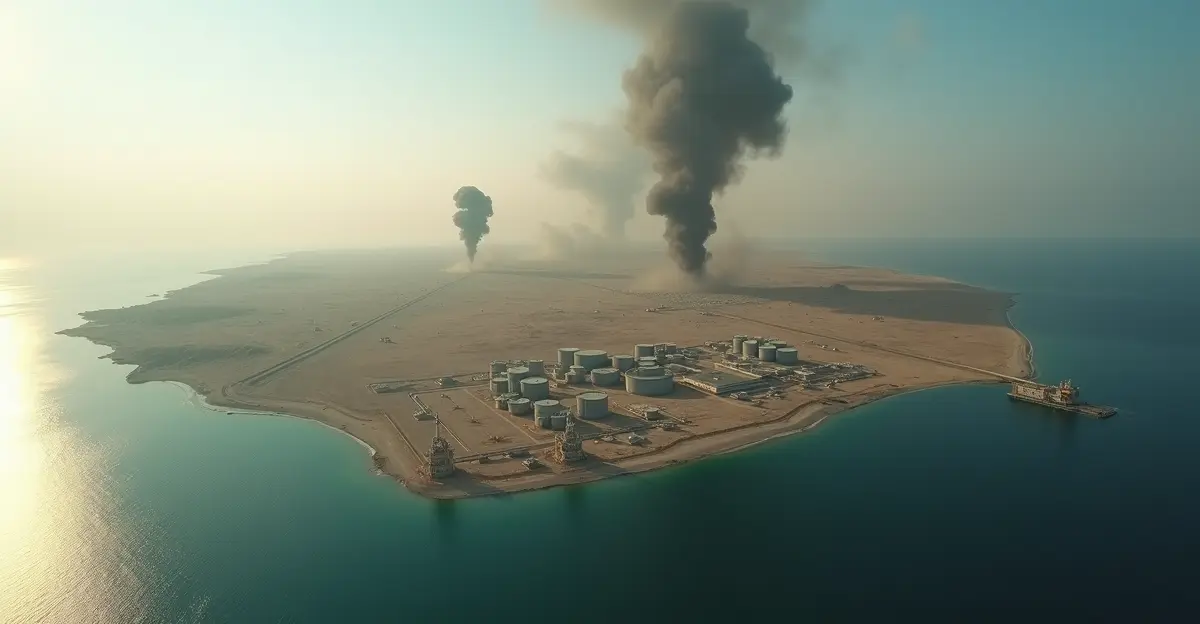
The United States has already conducted significant military action against Kharg Island. On March 13, 2026, the U.S. Air Force executed a major bombing raid targeting over 90 Iranian military sites on the island, including naval mine storage facilities and missile bunkers. Notably, these strikes deliberately spared oil and gas infrastructure. President Trump described the operation as 'one of the most powerful bombing raids in the History of the Middle East' and threatened to reconsider striking oil facilities unless Iran stopped blocking the Strait of Hormuz.
U.S. Military Buildup in the Region
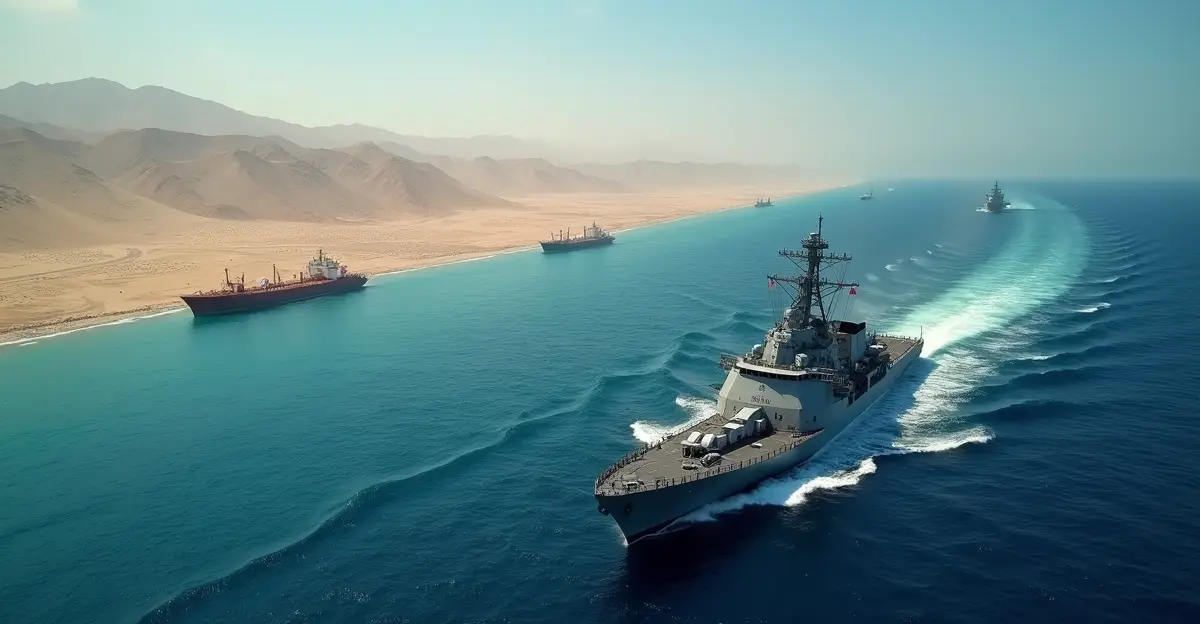
The Pentagon is currently deploying thousands of additional Marines and sailors to the Middle East, including the amphibious assault ship USS Boxer and the 11th Marine Expeditionary Unit. According to Navy Times, the USS Boxer departed the West Coast approximately three weeks ahead of schedule, carrying a Marine Expeditionary Unit capable of rapidly deploying troops and vehicles ashore. This deployment follows the earlier dispatch of the USS Tripoli Amphibious Ready Group with approximately 2,500 Marines, bringing total additional forces to around 5,000 personnel.
Alternative Strategies and Expert Opinions
Some military experts question the utility of occupying Kharg Island. Retired Admiral Mark Montgomery told Axios that Iran could simply shift oil exports elsewhere if the island were seized. An alternative strategy being discussed involves escorting oil tankers through the Strait of Hormuz, though President Trump reportedly lacks support from allies for this approach. The complexity of the situation is further highlighted by the global energy market volatility caused by the current blockade.
Global Economic Impact
The closure of the Strait of Hormuz has created a major global energy crisis, cutting off approximately one-fifth of the world's daily oil and liquefied natural gas supply. According to Reuters, oil prices have surged to $119 per barrel, their highest since 2022, while natural gas and LNG prices have also spiked dramatically. The International Energy Agency is planning to release 400 million barrels of oil, the largest such move in history, to help absorb the shock. Asia is particularly vulnerable, with countries like China, South Korea, and Bangladesh implementing emergency measures.
Historical Context and Future Implications
Kharg Island has been a strategic target before. During the Iran-Iraq War in the 1980s, Iraqi forces repeatedly bombed the island's oil terminal. The current situation represents a significant escalation, with potential consequences extending far beyond the immediate region. Military experts warn that any attempt to reopen the Strait of Hormuz through naval escort operations would be 'suicidal' due to Iran's advanced weaponry including anti-ship missiles, drones, and naval mines. The risks are far greater than those faced in the Red Sea against Houthi rebels, as Iran can target the entire strait.
Frequently Asked Questions
What is Kharg Island?
Kharg Island is Iran's primary oil export terminal located in the Persian Gulf, handling approximately 90% of Iran's oil exports with storage capacity for 30 million barrels.
Why is the U.S. considering occupying Kharg Island?
The Trump administration views occupation as potential leverage to force Iran to reopen the Strait of Hormuz, which has been blocked by Iranian attacks on commercial shipping.
What are the risks of a Kharg Island occupation?
Military operations would be extremely risky with soldiers immediately exposed to Iranian fire, requiring weeks of preparatory airstrikes and potentially escalating regional conflict.
How would Kharg Island occupation affect global oil prices?
Any disruption at Kharg could remove 90% of Iran's oil from global markets, potentially driving oil prices above $150 per barrel and causing significant economic disruption worldwide.
What alternatives exist to occupying Kharg Island?
Alternatives include naval escort operations through the Strait of Hormuz or diplomatic pressure, though both face significant challenges and limited international support.

Follow Discussion