


 Deutsch
 English
 Español
 Français
 Nederlands
 Português


 Share
Share




The Shadow Battlefield: How Major Powers Fight Without Fighting
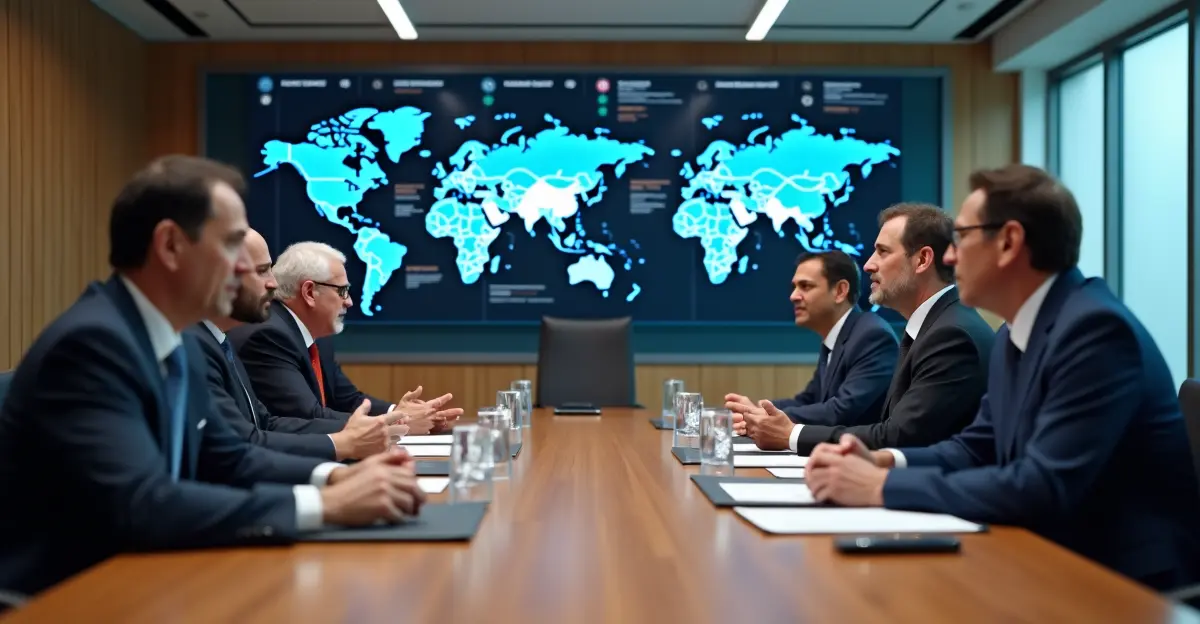
In an era where direct confrontation between nuclear-armed superpowers carries catastrophic risks, proxy wars have emerged as the dominant form of geopolitical competition. These indirect conflicts allow nations like the United States, Russia, and China to advance their strategic interests while maintaining plausible deniability and avoiding the political costs of open warfare.
The Modern Proxy War Landscape
According to recent analysis from Defense Feeds, proxy wars represent a strategic form of indirect conflict where major powers support opposing sides without direct military engagement. This approach has evolved significantly from Cold War-era conflicts to incorporate modern elements like private military contractors, drone warfare, and cyber support.
'Proxy wars allow nations to test strategies and drain rivals' resources while avoiding the nuclear risks of direct confrontation,' explains geopolitical analyst Maria Rodriguez. 'We're seeing this play out across multiple theaters in 2025.'
Key Conflict Zones in 2025
The Council on Foreign Relations' 2025 Preventive Priorities Survey identifies several critical proxy conflict zones. Ukraine remains the most prominent battleground, where NATO support for Ukrainian forces counters Russian military intervention. The conflict has become a testing ground for new weapons systems and military strategies.
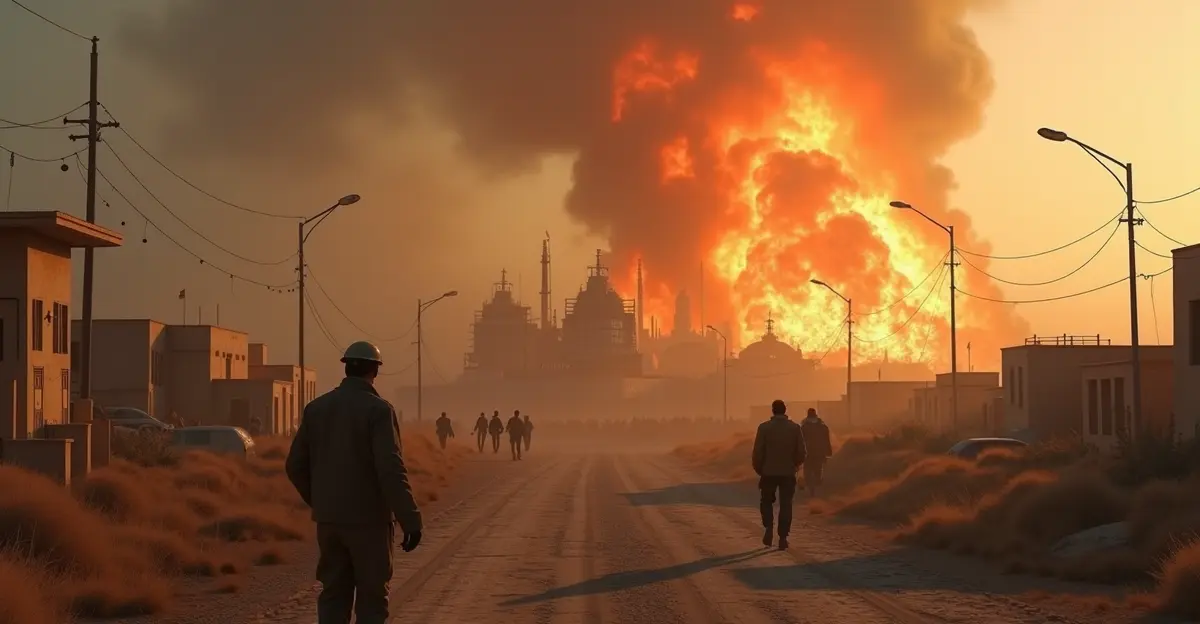
In the Middle East, tensions between Saudi Arabia and Iran continue to fuel proxy conflicts in Yemen and Syria. 'What we're witnessing is a regional power struggle played out through local militias and rebel groups,' says Middle East expert Ahmed Al-Mansour. 'The humanitarian costs are devastating, but the major powers maintain their distance.'
Africa's Emerging Role
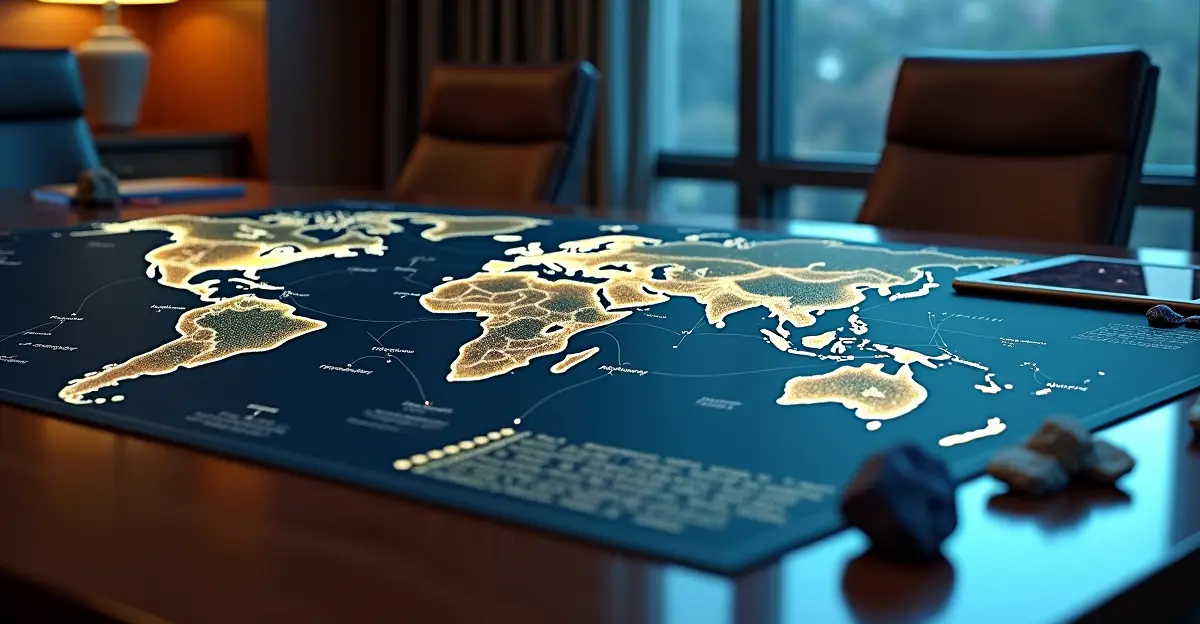
Africa has become a new geopolitical chessboard, with China's Belt and Road Initiative investments competing with US, French, and Russian interests. As noted by IJ Reportika, this continent has emerged as a key arena for indirect competition, with major powers using economic aid and military support to gain influence.
'African nations increasingly find themselves caught between competing global interests,' observes political scientist Dr. Kwame Nkrumah. 'The challenge is balancing development needs with maintaining sovereignty in these complex power dynamics.'
The Strategic Calculus
Proxy warfare offers several strategic advantages. According to Modern Diplomacy, major powers can test weaponry, disrupt rivals, and secure strategic positions through third-party forces while maintaining plausible deniability. This approach reduces political costs and allows for more flexible foreign policy.
'The beauty of proxy warfare from a strategic perspective is that you can achieve your objectives without putting your own soldiers in harm's way,' explains military strategist General James Thompson. 'But the moral and humanitarian implications are deeply troubling.'
Future Outlook
The New Lines Institute's Q4 2025 Forecast predicts continued volatility in proxy conflicts, particularly in the Middle East and Eastern Europe. As major powers seek to project influence without direct confrontation, these indirect conflicts are likely to define the geopolitical landscape for years to come.
'We're entering an era where proxy conflicts may become the primary mode of international competition,' warns international relations professor Dr. Elena Petrova. 'The challenge for the international community is developing mechanisms to manage these conflicts and protect civilian populations caught in the crossfire.'


Follow Discussion