


 Deutsch
 English
 Español
 Français
 Nederlands
 Português


 Share
Share




What is the Humpback Timmy Rescue Operation?
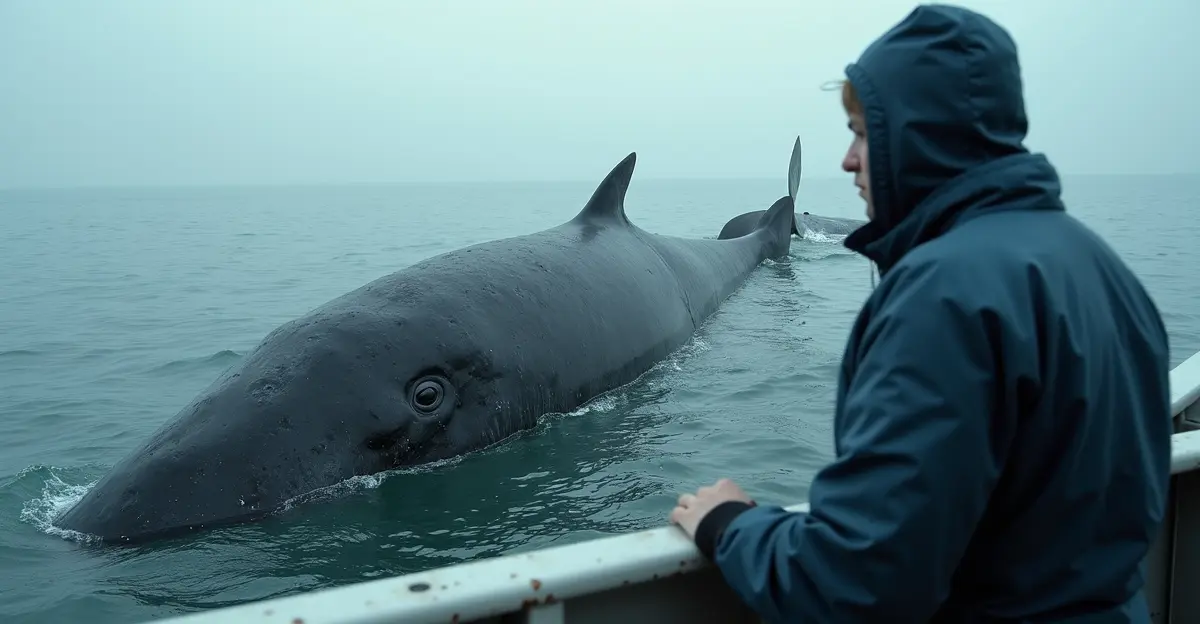
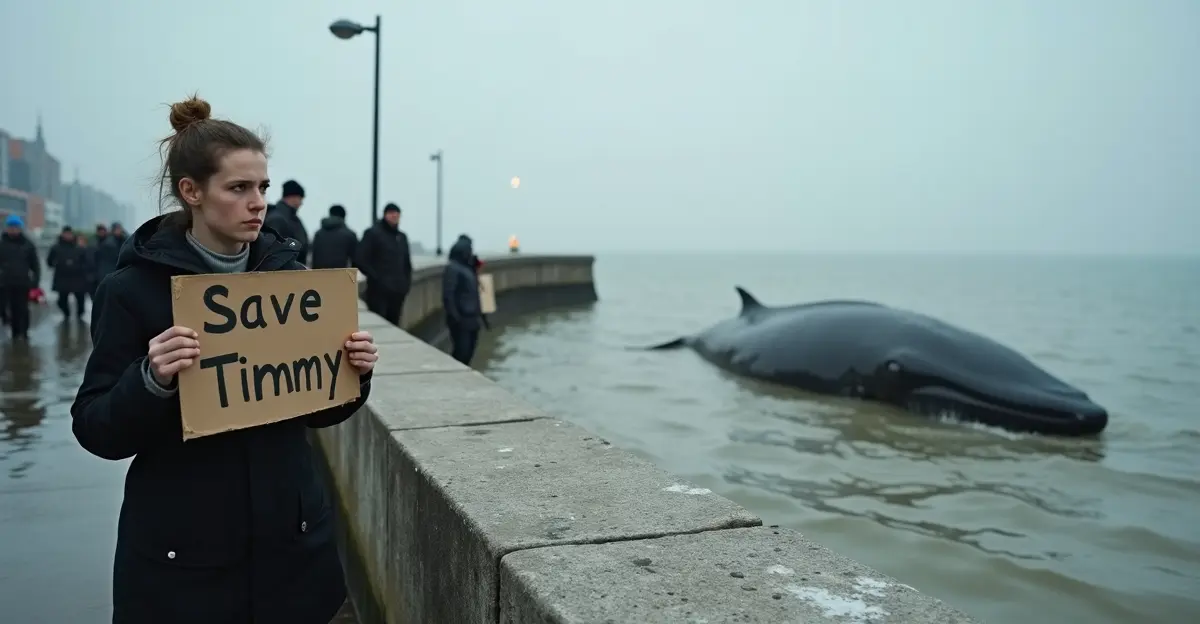
The dramatic rescue operation for a humpback whale named Timmy is underway off Germany's Baltic Sea coast. After weeks of stranding and re-stranding near shallow waters, the 12-ton whale was successfully moved into a large floating steel pen on April 28, 2026. The ultimate goal is to transport Timmy over 400 kilometers around Denmark to the open waters of the North Sea, where he can hopefully return to the Atlantic Ocean. This Baltic Sea whale rescue has captured the nation's attention.
Background: Timmy's Ordeal in the Baltic Sea
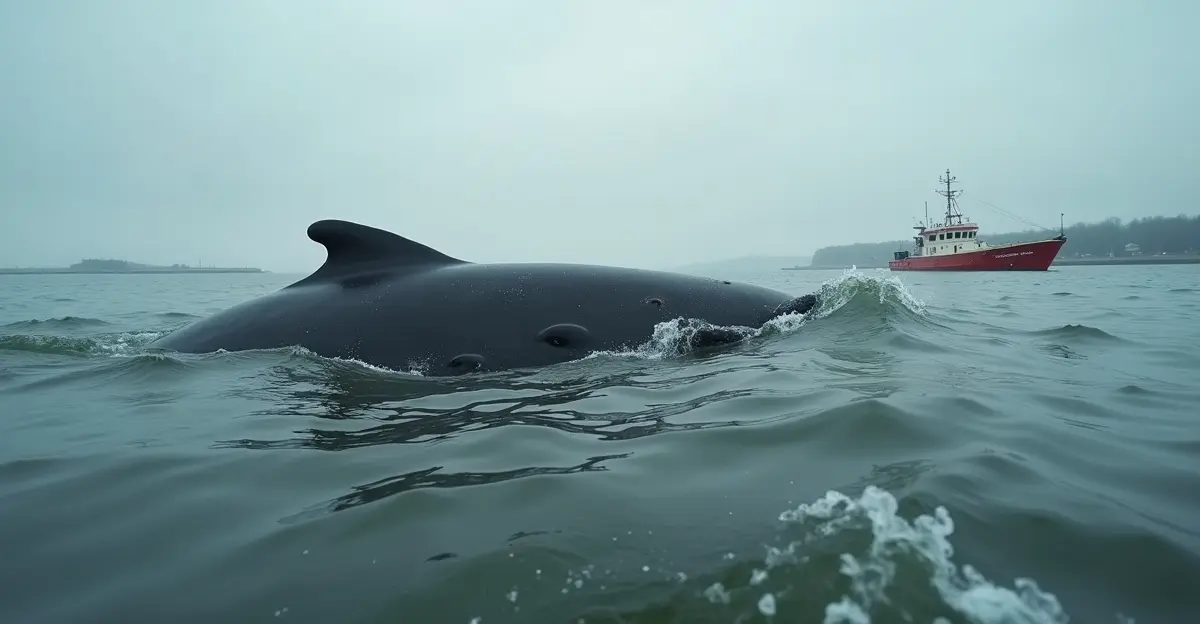
Since early March 2026, the young humpback whale has been trapped in the shallow, brackish waters of the German Baltic coast. Timmy repeatedly stranded on sandbanks, was temporarily freed by rising tides, only to become stuck again. Scientists had largely given up hope, believing the whale was terminally ill and only eligible for palliative care. Despite their warnings, the Environment Minister of the state granted permission for a private rescue attempt.
The Rescue Operation: A Risky Endeavor
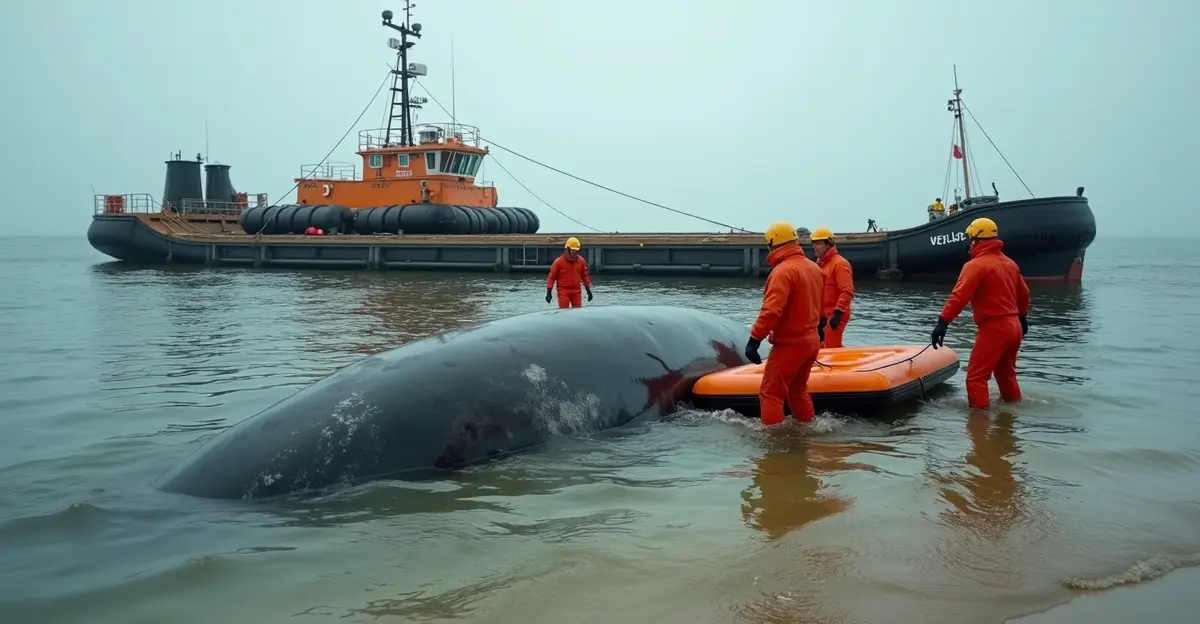
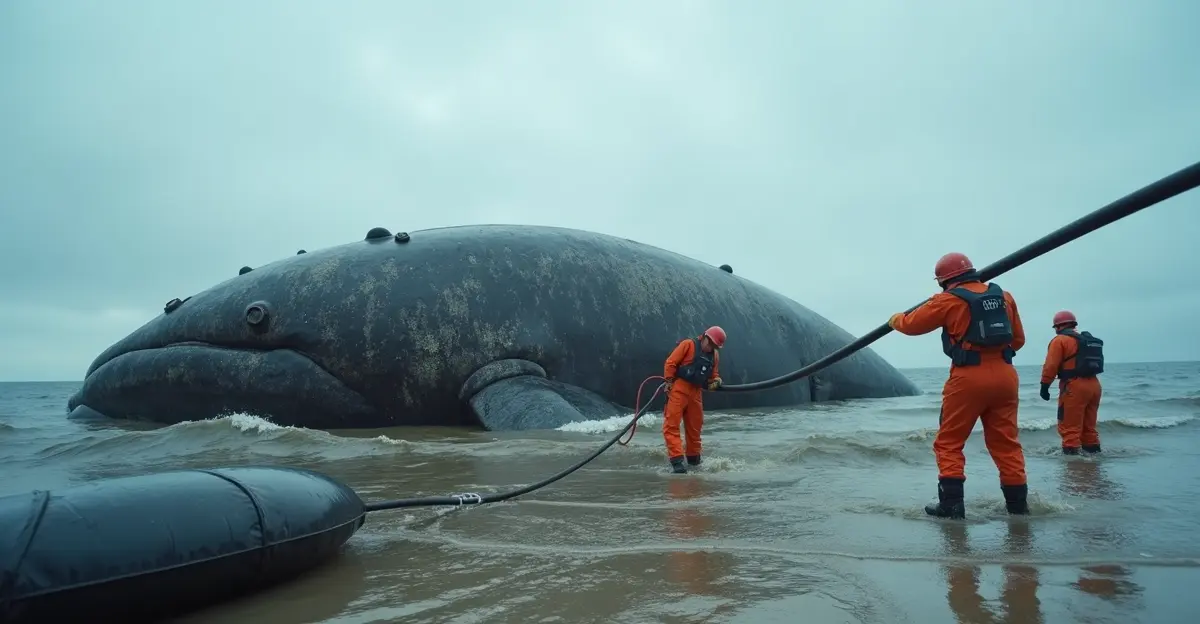
On the morning of April 28, rescue workers used ropes and a harness to guide Timmy into a custom-built floating steel pen measuring approximately 50 by 13 meters. The operation was extremely risky; moving a 12-ton whale can cause fatal internal injuries. However, German media reported that Timmy swam the final stretch into the pen on his own, prompting cheers from the rescue team. The whale even vocalized, a positive sign according to marine biologists.
The pen is now awaiting a tugboat to tow it on a journey of more than 400 kilometers around Denmark to the North Sea. The duration of the trip remains uncertain. Marine biologist Fabian Ritter warned on ZDF that the transport will be stressful: “The ship makes a lot of noise, which whales are very sensitive to. The animal could also go into shock from the sudden movements.”
Expert Skepticism Remains
Even if Timmy reaches the North Sea, his survival is not guaranteed. He would still need to swim to the Atlantic Ocean, where humpback whales typically live. The challenges of whale rehabilitation are significant. In 2012, the Netherlands learned valuable lessons from a stranded humpback named Johanna, which biologists say Germany could also learn from.
Germany's Whale Obsession: Timmy Mania
The rescue has sparked a media frenzy across Germany. From live-streaming whale whisperers to Timmy-themed tattoos, the nation has been captivated by the whale's plight. Correspondent Chiem Balduk noted that the story has dominated headlines for weeks, turning the rescue into a national cause célèbre. The public response to stranded whales often raises questions about resource allocation versus natural selection.
FAQ: Humpback Whale Strandings and Rescue
Why do humpback whales strand themselves?
Humpback whales can strand due to illness, injury, navigation errors, or disorientation in shallow waters. Timmy's repeated strandings suggest a serious underlying health issue.
What is the success rate of whale rescues?
Success rates are low, especially for large whales. Many rescued whales re-strand or die from stress and injuries sustained during the rescue. The history of whale rescue attempts shows mixed outcomes.
How far is the transport from the Baltic to the North Sea?
The journey is over 400 kilometers around the Danish peninsula, through the Kattegat and Skagerrak straits, into the North Sea.
What happens if Timmy reaches the North Sea?
He must then swim further into the Atlantic Ocean, his natural habitat. He will need to be healthy enough to hunt and navigate on his own.
Why did scientists oppose the rescue?
Marine biologists argued that Timmy's repeated strandings indicate a terminal illness or severe weakness. They advocated for palliative care rather than a stressful, potentially fatal rescue attempt.

Follow Discussion