


 Deutsch
 English
 Español
 Français
 Nederlands
 Português


 Share
Share




Breaking: German Protesters Demand Whale Rescue as Authorities Declare Bultrug Timmy Beyond Saving
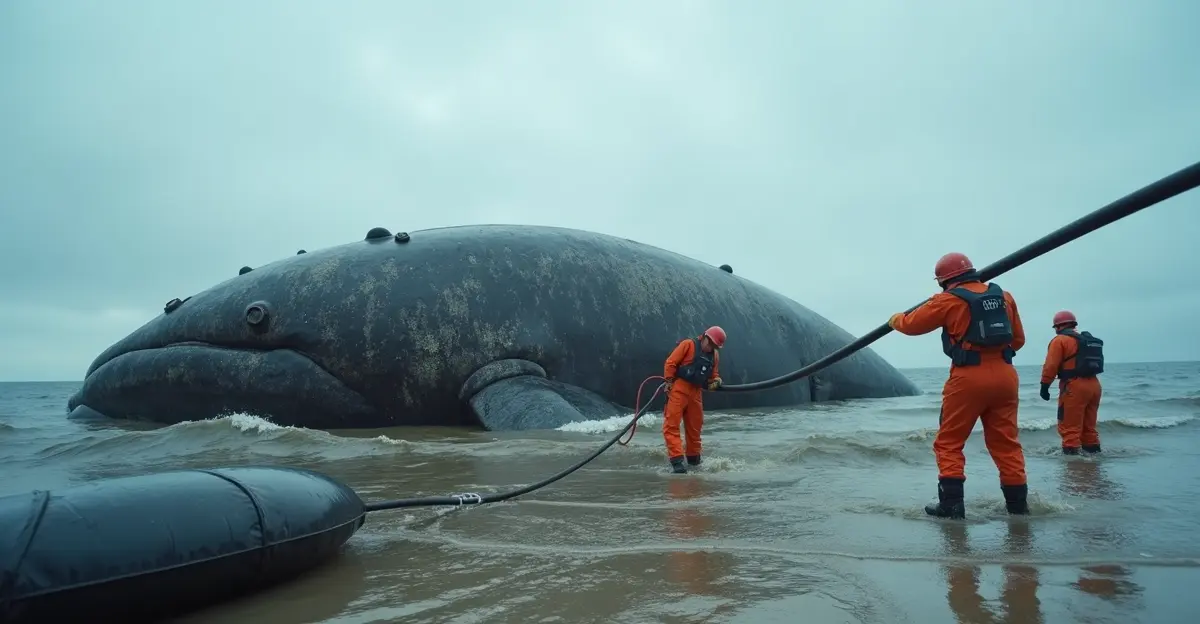
In a dramatic environmental standoff, over 150 German protesters have formed human chains in Wismar harbor demanding action to save a stranded humpback whale named Timmy, even as authorities declare the animal beyond rescue after 13 days stranded in the Baltic Sea. The emotional confrontation highlights the complex intersection of public compassion, scientific expertise, and animal welfare in marine conservation crises.
What is the Timmy Whale Stranding Crisis?
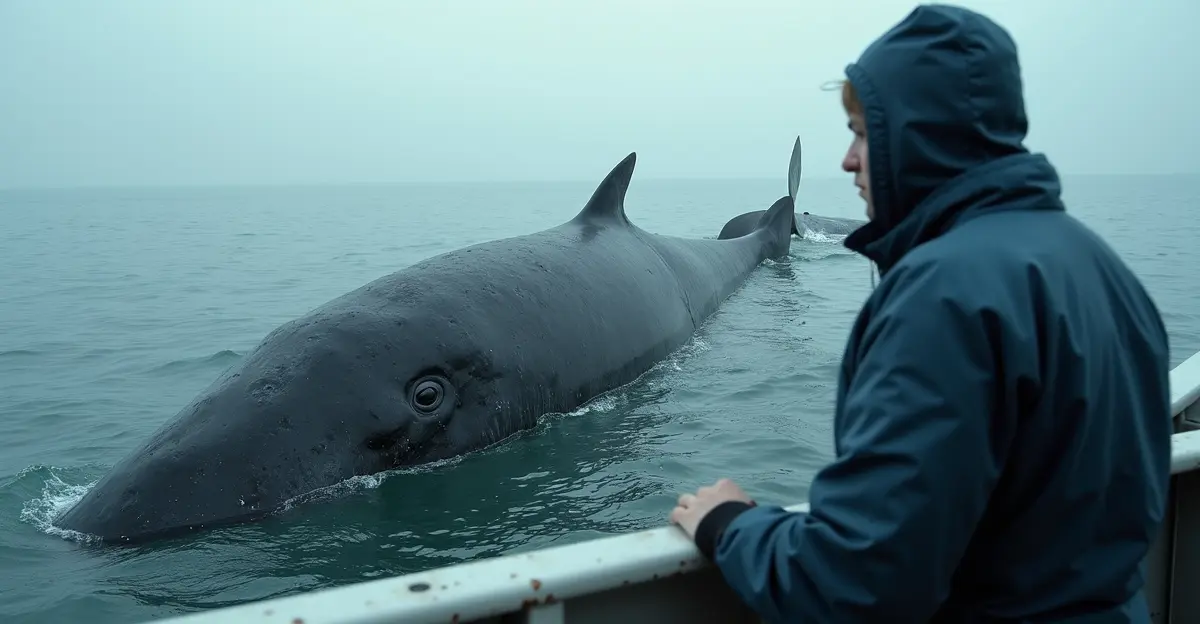
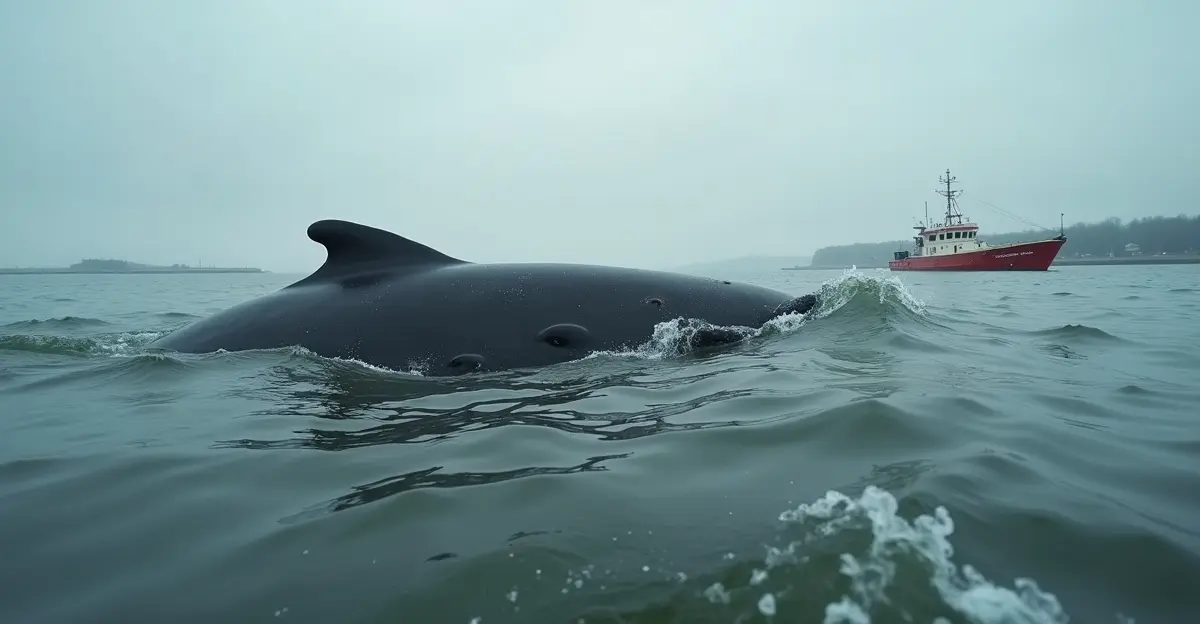
The humpback whale nicknamed Timmy, measuring 12.35 meters long and weighing approximately 12 tons, first entered the Baltic Sea in early March 2026 and has become stranded multiple times along Germany's coast. The whale, likely a young male, strayed into the Baltic from the North Atlantic—an unusual occurrence since humpback whales typically avoid the Baltic's low-salinity waters. Experts believe Timmy may have followed herring runs or become disoriented by submarine noise, leading to his entrapment in the shallow, brackish waters that are physiologically harmful to his species.
Protesters vs. Authorities: The Wismar Standoff
On April 12, 2026, protesters gathered in Wismar harbor holding signs reading 'Save the Whale' and accusing authorities of negligence. The demonstration came after Mecklenburg-Vorpommern's Environment Minister Till Backhaus announced that experts had exhausted all rescue options. 'It's heartwarming that so many people are willing to help the animal, even by donating money,' Backhaus stated, 'but there is no expert worldwide who thinks differently about this situation.'
The protesters' frustration reflects a broader public engagement with marine conservation issues, similar to recent European marine mammal protection campaigns that have gained momentum across the continent. However, authorities maintain that further intervention would constitute animal cruelty, as Timmy shows signs of extreme exhaustion and no longer reacts to nearby boats—a critical indicator of impending death.
Timeline of Rescue Attempts
- March 3, 2026: Timmy first spotted in Baltic Sea near Wismar
- March 23: Stranded at Timmendorfer Strand (named after this location)
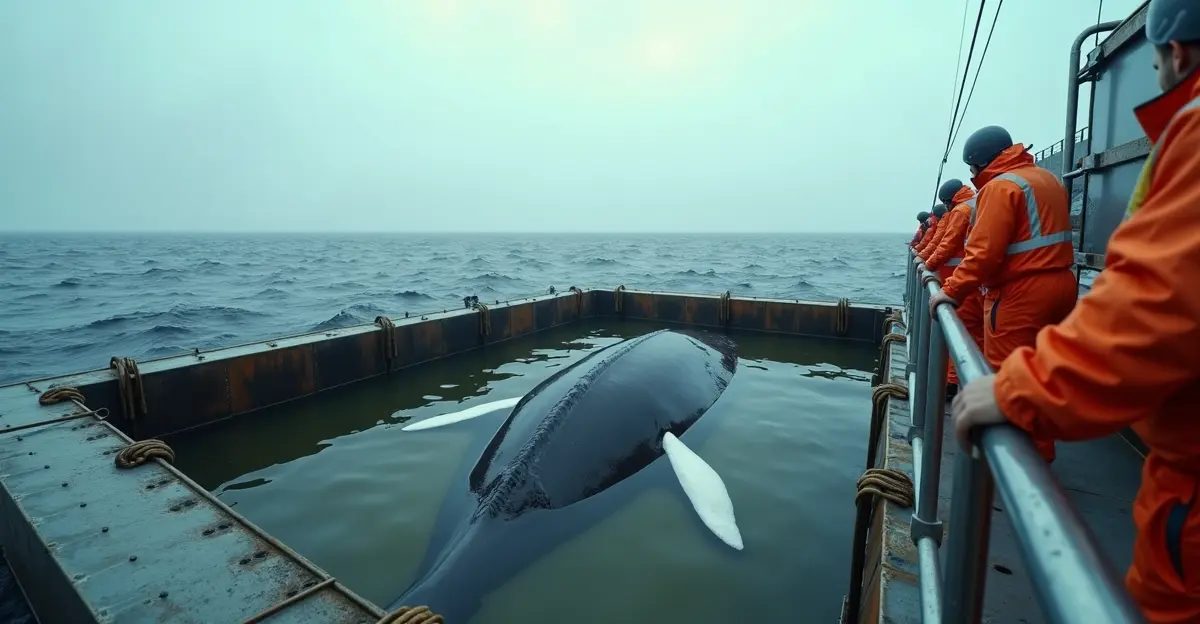
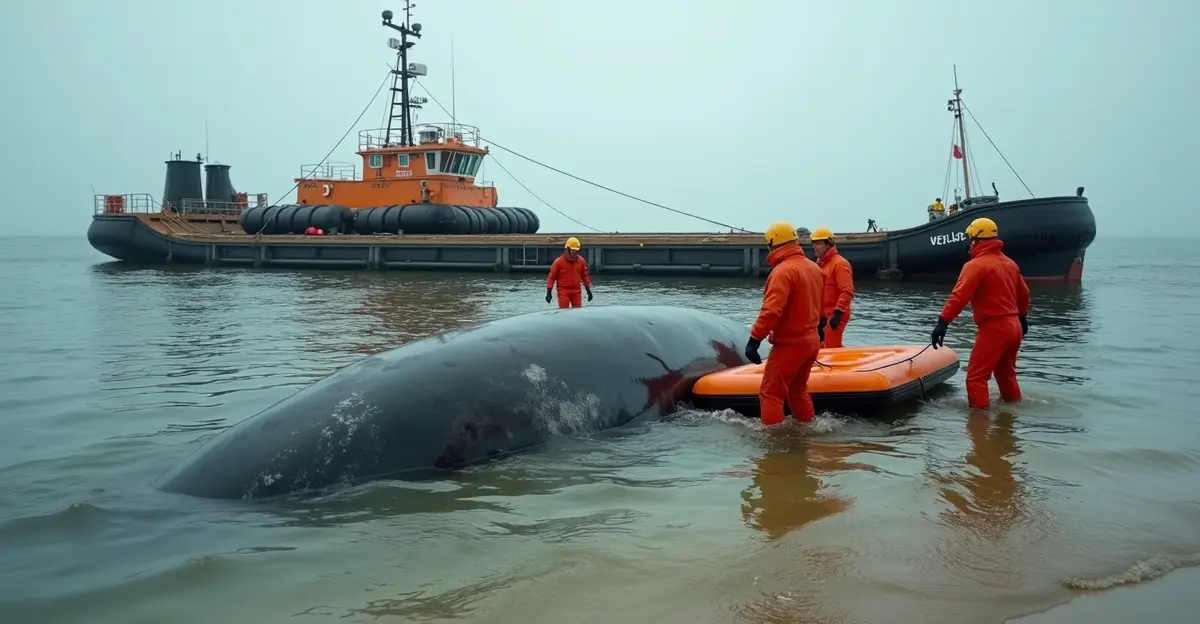
- March 24-27: Major rescue operation using excavators, dredgers, and wave-creating boats
- March 31: Stranded again on sandbank near Poel Island in Wismar Bay
- April 12: Authorities declare rescue impossible; protests erupt
Scientific Assessment: Why Timmy Cannot Be Saved
Marine biologists have identified several factors making Timmy's survival impossible:
| Factor | Impact on Whale | Scientific Explanation |
|---|---|---|
| Low Salinity | Severe skin infections | Baltic Sea salinity (0.5-0.8%) vs. Atlantic (3.5%) causes osmotic stress |
| Nutritional Depletion | Extreme weight loss | No suitable prey in Baltic; whale has likely not fed properly for weeks |
| Physical Exhaustion | Cannot free itself | Breathing reduced to 1-2 times per minute; minimal movement |
| Navigation Challenge | Impossible escape route | Would need to navigate 500km through narrow, shallow straits to Atlantic |
Environmental authorities have conducted water quality tests around the stranded whale, with Minister Backhaus confirming that values remain within normal limits, meaning the dying animal poses no immediate environmental or public health risk. The whale is monitored 24/7 with cameras as experts await the inevitable.
Broader Context: European Whale Stranding Crisis
Timmy's plight occurs amid a concerning increase in whale strandings across Northern Europe. Just days before the Wismar protest, a 12-meter sperm whale died within hours of stranding in Préfailles, France. These incidents highlight growing challenges in marine mammal conservation in changing oceans, with experts pointing to factors including:
- Increased shipping traffic and underwater noise pollution
- Climate change altering migration patterns and prey distribution
- Entanglement in fishing gear (Timmy had fishing net remnants in his mouth)
- Pollution affecting whale health and navigation
Ethical Implications and Public Response
The emotional public response to Timmy's situation reflects a significant shift in how societies value individual animal lives within conservation frameworks. While authorities must balance scientific reality with public sentiment, the protest demonstrates that marine conservation has moved beyond academic circles into mainstream public consciousness. This mirrors similar debates around wildlife intervention ethics in urban environments where human and animal interests increasingly intersect.
Frequently Asked Questions (FAQ)
Why can't they just move Timmy to deeper water?
Moving a 12-ton whale requires specialized equipment and risks causing further injury. Timmy's extreme weakness means any physical manipulation could be fatal, and previous attempts using boats and excavators proved unsuccessful.
What will happen to Timmy's body after death?
Authorities plan to transport the carcass to the German Oceanographic Museum for scientific examination. This will provide valuable data about whale health, the impacts of Baltic Sea conditions, and potential causes of disorientation.
Are humpback whales common in the Baltic Sea?
No, humpback whales are extremely rare in the Baltic. Their presence usually indicates navigation errors, as the low salinity and limited food make the environment unsuitable for extended stays.
Could this have been prevented?
While individual strandings are difficult to prevent, broader measures like reducing underwater noise, modifying fishing gear, and improving marine traffic management could reduce overall stranding risks for whales entering unusual waters.
What's being done for future whale strandings?
The International Whaling Commission's Strandings Expert Panel is analyzing this case to improve response protocols. German authorities are also reviewing their stranding response procedures based on lessons learned from Timmy's case.

Follow Discussion