


 Deutsch
 English
 Español
 Français
 Nederlands
 Português


 Share
Share




Bultrug Timmy Escapes German Bay: Stranded Humpback Whale's Survival Guide
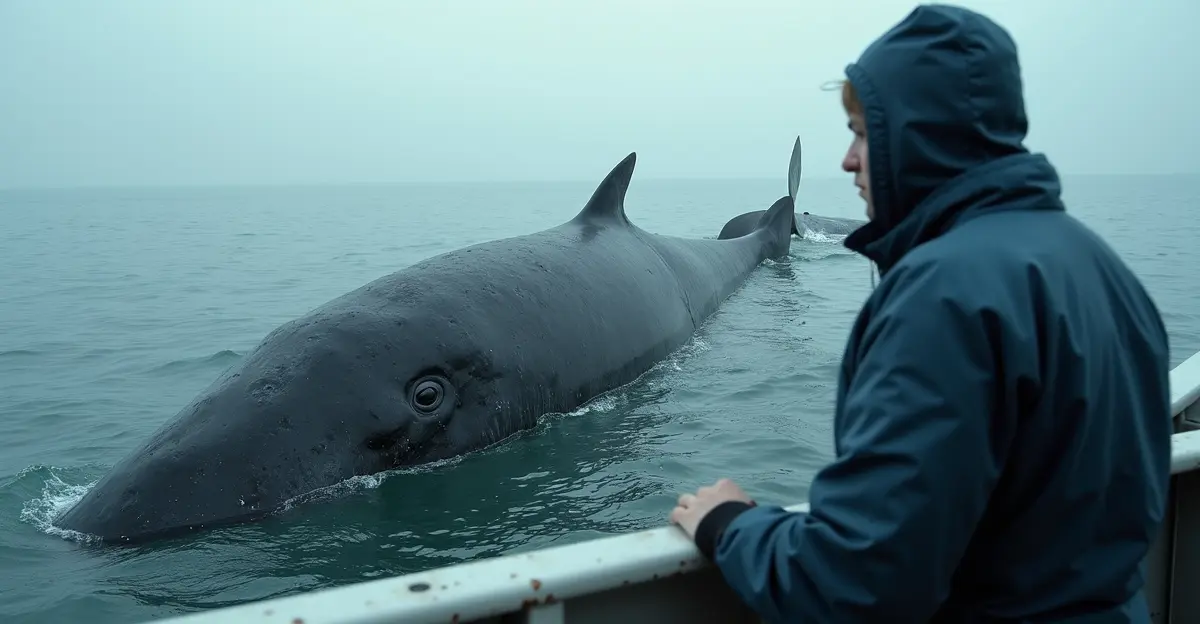
In a remarkable turn of events, the humpback whale nicknamed Timmy, who had been stranded for weeks in a shallow German bay, has managed to escape on his own power. The bultrug, which captured international attention and sparked emotional rescue efforts, swam free from the sandbank near Poel island in the Baltic Sea overnight on April 20, 2026, after authorities had officially abandoned rescue attempts just days earlier.
What is a Bultrug (Humpback Whale)?
A bultrug, known scientifically as Megaptera novaeangliae, is a species of baleen whale that can grow up to 60 feet (18 meters) long and weigh approximately 40 tons. These majestic marine mammals are characterized by their distinctive body shape, long pectoral fins, and complex songs. Humpback whales typically migrate thousands of kilometers between feeding grounds in polar waters and breeding grounds in tropical or subtropical waters. Their appearance in the Baltic Sea ecosystem is extremely rare, making Timmy's stranding an unusual event that puzzled marine biologists.
The Timeline of Timmy's Stranding and Rescue Efforts
March 23, 2026: Initial Stranding
The whale, later nicknamed Timmy after the location Timmendorfer Strand where he first appeared, became stranded in the shallow waters of the Baltic Sea. Initial rescue attempts involved using police boats and excavators to create channels, but the whale repeatedly became stuck on sandbanks.
April 2026: Escalating Rescue Operations
Over the following weeks, multiple rescue attempts were made:
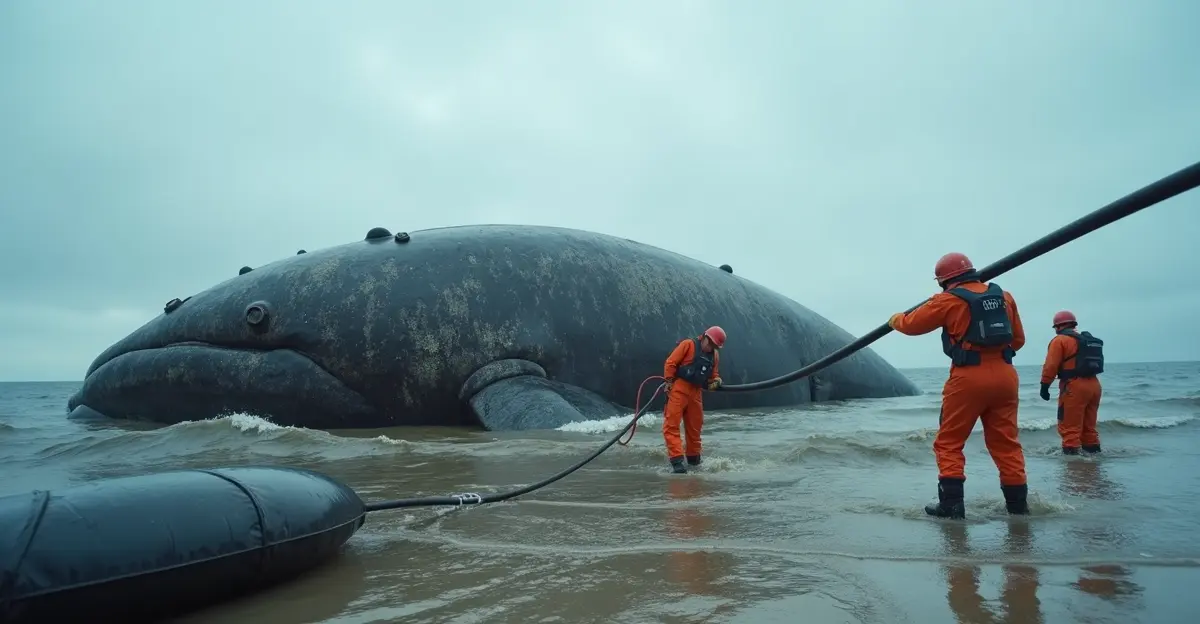
- Digging escape channels with heavy machinery
- Using boats to guide the whale toward deeper water
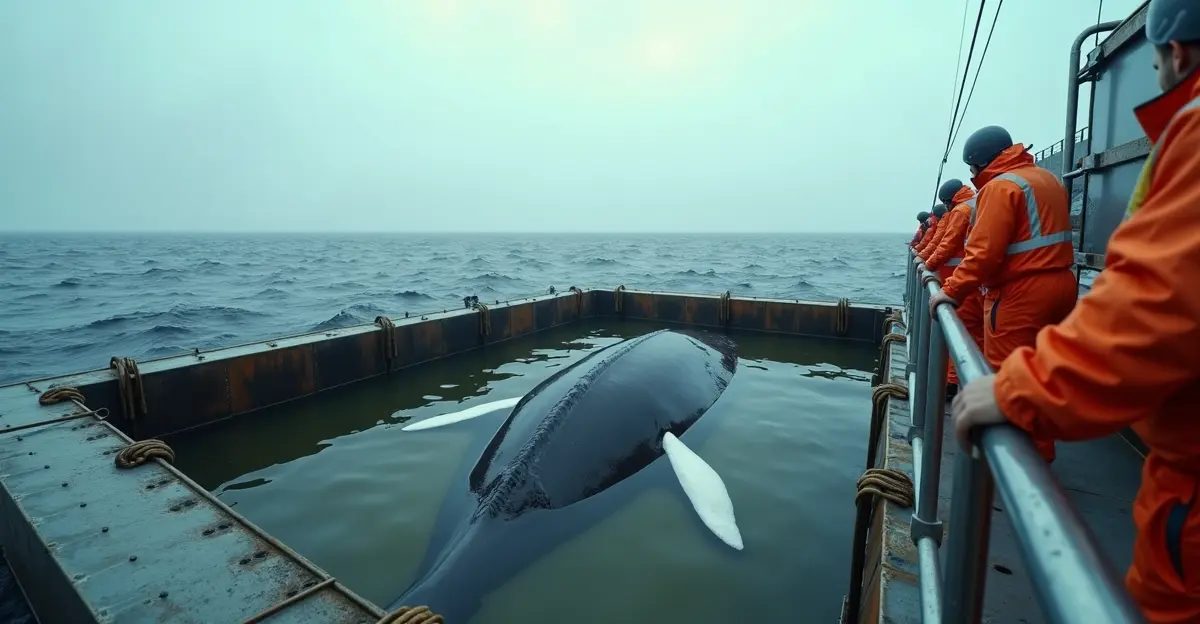
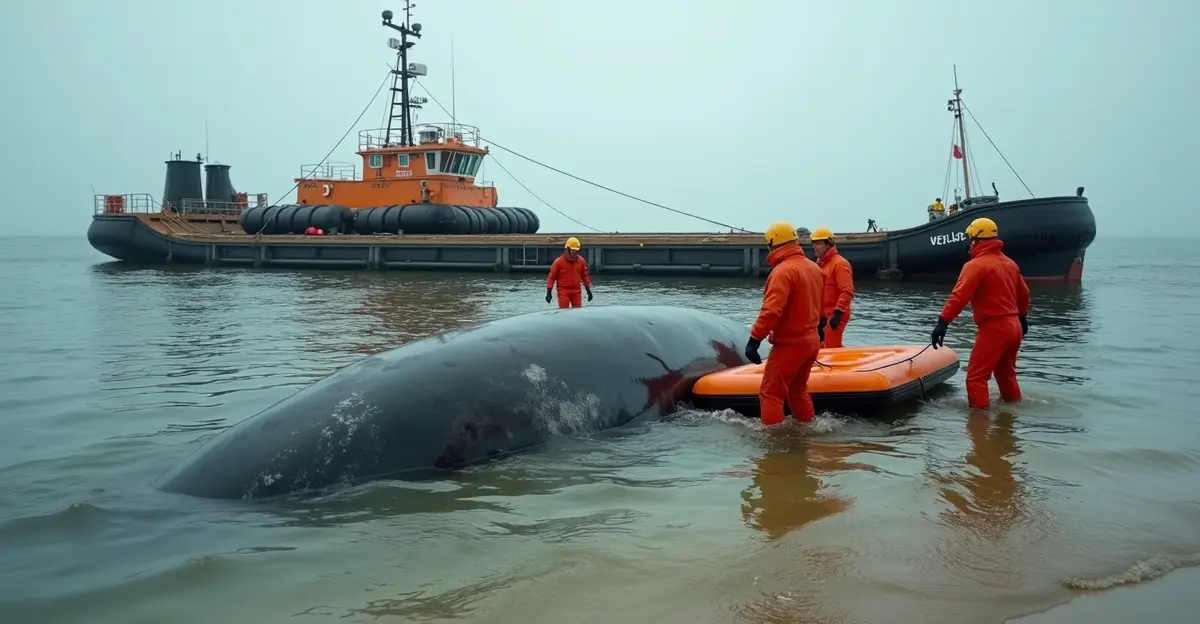
- Proposed air cushion rescue involving inflatable devices
- Private citizen-led rescue initiatives after official efforts ceased
April 18, 2026: Official Rescue Abandoned
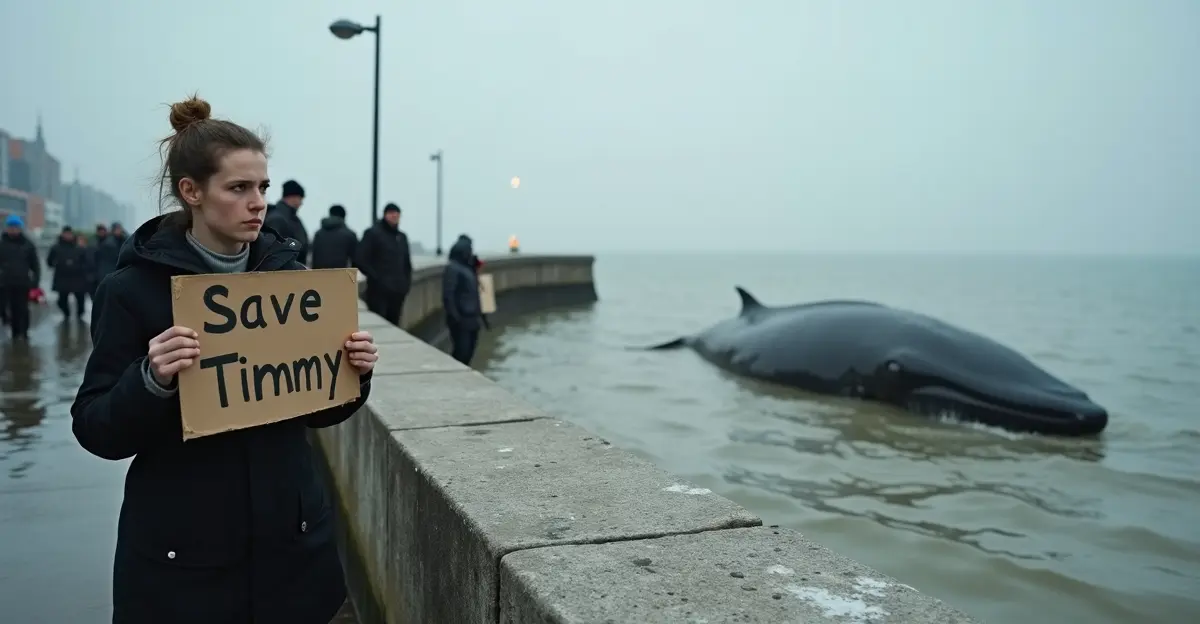
German authorities, including the Environment Ministry, officially called off rescue attempts, stating they saw no viable options to save the whale. This decision sparked public protests and emotional demonstrations, with citizens demanding continued efforts to save the animal. The marine mammal rescue protocols faced scrutiny as experts debated the ethics of intervention versus natural processes.
How Timmy Escaped: The Natural Solution
In a surprising development, Timmy managed to free himself overnight when rising water levels provided enough depth for the whale to swim off the sandbank. According to the German Environment Ministry, the humpback whale traveled approximately 3 to 5 kilometers (1.9 to 3.1 miles) and is currently resting in deeper waters. The water police continue to monitor the animal's movements.
'The whale could swim away from the shallow water after the water level rose,' stated a ministry spokesperson. 'We are monitoring the situation closely, but the animal appears to have found its own way out.'
The Challenges Ahead: Timmy's Long Journey
Despite this positive development, Timmy faces significant challenges:
- Navigation through the Baltic Sea: The whale must first leave the Baltic Sea entirely
- Passage between Danish islands: Navigating through narrow channels requires precise movement
- Journey to the Atlantic Ocean: The ultimate destination where humpback whales typically reside
- Health concerns: The whale showed signs of severe skin damage from prolonged exposure to low-salinity Baltic water
The whale's health had deteriorated significantly during the stranding period, with veterinary examinations revealing severe ulcerative dermatitis that could lead to systemic compromise. Similar to other marine wildlife conservation cases, this situation highlights the delicate balance between human intervention and natural processes.
Public Reaction and Ethical Considerations
The case of Timmy the humpback whale sparked intense public debate across Germany and internationally. When authorities initially abandoned rescue efforts in early April, citizens organized protests and demonstrations demanding continued action. Private individuals launched their own rescue initiatives, planning to use air cushions to lift the whale from the seabed.
Environmental organizations like Greenpeace Germany expressed opposition to further rescue attempts, arguing that the severely weakened whale should be allowed to die peacefully rather than endure additional stress from human intervention. This ethical debate mirrors discussions around other wildlife rescue ethics where human compassion conflicts with scientific assessment of an animal's chances.
FAQ: Frequently Asked Questions About Timmy the Humpback Whale
Why was the whale named Timmy?
The humpback whale was nicknamed Timmy after Timmendorfer Strand, the German beach resort where it was first spotted stranded on March 23, 2026.
How rare are humpback whales in the Baltic Sea?
Extremely rare. Humpback whales typically inhabit oceans and rarely venture into the enclosed, shallow Baltic Sea. Their appearance there suggests navigation errors, disorientation, or possibly following prey.
What were the proposed air cushion rescue methods?
Rescue plans involved using inflatable air cushions to lift the whale from the seabed onto a tarp attached to pontoons, then towing it to deeper waters. This innovative approach was considered minimally invasive compared to traditional methods.
How far does Timmy need to swim to reach safety?
The whale needs to navigate approximately 500 kilometers (310 miles) through the Baltic Sea, pass between Danish islands, and reach the North Sea before potentially continuing to the Atlantic Ocean.
What are the main threats to Timmy's survival now?
Primary threats include navigating unfamiliar waters, potential entanglement in fishing gear, further health deterioration from existing injuries, and the physical demands of the long journey ahead.

Follow Discussion