


 Deutsch
 English
 Español
 Français
 Nederlands
 Português


 Share
Share




Bultrug Timmy Rescue Guide: Final Attempt to Save Stranded Humpback Whale Explained
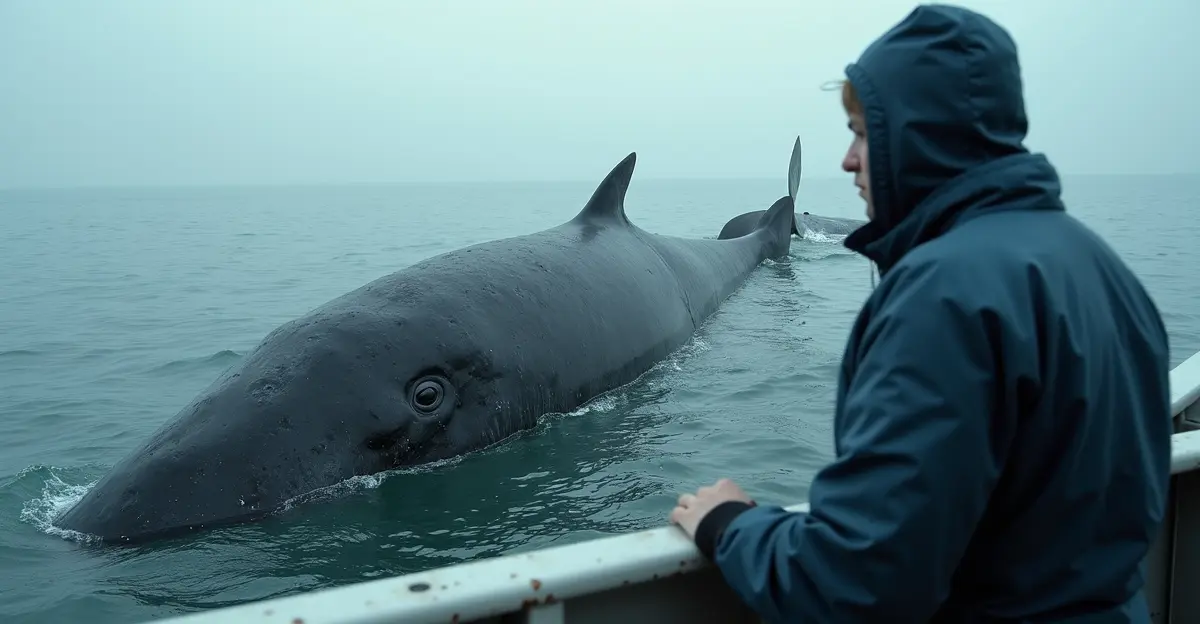
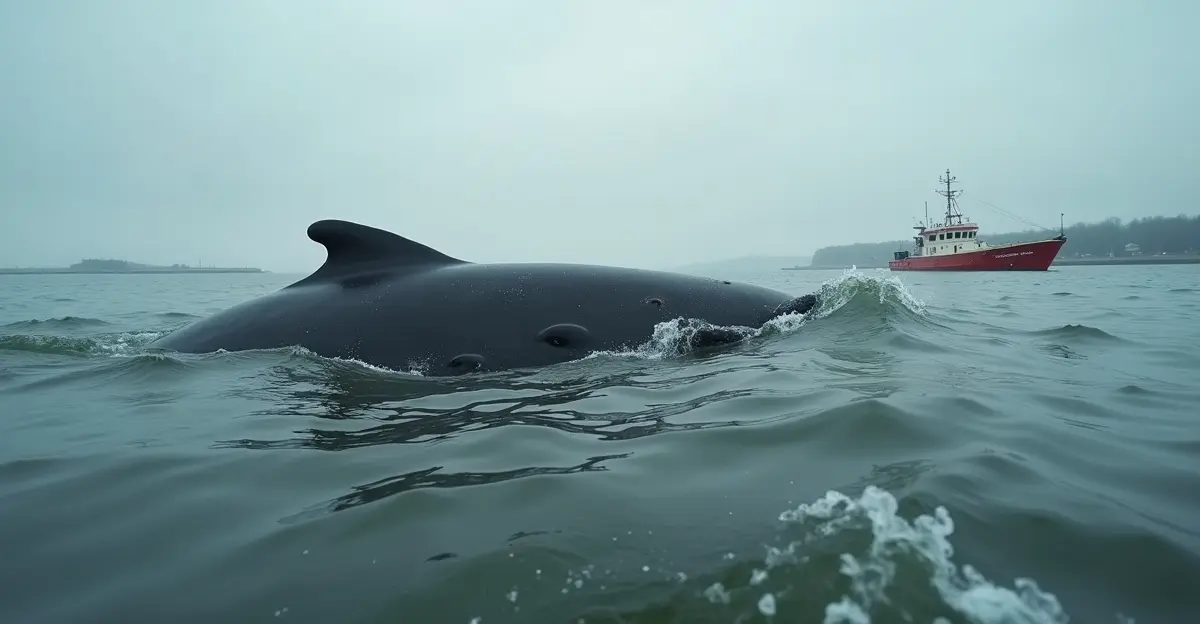
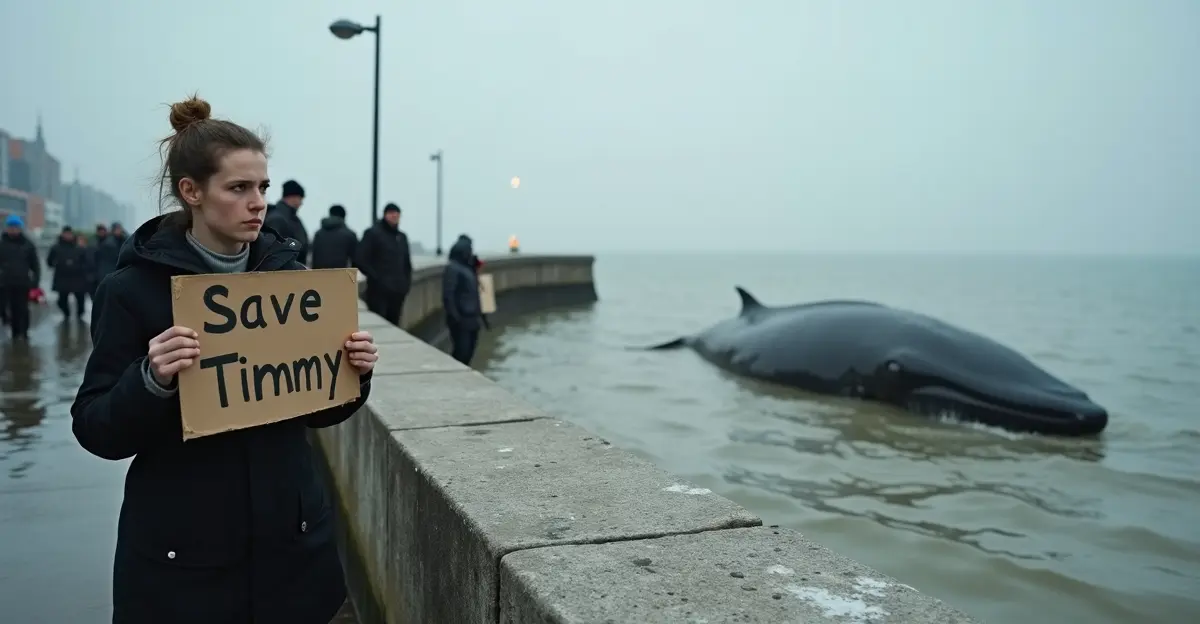
In a dramatic last-ditch effort that has captured Germany's attention, rescue workers are undertaking a final attempt today to save Timmy, a humpback whale stranded for 19 days off the coast of Poel Island near Wismar in the Baltic Sea. This comprehensive guide explains the complex rescue operation, the whale's condition, and what happens next in this emotional marine mammal rescue story.
What is the Timmy Whale Rescue Operation?
The rescue operation for bultrug Timmy represents one of the most ambitious marine mammal rescue attempts in recent European history. The 12-15 meter humpback whale, weighing approximately 12 tonnes, has been stranded in shallow waters since early March 2026. Despite authorities initially declaring further attempts would only harm the animal, volunteers and private funders have organized this final rescue mission using innovative sand-pumping and air cushion technology.
The Rescue Technique: How It Works
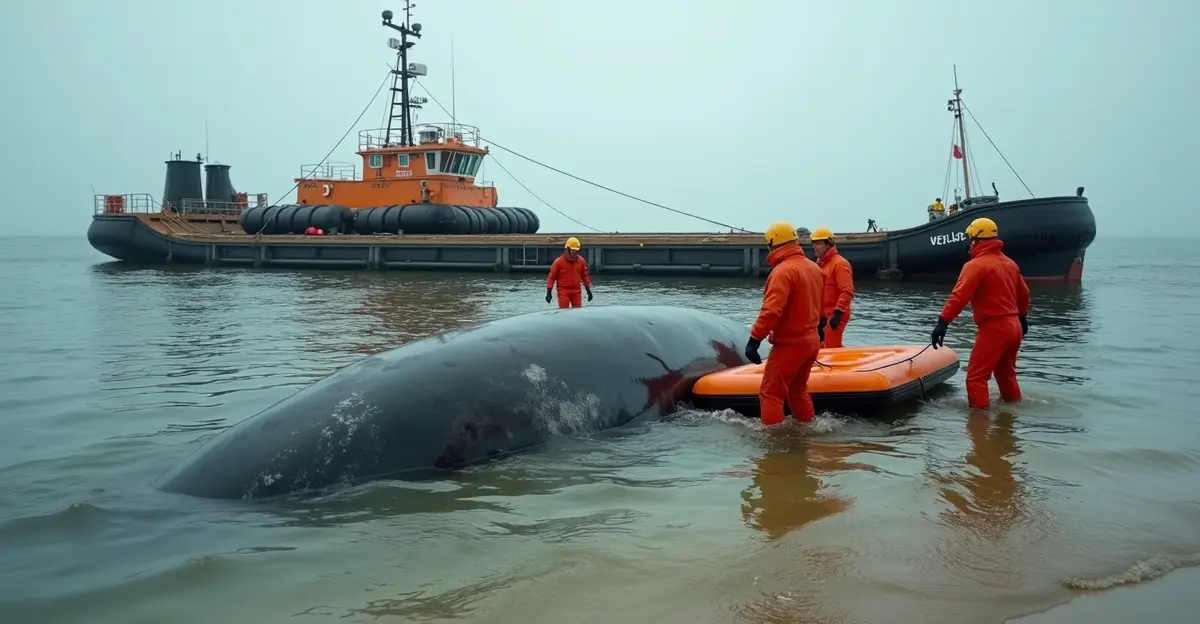
The rescue team is employing a sophisticated three-stage approach to save Timmy:
- Sand Pumping: Workers are using high-pressure water jets to pump sand from beneath the whale, creating space for the rescue equipment.
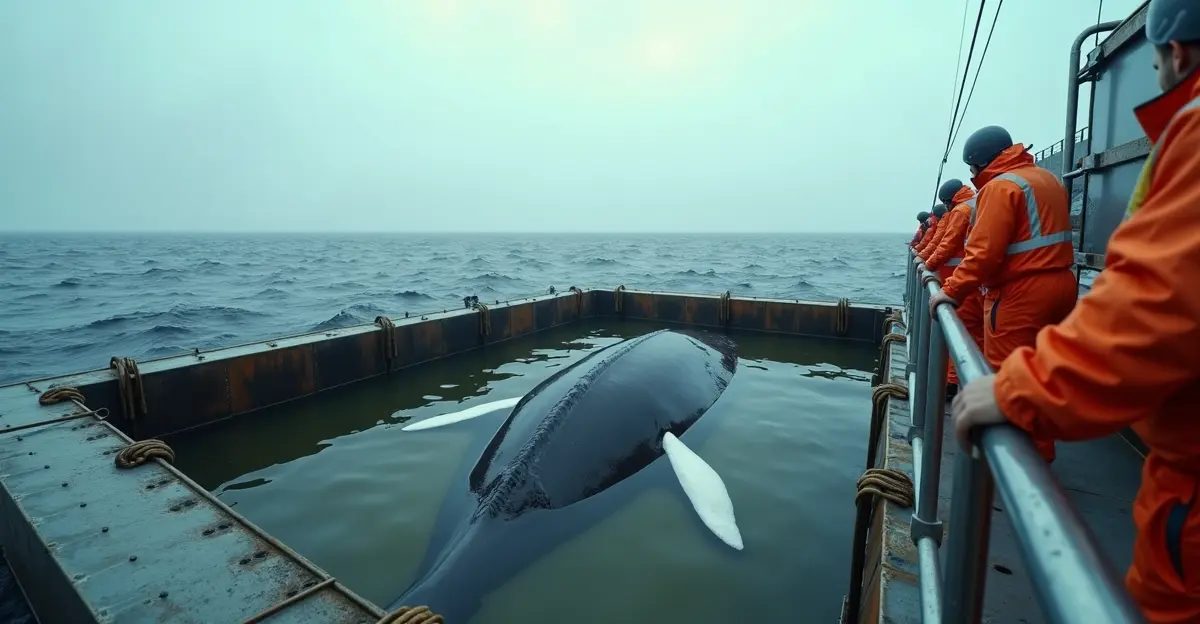
- Air Cushion Placement: Once sufficient space is created, specially designed air cushions and a 6x12 meter tarp will be positioned under the whale's body.
- Pontoon Transport: The whale will be lifted onto the tarp, which will be secured between two pontoons for transport to deeper waters.
'The whale reacted strongly to our presence, thrashing its tail and turning over,' reported a rescue team member. 'A veterinarian sees this as a positive sign - it means the humpback still has considerable strength.'
Why This Rescue is So Challenging
Several factors make Timmy's rescue particularly difficult. The Baltic Sea's low salinity (only 0.8% compared to the ocean's 3.5%) is unsuitable for humpback whales long-term. Additionally, the whale shows signs of skin infections and wounds, likely from prolonged exposure to unsuitable conditions. Similar to the 2025 marine mammal stranding crisis in the North Sea, this situation highlights the growing challenges facing marine conservation efforts.
Timmy's Journey and Current Condition
Timmy has been stranded for 19 days as of April 18, 2026. The whale likely entered the Baltic Sea while chasing herring schools and became disoriented in the unfamiliar, shallow waters. Marine biologists believe the whale may have hearing damage from underwater noise pollution, a growing concern in Baltic Sea conservation efforts.
The whale's condition has fluctuated throughout the stranding period. While showing signs of strength during recent rescue attempts, Timmy also exhibits symptoms of exhaustion, irregular breathing, and skin damage from prolonged exposure to air and unsuitable water conditions.
Controversy and Public Response
The rescue operation has sparked significant debate among marine experts and environmental groups. While German Environmental Minister Till Backhaus supports the rescue, organizations like Greenpeace argue the severely weakened whale should be allowed to die peacefully rather than endure a stressful rescue with low survival chances.
Public interest has been extraordinary, with dozens of spectators and multiple camera crews following the operation. Police have established a 500-meter protection zone to keep bystanders at a safe distance. The emotional response mirrors previous marine animal rescue controversies that have divided experts and the public.
Funding and Logistics
The rescue is funded by private donors, including electronics retailer founder Walter Gunz and equestrian event organizer Karin Walter-Mommert, who stepped in after regional officials were ready to admit defeat. The operation requires coordination between marine biologists, veterinarians, heavy equipment operators, and maritime authorities.
The Long Journey Ahead
If successful, Timmy faces a challenging journey of hundreds of kilometers through the Danish Skagerrak to reach the North Sea. The ultimate goal is to release the whale in the Atlantic Ocean, its natural habitat. Humpback whales typically migrate between polar feeding grounds and equatorial breeding areas, making this rescue operation crucial for returning Timmy to its natural migratory patterns.
FAQs About the Timmy Whale Rescue
How long has Timmy been stranded?
Timmy has been stranded for 19 days as of April 18, 2026, since early March in the Baltic Sea near Poel Island, Germany.
What species is Timmy?
Timmy is a humpback whale (Megaptera novaeangliae), a species of baleen whale known for its distinctive body shape and complex songs.
Why is the Baltic Sea dangerous for humpback whales?
The Baltic Sea has low salinity (0.8% vs. ocean's 3.5%), limited food sources, and shallow waters that can disorient deep-water species like humpback whales.
What are the survival chances if rescued?
Experts estimate low survival chances due to the whale's weakened condition, but the rescue team believes the attempt is worth making given the whale's recent displays of strength.
How much does the rescue operation cost?
While exact figures aren't public, similar operations typically cost hundreds of thousands of euros, funded through private donations and government support.

Follow Discussion