


 Deutsch
 English
 Español
 Français
 Nederlands
 Português


 Share
Share




Timmy the Humpback Whale Confirmed Dead Off Danish Coast
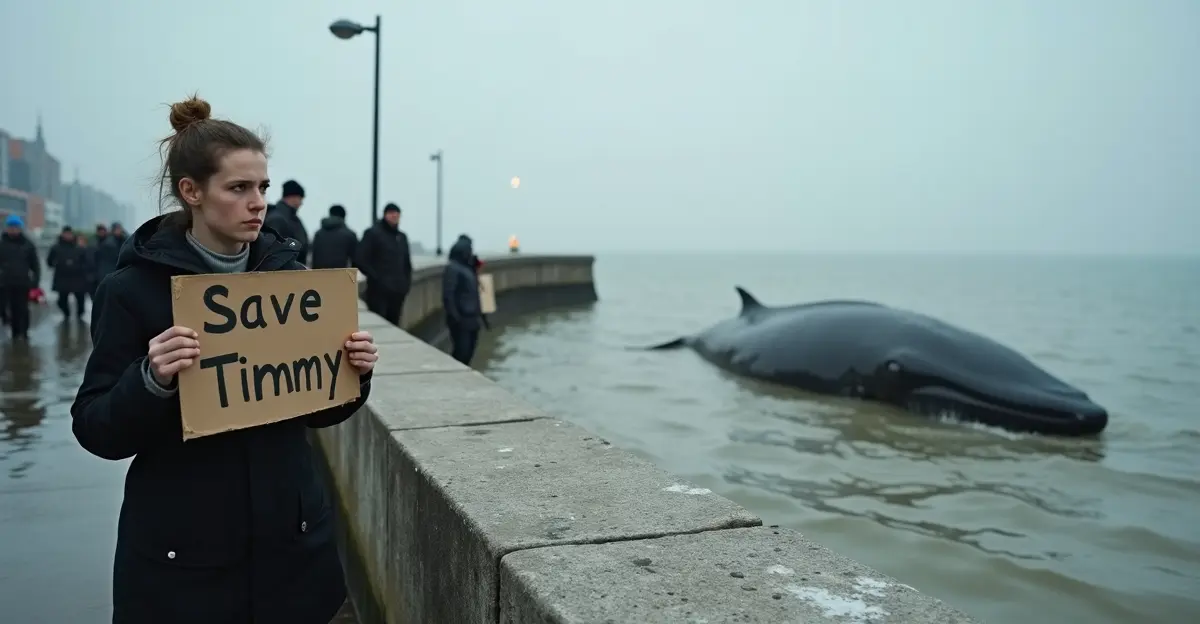
The humpback whale known as Timmy, who captured global attention during a weeks-long rescue ordeal in the Baltic Sea, has been found dead off the coast of the Danish island of Anholt. The Danish Environmental Protection Agency confirmed the whale's identity after divers recovered a tracking device that had been attached to him during his controversial rescue mission. Timmy's body washed ashore on May 16, 2026, approximately two weeks after being released into the North Sea following a privately funded operation that cost an estimated €1.5 million.
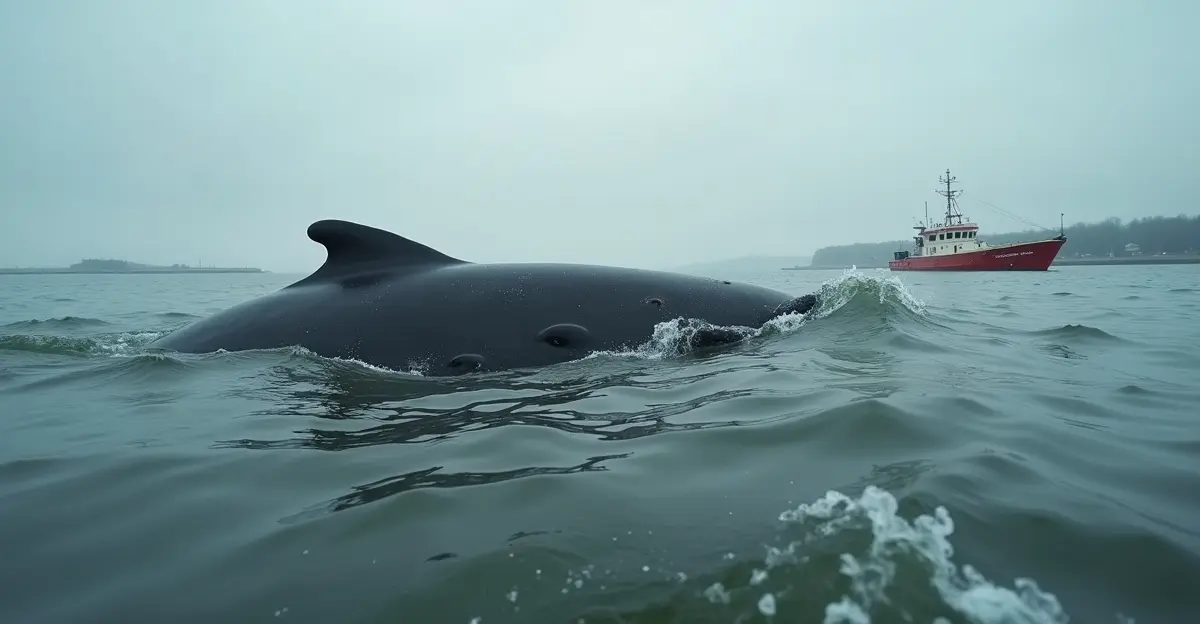
The discovery marks a tragic end to what many had hoped would be a happy story. Timmy, a young male humpback whale measuring 12.35 meters and weighing an estimated 12 tons, first entered the Baltic Sea in early March 2026. He likely followed fish stocks through the Skagerrak and Kattegat straits, but soon found himself in dangerously shallow waters with low salinity levels that are inhospitable to humpback whales.
How Did Timmy Become Stranded?
Timmy was first spotted on March 3, 2026, near the German port city of Wismar, swimming unusually close to the coast. Over the following weeks, he became repeatedly entangled in fishing nets and stranded on sandbars. His most notable stranding occurred on March 23 near Timmendorfer Strand in northern Germany, which gave the whale his nickname. Rescue teams from Sea Shepherd, the fire department, and marine biologists from ITAW Büsum worked tirelessly to free him.
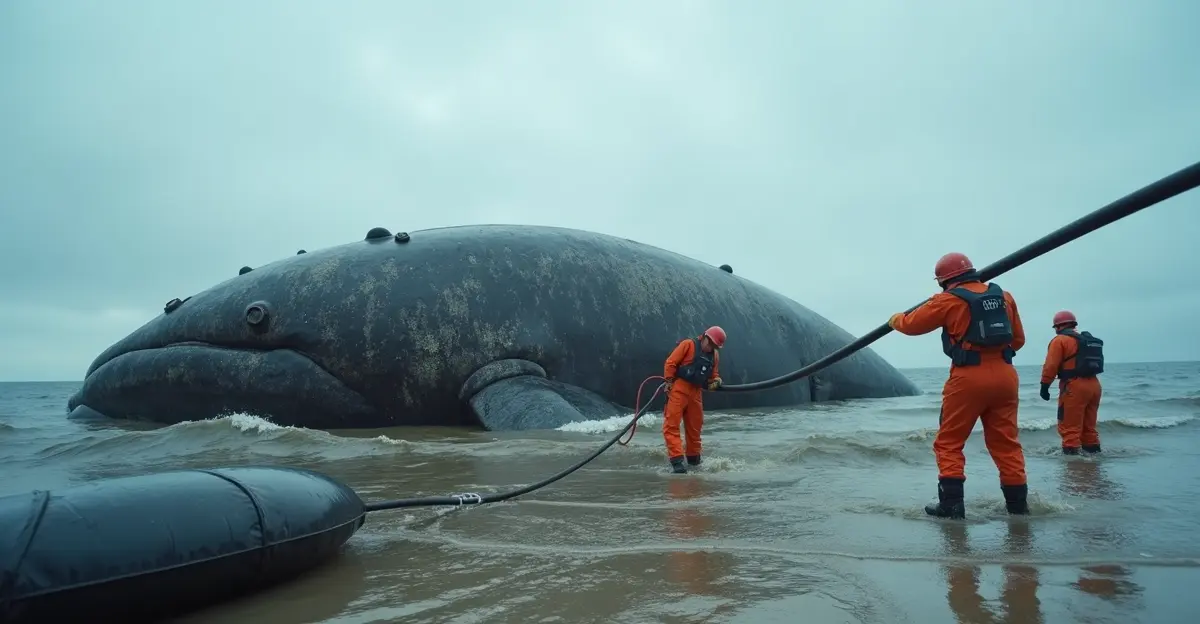
Despite multiple attempts, including the use of excavators to dig trenches and boats to create waves, Timmy remained stuck. On March 26, a major operation involving a 50-meter-long trench helped the whale move, but he remained in shallow waters. The whale's condition deteriorated, with experts noting he was lethargic, weak, and covered in blister-like blemishes. Marine mammal rescue operations often face such challenges in the Baltic's unique environment.
The Controversial Rescue Mission
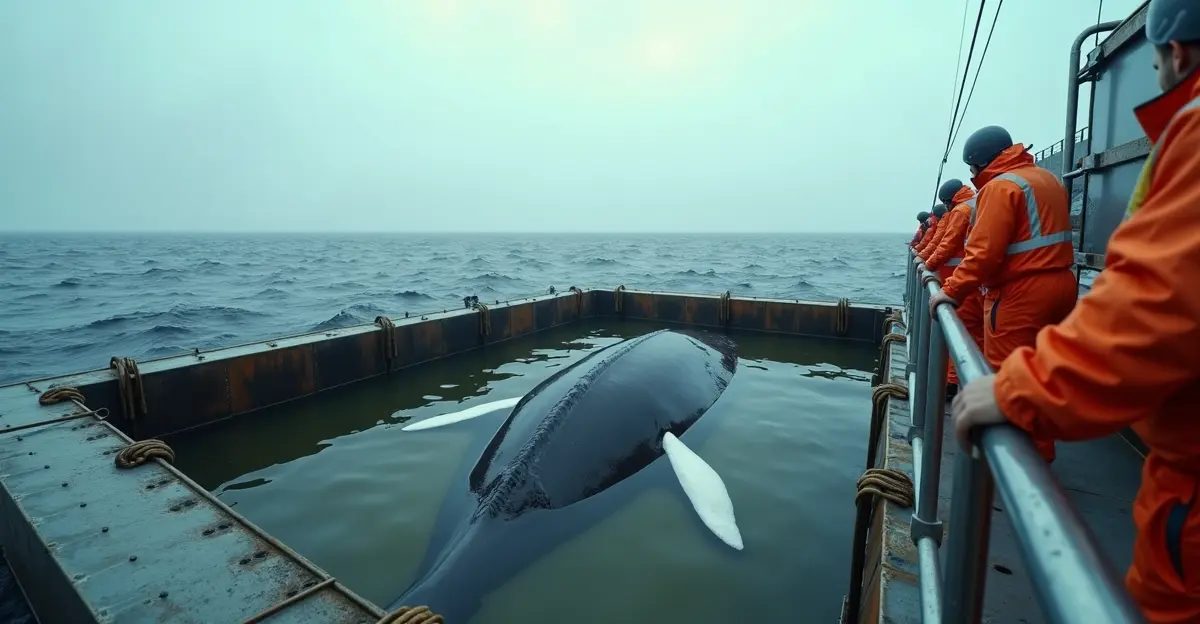
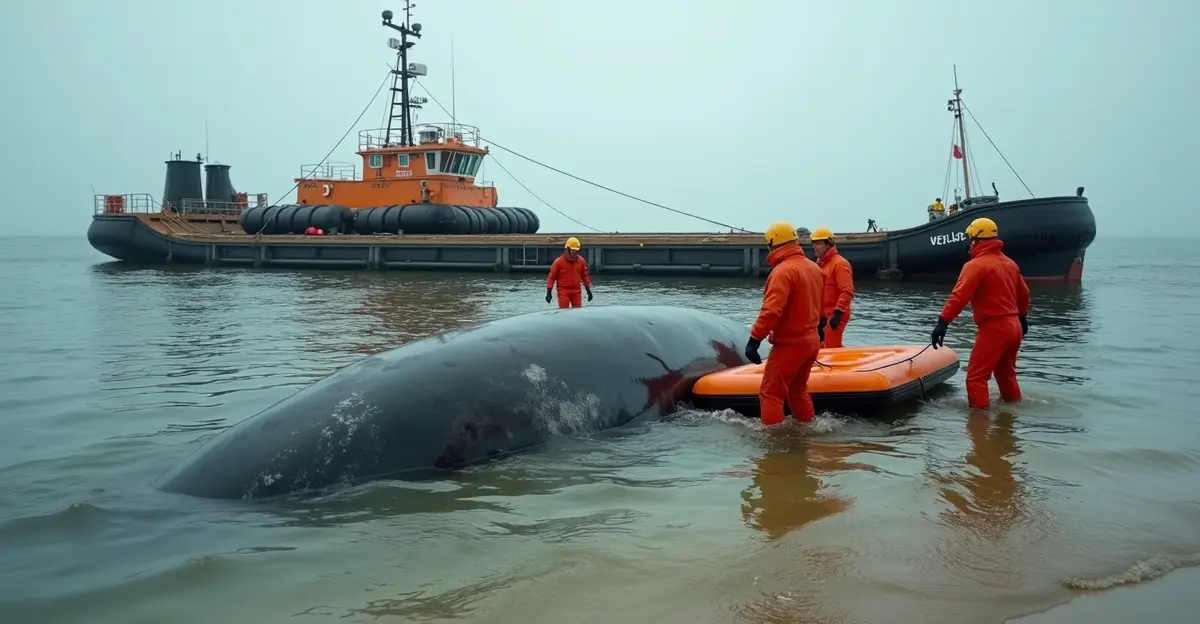
After German officials initially abandoned hope of saving Timmy in early April, two wealthy German entrepreneurs stepped in to fund a private rescue. The operation involved transporting the whale onto a barge and releasing him into the North Sea on May 2, 2026. The rescue, however, was heavily criticized by marine biologists and conservation groups. Greenpeace marine biologist Thilo Maack stated, 'The whale was very sick and had decided to seek rest. This rescue was pure animal cruelty.'
The International Whaling Commission called the rescue 'inadvisable,' and the Oceanographic Museum in Stralsund described it as 'pure animal cruelty.' Critics pointed out that Timmy had spent weeks in low-salinity Baltic waters, which likely caused severe physiological damage. The tracking device attached to the whale also failed shortly after release, leaving authorities unable to monitor his condition. The ethics of wildlife intervention remain a hotly debated topic among conservationists.
What Went Wrong with the Tracker?
The tracker fitted to Timmy stopped transmitting data just days after his release, sparking outrage among scientists. Whale researcher Fabian Ritter called the tracker failure an 'all-round catastrophe.' Danish marine biologist Peter Madsen described the lack of data transparency as 'very strange and unprofessional.' A veterinarian who was on board the rescue barge was reportedly barred from witnessing the final release, and disagreements arose over how the whale was released backward into the water.
Broader Implications for Marine Conservation
Timmy's death highlights the growing problem of whale strandings in the Baltic Sea. Climate change, shipping traffic, and overfishing are pushing marine animals into unfamiliar waters. Baltic Sea whale strandings 2026 have increased in frequency, with experts calling for better monitoring and prevention strategies. The Danish Environmental Protection Agency has warned the public to stay away from Timmy's carcass, as it may carry infectious diseases or even explode due to gas buildup.
German Environment Minister Backhaus of Mecklenburg-Vorpommern defended the rescue attempt, saying: 'I find it completely human to seize the smallest chance when a life is at stake. Unfortunately, the animal could not seize this chance.'
Frequently Asked Questions
Who was Timmy the whale?
Timmy was a young male humpback whale who entered the Baltic Sea in March 2026 and became stranded near Timmendorfer Strand, Germany. He was named after the beach where he was first found stuck.
How did Timmy die?
Timmy is believed to have died shortly after his release into the North Sea on May 2, 2026. His weakened condition from prolonged exposure to low-salinity water and injuries made survival unlikely. His body was found near the Danish island of Anholt on May 16.
How much did the rescue cost?
The rescue operation cost an estimated €1.5 million, funded entirely by private donors including racehorse owner Karin Walter-Mommert and other wealthy entrepreneurs.
Why was the rescue controversial?
Marine experts argued that Timmy was too weak to survive and that the rescue caused unnecessary suffering. Critics called it animal cruelty, while supporters saw it as a compassionate effort to save a life.
What happens to Timmy's body?
Danish authorities have no plans for a necropsy and are leaving the carcass in place, warning the public to stay away due to health risks.
Follow Discussion