


 Deutsch
 English
 Español
 Français
 Nederlands
 Português


 Share
Share




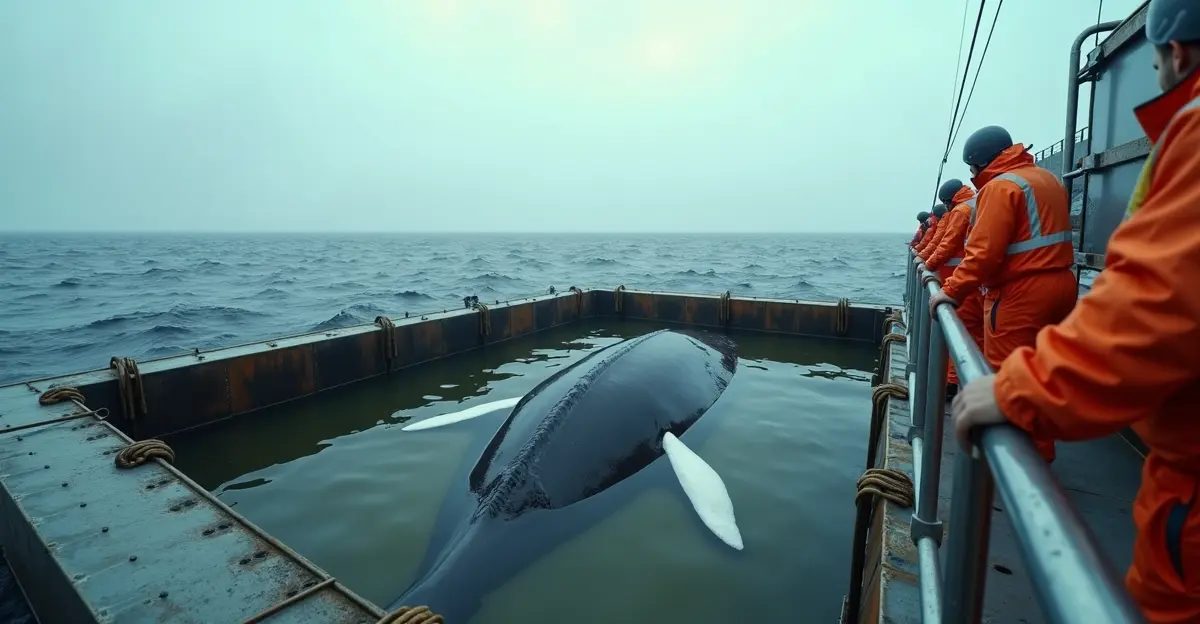
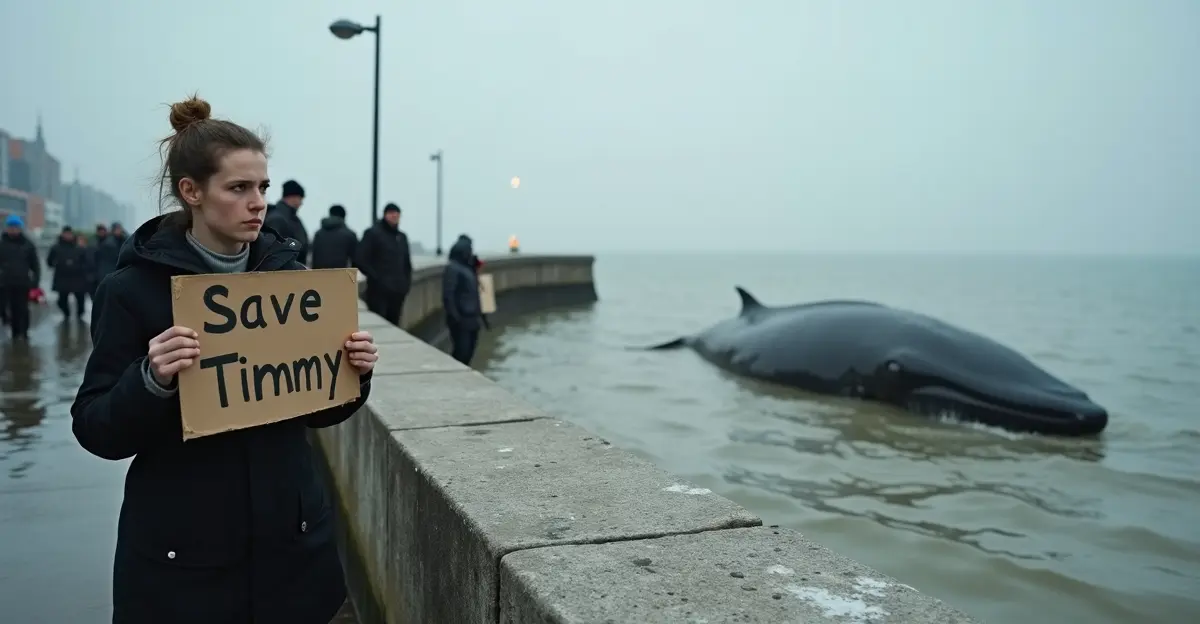
A daring new rescue operation is underway for Timmy, a humpback whale stranded for weeks in the shallow waters of Germany's Baltic Sea. A specially equipped barge carrying a massive steel aquarium is en route to the waters near the island of Poel, where it is expected to arrive Tuesday. The plan: lift the 12-meter-long, 12-ton whale into a floating water tank and tow it more than 400 kilometers to the North Sea, giving Timmy a second chance at life in the open Atlantic.
Timmy's Ordeal: A Month of Strandings
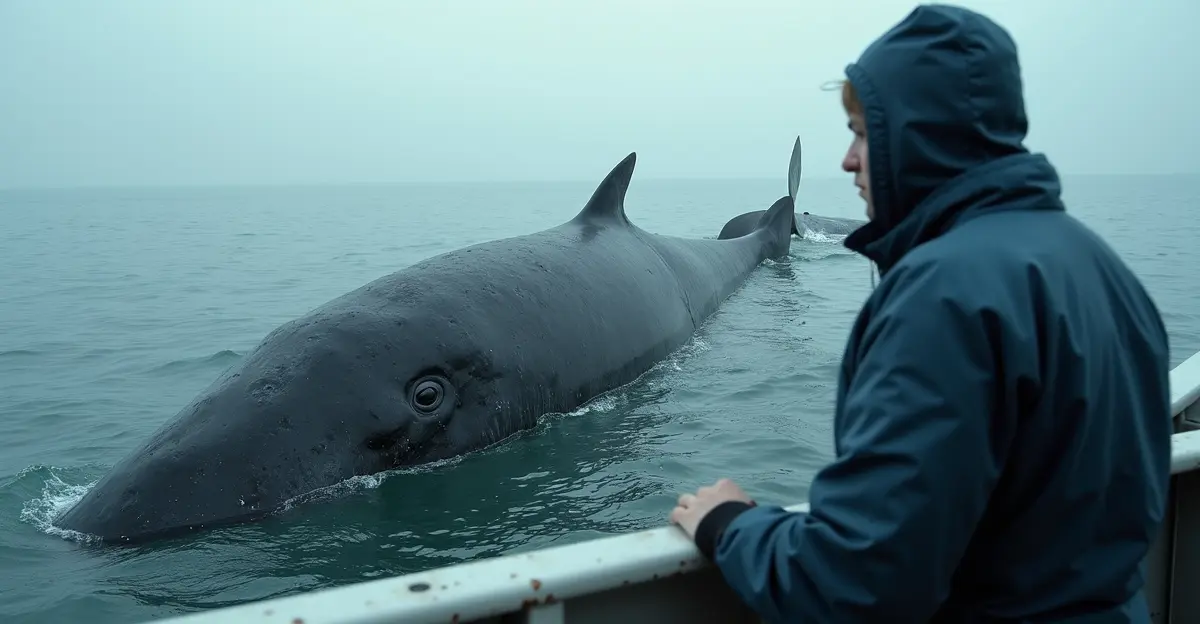
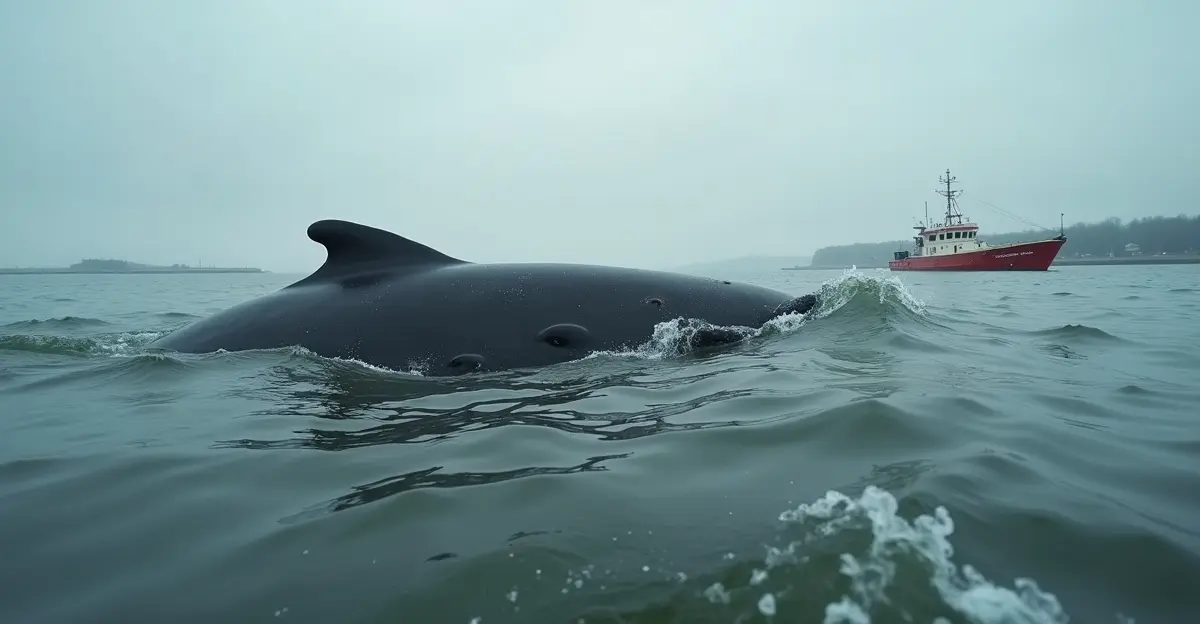
Timmy first appeared in the Baltic Sea near Wismar on March 3, 2026 — far from his natural Atlantic habitat. Since then, the humpback has stranded five times along the northern German coast. Each time, rescuers managed to free him, but the whale repeatedly swam back into shallow, dangerous waters. The Baltic Sea's low salt content has caused severe skin lesions, and experts warn the animal is growing progressively weaker.
After the fifth stranding, local authorities concluded that further rescue attempts would cause more harm than good and declared Timmy would be left to die naturally. But a group of animal lovers refused to give up. Led by a private initiative funded by two wealthy individuals — equestrian expert Karin Walter-Mommert and former electronics retailer co-founder Walter Gunz — the team devised an audacious plan dubbed 'Operation Cushion.' The Baltic Sea whale rescue efforts have drawn international attention.
The Rescue Plan: A Floating Aquarium
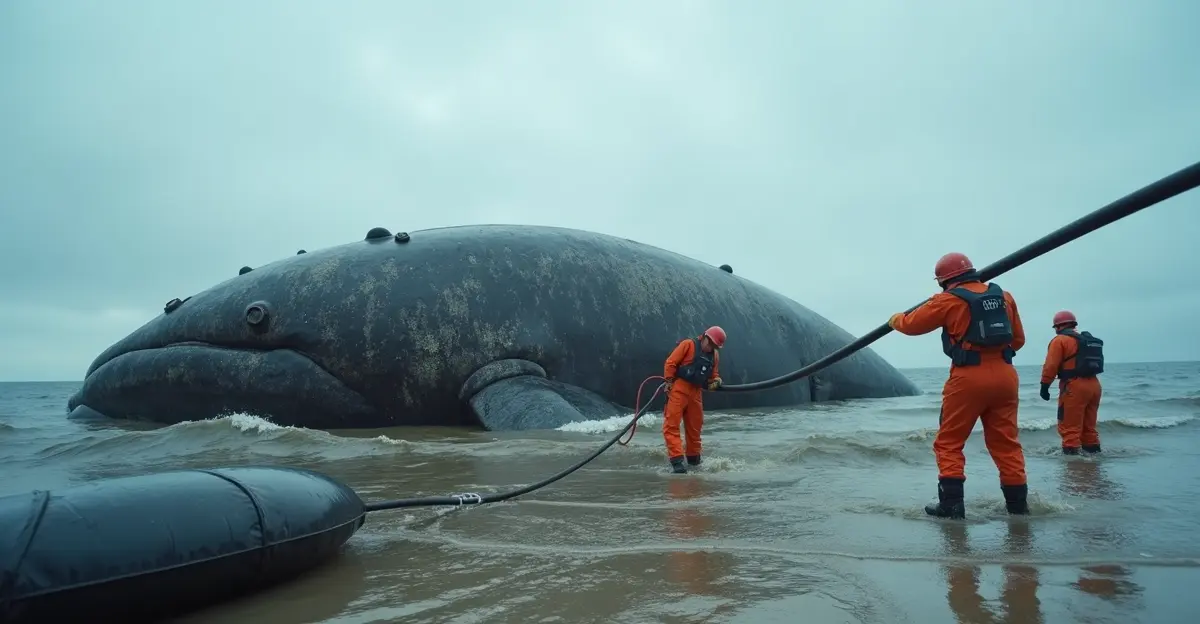
The centerpiece of the new rescue attempt is a steel barge measuring 50 by 13 meters, which will be filled with seawater to create a temporary aquarium. Timmy will be carefully lifted using air cushions and placed into the barge. A tugboat will then tow the entire structure across the Baltic Sea, through the Kiel Canal or around Denmark, to the North Sea — a journey of over 400 kilometers that could take several days.
In the meantime, rescue workers have been keeping Timmy's skin moist by spraying him with water to prevent further drying in the spring sunshine. The team also plans to take blood samples to assess his health and may administer nutrients and vitamins if needed.
Controversy and Criticism
The rescue operation has sparked fierce debate among marine biologists and animal welfare experts. Critics, including museum director Burkard Baschek, argue that Timmy is already too sick to survive the journey and that the rescue amounts to 'pure animal cruelty.' Greenpeace's Thilo Maack has warned that the efforts cause severe stress to an animal that is likely near death.
Supporters counter that Timmy has shown signs of strength — he swam away on his own during a previous rescue attempt, though he soon stranded again. The operation has also become politically charged. Environment Minister Till Backhaus, who backs the rescue, has received death threats and requires police protection. Reports by German media have linked some members of the rescue team to far-right groups and conspiracy theorists, adding a layer of controversy to an already emotional story. Similar to the 2025 North Sea whale strandings trend, this case raises questions about human intervention in nature.
Public Outpouring and Live Updates
Timmy has captivated Germany and the world. Livestreams tracking his condition have drawn millions of views. Protests demanding his rescue have been held in several cities, and a dedicated website — timmywhale.com — provides live updates on the mission's status. One volunteer rescuer, Janine Bahr-van Gemmert, recently awoke from a coma after a medical emergency during the operation, underscoring the human toll of the effort.
The rescue coordinator, Pedro Baranda, described the mission as 'the most challenging rescue of my career, but not impossible.' He reported that Timmy's condition remains stable for now.
What Happens Next?
If the barge arrives as scheduled Tuesday, the delicate process of lifting Timmy will begin. The whale must be kept calm and properly supported to avoid injury. Once inside the floating aquarium, the tow to the North Sea will take 24 to 48 hours depending on weather conditions. If successful, Timmy will be released into the North Sea, from where he can hopefully find his way back to the Atlantic — his natural home.
But time is running out. Marine experts caution that Timmy's skin condition and overall weakness may already be irreversible. The impact of climate change on whale migration patterns may have contributed to his disorientation.
Frequently Asked Questions
What kind of whale is Timmy?
Timmy is a humpback whale (Megaptera novaeangliae), a baleen whale known for its long pectoral fins and acrobatic breaches. Adults typically reach 14-17 meters and weigh up to 40 tons.
How did Timmy end up in the Baltic Sea?
Humpback whales usually inhabit the open Atlantic. Timmy likely lost his way during migration and ended up in the shallow, low-salinity Baltic Sea, where food is scarce and skin conditions develop.
Why not just push him back to sea?
Timmy has been pushed back several times but keeps returning to shallow waters. He is also too weak to swim the long distance to the Atlantic on his own. The barge transport is considered the only viable option.
Is the rescue controversial?
Yes. Many marine biologists argue the rescue is inhumane because Timmy is already dying. The operation is privately funded and has been linked to controversial political groups, adding to the debate.
When will the rescue happen?
The barge is expected to arrive at Poel Island on Tuesday, April 28, 2026. The lifting operation will begin shortly after, weather permitting.

Follow Discussion