


 Deutsch
 English
 Español
 Français
 Nederlands
 Português


 Share
Share




Shell plc has announced the acquisition of Canadian energy producer ARC Resources Ltd. in a landmark deal valued at $13.6 billion (approximately €11.6 billion), marking the company's largest takeover in over a decade. The total transaction value, including the assumption of $2.8 billion in net debt and lease obligations, reaches approximately $16.4 billion. The all-cash-and-stock deal adds roughly 370,000 barrels of oil equivalent per day to Shell's production portfolio and secures about 2 billion barrels of proved-plus-probable reserves in the Montney shale basin across British Columbia and Alberta.
Strategic Rationale Behind the Shell ARC Resources Acquisition
The acquisition represents a major strategic pivot for Shell, which had previously divested its Canadian oil sands assets nearly a decade ago as part of a broader shift toward cleaner energy. Now, the company is doubling down on fossil fuel production, particularly natural gas, which makes up about 58% of ARC's output. Shell CEO Wael Sawan described ARC as a 'high-quality, low-cost, low-carbon intensity producer' that complements Shell's existing operations in the region.
Sawan stated that the deal establishes Canada as a strategic heartland for Shell, saying: 'This strengthens our resource base for the coming decades and positions us well to meet growing global energy demand.' The acquisition aligns with a broader trend among major oil and gas consolidation moves by energy supermajors seeking to secure long-term production amid geopolitical uncertainties.
Details of the Transaction
Financial Structure
Under the terms of the agreement, ARC Resources shareholders will receive 8.20 Canadian dollars ($6.03) in cash and 0.40247 Shell ordinary shares for each ARC share held. The consideration is structured as 25% cash and 75% stock, representing a 27% premium to ARC's 30-day volume-weighted average price prior to the announcement. The deal is expected to be accretive to Shell's free cash flow per share from 2027 and deliver double-digit returns.
Asset Portfolio and Production
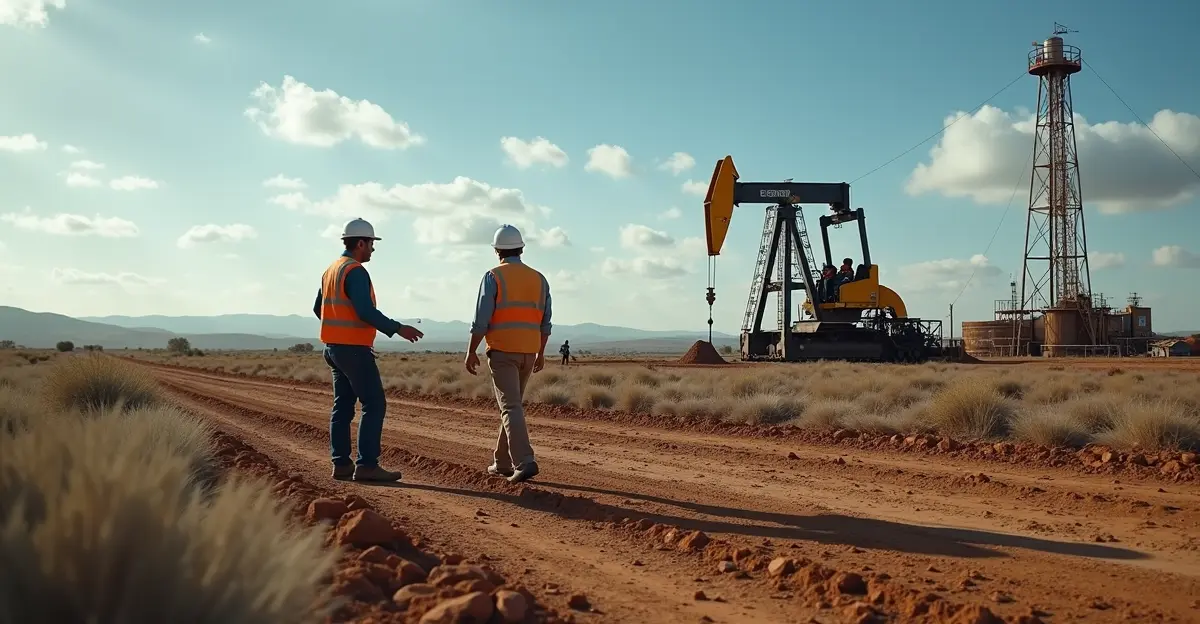
ARC Resources brings approximately 1.5 million net acres in the Montney formation, which, combined with Shell's existing 440,000-acre footprint, creates a massive 1.94-million-acre position in one of North America's most prolific shale plays. The acquisition adds:
- Approximately 370,000 barrels of oil equivalent per day of production (58% natural gas, 42% crude oil and liquids)
- About 2 billion barrels of proved-plus-probable (2P) reserves
- Low-cost operations with a competitive carbon intensity profile
- Access to LNG export infrastructure through Shell's 40% stake in the LNG Canada project
Industry Context and Market Reaction
The Shell-ARC deal comes amid a wave of consolidation in the global energy sector, with major players like ExxonMobil and Chevron also pursuing large-scale acquisitions. The transaction follows oil and gas M&A trends in 2026 where companies are prioritizing resource replacement and production growth. Shell had previously indicated it would invest approximately $2 billion in 2025 alone on acquisitions to boost output by 2030.
On the day of the announcement, Shell's shares dipped by about 0.3% on the London Stock Exchange, though the stock remains up roughly 20% year-to-date. ARC Resources shares surged on the Toronto Stock Exchange following the news. The deal is expected to close in the second half of 2026, subject to shareholder, court, and regulatory approvals.
Environmental and Geopolitical Implications
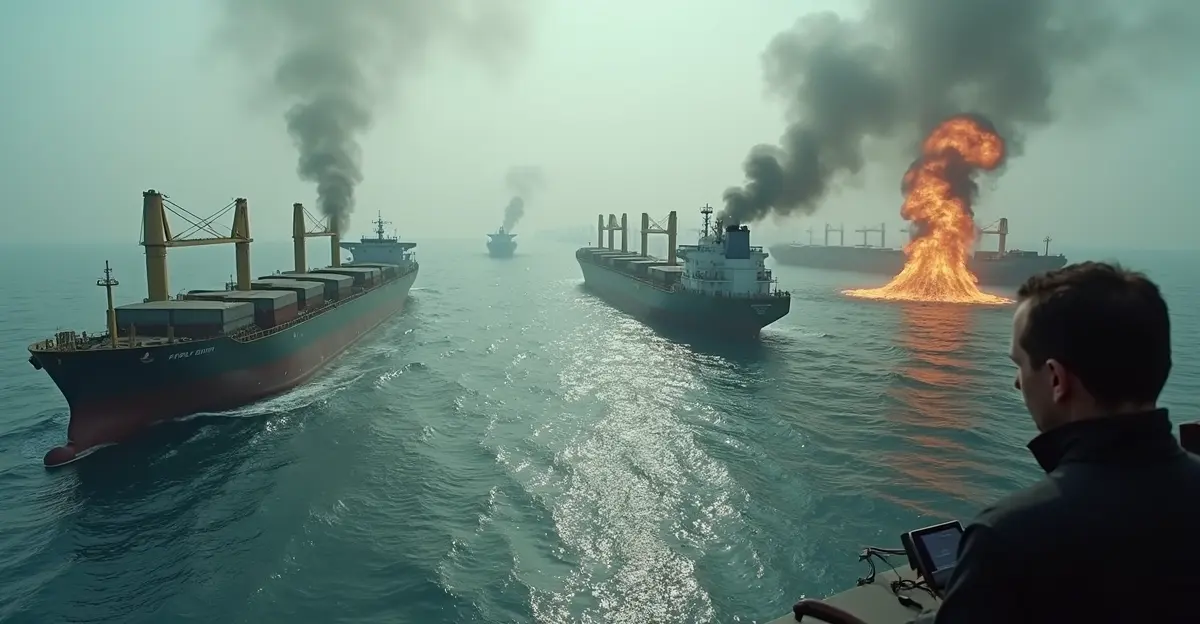
The acquisition has drawn criticism from environmental groups, including Milieudefensie (Friends of the Earth Netherlands), which has been pushing Shell to halt investment in new oil and gas fields. The deal comes at a time when the Strait of Hormuz crisis has disrupted Persian Gulf oil flows, highlighting the strategic importance of diversified, geopolitically stable supply sources like Canada.
ARC's natural gas production is particularly valuable for Shell's LNG ambitions. The Montney gas can feed the LNG Canada export terminal in Kitimat, British Columbia, which is 40% owned by Shell and expected to start operations soon. This positions Shell to help customers diversify LNG supply diversification strategies away from Middle Eastern sources.
ARC Resources CEO Terry Anderson called the deal a significant milestone for the Canadian energy sector, stating: 'Our assets and employees will contribute to both energy security and the further development of Canada's energy landscape within Shell.'
What This Means for Shell's Future
The acquisition boosts Shell's expected production growth from 1% to 4% annually through 2030, addressing investor concerns about the company's resource longevity. With the addition of ARC's low-cost, low-carbon-intensity assets, Shell aims to maintain its target of producing 1.4 million barrels of oil equivalent per day through the end of the decade and beyond. The deal also makes a potential merger between Shell and BP less likely in the near term, according to industry analysts.
Frequently Asked Questions
How much is Shell paying for ARC Resources?
Shell is paying $13.6 billion in equity value, with a total enterprise value of $16.4 billion including $2.8 billion in assumed net debt and lease obligations.
What assets does ARC Resources own?
ARC Resources primarily operates in the Montney shale basin across British Columbia and Alberta, with approximately 1.5 million net acres and production of about 370,000 barrels of oil equivalent per day (58% natural gas, 42% liquids).
When will the Shell-ARC deal close?
The transaction is expected to close in the second half of 2026, subject to ARC shareholder approval, court approval, and regulatory clearances.
Why is Shell buying a Canadian oil producer?
Shell aims to strengthen its long-term resource base, boost production growth, and secure low-cost, low-carbon-intensity assets in a geopolitically stable region. The deal also supports Shell's LNG export ambitions through the LNG Canada project.
How does this affect Shell's energy transition plans?
The acquisition signals Shell's continued commitment to oil and gas production despite the global energy transition. The company argues that natural gas from the Montney has lower carbon intensity than many other sources and will be needed to meet energy demand during the transition period.
Sources
This article is based on information from Shell plc's official press release, ARC Resources' shareholder announcement, Bloomberg, CNBC, Fortune, Forbes, and the BNR Nieuwsradio original report.




Follow Discussion