


 Deutsch
 English
 Español
 Français
 Nederlands
 Português


 Share
Share




What is the Musk vs OpenAI lawsuit about?
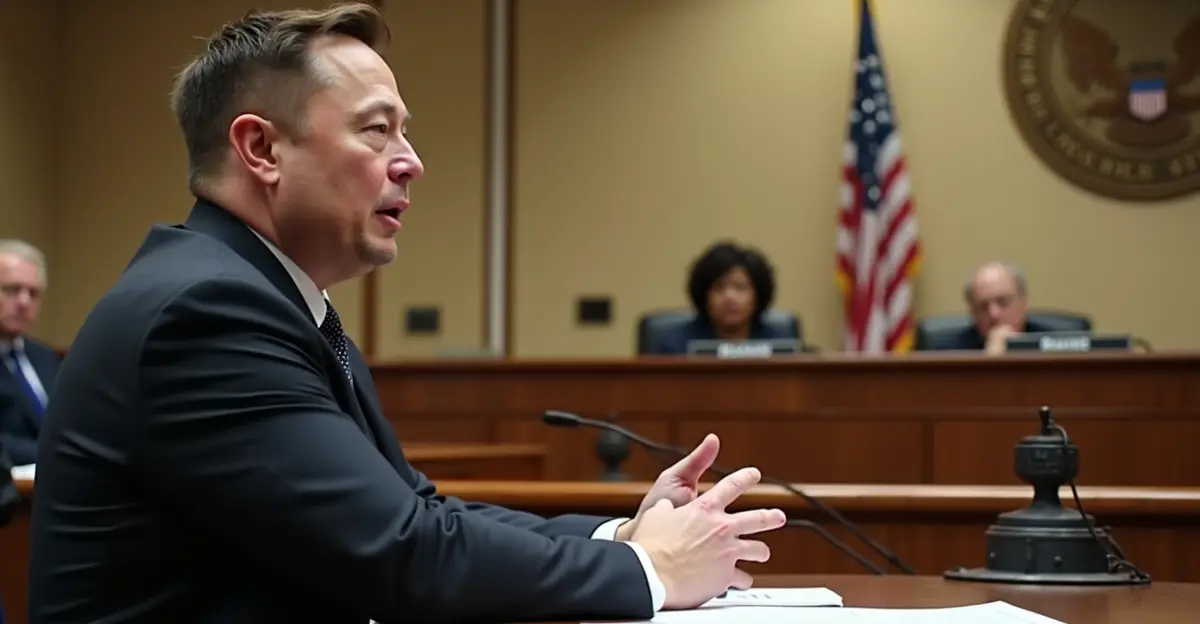
The high-stakes legal battle between tech billionaires Elon Musk and Sam Altman has officially begun in a US federal court. Musk, CEO of Tesla, is suing OpenAI and its CEO Sam Altman for allegedly abandoning the company's original nonprofit mission in favor of commercial profit. The trial, which started with jury selection on Monday, is expected to last three weeks and could reshape the future of artificial intelligence governance.
Musk is seeking a staggering $150 billion in damages from OpenAI and its major investor Microsoft. He argues that OpenAI's shift from a nonprofit research lab to a for-profit entity has caused him financial harm, given his early involvement and investment. Musk also demands that Altman and co-founder Greg Brockman be removed as directors, and that OpenAI be forced to return to its original nonprofit structure.
Background: From Founding to Fallout
OpenAI was founded in 2015 as a nonprofit with a mission to develop artificial general intelligence (AGI) that "benefits all of humanity." Musk was a co-chair and early donor, contributing tens of millions of dollars. However, he left the board in 2018 after disagreements over the company's direction. In 2019, OpenAI created a for-profit subsidiary, which later attracted over $13 billion in investment from Microsoft.
Musk has since founded his own AI company, xAI, which competes directly with OpenAI. The legal battle over OpenAI's structure has become a flashpoint in the broader debate about AI safety and corporate governance.
Key Claims and Demands
- Damages: Musk demands $150 billion in compensation, claiming he missed out on massive returns from OpenAI's growth.
- Injunction: He wants OpenAI's for-profit conversion halted and reversed.
- Leadership Removal: Musk seeks the ouster of Altman and Brockman from their board positions.
- Fraud Allegation Withdrawn: Musk initially accused Altman and Brockman of fraud but dropped that claim just before trial.
Trial Timeline and Key Witnesses
The trial is scheduled for three weeks in a federal courtroom. After jury selection on Monday, opening statements began Tuesday. The following individuals are expected to testify:
| Witness | Role | Expected Testimony |
|---|---|---|
| Elon Musk | Plaintiff, Tesla CEO | His early involvement and reasons for leaving OpenAI |
| Sam Altman | Defendant, OpenAI CEO | Defense of OpenAI's restructuring |
| Greg Brockman | OpenAI Co-founder | His personal diary from 2017 may detail the split |
| Satya Nadella | Microsoft CEO | Microsoft's investment and partnership with OpenAI |
Tech journalist Joe van Burik commented: "Musk left because he couldn't steer the company his way. Now he wants to reclaim control through the courts." The role of Microsoft in AI development is also under scrutiny.
What's at Stake?
The outcome could have far-reaching implications for the AI industry. If Musk wins, OpenAI may be forced to unwind its for-profit structure, potentially affecting its $500 billion valuation and its partnership with Microsoft. A loss for Musk could solidify the trend of AI companies transitioning from nonprofit to for-profit models.
Legal experts are divided. Some see Musk's case as a long shot, noting that he voluntarily left the board and signed agreements. Others argue that OpenAI's transformation contradicts its founding charter. The jury of nine will deliberate after hearing all evidence, and the judge will issue a final ruling based on their advisory verdict.
Frequently Asked Questions
Why is Elon Musk suing OpenAI?
Musk claims OpenAI violated its nonprofit mission by becoming a for-profit company, causing him financial harm as an early investor and co-founder.
How much money is Musk demanding?
Musk is seeking $150 billion in damages, which he says he would donate to OpenAI's nonprofit arm if awarded.
What is OpenAI's response?
OpenAI denies the allegations, stating that its restructuring was necessary to raise capital for advanced AI research and that Musk's claims are without merit.
Who is on the jury?
A jury of nine individuals was selected on the first day of trial. They will hear evidence and provide an advisory verdict to the judge.
When will the trial end?
The trial is expected to last three weeks, with a verdict likely in late May 2026.
Sources
This article is based on reporting from BNR Nieuwsradio, court documents, and statements from involved parties. For ongoing coverage, follow AI regulation and policy updates.
Follow Discussion