


 Deutsch
 English
 Español
 Français
 Nederlands
 Português


 Share
Share




Iranian Missiles Strike Commercial Vessels in Strait of Hormuz
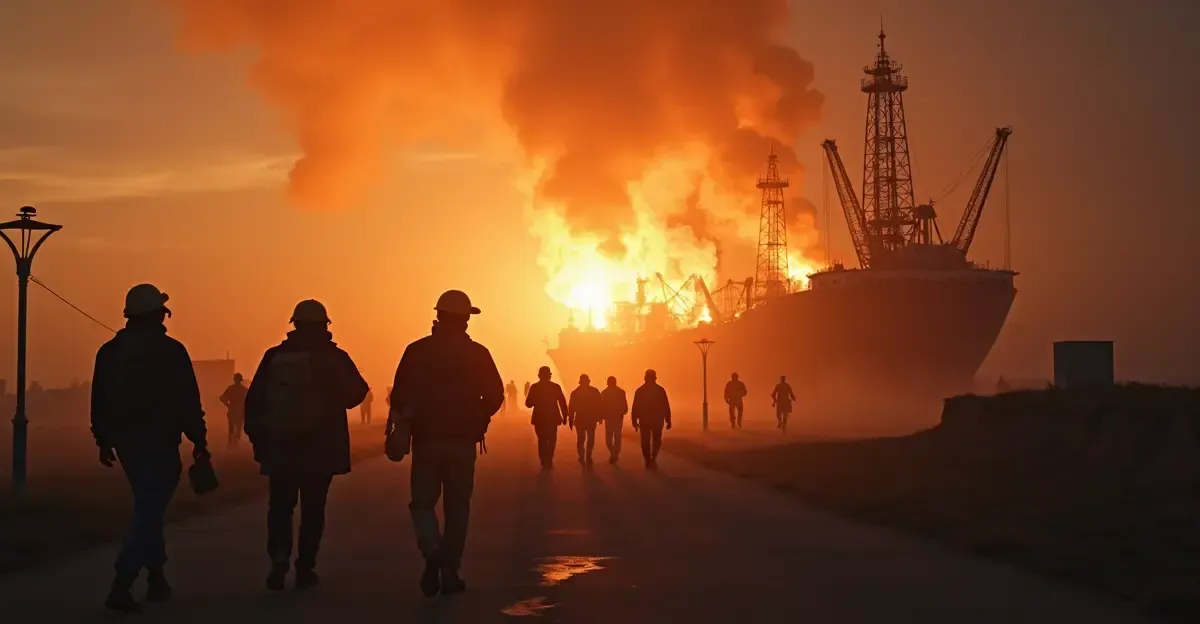
On July 6-7, 2026, Iranian forces launched missile strikes against three commercial vessels in the Strait of Hormuz, dramatically escalating tensions in one of the world's most critical maritime chokepoints. The attacks targeted the Qatari LNG tanker Al Rekayyat, the Saudi-flagged crude oil supertanker Wedyan, and an unnamed third vessel. The Al Rekayyat was abandoned after an engine room strike, marking a significant threshold event in maritime risk assessment. No casualties were reported, but the attacks sent shockwaves through global energy markets, with oil prices jumping nearly 6%.
Iran framed the strikes as enforcement of its navigational authority, asserting sovereign control over strait corridors in direct contradiction to UNCLOS transit passage rights. The Joint Maritime Information Center (JMIC) immediately upgraded the threat level from 'Substantial' to 'Severe,' triggering mandatory security protocols and war risk insurance reassessments for all vessels transiting the waterway.
US Launches Massive Retaliatory Strikes
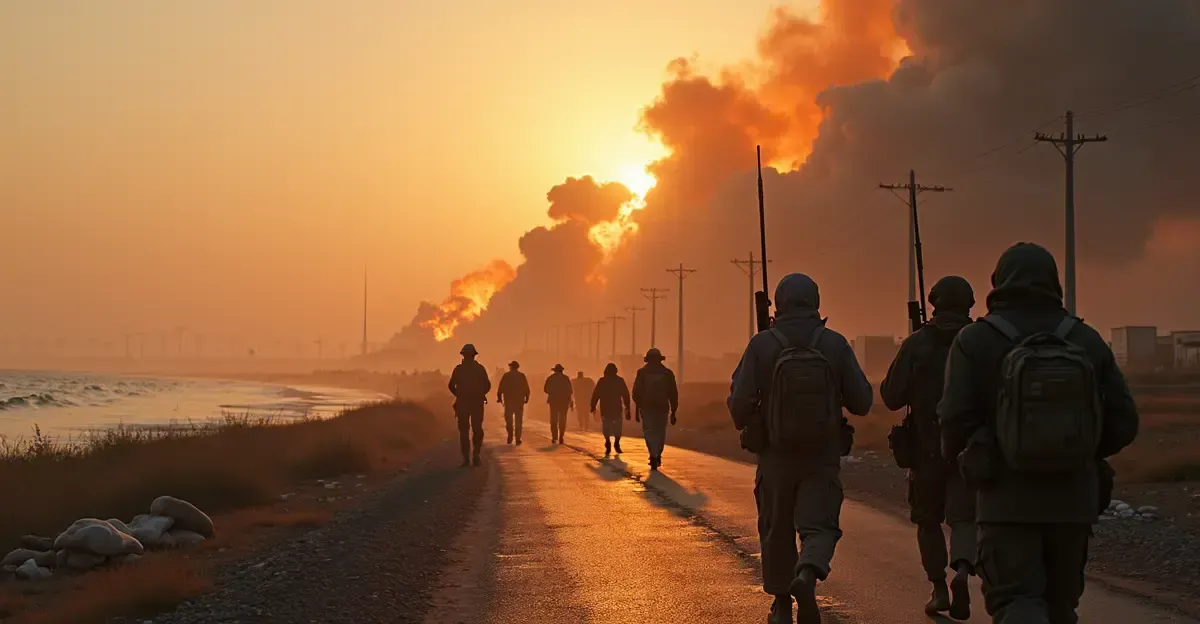
In response, the United States Central Command (CENTCOM) launched a major offensive military campaign against Iran on July 7, executing precision strikes on more than 80 military installations across Iran's southern coast. The targeted operation focused on destroying long-range anti-ship missile sites, coastal radar networks, and air defense systems. The White House also revoked an oil sales license it had granted Iran in June as part of a fragile détente following a three-month war that had previously disrupted global energy supplies.
The attacks represent a deliberate challenge to US naval deterrence in the region. The Strait of Hormuz is a vital waterway through which approximately 20% of the world's traded oil transits. Traffic through the strait had already plummeted from a daily average of 125 sailings before the earlier conflict to between 25-40 ships — roughly one-third to one-fifth of pre-war levels. The global energy security implications are profound, as any sustained disruption could trigger a worldwide economic shock.
Regional and International Reactions
Qatar and Saudi Arabia both condemned Iran for the attacks. The Qatari government confirmed that its LNG tanker Al Rekayyat was hit and called for international action to secure maritime routes. Saudi Arabia, whose crude oil supertanker was also struck, has increased naval patrols in the Gulf region. Meanwhile, broader US-Iran talks over Iran's nuclear program continued without a permanent agreement, and the latest hostilities threaten to derail any diplomatic progress.
Impact on Global Oil Markets
The attacks sent crude oil prices soaring by nearly 6% in early trading on July 7. Analysts warn that if the strait becomes partially or fully blocked, oil prices could spike to levels not seen since the 1973 oil crisis. The International Energy Agency (IEA) announced it stands ready to release strategic petroleum reserves if necessary. However, the 2025 cryptocurrency crash and other financial market volatilities have already made investors nervous about broader economic stability.
Hamas Dissolves Gaza Government Amid Broader Turmoil
In a separate but equally significant development on July 6, Hamas announced it would dissolve its civilian governing body in Gaza and hand power to a technocratic authority, the National Committee for the Administration of Gaza (NCAG), under a US-backed peace plan. The NCAG, formed in January 2026 under UN Security Council Resolution 2803, is a transitional body led by neutral Palestinian technocrats, including Acting Commissioner Ali Abdel Hamid Shaath. Its mandate covers civilian affairs like health, education, and water services, plus law and order under a unified police force.
Israeli Foreign Minister Gideon Saar dismissed the move as a 'trick,' insisting that Hamas must also disarm as part of any agreement. Prime Minister Benjamin Netanyahu reiterated that no reconstruction would occur without Hamas dismantling its military capabilities. The IDF continued strikes in Gaza, eliminating several Hamas commanders in recent operations. Hamas currently controls an estimated 30% of Gaza. The EU carbon border tax discussions and other international policy debates continue to shape the broader geopolitical landscape.
FAQ
What happened in the Strait of Hormuz on July 6-7, 2026?
Iranian forces fired missiles at three commercial vessels in the Strait of Hormuz, hitting a Qatari LNG tanker and a Saudi-flagged oil supertanker. The US responded with precision strikes on over 80 Iranian military installations.
Why did Iran attack ships in the Strait of Hormuz?
Iran claimed it was enforcing its navigational authority over the strait, asserting sovereign control in what it sees as a challenge to US naval deterrence. The attacks came amid ongoing tensions over Iran's nuclear program and failed diplomatic talks.
How did the US respond to the attacks?
The US launched massive airstrikes targeting anti-ship missile sites, coastal radar networks, and air defense systems along Iran's southern coast. The White House also revoked an oil sales license previously granted to Iran.
What is the National Committee for the Administration of Gaza (NCAG)?
NCAG is a transitional technocratic authority formed under UN Security Council Resolution 2803 to take over civilian governance in Gaza from Hamas. It is led by neutral Palestinian technocrats and covers health, education, water services, and law enforcement.
Will oil prices continue to rise?
Oil prices jumped nearly 6% immediately after the attacks. If the Strait of Hormuz remains disrupted, prices could spike further. The IEA has indicated it may release strategic petroleum reserves to stabilize markets.



Follow Discussion