


 Deutsch
 English
 Español
 Français
 Nederlands
 Português


 Share
Share




Wildfires Rage Across Southern France, Forcing Mass Evacuations
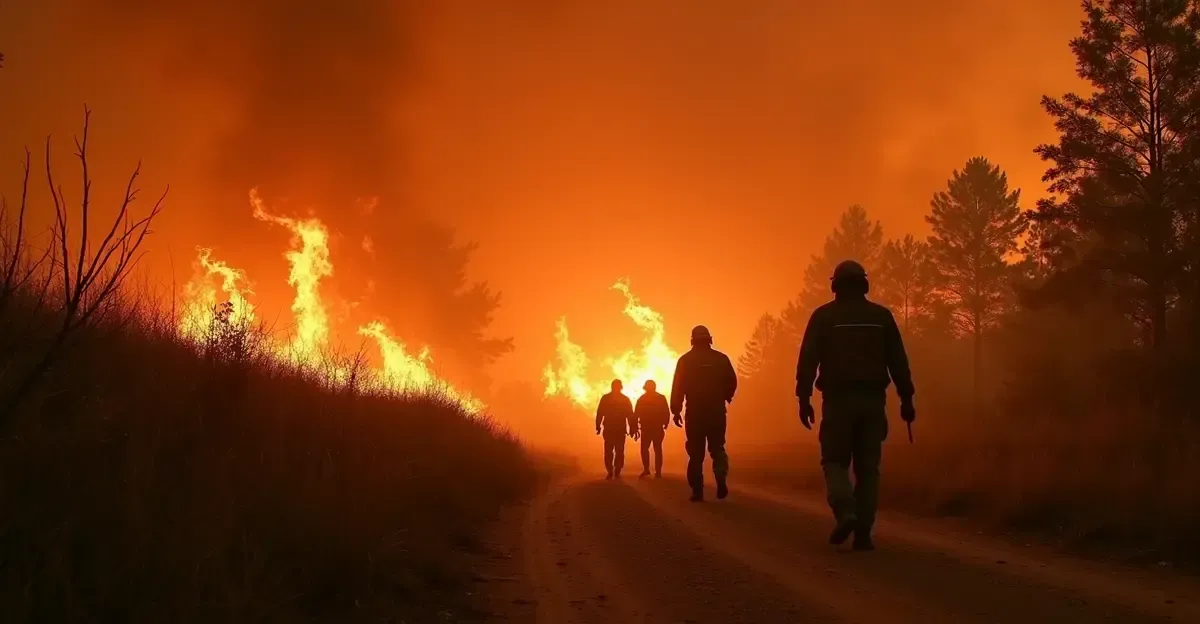
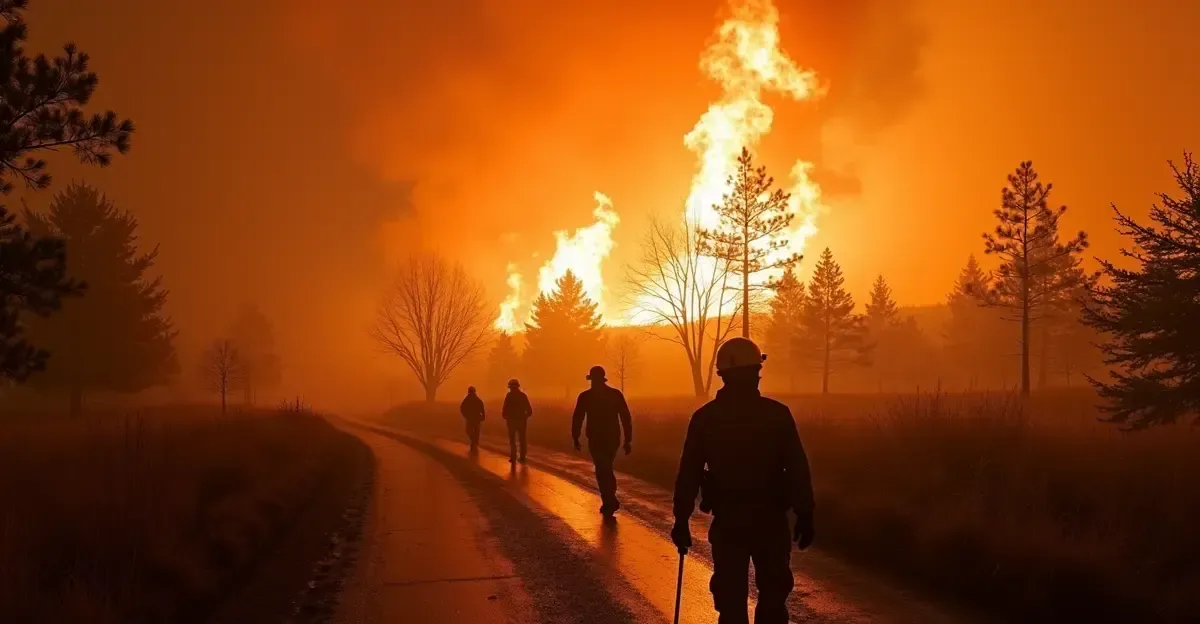
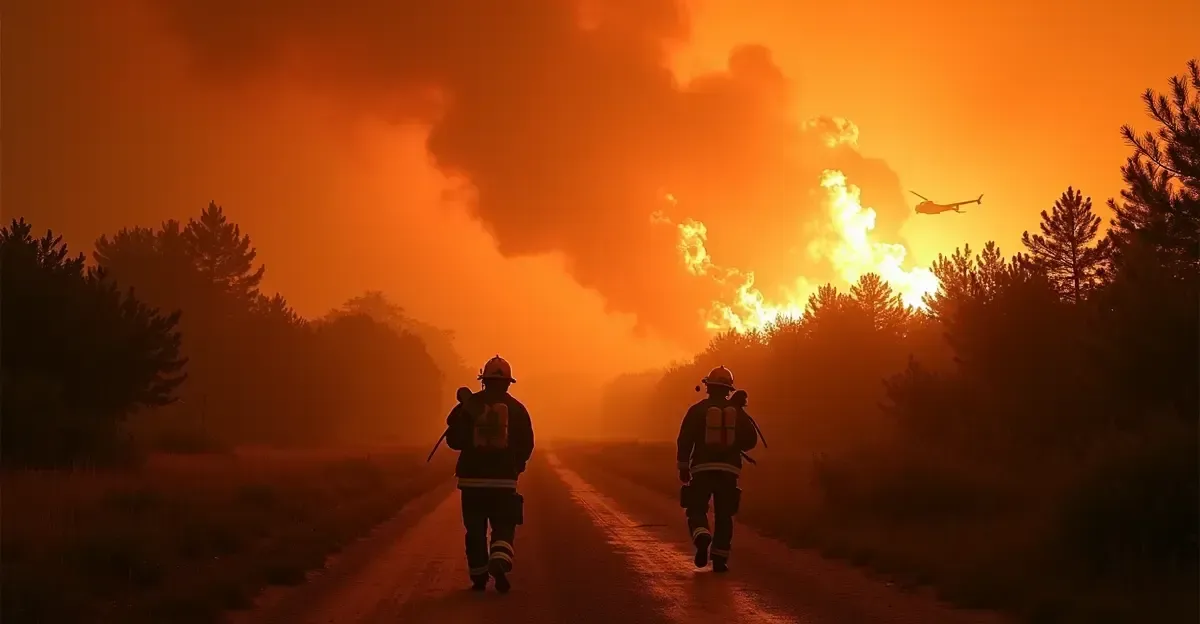
Major wildfires have swept through the south of France, particularly in the Hérault and Aude departments, burning at least 800 hectares of land and forcing the evacuation of hundreds of residents and tourists. The blazes, fueled by drought, strong winds, and extreme temperatures linked to a deadly European heatwave, have overwhelmed local firefighting resources and prompted the deployment of water-dumping aircraft. As of July 2, 2026, authorities report that the fires are not yet under control, with red alerts remaining active across several regions.
Context and Background: A Summer of Extreme Heat
The wildfires come on the heels of a record-breaking heatwave that swept across Europe in late June 2026. France recorded approximately 1,000 excess deaths during that period, with 85% of victims aged 65 and above, according to France's public health agency. Temperatures soared to nearly 40°C in many areas, and Germany set a new all-time high of 41.5°C. The World Weather Attribution group found that such extreme heat would have been virtually impossible without human-driven climate change and is now 200 times more likely than 20 years ago. The European heatwave of 2026 has severely dried out vegetation, creating tinderbox conditions across the Mediterranean region.
Main Content: The Fires and Firefighting Efforts
Blaze in Hérault and Aude: Pouzols-Minervois and Mailhac
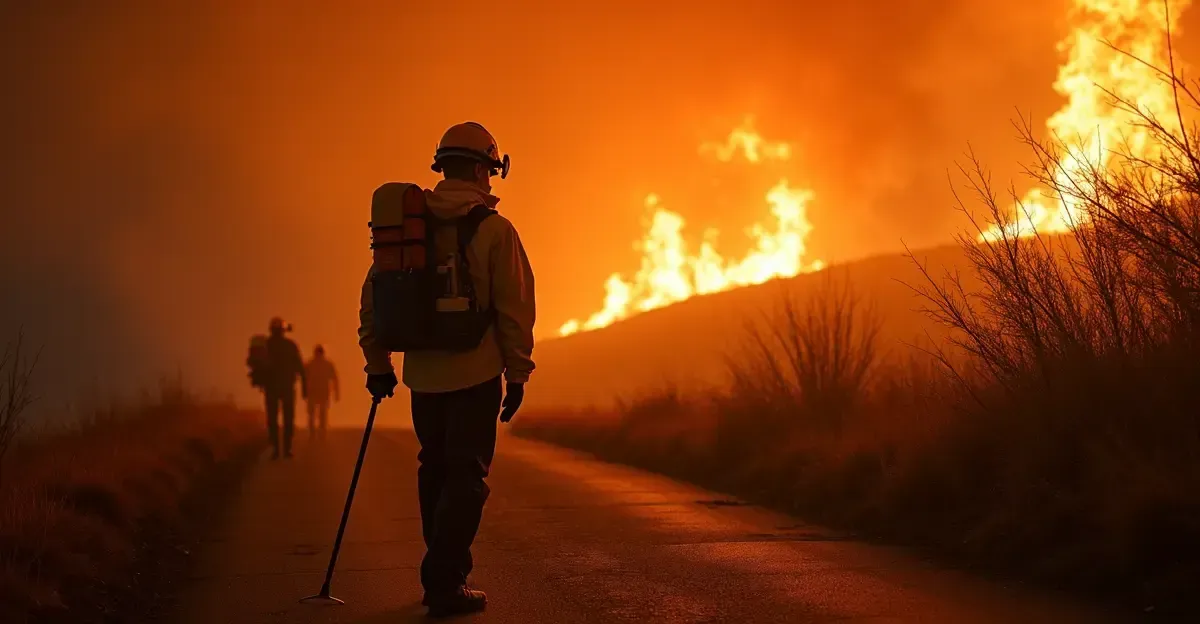
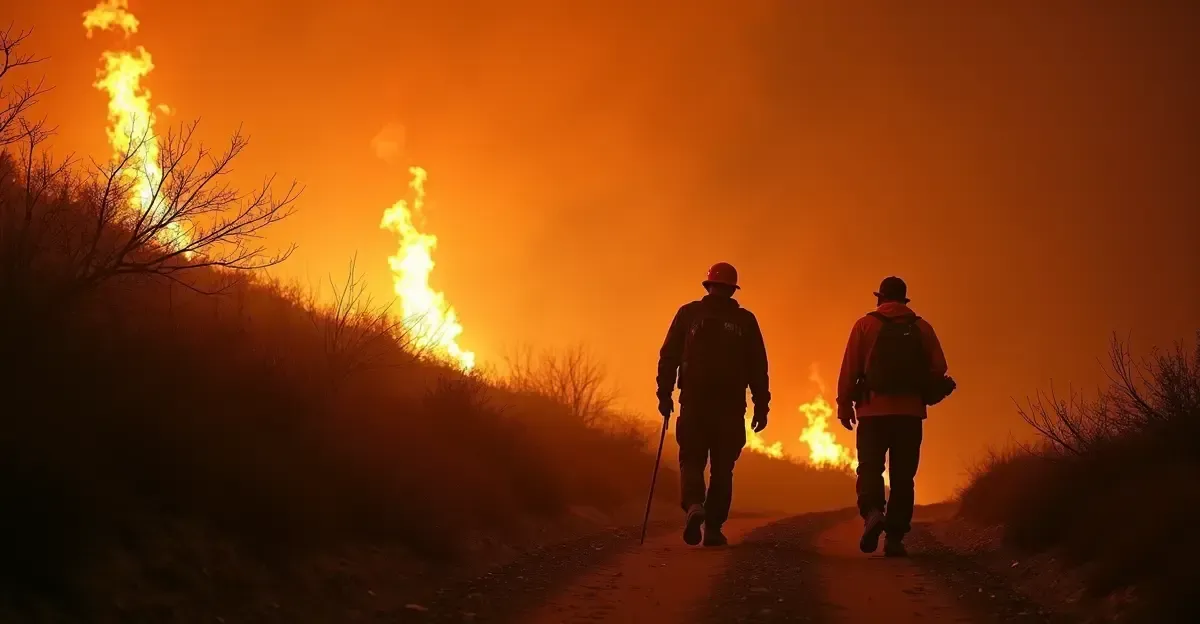
The largest fire broke out on July 1 near the communes of Pouzols-Minervois and Mailhac in the Hérault and Aude departments. By late evening, the fire had consumed 800 hectares of pine forest and scrubland. Hundreds of firefighters were mobilized, but the hilly terrain with limited road access made ground-based firefighting extremely difficult. As a result, authorities deployed water-dumping aircraft, including Canadair planes, to battle the flames from the air. Around 200 people were evacuated or confined to safe zones. A 99-year-old evacuated resident described the scene: 'The smoke was thick and suffocating. We could see the flames coming over the hill.' Officials reported that the fire was 'contained at times' but remained out of control due to wind gusts and the ongoing drought.
Fires Near Fréjus and Marseille
Further east, near the popular tourist destination of Fréjus (between Saint-Tropez and Cannes), hundreds of campers were temporarily evacuated from a campsite as a precaution. They were allowed to return after a few hours. In the Bouches-du-Rhône department north of Marseille, two smaller fires broke out near the towns of Rognac and Lançon-Provence, threatening residential areas and requiring additional firefighting resources. French Prime Minister Sébastien Lecornu arrived in Marseille on July 2 for consultations with local authorities on wildfire prevention and response strategies. The government has pledged additional support for affected communities and called for greater investment in climate adaptation measures in France.
Impact and Implications: Climate Change and Future Risks
The 2026 wildfires are part of a broader trend of increasing fire risk across Europe. According to the European Forest Fires Information System (EFFIS), the EU has seen 118,737 hectares burned since the start of 2026, with fire danger forecasts indicating 'very extreme' conditions across western and central Europe, especially France and the Iberian Peninsula. Scientists warn that the combination of rising global temperatures, prolonged droughts, and more frequent heatwaves will continue to amplify wildfire risks. The impact of climate change on wildfires is no longer a future threat but a present reality. France's agricultural sector has already reported massive livestock losses due to the heatwave, and water temperatures are rising, further stressing ecosystems. As the 2026 presidential campaign approaches, environmental groups are urging candidates to commit to concrete climate policies, including a 5% annual reduction in greenhouse gas emissions.
Frequently Asked Questions
What areas are affected by the southern France wildfires?
The main fires are in the Hérault and Aude departments, particularly near Pouzols-Minervois and Mailhac. Additional fires have been reported near Fréjus (Var) and north of Marseille (Bouches-du-Rhône).
How many people have been evacuated?
Approximately 200 people have been evacuated or confined in the Hérault and Aude areas. Hundreds of campers near Fréjus were temporarily evacuated but have since returned.
What is causing the wildfires?
The fires are fueled by a combination of drought, strong winds, and extreme temperatures following a record-breaking European heatwave in late June 2026. Climate change is a key underlying factor, making such conditions more likely and severe.
Are the wildfires under control?
As of July 2, 2026, the largest fire in Hérault/Aude is not fully under control. Firefighters have managed to contain it at times, but difficult terrain and weather conditions continue to pose challenges. Red alerts remain active.
How is climate change linked to these fires?
Scientific studies, including those from the World Weather Attribution group, show that human-driven climate change has made extreme heatwaves and associated wildfire conditions significantly more likely. Europe is warming at twice the global average, increasing fire risk across the continent.
Follow Discussion