


 Deutsch
 English
 Español
 Français
 Nederlands
 Português


 Share
Share




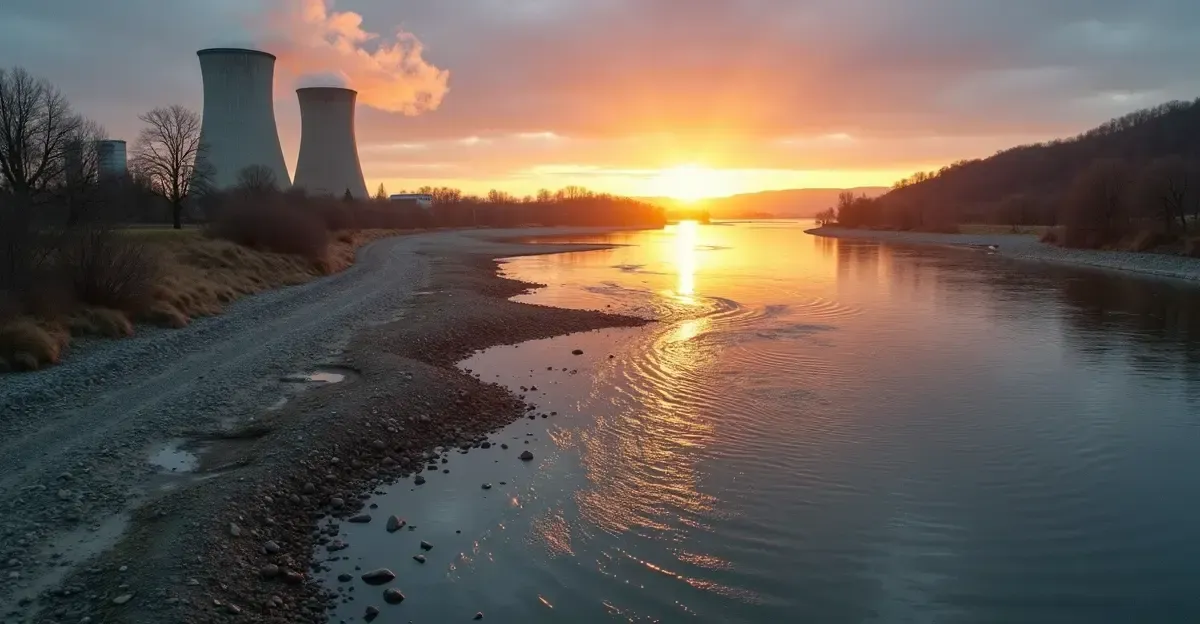
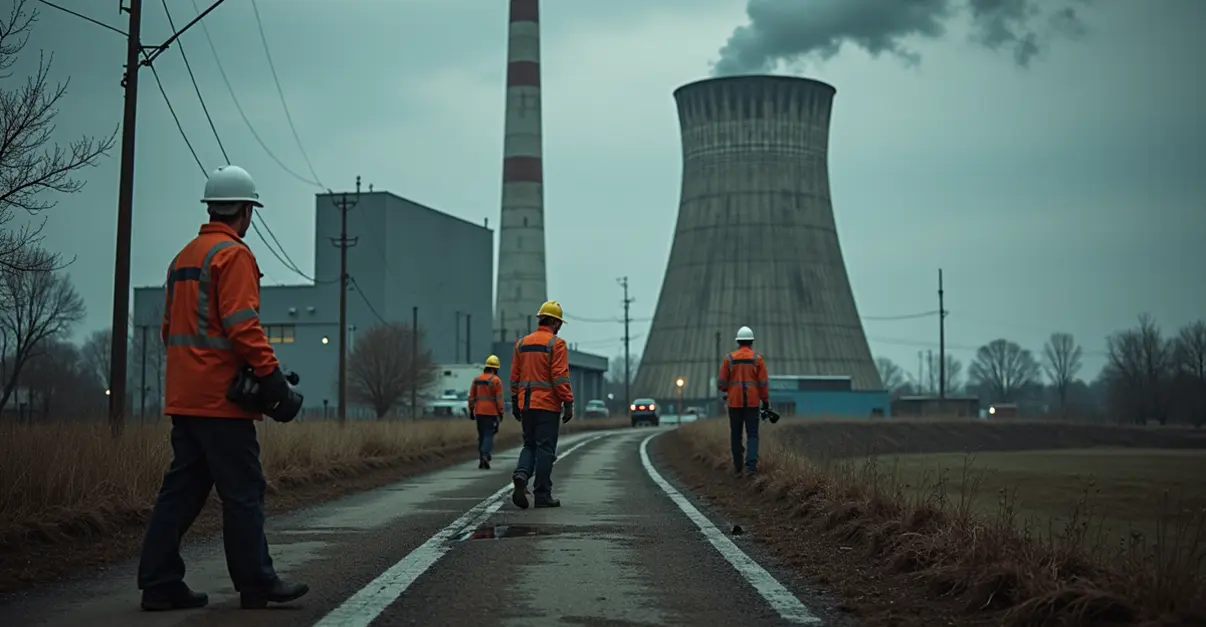
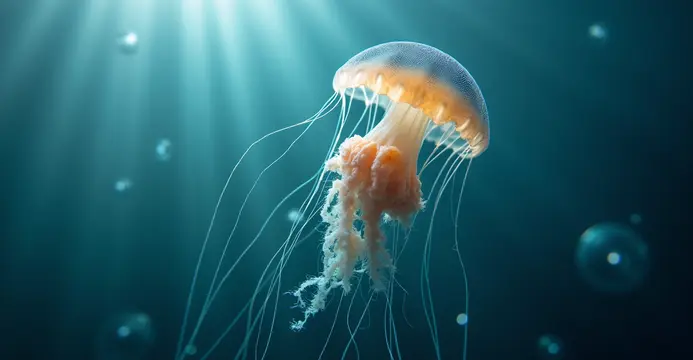
A massive swarm of jellyfish forced France's Gravelines nuclear power plant—Western Europe's largest—to shut down three of its six reactors late on Monday, August 11, 2026, in a near-exact repeat of an incident that crippled the facility exactly one year earlier. Operator EDF confirmed that the gelatinous creatures clogged seawater intake filters critical for cooling, halving output at a fourth unit while only one reactor remained at full capacity. "Safety, personnel and the environment are not at risk," EDF said in a statement, but the disruption underscores a growing pattern of climate-driven threats to critical energy infrastructure.
What Happened at the Gravelines Nuclear Plant?
Located between Dunkirk and Calais on the English Channel, the Gravelines station houses six 900-megawatt pressurized water reactors. Cooling depends on a continuous flow of seawater drawn through intake pipes protected by filtration systems. On Monday evening, those filters became overwhelmed by "several dozen tons" of jellyfish—an explosive bloom that monitoring vessels had tracked swelling from roughly 100 kilograms to a biomass that overwhelmed all preventive measures. Three units (reactors 2, 3 and 4) entered emergency shutdown; unit 1 was reduced to 50 percent output; and unit 5 was already offline for scheduled maintenance. Only unit 6 continued operating at full power. This is not the first time the French nuclear fleet cooling vulnerabilities have been exposed by environmental factors.
Why Are Jellyfish Swarming Nuclear Cooling Systems?
Marine biologists and energy analysts point to a confluence of human-driven causes. The record-warm North Sea—pushed to unprecedented temperatures by climate change—accelerates jellyfish reproduction and extends their breeding season. Overfishing has removed natural predators such as tuna and sea turtles, while plastic pollution and ocean acidification further tilt ecosystems in favor of jellyfish proliferation. "We are essentially farming jellyfish by removing their competitors and predators while heating their nursery," a Greenpeace France spokesperson noted. The same warming trend is linked to the 2025 jellyfish shutdown at Gravelines which occurred on August 11 of last year.
Climate Change and Ocean Warming
Sea surface temperatures in the North Sea have been setting records in recent summers. Warmer waters boost plankton blooms, the jellyfish's primary food source, and accelerate the metabolic rates of jellyfish polyps, the bottom-dwelling stage that can lie dormant for years before budding into swarms. Research cited by the Rapid Climate Change organization warns that such events will become routine for coastal nuclear plants worldwide as seas continue to warm.
Overfishing and Ecosystem Imbalance
Removing large predatory fish disrupts the marine food web, giving jellyfish an unnatural advantage. Without tuna, swordfish and sea turtles to cull their numbers, jellyfish blooms achieve densities rarely seen in balanced ecosystems. Invasive species transported in cargo ship ballast tanks have compounded the problem, introducing new jellyfish varieties to European waters.
A Recurring Nightmare at Gravelines
On August 11, 2025, the same plant was brought to a standstill when jellyfish clogged its intake filters, forcing all reactors offline for ten days. EDF subsequently invested hundreds of thousands of euros in protective measures: three fishing vessels now patrol 24/7 conducting preventive trawling, and thermal imagers were deployed to anticipate bloom movements. Yet these measures proved insufficient against the 2026 bloom. "The swarm grew so quickly that the monitoring boats could not keep up," EDF officials told Politico. The incident highlights the limitations of nuclear plant cooling defenses against rapidly changing marine conditions.
Global Pattern of Jellyfish Disruptions
The Gravelines shutdown is not an isolated curiosity. In 2013, a jellyfish swarm forced the Oskarshamn nuclear plant in Sweden to shut for three days. Scotland's Torness plant suffered similar incidents in 2011 and again in 2021. Japan reported jellyfish-related output losses in 1999, and a 1999 blackout in the Philippines was traced to jellyfish clogging cooling intakes. Israel and the United States have also logged disruptions. These events form a pattern that energy analysts describe as an underappreciated risk for coastal nuclear infrastructure globally.
Impact on French Energy Supply
The closure removed roughly 3.2 gigawatts from the French grid during peak summer consumption. Combined with heatwave- and drought-related curtailments at other French nuclear plants, the country's nuclear deficit already exceeded 15 percent before the Gravelines incident. France, which normally exports electricity to neighboring countries, has been forced to rely more heavily on imports and gas-fired generation during recent summers—a stark reversal for a nation that derives over 70 percent of its electricity from nuclear power.
FAQ: Jellyfish and Nuclear Power Plants
How do jellyfish shut down a nuclear reactor?
Jellyfish are drawn into seawater intake pipes that cool the reactor's condenser. When they clog the protective filters in sufficient numbers, cooling water flow drops below safe thresholds, triggering automatic reactor shutdown to prevent overheating.
Is there a safety risk when jellyfish clog nuclear cooling systems?
No direct safety risk to the public or plant personnel. Reactors are designed to shut down automatically when cooling is compromised. EDF confirmed there was no radiological release or danger.
Why are jellyfish blooms becoming more common?
Climate change warms the oceans, accelerating jellyfish reproduction. Overfishing removes natural predators. Pollution and invasive species further disrupt marine ecosystems, favoring jellyfish over fish.
Has this happened at other nuclear plants?
Yes. Notable incidents include Oskarshamn in Sweden (2013), Torness in Scotland (2011, 2021), plants in Japan (1999), the Philippines (1999), Israel, and the United States.
What can be done to prevent future shutdowns?
Solutions include improved filtration systems, real-time jellyfish monitoring with sonar and drones, preventive fishing, and bubble curtains to divert swarms. However, experts say the root cause—climate change and ecosystem degradation—must be addressed.


Follow Discussion