


 Deutsch
 English
 Español
 Français
 Nederlands
 Português


 Share
Share




France Nuclear Arsenal Expansion: Macron Offers European Nuclear Umbrella Explained
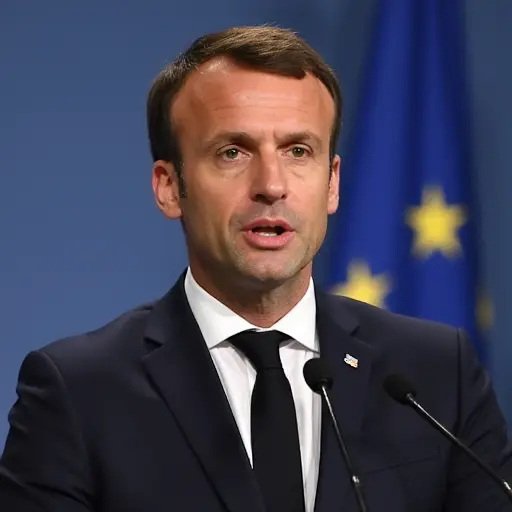
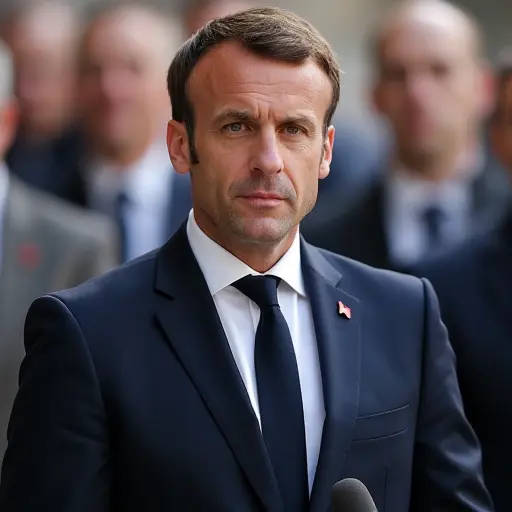
French President Emmanuel Macron has announced a historic expansion of France's nuclear arsenal and extended an unprecedented invitation for European allies to shelter under France's nuclear umbrella. In a landmark speech delivered on March 2, 2026, from the Île Longue nuclear submarine base in Brittany, Macron declared that France will increase its nuclear warhead count for the first time since 1992 and allow eight European countries to participate in nuclear deterrence exercises while potentially hosting French strategic air forces. This represents the most significant shift in French nuclear policy in over three decades and comes amid growing European security concerns about Russia's ongoing war in Ukraine and questions about U.S. commitments under the Trump administration.
What is France's Nuclear Expansion Plan?
France currently maintains approximately 290 nuclear warheads, making it the world's fourth-largest nuclear power after the United States, Russia, and China. Macron's announcement marks the first increase in French nuclear weapons since 1992 and reverses decades of gradual reduction. While exact numbers remain classified, defense analysts estimate France could expand its arsenal by 20-30% over the coming years. The plan includes:
- Increasing nuclear warhead numbers for the first time in 34 years
- Developing the new SNLE 3G next-generation ballistic missile submarines
- Upgrading M51.3 submarine-launched ballistic missiles
- Developing ASN4G hypersonic cruise missiles for deployment by 2035
- Launching the new nuclear-armed submarine 'The Invincible' in 2036
France will also no longer disclose exact nuclear arsenal figures, reversing transparency practices established under President Nicolas Sarkozy in 2008. Macron emphasized this expansion is 'not an arms race' but essential to maintain France's deterrent power against multiple threats in an increasingly unstable global environment.
The European Nuclear Umbrella: Who's Included?
Macron's most groundbreaking proposal involves extending France's nuclear protection to eight European allies through what he calls 'advanced deterrence.' The participating countries include:
- United Kingdom
- Germany
- Poland
- Netherlands
- Belgium
- Greece
- Sweden
- Denmark
These nations can now participate in nuclear exercises with French forces and potentially host French nuclear-capable Rafale fighter jets on their territory. The Dutch government has already accepted the invitation, with Defense Minister Dilan Yeşilgöz stating, 'The French offer provides an opportunity to strengthen the European dimension of nuclear deterrence with NATO allies.' However, Dutch officials emphasized this cooperation would not replace the U.S. nuclear umbrella, which remains NATO's foundation.
How Does This Compare to NATO Nuclear Sharing?
France's proposal differs significantly from existing NATO nuclear sharing arrangements. While NATO's nuclear deterrence relies primarily on U.S. weapons stationed in Europe with dual-key arrangements, France maintains complete sovereignty over its nuclear decision-making. Macron explicitly stated, 'The decision-making, I will keep. It will not be shared.' This means European partners can participate in exercises and potentially host French forces, but only the French president retains authority to authorize nuclear weapon use.
| Feature | French Nuclear Umbrella | NATO Nuclear Sharing |
|---|---|---|
| Decision Authority | French President only | Dual-key (U.S. + host nation) |
| Weapons Systems | French SSBNs & Rafale fighters | U.S. B61 gravity bombs |
| Host Nation Role | Exercise participation & potential hosting | Weapons storage & delivery systems |
| Legal Framework | Bilateral agreements | NATO Nuclear Planning Group |
Why Now? The Geopolitical Context
Macron's announcement comes at a critical juncture for European security. The ongoing Russian invasion of Ukraine, now entering its fifth year, has fundamentally altered security assumptions across the continent. Additionally, President Donald Trump's return to the White House has raised questions about U.S. commitment to NATO's Article 5 mutual defense clause. As Macron stated in his speech, 'The recent rhetoric from Washington demonstrates that Europe must play a greater role in its own defense.'
France has long advocated for greater European strategic autonomy, but this nuclear proposal represents the most concrete step toward that goal. 'This is a concrete initiative to make Europe, with the ultimate weapon that must never be used, a monster that no one dares to attack,' explained France correspondent Eva Rammeloo. The move also responds to growing threats from China's military buildup and Middle East instability.
Impact and Implications for European Security
The French nuclear expansion and umbrella proposal will have significant implications for European security architecture. First, it strengthens Europe's independent deterrent capability at a time of transatlantic uncertainty. Second, it positions France as a leading security provider within Europe, potentially reshaping power dynamics within the EU and NATO. Third, it represents a major evolution in French nuclear doctrine, which has traditionally focused exclusively on protecting France's 'vital interests.'
However, the proposal faces challenges. Disarmament campaigners have criticized the plan as a step backward from France's non-proliferation commitments. Some European nations may be reluctant to deepen nuclear cooperation outside NATO structures. Additionally, Russia has warned that expanding nuclear capabilities could escalate tensions. Despite these concerns, the initiative represents a bold response to what Macron called 'the most challenging security situation since the Cold War.'
The Dutch participation from Volkel Air Base, which already hosts U.S. nuclear weapons under NATO arrangements, demonstrates how European nations are navigating this new landscape. As with other European defense initiatives, the key will be balancing enhanced European capabilities with continued transatlantic cooperation.
Frequently Asked Questions
How many nuclear weapons does France have?
France currently maintains approximately 290 nuclear warheads, making it the world's fourth-largest nuclear power. Macron announced an expansion but will no longer disclose exact numbers.
Which countries are included in France's nuclear umbrella?
Eight European countries: United Kingdom, Germany, Poland, Netherlands, Belgium, Greece, Sweden, and Denmark.
Does this replace NATO's nuclear protection?
No. Participating countries emphasize this complements rather than replaces the U.S. nuclear umbrella that remains NATO's foundation.
Can European allies launch French nuclear weapons?
No. France retains sole decision-making authority over nuclear weapon use. Allies can participate in exercises and potentially host forces.
Why is France expanding its nuclear arsenal now?
Due to Russia's war in Ukraine, questions about U.S. commitments, and growing global threats requiring enhanced deterrence capabilities.


Follow Discussion