


 Deutsch
 English
 Español
 Français
 Nederlands
 Português


 Share
Share




France Nuclear Expansion Guide: Macron's 2026 Deterrence Strategy Explained
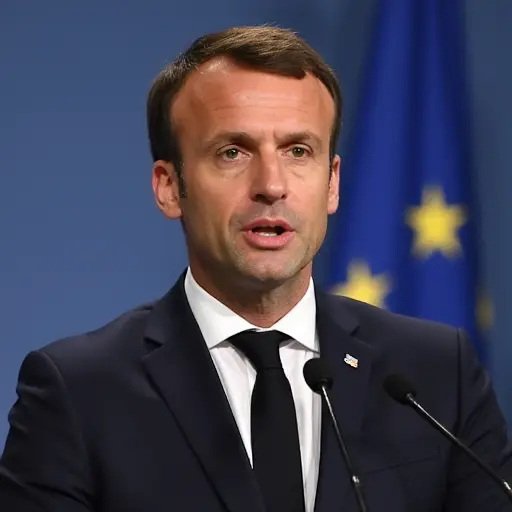
French President Emmanuel Macron announced on March 2, 2026, a historic expansion of France's nuclear arsenal, marking the first increase in nuclear warheads since 1992 and unveiling a comprehensive 'advanced deterrence' strategy that includes unprecedented cooperation with European allies like the Netherlands and Belgium. This strategic shift represents a fundamental change in European security architecture as France, the only nuclear power on the European mainland with 290 warheads, strengthens its position amid growing geopolitical tensions.
What is France's Nuclear Deterrence Strategy?
France's nuclear deterrence strategy, known as the 'force de frappe,' has been a cornerstone of French defense policy since the 1960s. The country maintains full independence over its nuclear forces while contributing to NATO's collective defense. Macron's announcement from the L'île Longue nuclear submarine base in Brittany signals a hardening of this doctrine, with the president stating, 'Our competitors have evolved, as have our partners. We must strengthen our nuclear deterrence.' This move comes amid concerns about Russia's ongoing war in Ukraine, potential instability from Middle East conflicts, and uncertainties about U.S. commitment to European security.
Key Components of Macron's 2026 Nuclear Strategy
1. Nuclear Warhead Expansion
France will increase its nuclear arsenal for the first time in 34 years, though Macron did not specify exact numbers. The country currently maintains the world's fourth-largest nuclear arsenal with approximately 290 warheads. This expansion represents a significant departure from previous policies of gradual reduction and modernization. The move aligns with Macron's declaration that 'to be free, we have to be feared,' reflecting a new era of strategic competition.
2. European Nuclear Cooperation
In a groundbreaking development, Macron announced that eight European countries - including the Netherlands, Belgium, Germany, Britain, Poland, Greece, Sweden, and Denmark - have agreed to participate in France's nuclear deterrence scheme. This cooperation includes:
- Temporary positioning of French nuclear warheads in allied countries
- Participation in joint nuclear exercises
- Enhanced strategic coordination on nuclear deterrence
- Potential deployment of French strategic air forces across Europe
This represents a major shift from France's traditionally independent nuclear posture and marks the first time France has considered deploying nuclear weapons outside its own territory.
3. Advanced Deterrence Framework
The new 'advanced deterrence' strategy involves modernization of nuclear capabilities, enhanced readiness, and potentially new delivery systems. Macron emphasized that French nuclear power serves peace but warned of capacity for devastating retaliation. The strategy aims to address multiple threats while respecting national sovereignty, with Macron stating the world has fundamentally changed since his last nuclear strategy speech in February 2020.
Historical Context and Strategic Shift
France's nuclear program dates back to the 1950s, with the country conducting its first nuclear test in 1960. Since then, France has maintained an independent nuclear deterrent, separate from NATO's nuclear sharing arrangements. The current expansion marks a significant policy reversal, as France had been gradually reducing its nuclear arsenal since the end of the Cold War. This shift reflects growing concerns about global security architecture, particularly following the expiration of key nuclear treaties and increasing great power competition.
The decision comes at a critical juncture for European security. With Russia's invasion of Ukraine continuing into its fourth year and uncertainties about U.S. commitment under potential future administrations, European nations are reassessing their defense postures. Macron's announcement positions France as a central player in European security, potentially reshaping the continent's defense landscape for decades to come.
Impact on European Security Architecture
Macron's nuclear strategy has profound implications for European security:
| Aspect | Previous Policy | New 2026 Strategy |
|---|---|---|
| Nuclear Sharing | No deployment outside France | Temporary deployment to allies |
| European Cooperation | Limited consultation | Eight-country participation |
| Arsenal Size | Gradual reduction | First expansion since 1992 |
| Strategic Posture | Independent deterrent | Extended European umbrella |
This strategic shift represents a significant enhancement of European collective defense capabilities. By extending its nuclear umbrella to include key allies, France is creating a more integrated European security framework. The move also signals France's commitment to European strategic autonomy, reducing dependence on external security guarantees while strengthening continental defense against emerging threats.
International Reactions and Implications
The announcement has drawn mixed reactions internationally. European allies participating in the scheme have generally welcomed the enhanced security cooperation, while non-participating countries and global powers are closely monitoring the developments. The move comes amid broader discussions about European defense integration and the future of transatlantic security relations.
From a non-proliferation perspective, France's expansion of its nuclear arsenal represents a challenge to global disarmament efforts. However, Macron emphasized that the strengthened deterrence serves peace and stability, arguing that a credible nuclear deterrent prevents conflict rather than provokes it. The strategy includes hosting a March 10 summit on nuclear energy development and coordinating with the UK under a recent joint declaration, indicating a comprehensive approach to nuclear policy.
Frequently Asked Questions
How many nuclear warheads does France currently have?
France currently maintains approximately 290 nuclear warheads, making it the world's fourth-largest nuclear power after the United States, Russia, and China.
Which European countries will participate in France's nuclear deterrence scheme?
Eight countries have agreed to participate: Germany, Britain, Poland, Netherlands, Belgium, Greece, Sweden, and Denmark.
When was France's last nuclear expansion?
France last expanded its nuclear arsenal in 1992, making the 2026 announcement the first increase in 34 years.
What does 'advanced deterrence' mean?
Advanced deterrence refers to France's comprehensive strategy involving nuclear modernization, enhanced readiness, European cooperation, and extended deterrence capabilities to address evolving security threats.
How will this affect NATO's nuclear sharing arrangements?
France maintains independence from NATO's nuclear sharing while contributing to collective defense. The new strategy complements rather than replaces existing NATO arrangements, though it represents a significant enhancement of European nuclear capabilities.



Follow Discussion