


 Deutsch
 English
 Español
 Français
 Nederlands
 Português


 Share
Share




In a desperate bid to prevent a nuclear shutdown, Romanian authorities carried out a controlled explosion on Monday, blasting rock outcrops in the drought-stricken Danube River. The operation aims to redirect precious cooling water toward the Cernavodă Nuclear Power Plant, which supplies roughly 20% of the country's electricity and has been running at reduced capacity since last week due to critically low river levels.
Why Romania Resorted to Explosives
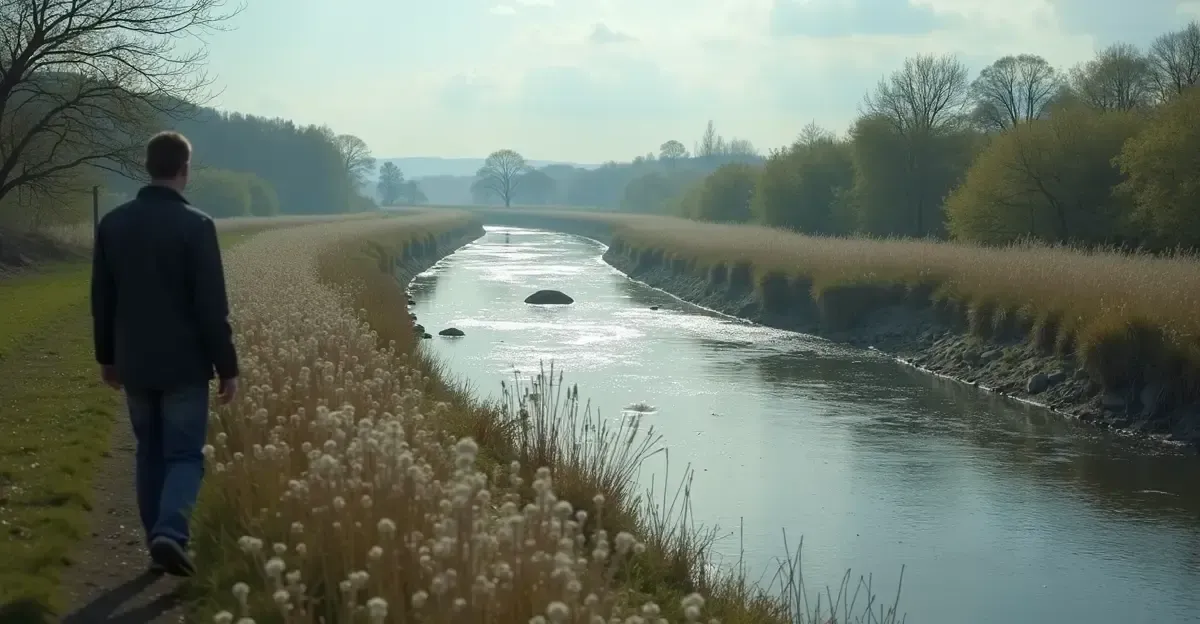
The Danube, Europe's second-longest river, is flowing at just a third of its normal volume for this time of year. At Cernavodă, the intake channel that feeds cooling water to the plant's two CANDU reactors has been dangerously shallow, threatening the plant's ability to dissipate waste heat. With water levels projected to drop further in the coming days, engineers devised an emergency plan: blast submerged rocks near the riverbed, then transport the debris 50 kilometers downstream on cargo ships to create a temporary dam that would raise water levels at the intake point.
The Romanian naval forces executed the explosion on August 3, 2026, as captured in dramatic footage from multiple angles. A temporary rock barrier is expected to be completed by Wednesday, but if water levels do not recover sufficiently, the plant may be forced to shut down entirely on Thursday. Such a shutdown would remove over 1,400 megawatts from the grid, exacerbating an already strained energy situation across the region. Similar extreme drought management techniques have rarely been attempted in Europe, underscoring the severity of this summer's heatwave.
The Cernavodă Plant: A Critical Energy Asset
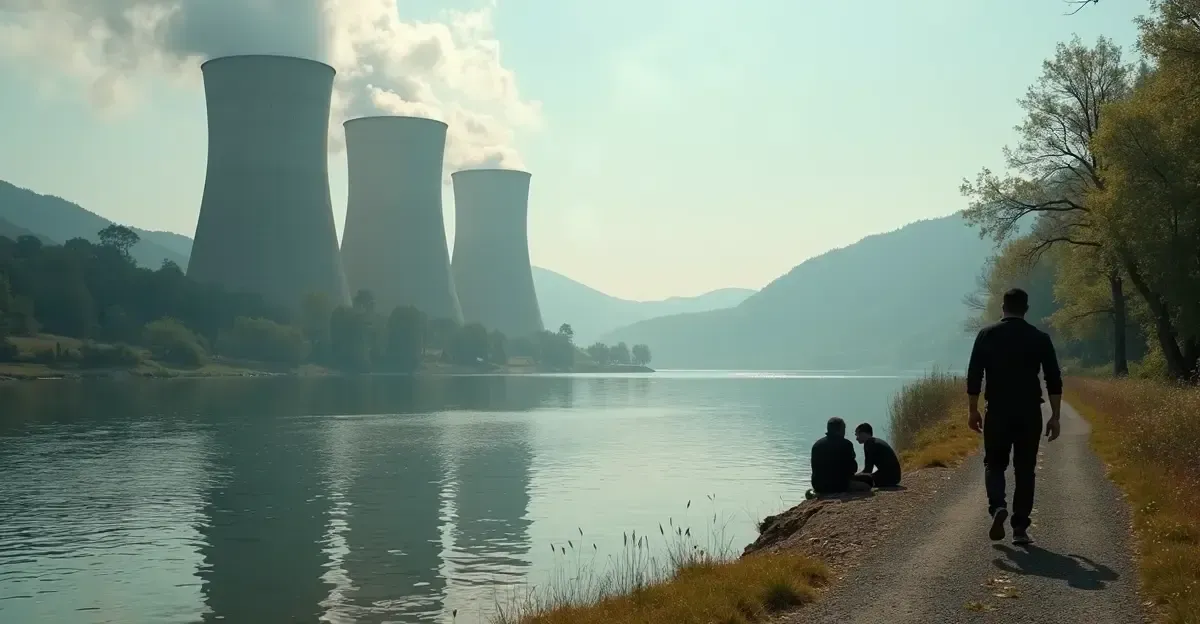
Located in southeastern Romania, the Cernavodă Nuclear Power Plant is the country's only nuclear facility. Its two operational CANDU 6 reactors—Unit 1 commissioned in 1996 and Unit 2 in 2007—each produce about 706 MW of electricity. Together, they normally generate approximately 20% of Romania's power, helping the country avoid over 10 million tonnes of greenhouse gas emissions annually. Unit 1 had already been shut down last week due to the low water levels, leaving only Unit 2 operational at reduced output.
The plant's reliance on Danube water for cooling highlights a growing vulnerability in European nuclear infrastructure as climate change intensifies heatwaves and droughts. CANDU reactors, which use heavy water as both moderator and coolant, require a constant flow of river water to condense steam and maintain safe operating temperatures. Without adequate cooling, reactors must power down to avoid environmental discharge temperature limits or, in extreme cases, risk core damage.
Hungary's Parallel Crisis
The Danube's record-low levels have also jeopardized Hungary's Paks Nuclear Power Plant, which normally supplies around 40% of the country's electricity. Prime Minister Peter Magyar warned over the weekend that the plant—which has operated for 44 years without a climate-related shutdown—could be forced offline for the first time. By Monday, Paks was running at just over 10% capacity, and the government secured a reprieve until later this week thanks to slightly improved water forecasts and aggressive public conservation measures.
In Budapest, the Danube gauge dropped to 23 centimeters, shattering the previous record low of 33 cm set in 2018. Downstream, the crisis has halted cargo shipping, stranded tourist vessels, and even exposed mammoth bones in Bulgaria. The 2026 European drought emergency has claimed over 9,800 heat-related deaths this summer, with another heatwave building across Germany and Central Europe.
Economic and Environmental Fallout
Beyond the immediate threat to nuclear power, the Danube's decline is disrupting industries and ecosystems across ten countries. Romanian car manufacturers Dacia and Ford have halted production until August 19 to conserve electricity, cutting 200 MW of demand. In Hungary, households and businesses voluntarily reduced consumption by 700 MW on Sunday alone, while pharmaceutical giant Richter pledged to slash electricity use by more than 50% over three weeks. Navigable stretches of the river have become impassable, and the Danube Delta's unique biodiversity faces stress from reduced freshwater inflows.
The crisis has reignited debates about Europe's energy resilience and the need for adaptive infrastructure. As climate models predict more frequent and intense droughts, experts warn that rivers like the Danube—vital arteries for transport, agriculture, and power generation—will require climate adaptation strategies for rivers to safeguard both energy security and ecological health.
Frequently Asked Questions
Why does a nuclear plant need river water?
Nuclear reactors generate immense heat. Even after the primary coolant loop transfers heat to a secondary steam cycle, the remaining waste heat must be rejected to the environment. River water is the most common method—it absorbs that heat in a condenser and is returned to the river, slightly warmer. If river levels are too low, there isn't enough water to safely absorb the heat without exceeding environmental temperature limits or reducing cooling efficiency, forcing the plant to cut power or shut down.
How low is the Danube right now?
In early August 2026, the Danube is flowing at roughly one-third of its normal volume for this time of year. At Budapest, the water level dropped to 23 cm—a new all-time record, surpassing the previous low of 33 cm from 2018. Multiple gauges from Vienna to the Black Sea have registered simultaneous record-breaking lows.
What happens if the Cernavodă plant shuts down?
A complete shutdown of both reactors would remove about 1,400 MW from Romania's grid, representing roughly 20% of national electricity supply. This would likely necessitate emergency imports, rolling blackouts, or forced industrial curtailments, compounding energy price spikes already felt across Europe.
Is this related to climate change?
Yes. Europe is experiencing its hottest summer on record, with prolonged heatwaves and minimal rainfall. Scientists have long warned that climate change would increase the frequency and severity of droughts in Central and Southeastern Europe, directly threatening river-dependent infrastructure like nuclear plants. The current crisis mirrors warnings from past heatwaves, such as those in 2003, 2018, and 2022, but with greater intensity.
Will blowing up rocks actually work?
The temporary rock dam is a short-term engineering fix. By narrowing the channel at the intake point, it forces water to rise locally, providing enough depth for the cooling pumps. However, it does nothing to increase the overall river flow. If drought conditions persist and upstream flow continues to drop, even the dam may become insufficient, and shutdowns will be unavoidable.



Follow Discussion