


 Deutsch
 English
 Español
 Français
 Nederlands
 Português


 Share
Share




The Dutch wholesale electricity price has surged to €143 per megawatt-hour (MWh) on Tuesday, marking a staggering 140% increase compared to the same period last year when prices hovered around €40/MWh. The explosive rise is being driven by a lethal combination of extreme heat and severe drought across Europe, which is simultaneously crippling power generation capacity and sending cooling demand through the roof. Energy experts warn that households with dynamic energy contracts face particular exposure, as evening peak prices soared beyond €200/MWh on Monday.
What Is Driving the Electricity Price Spike?
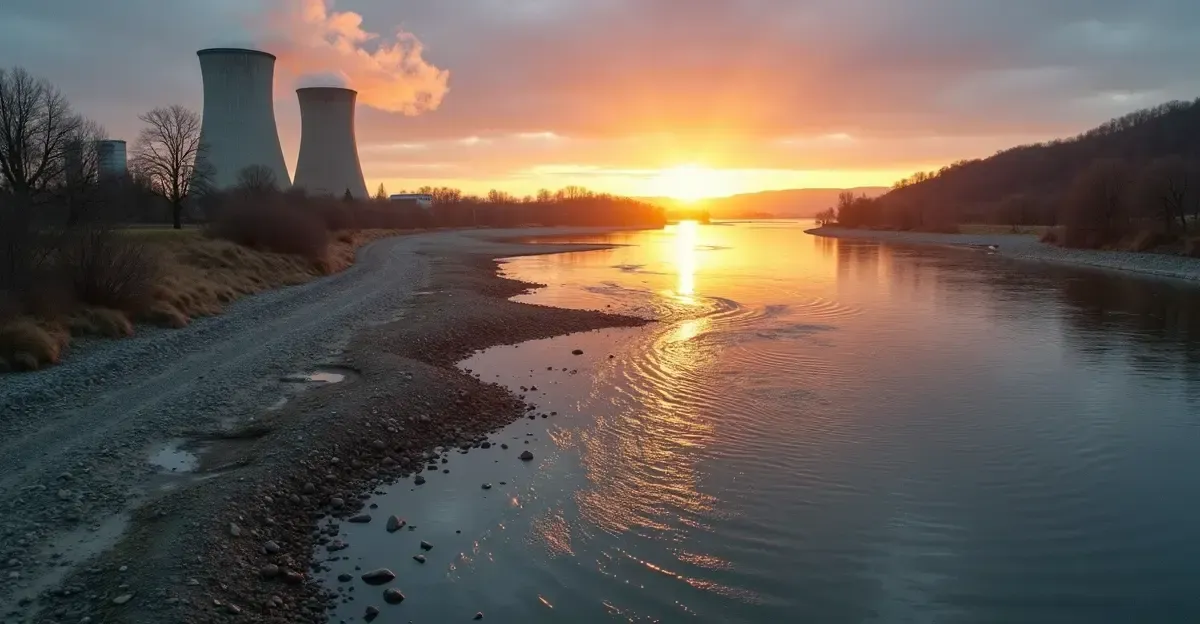
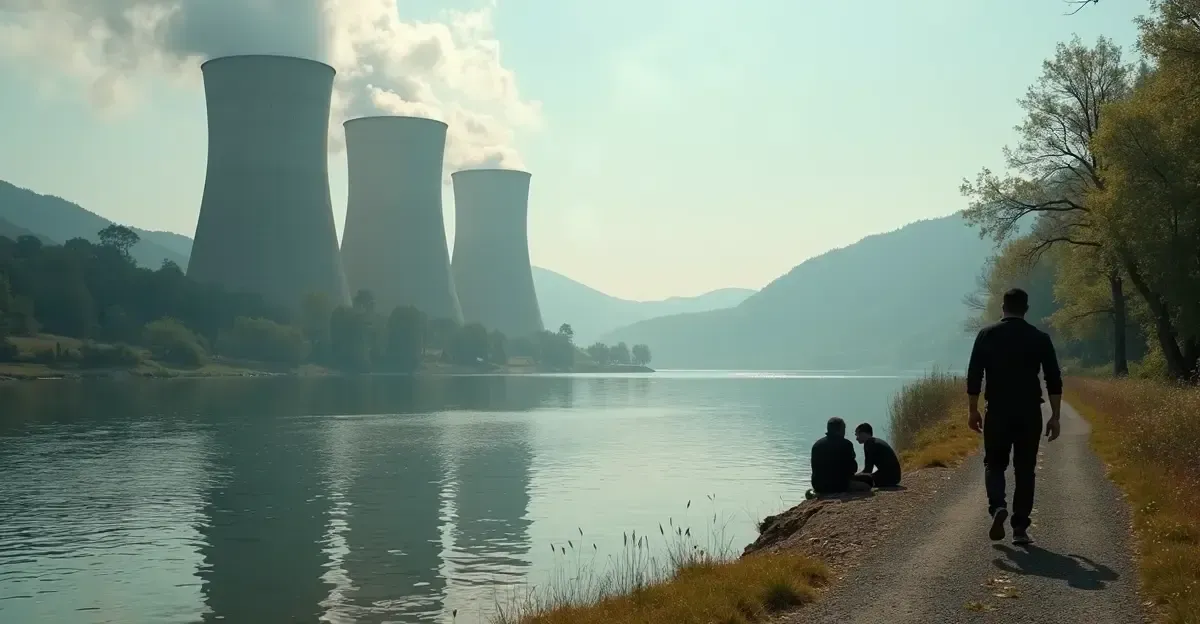
The current crisis is a textbook case of supply and demand shock converging. On the supply side, prolonged drought has drastically reduced water levels in major European rivers such as the Rhine, Danube, and Rhône. This has dealt a double blow to electricity generation: hydropower output across Europe has plummeted, while nuclear power plants that rely on river water for cooling have been forced to reduce capacity or shut down entirely.
Countries like France, Germany, Romania, and Hungary are all grappling with reduced output from their nuclear fleets. Hungary was even forced to take its only nuclear power plant offline, losing half of its domestic electricity production. In France, EDF has ramped down several reactors due to environmental regulations on cooling-water discharge temperatures, with one unit at Golfech completely halted after the Garonne River became too warm.
Soaring Cooling Demand Overwhelms Grids
At the same time, a blistering heatwave is baking large swathes of the continent. Households and businesses are running air conditioners, fans, and cooling systems at full tilt, pushing electricity demand to levels normally only seen during winter peak hours. The Dutch power grid is already operating near maximum capacity during the morning and evening rush hours, and the added cooling load is straining the system further.
Why the Netherlands Is Not Immune
Although the Netherlands generates only about 5% of its electricity from the Borssele nuclear plant and has negligible hydropower, the country is deeply integrated into the European electricity market. "We are hugely connected to the electricity markets around us," explains Rene Peters, energy expert at Dutch research institute TNO. "When countries like France, Germany, Romania, or Hungary face power shortages, demand for Dutch electricity also rises."
This interconnectedness means that European energy market integration acts as a double-edged sword: it provides security through diversification but also transmits price shocks across borders. To fill the supply gap when solar and wind output drops—especially on still, hot evenings—gas-fired power plants must be fired up. "Those gas plants make the price very expensive," Peters notes. "Moreover, the gas price has risen enormously recently due to tensions in the Middle East. Ultimately, in the Netherlands, the gas price determines the electricity price, because gas always has to step in where sun and wind deliver insufficiently."
Impact on Households and Industry
For Dutch households, the immediate impact depends heavily on their type of energy contract. Those on fixed or variable contracts are shielded from daily price swings, but households with dynamic energy contracts—where electricity prices change hourly based on wholesale markets—face the full brunt of the volatility. During sunny midday hours, prices can still dip close to zero or even turn negative, but the evening peak between 5 p.m. and 9 p.m. has become punishingly expensive.
Energy-intensive industries are also feeling the squeeze. "A high electricity price is by definition bad for industry, especially the energy-intensive sector that has to keep competing despite high energy costs," Peters warns. While Dutch factories are not expected to face physical power cuts—unlike in Romania and Hungary, where industrial demand is already being curtailed—the economic pain is real and rising.
Outlook: Prices Expected to Stay High
The near-term forecast offers little relief. With minimal rainfall predicted across central and eastern Europe and gas prices remaining elevated due to geopolitical tensions, Peters expects high electricity prices to "persist for a while yet." The crisis is also a wake-up call for Europe's energy infrastructure. "I think we are still fairly early in the thinking process," says Peters. "It actually shows that in the energy system you always have to enormously diversify: don't become too dependent on one source that could fail."
As climate change and energy security increasingly collide, the summer of 2026 may be remembered as the moment Europe realized its power grid needed a fundamental rethink—one that accounts for more frequent heatwaves, drought-proof cooling systems, and vastly more flexible demand.
Frequently Asked Questions
How much have Dutch electricity prices risen?
Dutch wholesale electricity prices reached €143 per MWh on Tuesday, a 140% increase from approximately €40/MWh a year earlier. Evening peak prices on Monday exceeded €200/MWh.
Why are electricity prices so high in the Netherlands right now?
A combination of extreme heat driving up cooling demand and severe drought reducing hydropower and nuclear output across Europe is creating a supply-demand imbalance. Because the Dutch market is interconnected with neighboring countries, price shocks spread quickly.
What is a dynamic energy contract and why is it risky now?
A dynamic contract tracks wholesale electricity prices hour by hour. While users can benefit from cheap or negative prices during sunny, low-demand periods, they are fully exposed to extreme evening peaks—such as the €200+/MWh seen this week.
How long will high electricity prices last?
According to TNO expert Rene Peters, prices are expected to remain elevated for the foreseeable future due to ongoing drought conditions, low precipitation forecasts, and persistently high gas prices linked to Middle East tensions.
Which European countries are most affected by the drought-power crisis?
France, Germany, Romania, and Hungary are among the hardest hit, with nuclear plants forced to reduce output or shut down due to insufficient or excessively warm cooling water. Hydropower generation has also fallen sharply in many regions.


Follow Discussion