


 Deutsch
 English
 Español
 Français
 Nederlands
 Português


 Share
Share




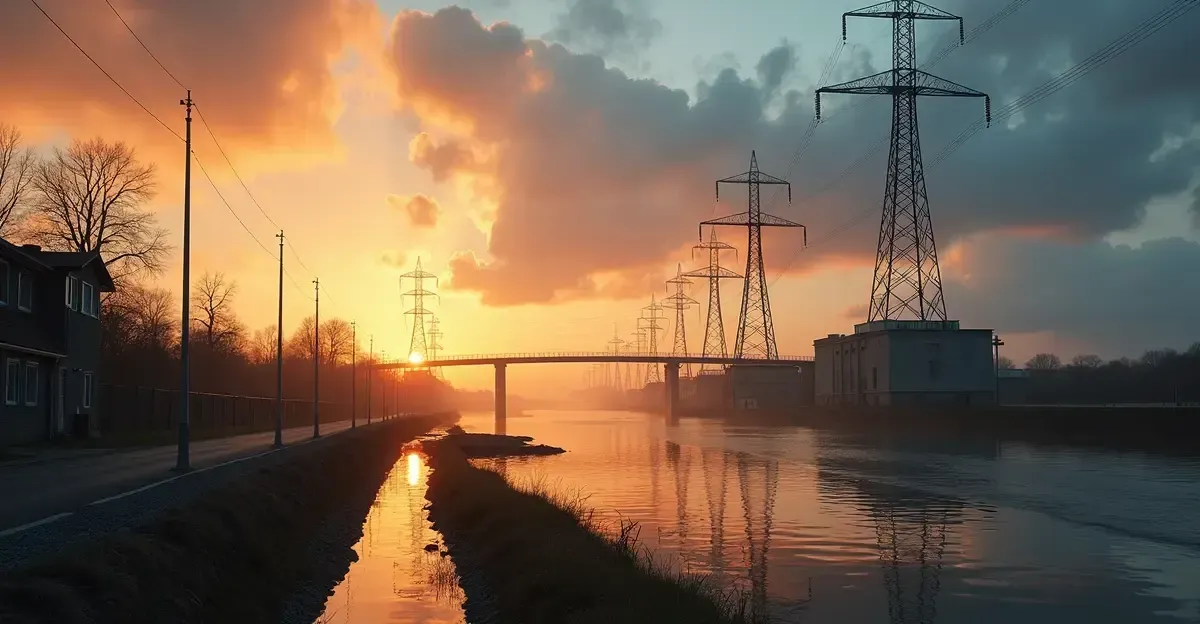
The Danube River's record-low water levels are causing severe disruptions to electricity production across Central Europe, forcing nuclear power plants in Hungary, Romania, and Austria to slash output or shut down entirely. With the region in the grip of a prolonged heatwave that has pushed water levels to historic lows, the crisis underscores the growing vulnerability of Europe's energy infrastructure to climate-driven extremes.
How Low Water Levels Are Crippling Nuclear Power
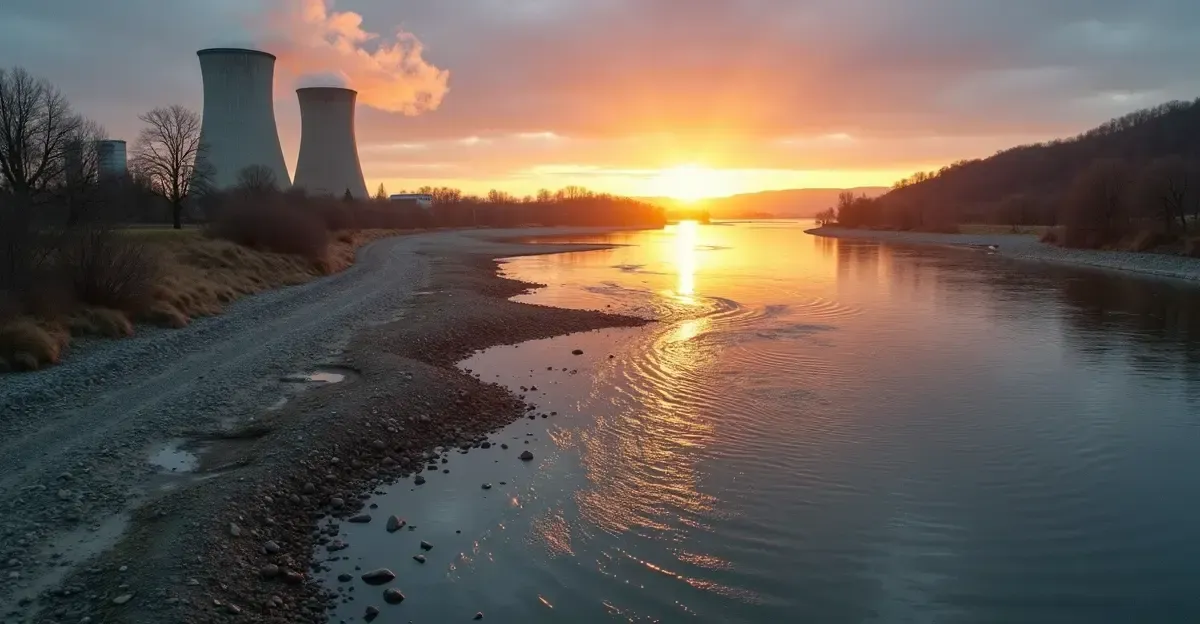
Nuclear power plants rely on large volumes of water for cooling their reactor cores. The Danube, Europe's second-longest river, serves as the primary cooling source for several nuclear facilities in Central Europe. When water levels drop below critical thresholds, plants must reduce power output or suspend operations to prevent overheating and ensure safety.
According to hydrological data, the Danube's flow in July 2026 has plummeted to one-third of its average monthly volume in some sections, with water temperatures also rising sharply. The combination of extreme weather events and energy security has become an increasingly urgent concern for policymakers across the continent.
Hungary: Paks Nuclear Plant at Risk
Hungarian Prime Minister Péter Magyar has issued an urgent appeal to citizens and industry to curb electricity consumption after the country's sole nuclear power plant, Paks, was forced to curtail generation. The facility, which normally supplies around half of Hungary's electricity, has seen its output significantly reduced due to insufficient cooling water from the Danube.
"The situation is critical. The Danube is at a record low, and our nuclear plant cannot operate at full capacity," Magyar said in a televised address. He warned of potential blackouts during peak hours, particularly between 5 p.m. and 10 p.m., when demand surges as households crank up air conditioning.
The government has also appealed to major industrial consumers like battery manufacturers and automotive plants to voluntarily reduce their electricity usage during peak hours.
Romania: Cernavodă Reactor Shut Down
In Romania, the situation is equally dire. One of the two reactors at the Cernavodă Nuclear Power Plant has been taken offline after the Danube's water level in the country fell to a third of the July average. The plant normally accounts for approximately 20% of Romania's total electricity generation, and its partial shutdown has sent shockwaves through the national grid.
Romanian energy officials have activated emergency protocols and are importing electricity from neighboring countries to stabilize supply. The shutdown comes as the country battles extreme temperatures exceeding 40°C (104°F) in many regions.
Heatwave Fuels Demand Surge, Worsening the Crisis
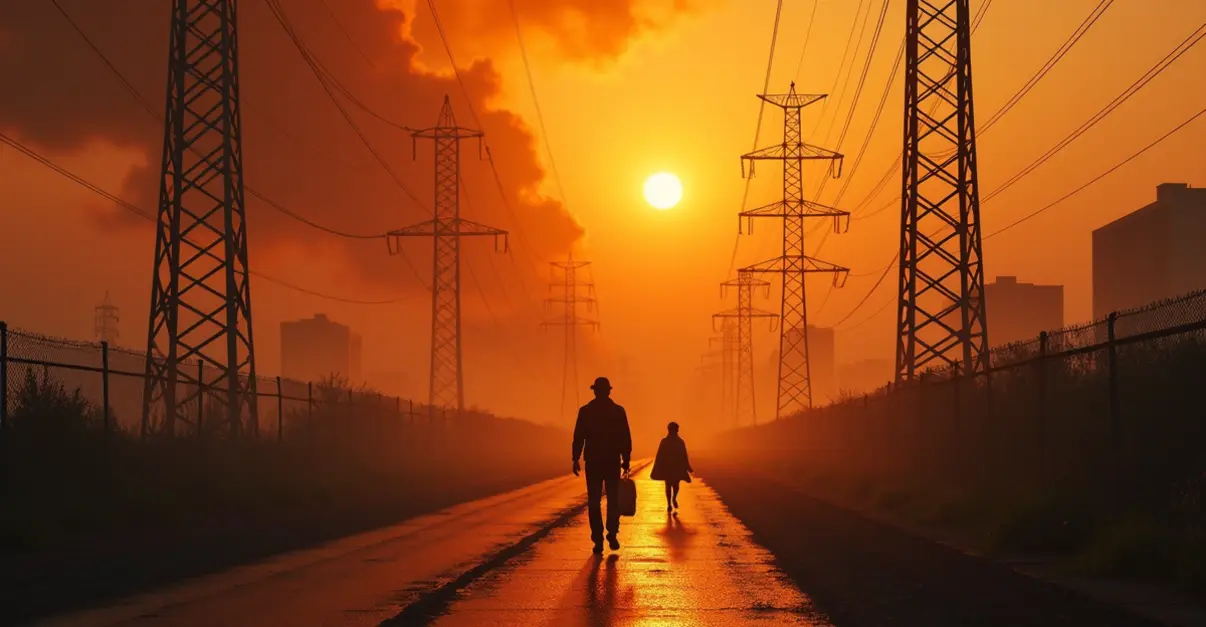
The very heatwave that has caused water levels to plummet is simultaneously driving electricity demand to record highs as millions of households and businesses run air conditioning systems around the clock. This double-edged crisis—reduced supply and surging demand—has created a perfect storm for Central Europe's energy systems.
Meteorologists attribute the extreme conditions to a persistent high-pressure system over the region, linked to broader climate change and shifting weather patterns across Europe. Similar low-water events have been recorded with increasing frequency in recent years, most notably during the 2022 European drought.
Unexpected Discovery: Mammoth Remains Emerge
In a startling side note to the crisis, the receding waters of the Danube in Bulgaria revealed the fossilized remains of a young mammoth near the village of Ryahovo, about 30 kilometers from the city of Ruse. A local resident discovered jaw fragments and tusk pieces in the newly exposed riverbed on Wednesday. Paleontologists say the find could be just the first of many, as the drought uncovers previously submerged archaeological and paleontological treasures.
Frequently Asked Questions
Why do nuclear plants need so much water?
Nuclear reactors generate immense heat during the fission process. Cooling systems use water to absorb and dissipate this heat, preventing core damage and potential meltdowns. Without adequate water flow, plants must reduce power or shut down.
How low is the Danube River right now?
In Romania, the Danube's discharge has fallen to roughly one-third of the average July flow. Water levels are at or near historic lows across much of the river's middle and lower stretches, with some gauges recording the lowest readings since measurements began.
Which countries are most affected?
Hungary, Romania, and Austria are facing the most acute disruptions to nuclear power generation. However, the broader energy impacts are being felt across Central and Southeastern Europe, including Serbia, Bulgaria, and Slovakia.
What is being done to manage the crisis?
Governments are urging energy conservation, activating emergency protocols, and importing electricity from neighboring countries. Some industrial users have been asked to curtail operations during peak hours. Long-term solutions, such as upgrading cooling systems and diversifying energy sources, are being debated.
Could this happen again?
Climate scientists warn that such events will become more frequent and severe as global temperatures continue to rise. The Danube basin has experienced multiple low-water episodes in the past decade, and further investments in climate-resilient infrastructure are considered essential.
Sources
This article is based on reporting by BNR Nieuwsradio and data from regional hydrological agencies.



Follow Discussion