


 Deutsch
 English
 Español
 Français
 Nederlands
 Português


 Share
Share




Austria has shattered its all-time temperature record as Vienna sweltered through 41°C on Tuesday, August 4, 2026, amid a relentless heatwave gripping Central and Eastern Europe. GeoSphere Austria confirmed the reading at the Stammersdorf weather station, surpassing the previous national record of 40.5°C set in Bad Deutsch-Altenburg in 2013. The capital and surrounding regions were placed under the highest code red alert, as authorities warned of 'severe heat strain' from both scorching daytime highs and tropical nights above 20°C. The record comes just one day after Vienna had already broken its own city-level high, underlining the intensity of this extreme weather event.
Record-Breaking Temperatures Across Austria
The 41°C mark in Vienna was not an isolated spike. Across eastern Austria, temperatures climbed well above 40°C, with the Innere Stadt district recording 40.8°C and multiple stations in Lower Austria and Burgenland registering new all-time highs. Even alpine regions felt the heat: Innsbruck reached 35°C, while Bludenz and Feldkirch in the far west hovered around the same mark. "We are witnessing an unprecedented heat event," said GeoSphere Austria climatologist Alexander Orlik. "The combination of a prolonged heat dome and bone-dry soils is pushing temperatures to levels never before seen in our measurement history." The European heatwave 2026 has now broken national records in at least 16 countries, making it the most severe heatwave ever recorded on the continent.
Immediate Impacts: Fires and Water Crisis
Forest Fire in Burgenland
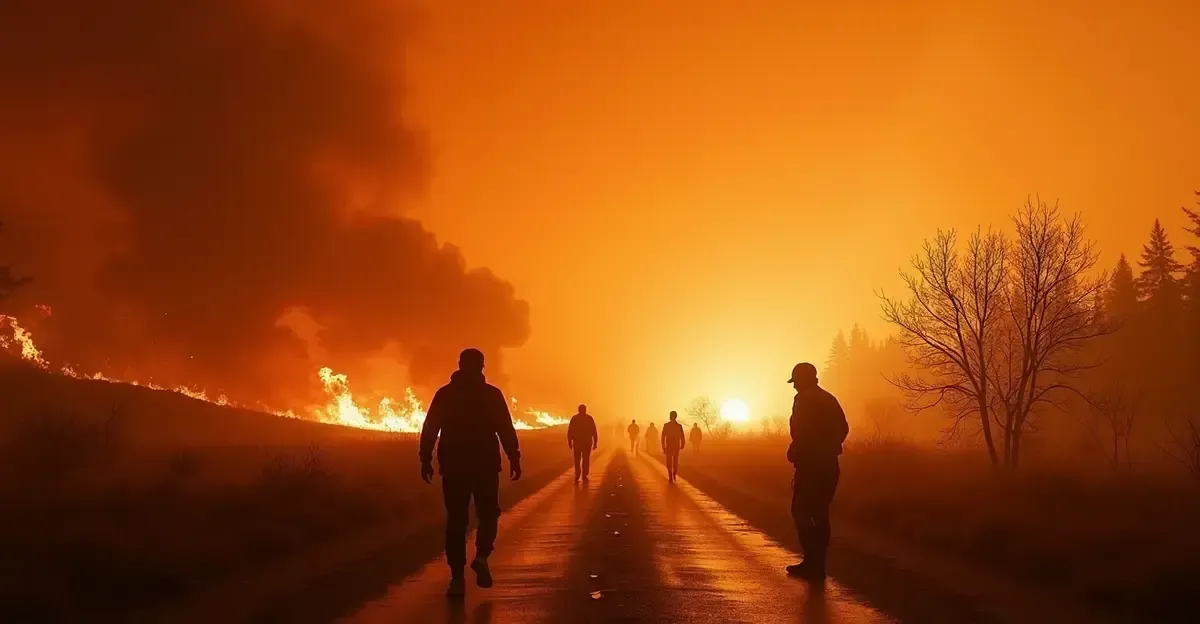
Approximately 70 kilometers south of Vienna, near the village of Sieggraben in Burgenland, a forest fire broke out on Tuesday morning, quickly spreading across roughly seven hectares. Strong winds of force 5 fanned the flames, complicating firefighting efforts. By midday, 29 fire departments with 64 vehicles had been deployed, supported by a drone unit from Rust. The S31 motorway toward Oberpullendorf was temporarily closed due to thick smoke, with traffic diverted via the B50. No injuries were reported, but the cause remains under investigation. Authorities warned that the forest fire risk in Austria remains extreme, with over 270 fires already recorded this year, burning approximately 230 hectares.
Vienna Water Outage
Adding to the day's misery, three Vienna districts—the 14th, 16th, and 17th—lost tap water for several hours after a pipe was damaged at a construction site on Hernalser Hauptstraße late Tuesday morning. The fire brigade pumped out flooded areas while MA 31 (Wiener Wasser) worked to restore supply. Service was largely back to normal within three hours, but the incident highlighted the vulnerability of critical infrastructure during extreme heat. Vienna's drinking water, celebrated for its alpine spring quality, came under sudden strain as demand surged.
Regional Fallout: The Danube Dries Up
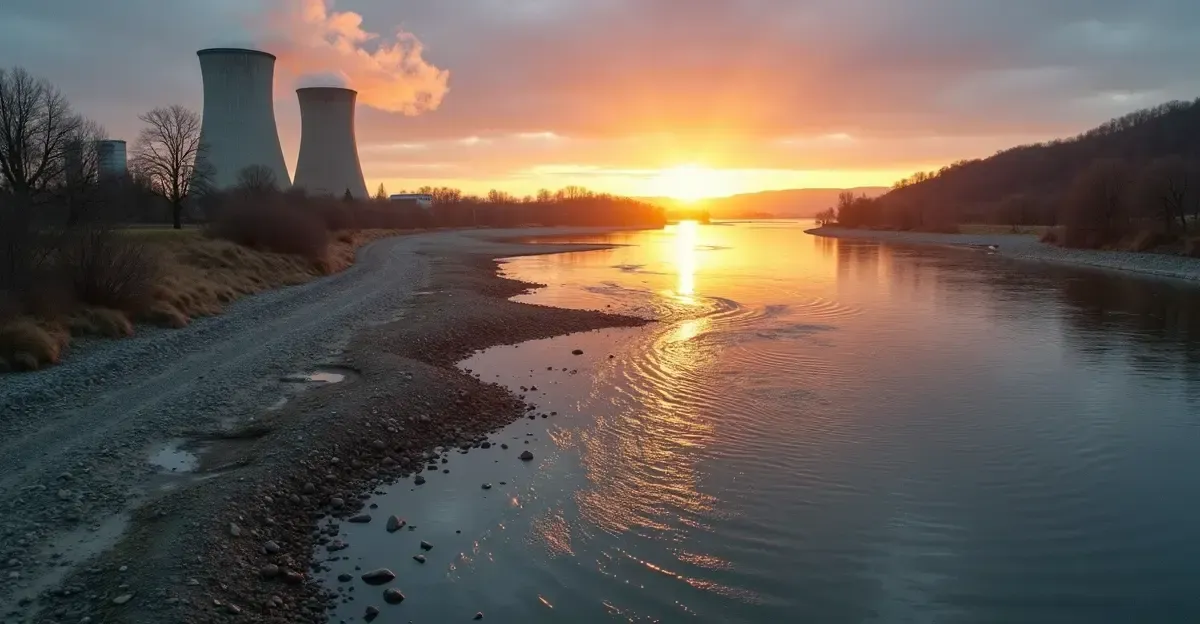
The heatwave is not confined to Austria. Across the Danube basin, temperatures soared: Regensburg in Bavaria hit 39°C, Budapest reached 39°C, and similar extremes were recorded in Croatia, Slovakia, and Czechia. The river itself has fallen to critically low levels. In Hungary, the Paks nuclear power plant—which supplies nearly half the country's electricity—was forced to partially shut down because there was not enough cooling water. Output dropped to just 10% of normal capacity. "We expect the water level to rise by the end of the week," Hungarian Prime Minister Péter Magyar told reporters, citing forecasts of rain in Austria on Thursday. Romania had already shut both its Danube-fed reactors days earlier. The Paks nuclear plant shutdown has raised urgent questions about the resilience of Europe's energy infrastructure in a warming climate.
Climate Change Driving Extreme Weather
Scientists from World Weather Attribution have called the 2026 European heatwaves 'virtually impossible' without human-caused climate change. The heat dome pattern, driven by an atmospheric Omega block, has trapped hot Sahara air over the continent for weeks. Across Europe, excess deaths linked to the heat have surpassed 32,000, with the worst tolls in France, Germany, and Spain. "Strong heatwaves now last about seven days longer than they did around 1960," noted Orlik, "and hot days and tropical nights have increased significantly." The climate change adaptation debate is intensifying as governments grapple with how to protect vulnerable populations and critical systems from the escalating threat of extreme heat.
FAQ
What is the new heat record for Austria?
Austria's all-time highest temperature is now 41.0°C, recorded on August 4, 2026, at the Stammersdorf weather station in Vienna. This breaks the previous record of 40.5°C set in Bad Deutsch-Altenburg in 2013.
Why is the Danube River so low?
Prolonged drought and weeks of extreme heat have caused the Danube to drop to historically low levels. In Hungary, the river fell to just 23 centimeters, jeopardizing cooling water intake for the Paks nuclear plant and grounding river cruise traffic.
Is the Paks nuclear plant still shut down?
As of August 4, the plant was operating at only 10% capacity. A full shutdown was narrowly avoided overnight, but the situation remains critical. Hungarian authorities expect water levels to rise later in the week if forecast rains materialize.
How is Austria responding to the heatwave?
The government has issued code red warnings for Vienna, Burgenland, and Lower Austria, advising people to stay hydrated, avoid exertion during peak hours, and check on vulnerable neighbors. Firefighting resources have been mobilized, and water infrastructure repairs are ongoing.
Is this heatwave caused by climate change?
Yes. Climate scientists say global warming has made such extreme heat events far more likely and intense. Without climate change, the 2026 European heatwave would have been virtually impossible, according to the World Weather Attribution group.




Follow Discussion