


 Deutsch
 English
 Español
 Français
 Nederlands
 Português


 Share
Share




France Records 2,025 Excess Deaths During Historic June Heatwave
France recorded at least 2,025 excess deaths during the record-breaking heatwave that struck the country from June 22 to 28, 2025, the French Health Ministry confirmed on July 3, 2026. The figure represents a 29% increase in mortality compared to the previous week, with the Paris region experiencing a staggering 62% surge in deaths. Health Minister Stéphanie Rist warned the tally is likely an underestimate as complete data continues to be collected from across the country.
The announcement comes as Europe braces for further extreme temperatures, with climate scientists warning that the continent is warming twice as fast as the global average. The June heatwave, described by France's weather service Météo-France as 'historic,' saw temperatures soar above 40°C in many regions, with Paris recording nearly 41°C on June 24 — the hottest average day ever measured nationwide.
Context and Background
The June 2025 heatwave was part of a series of extreme heat events that affected Europe from April to September 2025, collectively resulting in an estimated 14,956 to 16,500+ deaths across the continent, according to a study by the London School of Hygiene & Tropical Medicine. Scientists found that approximately 68% of these deaths were attributable to human-induced climate change.
France's experience mirrors broader European trends. Belgium reported 1,222 excess deaths during the same period, while the Netherlands recorded about 480 excess deaths, predominantly among those aged 80 and older. The 2025 European heatwaves also broke national temperature records in Portugal and Spain, where thermometers surpassed 46°C.
Impact Across France
Regional Disparities in Mortality
The heatwave's deadliest impact was concentrated in the Île-de-France region, which includes Paris. There, deaths surged by 62.8% during the peak week, amounting to 619 excess fatalities. The Pays de la Loire region also experienced significant spikes. Health Minister Rist noted a 'clear increase' in deaths among people over 45, with the most vulnerable being the elderly living alone.
'We see that the number of people who died at home that week rose by 91% compared to the week before,' Rist said, emphasizing that loneliness played a critical role. 'Older people do not always receive the necessary help while the temperature inside their homes can rise dangerously high.'
Authorities caution that the current death toll is likely incomplete. While digitally recorded deaths have been processed, paper-based death certificates from some regions have yet to be registered. 'The figures will certainly change in the coming weeks,' Rist added.
Wildfires and Evacuations
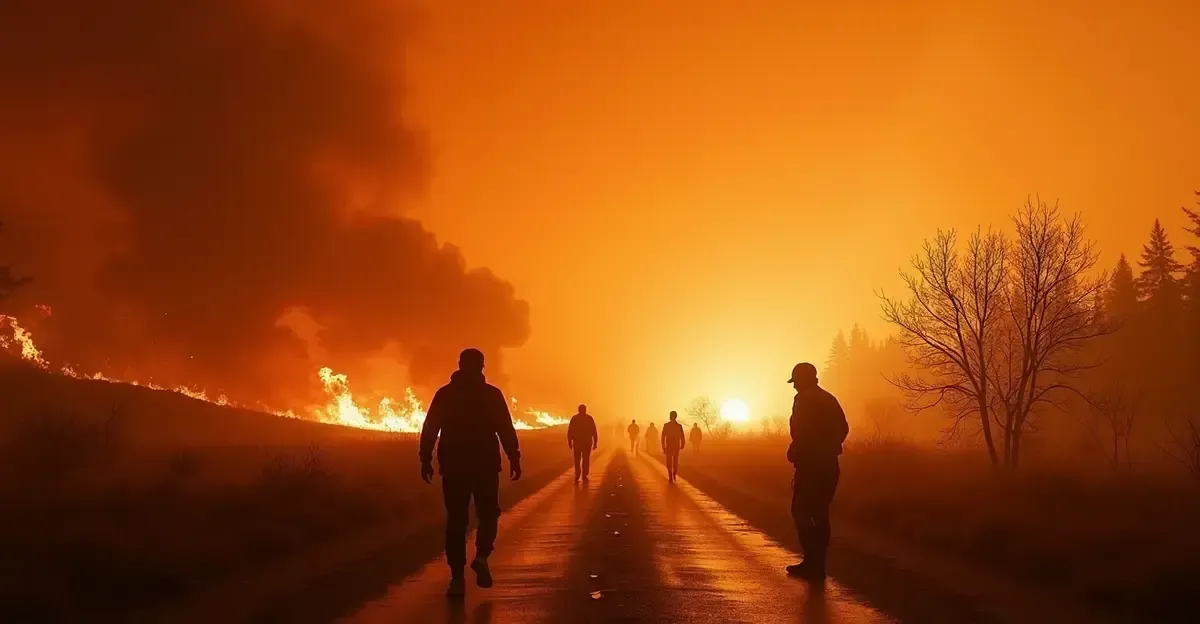
The extreme heat, combined with prolonged drought, created ideal conditions for devastating wildfires across southern France. Near Perpignan, on the Mediterranean coast, approximately 3,000 people were evacuated from campsites and coastal towns as flames spread rapidly. Around 2,000 firefighters were deployed to battle multiple blazes, with one fire in the Aude department destroying about 900 hectares of land.
France's Prime Minister convened an emergency crisis meeting, reporting that 8,700 hectares had been destroyed by wildfires across the country since the beginning of the summer season. The fires also disrupted travel, with Perpignan Airport temporarily closed during the peak holiday period. The climate change and wildfires link has become increasingly evident, with scientists attributing the heightened fire risk to rising global temperatures.
Comparison with Previous Heatwaves
The 2003 European heatwave remains the deadliest in modern French history, claiming approximately 15,000 lives in France alone. While the June 2025 heatwave was more intense in terms of peak temperatures, authorities suggest the death toll is lower due to improved early warning systems and public health preparedness. However, some politicians criticized the government's response as inadequate, with the Green party filing a no-confidence motion against Prime Minister Sébastien Lecornu.
According to the Copernicus Climate Change Service, Europe is the fastest-warming continent, heating at approximately twice the global average rate. This trend is driving more frequent and intense summer heatwaves, water shortages, and wildfire risks. The impact of climate change on Europe is projected to worsen, with heat-related mortality expected to rise significantly in the coming decades.
Broader European Impact
The June heatwave affected much of Western and Central Europe. National June temperature records were shattered in Portugal and Spain, where temperatures exceeded 46°C. Regional records fell in Austria, Bosnia and Herzegovina, Croatia, and Estonia. In the UK, hundreds of heat-related deaths were reported, though exact figures are still being compiled.
Infrastructure across the continent was also affected. In Bosnia, railway tracks deformed by extreme heat forced the suspension of train services. In France, nuclear power plants along the Rhône and Garonne rivers reduced output due to warm river water temperatures, affecting energy production during a period of high demand.
FAQ
How many excess deaths did France record during the June 2025 heatwave?
France recorded at least 2,025 excess deaths during the week of June 22-28, 2025, according to Health Minister Stéphanie Rist. The figure represents a 29% increase compared to the previous week.
What caused the high death toll during the heatwave?
The extreme temperatures, reaching over 40°C in many areas, combined with social isolation among elderly people living alone, were major factors. Deaths at home rose by 91% during the peak week.
How does the 2025 heatwave compare to the 2003 heatwave?
The 2003 heatwave killed about 15,000 people in France. While the 2025 heatwave was more intense in peak temperatures, improved preparedness and early warning systems have helped reduce the mortality toll, though it remains significant.
What role did climate change play in the 2025 heatwave?
Scientists estimate that approximately 68% of heat-related deaths during the 2025 European heatwaves were attributable to human-induced climate change. Europe is warming at twice the global average rate.
Are more heatwaves expected in Europe?
Yes. Climate models project that extreme heat events will become more frequent and intense across Europe. France, Spain, and Portugal have already issued new heat alerts for the coming days, with temperatures expected to rise again.





Follow Discussion